Living Room Interior Design Ideas: How to Design Your Living Room with AI in 2026
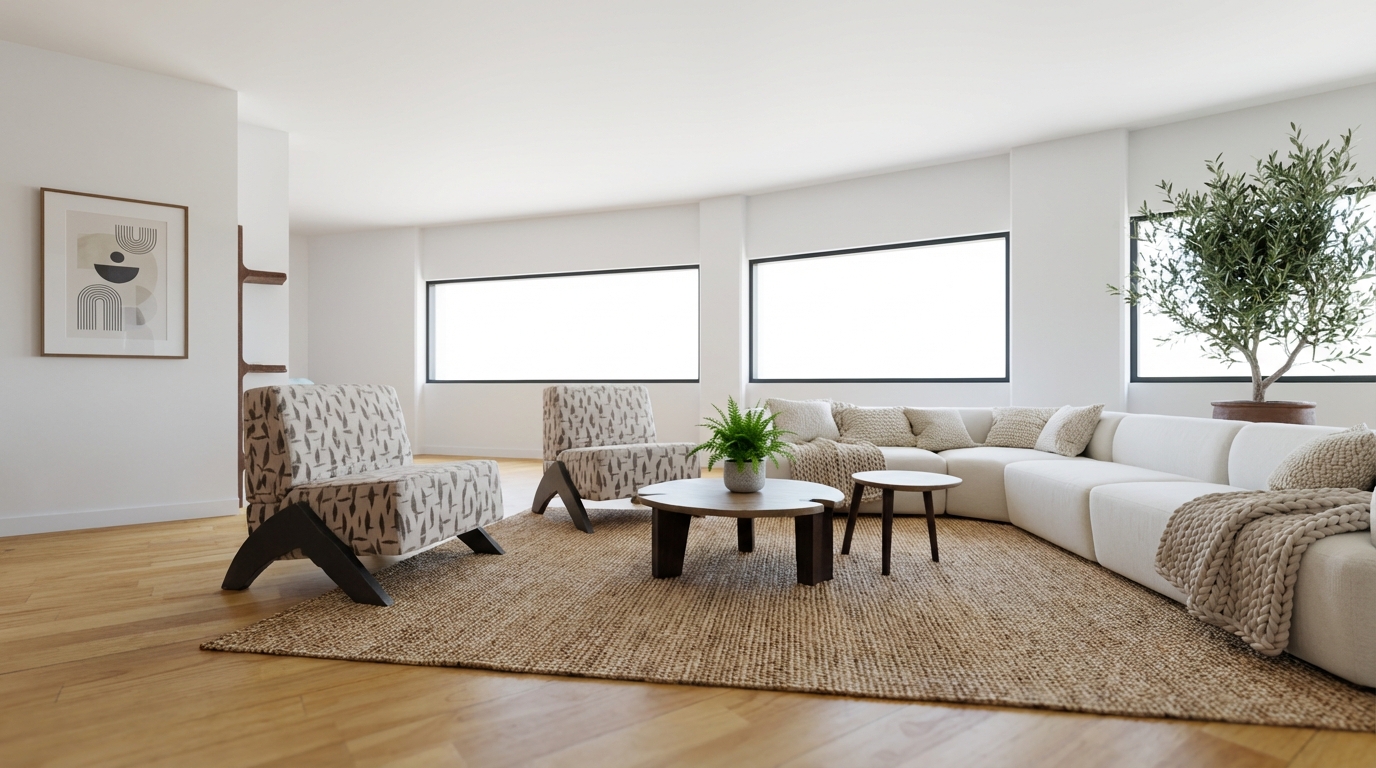
Short answer: design a living room by starting with the sofa and a clear focal point, then build the layout, lighting, and palette around them. Choose one style, keep the walkways clear, layer in warm and task lighting, and preview the whole room before you buy so nothing arrives too big or the wrong tone. The styles, layouts, and AI examples below show how to get it right the first time.
Your living room is the heart of your home. It is where you relax after work, entertain guests, spend time with family, and express your personal style. Getting your living room interior design right makes all the difference, but it has traditionally been one of the hardest rooms to plan without professional help.
In 2026, that is changing. AI interior design tools now let you upload your floor plan, visualize your living room in 3D, place real furniture, and generate photorealistic renders, all before spending a single euro. In this guide, we will cover the best living room design ideas, practical layout tips, and show you exactly how to use AI to bring your vision to life.
Watch: 5 Living Room Layouts That Work
Layout is where most living rooms are won or lost. In this widely watched guide, GarrettLeChic walks through five living room layouts and why each one works, a helpful primer before the styles and ideas below.

Video: “5 Best Living Room Layouts and Ideas” by GarrettLeChic.
Living Room Interior Design Styles for 2026
Before choosing furniture or colors, decide on a design direction. Here are the most popular living room design styles that are dominating interiors in 2026:
Modern Minimalist
Clean lines, neutral palettes, and only the furniture you actually need. A modern living room focuses on quality over quantity, a well-chosen sectional sofa, a simple coffee table, and intentional lighting. The key is negative space: what you leave out matters as much as what you put in. This style works particularly well for small living room ideas because fewer pieces make the room feel larger.
Scandinavian
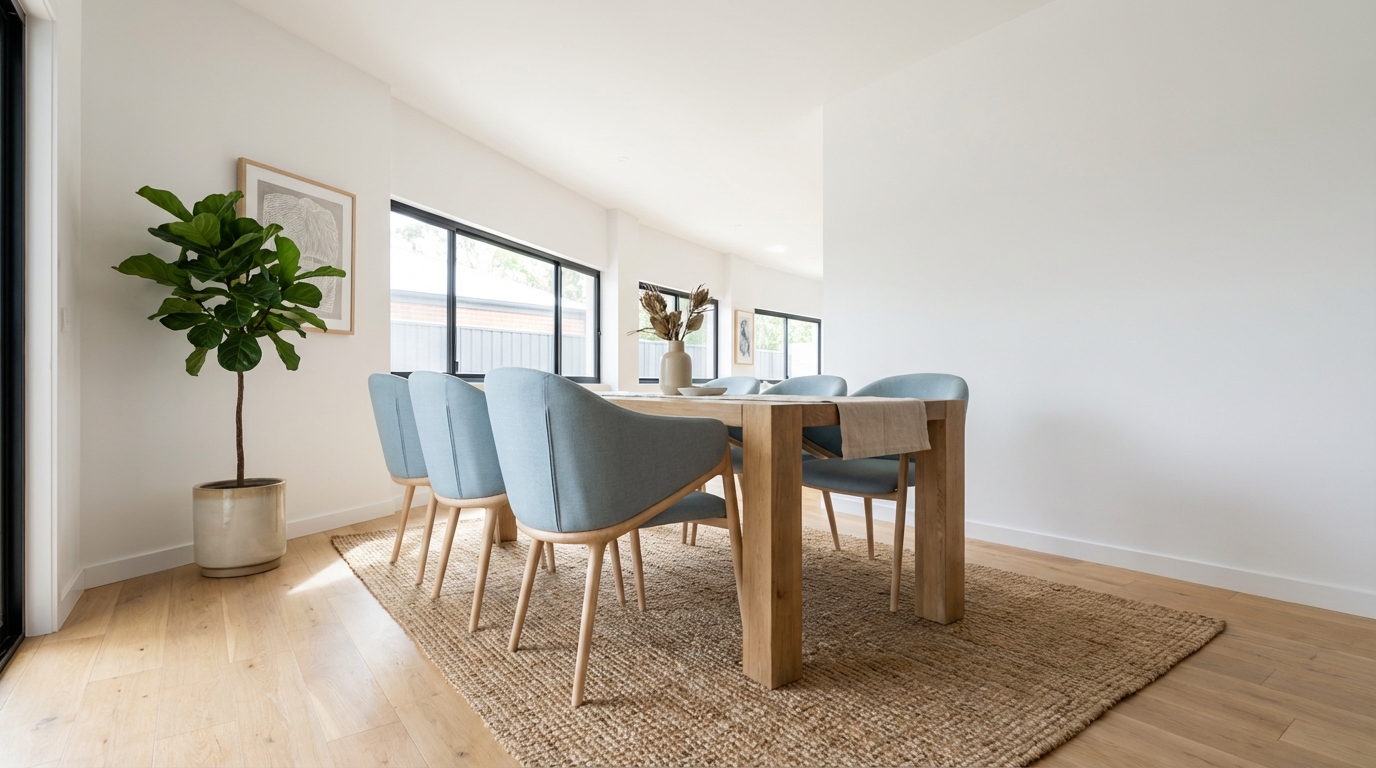
Light wood tones, white walls, cozy textiles, and functional furniture define the scandinavian living room. This style prioritizes warmth and comfort while keeping the space bright and airy. Think soft wool throws, minimal shelving with curated objects, and plenty of natural light. Scandinavian design is one of the most searched living room decor ideas because it suits apartments of any size.
Mid-Century Modern
Organic curves, tapered legs, rich wood tones, and bold accent colors. Mid-century modern living room furniture, like Eames-inspired lounge chairs and walnut credenzas, has been trending for over a decade because it blends timeless elegance with everyday comfort. This style pairs well with both large open-plan living rooms and compact urban spaces.
Japandi
A fusion of Japanese minimalism and Scandinavian warmth, Japandi is one of the fastest-growing living room interior design trends. Low-profile furniture, natural materials like rattan and linen, muted earth tones, and an emphasis on craftsmanship over decoration. Japandi living rooms feel serene, intentional, and quietly luxurious.
Warm Contemporary
If you want a modern living room that still feels inviting, warm contemporary is the answer. It takes the clean lines of modern design and layers in warm textures, boucle sofas, travertine coffee tables, warm-toned wood, and ambient lighting. This style dominates interior design magazines and social media in 2026 because it feels both stylish and livable.

How to Plan Your Living Room Layout
The best living room design starts with a smart layout. Before shopping for furniture, you need to understand your space and how you will use it. Here is a practical approach:
1. Start with Your Floor Plan
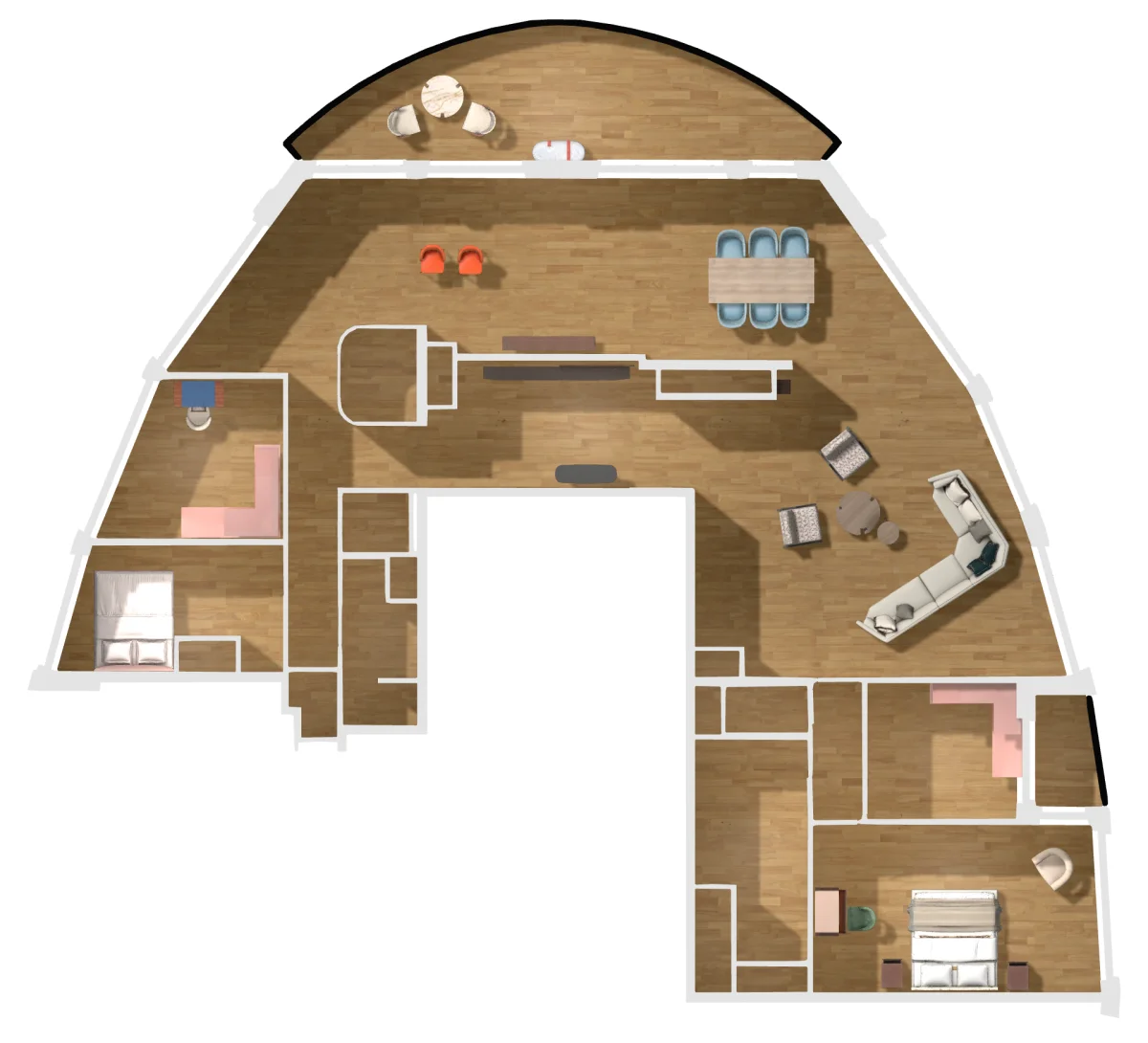
Measure your living room or use your apartment floor plan. Knowing the exact dimensions of your space prevents the biggest mistake in living room interior design , buying furniture that is too big or too small for the room. With MeltFlex, you can upload your floor plan and see your living room as a 3D model with accurate dimensions instantly.
2. Define Your Focal Point
Every well-designed living room has a focal point, a fireplace, a large window with a view, a media wall, or a statement piece of art. Arrange your main seating to face or frame this focal point. If you do not have an obvious one, create it with a feature wall, a large bookshelf, or a bold piece of living room furniture.
3. Create Conversation Zones
Sofas and chairs should face each other, not the walls. In larger rooms, create multiple conversation zones: a main seating area around the focal point and a secondary area for reading or a home office nook. For small living room ideas, a single well-proportioned conversation zone is often all you need.
4. Plan Traffic Flow
Leave clear pathways between furniture and doorways. The standard rule is 90 cm (about 3 feet) for main walkways and 60 cm for secondary paths. A 3D room design tool makes it easy to test this, you can see exactly how much space remains between furniture pieces before you commit.
Small Living Room Ideas That Actually Work
Designing a small living room is one of the most common room interior design challenges. Here are proven strategies that make compact spaces feel bigger and more functional:
Choose furniture with visible legs. Sofas and chairs that sit on legs instead of directly on the floor create visual lightness. You can see the floor beneath them, which tricks the eye into perceiving more space. This is the single most effective small living room idea that interior designers recommend.
Use light colors on walls and ceilings. White, light grey, and soft cream reflect more light and make walls feel further away. If you want color, use it in accent pillows, throws, or a single accent wall rather than painting the entire room. With MeltFlex, you can test different wall colors in your 3D model before painting.
Go vertical. When floor space is limited, use your walls. Tall bookshelves, wall-mounted shelving, and hanging planters draw the eye upward and create storage without taking up floor area.
Pick multifunctional furniture. A coffee table with storage, a sofa bed for guests, or an ottoman that doubles as seating and storage. In small spaces, every piece of living room furniture should earn its place.
Add mirrors strategically. A large mirror opposite a window reflects natural light and creates the illusion of depth. This classic trick works in any living room design style.
Living Room Furniture Essentials
Regardless of your style, every living room needs a core set of furniture. Here is what to prioritize when planning your living room interior design:
Sofa. This is the biggest investment and the anchor of your living room. Choose based on room size: a 2-seater for small rooms, a 3-seater for medium rooms, and an L-shaped sectional for larger open-plan spaces. Make sure to measure, the number one furniture buying mistake is getting a sofa that is too big for the room.
Coffee table. Choose a coffee table that is roughly two-thirds the length of your sofa and at the same height as the seat cushions. Round tables work better in small spaces because they have no sharp corners and allow easier movement around them.
Side tables and lighting. A side table next to the sofa with a table lamp creates a functional reading spot and adds ambient lighting. In a modern living room, floor lamps and pendant lights can replace traditional table lamps for a cleaner look.
Storage. TV stands, bookshelves, or sideboards keep the living room organized. Open shelving displays your personality; closed storage hides the clutter. The best living room design balances both.
Accent seating. An armchair, accent chair, or pair of chairs adds flexibility and visual interest. Choose a chair in a different texture or color than your sofa to create contrast.
Living Room Decor Ideas on a Budget
You do not need a large budget to create a beautiful living room design. Here are high-impact living room decor ideas that cost little but transform the space:
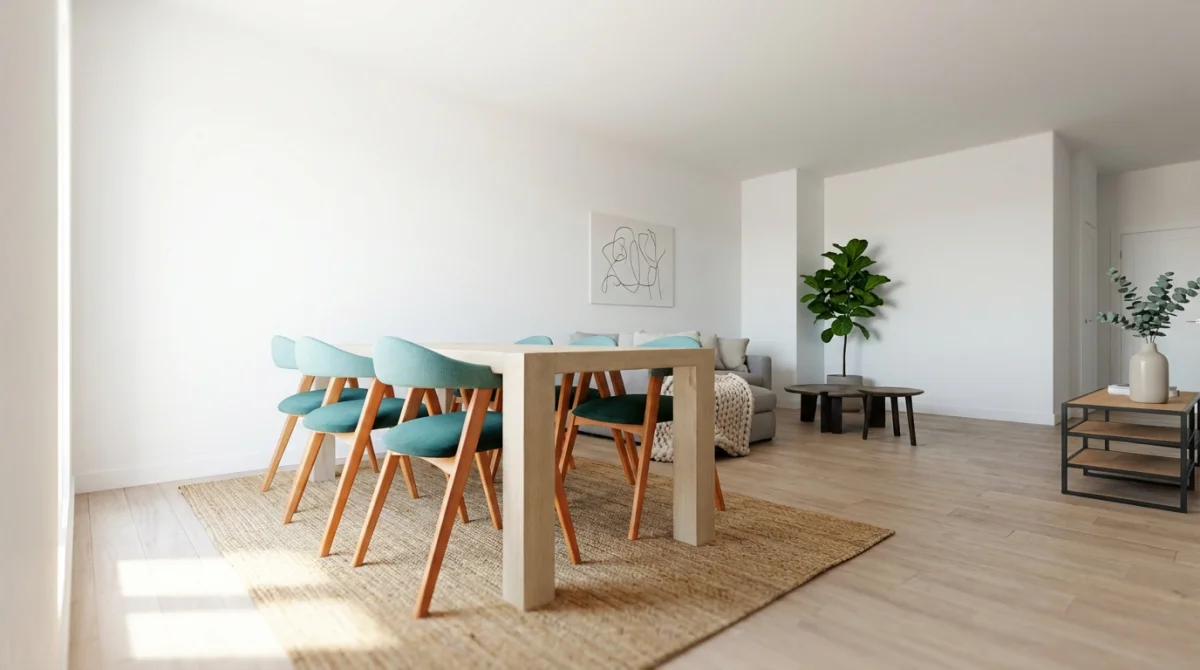
Textiles. New throw pillows, a cozy blanket, and fresh curtains can completely change the mood of a living room. This is the fastest and cheapest way to update your living room interior design with the seasons.
Plants. A large fiddle leaf fig in the corner, a trailing pothos on a shelf, or a cluster of small succulents on the coffee table. Plants add life, color, and texture to any living room design style, and they improve air quality.
Art and wall decor. A gallery wall of framed prints, a single oversized piece of art, or a woven wall hanging adds personality without taking up floor space. Choose pieces that complement your color palette.
Lighting. Replace harsh overhead lights with warm-toned bulbs. Add a floor lamp behind the sofa and candles on the coffee table. Good lighting is the most underrated element of room interior design, it changes how every color and texture in the room looks.
Flooring. A new area rug can define your seating zone, add warmth, and tie the color scheme together. Choose a rug large enough that the front legs of your sofa sit on it. MeltFlex lets you test different flooring materials in your 3D model, from hardwood to tile to carpet, so you can see exactly how each option looks in your actual living room.
How to Design Your Living Room with AI
The traditional approach to living room interior design involves hiring a designer, waiting weeks for mood boards, visiting dozens of showrooms, and hoping that everything looks as good in real life as it did in your imagination. In 2026, AI interior design tools eliminate all of that guesswork.
Here is how to design your living room with AI using MeltFlex:
Step 1: Upload your floor plan. Take a photo of your apartment floor plan, architect drawing, or even a hand sketch. The AI automatically detects rooms, walls, doors, and windows and converts your 2D plan into an interactive 3D room design.
Step 2: Furnish your living room. Browse real living room furniture from curated brands, sofas, coffee tables, shelving, lighting, and more. Every piece has real prices and dimensions. Place furniture directly in your 3D living room and see exactly how it fits at real-world scale.
Step 3: Customize materials. Change wall colors, swap flooring materials (hardwood, tile, carpet, stone), and adjust door and window styles. Test different combinations instantly, no painting, no samples, no commitment.
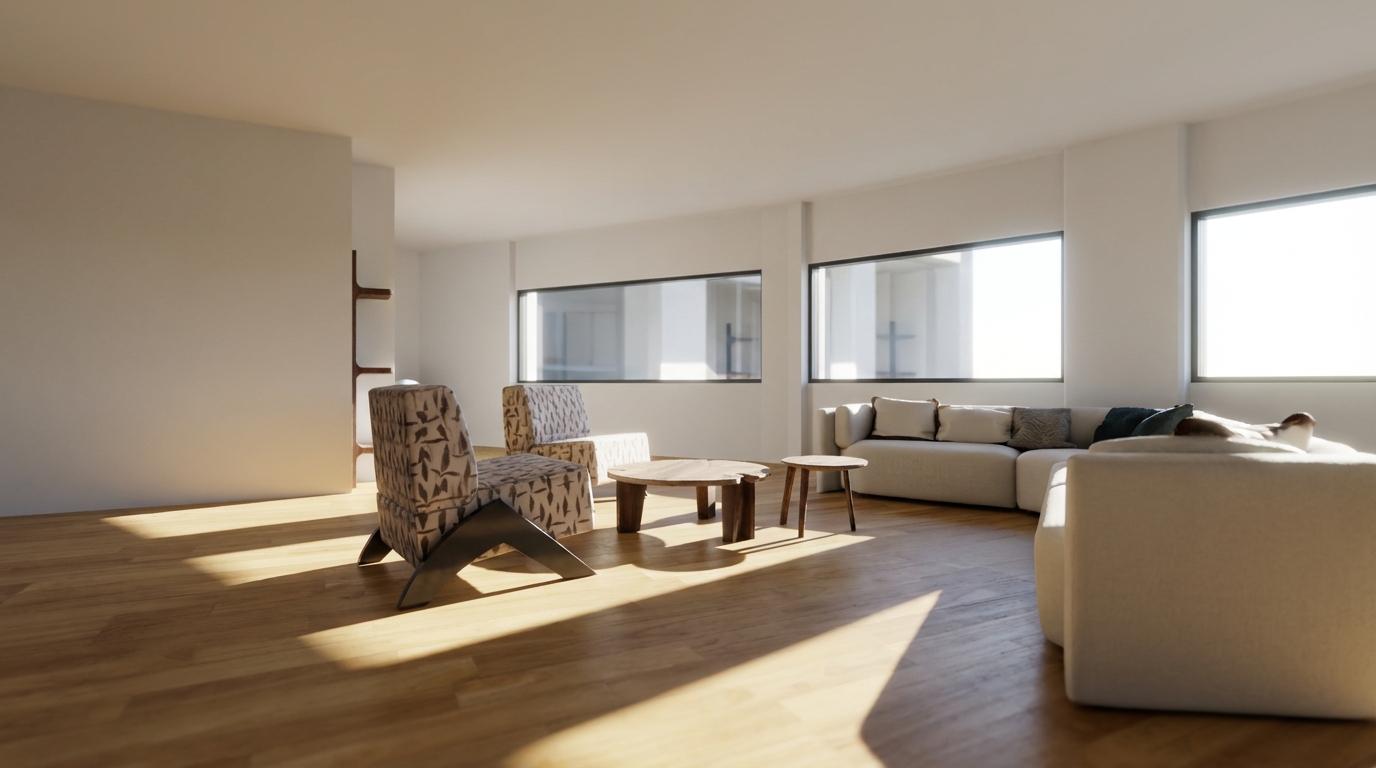
Step 4: Generate photorealistic renders. With one click, generate photorealistic images of your living room with natural lighting, realistic shadows, and true-to-life textures. These 3D rendering interior design images look like professional interior photography, and every item in them is shoppable.
The entire process takes minutes. You can try dozens of different living room design layouts, color schemes, and furniture combinations without spending anything. When you find the design you love, you can purchase every piece of furniture directly through the platform.
Living Room Design Mistakes to Avoid
Even with the best intentions, there are common living room interior design mistakes that can make your space feel off. Here are the ones to watch out for:
Pushing all furniture against the walls. This is the most common mistake, especially in small living rooms. It actually makes the room feel smaller and less inviting. Instead, float your sofa away from the wall and create a cozy conversation zone in the center. Use a 3D room design tool to test this, you will be surprised how much better it looks.
Choosing a rug that is too small. A rug that sits entirely under the coffee table, with all the furniture around it, makes the room feel disjointed. The rug should be large enough that at least the front legs of the sofa sit on it.
Ignoring lighting layers. A single overhead light creates flat, unflattering illumination. Layer your lighting: ambient (overhead or recessed), task (reading lamps), and accent (candles, LED strips behind shelves). This is especially important for modern living room designs where lighting sets the entire mood.
Buying furniture without measuring. That beautiful sectional you found online might not fit through your doorway, or it might overwhelm the room once inside. Always measure first. Better yet, place it in a 3D model of your room before buying to see exact proportions and scale.
Overcrowding the space. Every room needs breathing space. If you have to squeeze between furniture to walk through your living room, you have too much in it. Edit ruthlessly, a well-curated room with fewer pieces always looks better than a room stuffed with bargains.
Start Designing Your Living Room Today
Whether you are moving into a new apartment, renovating your current space, or just want a refresh, your living room interior design project starts with seeing your space clearly. Upload your floor plan to MeltFlex, explore your living room in 3D, place real furniture, and generate photorealistic renders to see exactly what your new living room will look like.
No design experience needed. No cost to start. Just your floor plan and a few minutes. Try MeltFlex free and turn your living room design ideas into reality.
Frequently Asked Questions
What is the best way to design a living room?
Start with your floor plan and room dimensions. Define the purpose of the space, choose a focal point, and plan furniture placement around it. AI interior design tools like MeltFlex let you upload your floor plan and design your living room in 3D with real furniture, so you can see exactly how everything fits before buying.
How can I design my living room with AI for free?
Upload your floor plan to MeltFlex and the AI converts it into an interactive 3D room design. Place real living room furniture from curated brands, change wall colors and flooring materials, and generate photorealistic renders, all completely free.
What are the best living room design styles in 2026?
The most popular living room interior design styles in 2026 are modern minimalist, Scandinavian, mid-century modern, japandi, and warm contemporary. Each can be visualized in 3D using AI interior design tools like MeltFlex before you commit to any purchases.
How do I make a small living room look bigger?
Use light wall colors, choose living room furniture with visible legs, add mirrors opposite windows, maximize natural light, and avoid blocking sightlines. A 3D room design tool helps you test different layouts and furniture sizes to find the optimal arrangement for your small living room before committing to any purchases.
Can AI help me choose living room furniture?
Yes. MeltFlex lets you browse real furniture from curated brands and place them in a 3D model of your actual living room. You can see exact proportions, swap options instantly, and generate photorealistic 3D rendering interior design images to compare choices, all for free.
For more design inspiration, see how we redesigned one room 4 different ways with real costs, or explore how to arrange furniture in a living room for the right layout before buying anything. If you are working within a budget, our living room furnishing cost guide breaks down real prices for every style. Share the room with a dog or cat? Our pet-friendly design guide covers the fabrics and colors that survive them without looking like it.

