IKEA is the largest furniture retailer on the planet. 500+ stores across 63 countries. $49 billion in annual revenue. A 7.5% share of the entire global furniture market. More than 110 million BILLY bookcases sold since 1979. Over 30 million POANG chairs in living rooms around the world.
And yet IKEA furniture has a reputation problem. People assume it all looks the same, falls apart in two years, and screams first apartment. That is not true in 2026. IKEA has quietly evolved, and the people who make IKEA look incredible do one thing differently from everyone else.
Watch: see IKEA-style pieces in your room first
The trick with IKEA is placement and mix, not the price tag. Here is MeltFlex restyling a real room and showing real, shoppable furniture, the fastest way to see how a few well-placed pieces read in your own space before you drive to the store.

MeltFlex restyling a room with real furniture, preview an IKEA-style look first.
The 60/40 Rule: How Designers Actually Use IKEA

Professional interior designers do not furnish rooms with 100% IKEA. They also do not skip IKEA entirely. What they do, almost universally, is the 60/40 split: 60% of the furniture budget goes to IKEA basics that nobody looks at closely (storage, bed frames, shelving, basic tables) and 40% goes to one or two statement pieces from mid range brands that people actually notice (an accent chair, lighting, a headboard, a rug).
A 2025 survey by Apartment Therapy found that 78% of professional designers use IKEA in client projects, but 91% of those designers pair it with at least one non IKEA accent piece. The reason is simple economics: IKEA does functional furniture better than anyone at the price. But functional furniture alone does not create a feeling.
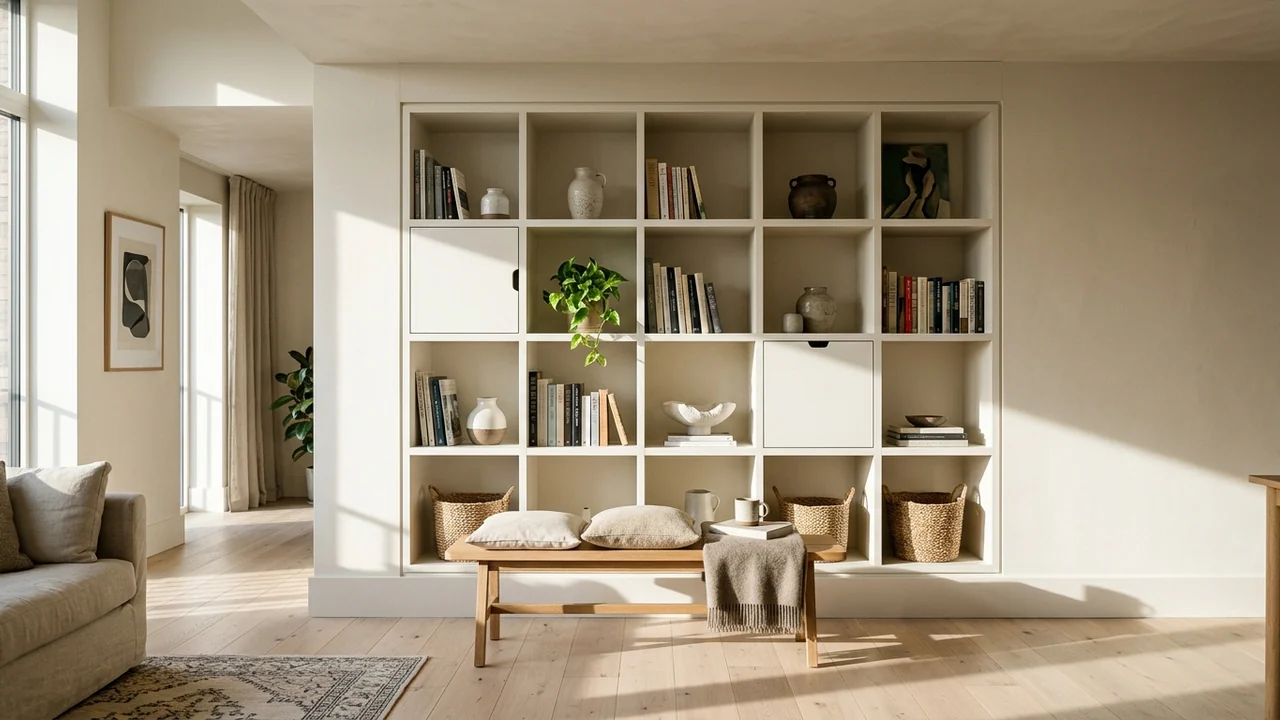
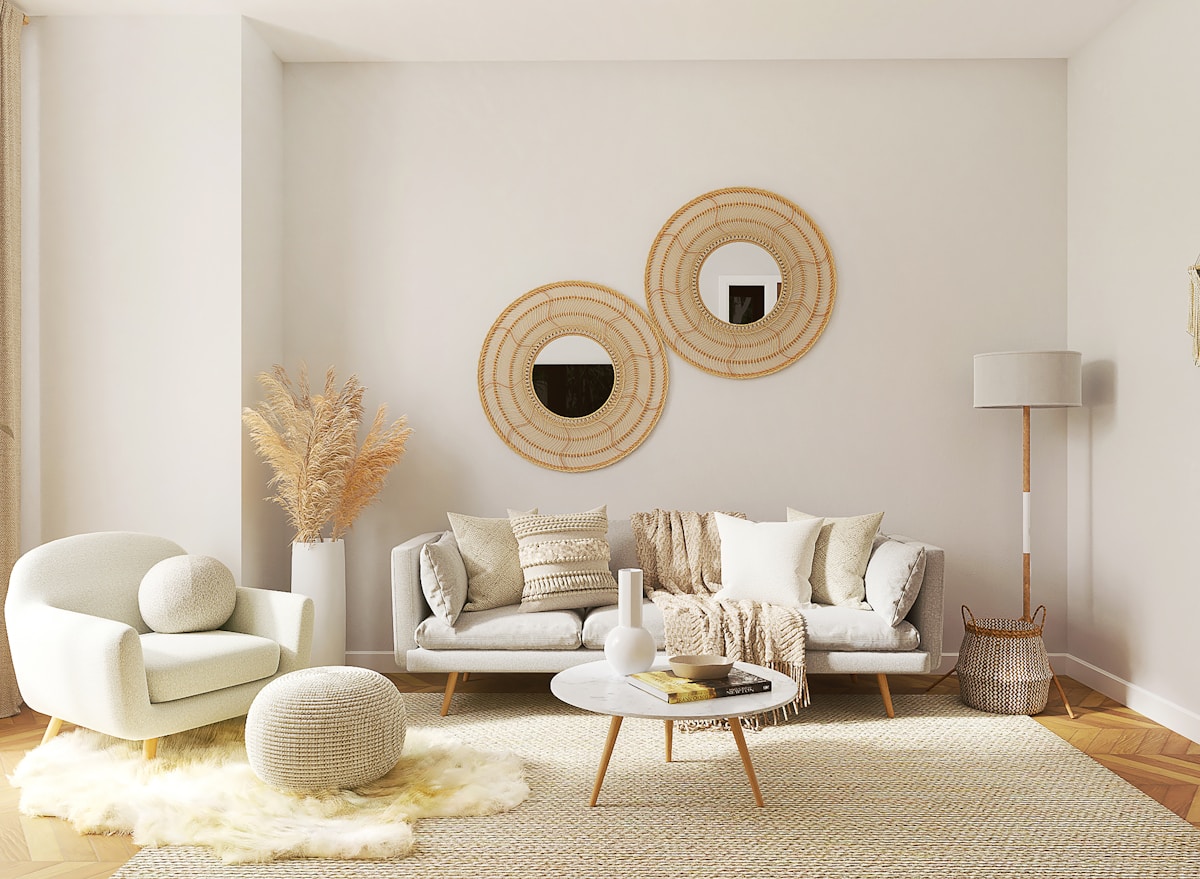
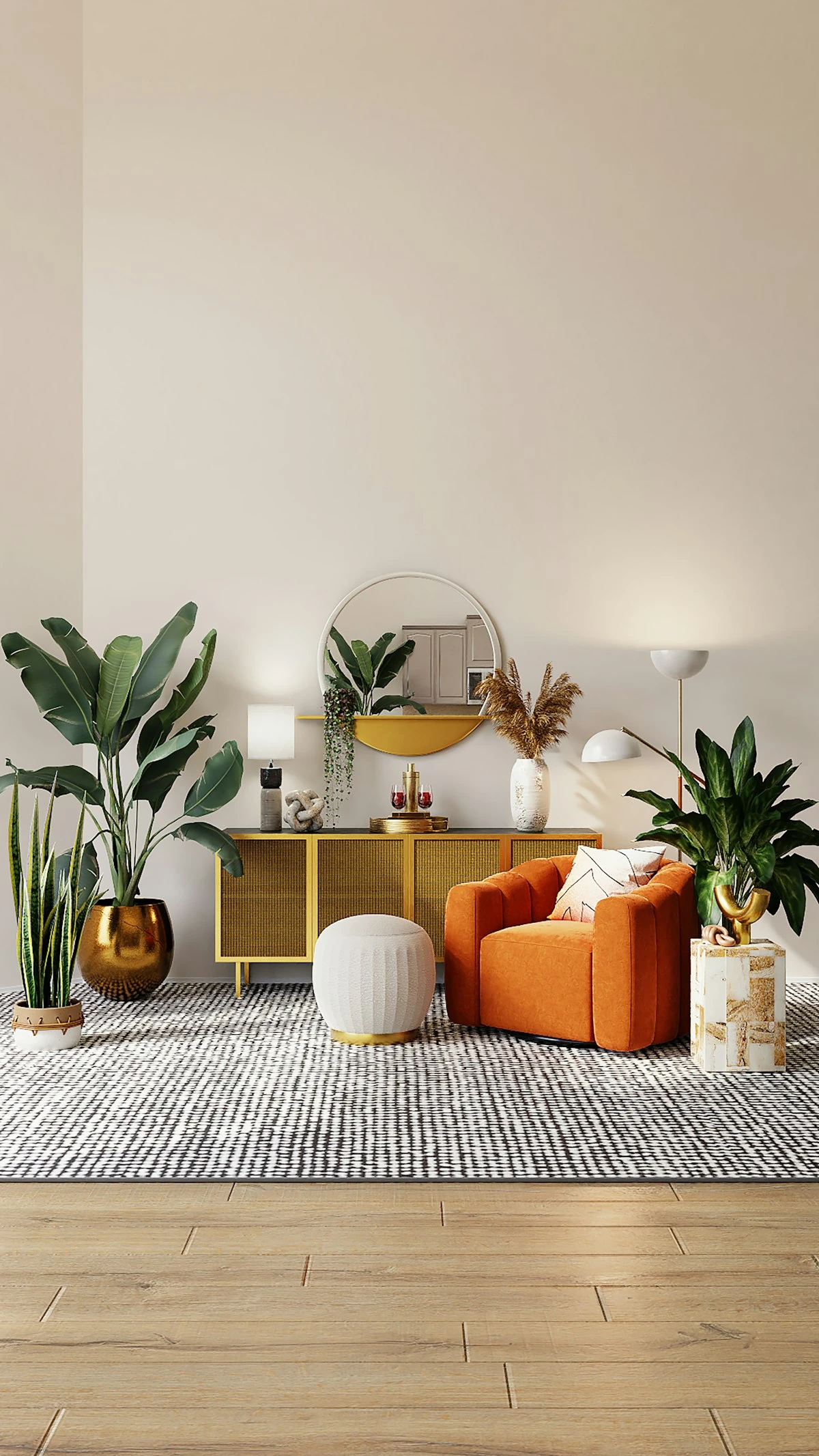
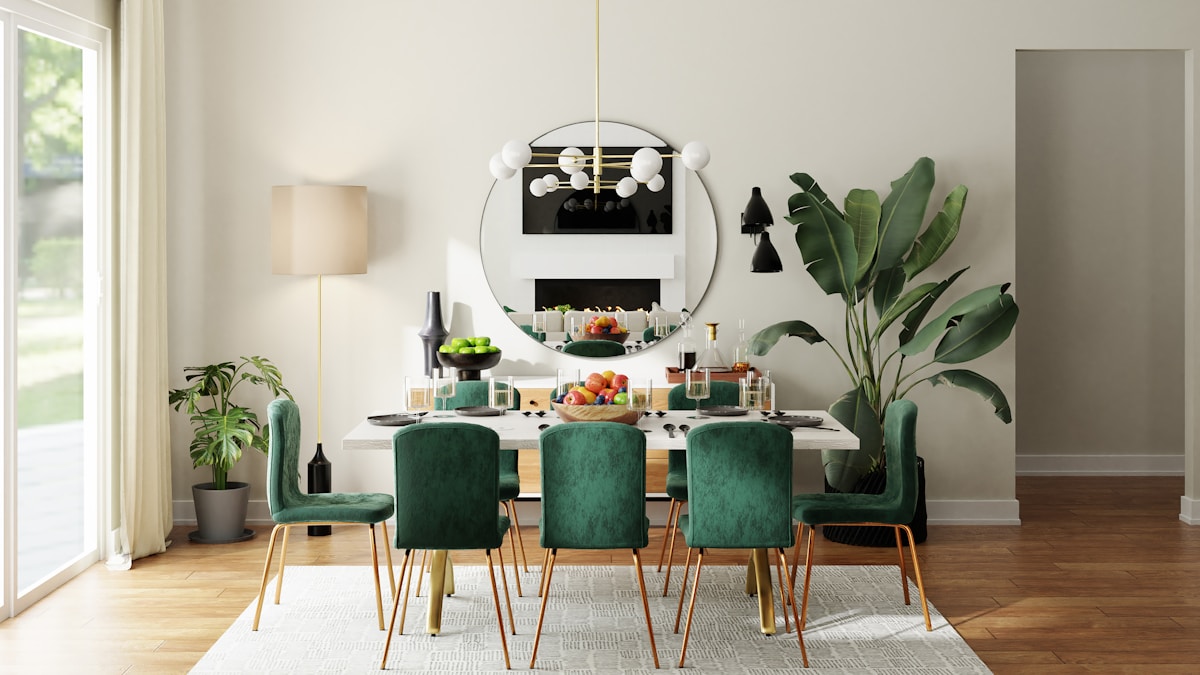
In this room, the shelving, dining table, and basic storage could all be IKEA (KALLAX at $89, LISABO table at $249). But the accent chair, the pendant lights, and the rug are mid range pieces that create the character. Total room cost: $2,400 to $3,800. An all designer version of this room would run $8,000 to $12,000.
The other way to close that gap is to make the cheap 60% stop looking cheap. Boxing a run of KALLAX or PAX into the wall with fillers and paint is the highest leverage version of that, and our guide to IKEA hacks costs out twelve of them with current US prices.
IKEA Bedroom for Under $1,000
This bedroom setup costs $780 and looks like a boutique hotel. Here is the exact breakdown:
- MALM bed frame in oak veneer, queen: $299
- MALM nightstands (pair): $79 each ($158 total)
- NYMANE reading lamps (pair): $34 each ($68 total)
- DVALA duvet cover set, white: $34
- STOENSE rug, low pile, 170x240cm: $149
- SMYCKA artificial plant: $12
- FEJKA potted plant: $10
- GURLI throw blanket: $15
- RINNIG hand towels as accent textiles: $8
Total: $753, rounded up to account for tax. Under $800 for a complete bedroom that photographs like a $3,000 setup. The trick: everything is in the same color family (oak and white), and there is one texture layer (the knit throw) that prevents the room from looking flat.
The $20 Upgrade That Changes Everything

The single cheapest way to make IKEA furniture look expensive: replace the hardware. Brass or matte black cabinet pulls cost $2 to $5 each on Amazon. Swap the standard MALM dresser knobs for brushed brass pulls and the piece instantly looks like it costs three times as much.
IKEA Hackers, the community of 2.4 million IKEA modifiers, reports that hardware swaps are the most popular IKEA hack by volume. Second most popular: adding legs to KALLAX units to lift them off the floor ($15 to $30 for a set of four legs).
Other sub $50 upgrades that designers recommend:
- Contact paper on MALM drawer fronts: walnut or marble vinyl, $12 for enough to cover one dresser
- Brass legs on KALLAX: $28 for a set of four from Amazon, turns a $89 shelf into something that looks built in
- LED strip behind BILLY bookcase: $15 for warm white LED tape, makes any bookshelf look like it was designed by an architect
- Leather pulls on BESTA: $18 for a set, instant Scandinavian upgrade
Why 1 in 4 IKEA Purchases Get Returned
IKEA does not publish official return rates, but industry data tells the story. A 2025 Consumer Reports survey found that 23% of IKEA customers returned or exchanged at least one item in the past year. The furniture industry average is 15% for in store purchases and up to 25% for online.
The top three reasons for IKEA returns, consistent across all furniture retailers:
- Did not fit the space (38%). That 3 seat EKTORP looked fine in the 50 square meter IKEA showroom. In a 14 square meter apartment living room, it blocks the balcony door.
- Color looked different at home (27%). IKEA showrooms use 3000K warm white lighting. Your apartment might have 4000K cool white or bright north facing daylight. The birch veneer that looked warm and golden in store looks pale and cold at home.
- Did not match existing pieces (19%). That new oak HEMNES dresser clashes with your existing walnut bed frame because oak and walnut are different wood tones that rarely mix well.
IKEA allows returns within 365 days, which is generous. But that means hauling a 40kg flatpack back to the store, waiting in the returns line, and losing a Saturday afternoon. The real cost of a wrong IKEA purchase is not money. It is time.
The faster alternative: upload a photo of your room to MeltFlex, select furniture from IKEA and other brands, and see it placed in your actual room at correct scale. If the EKTORP blocks the balcony door in the AI render, it will block it in real life. You see the problem in 30 seconds instead of after a 90 minute drive to the store and a 3 hour assembly.
Try IKEA Furniture in Your Room
Take a phone photo of any room. Upload it. Choose a style. AI places real furniture with accurate dimensions. You see exactly how a MALM bed frame or KALLAX shelf unit looks in your space before you drive to the store.
See furniture in your room, free →
Related: furniture arrangement guide, modern design 2026, first apartment checklist, and Scandinavian design.