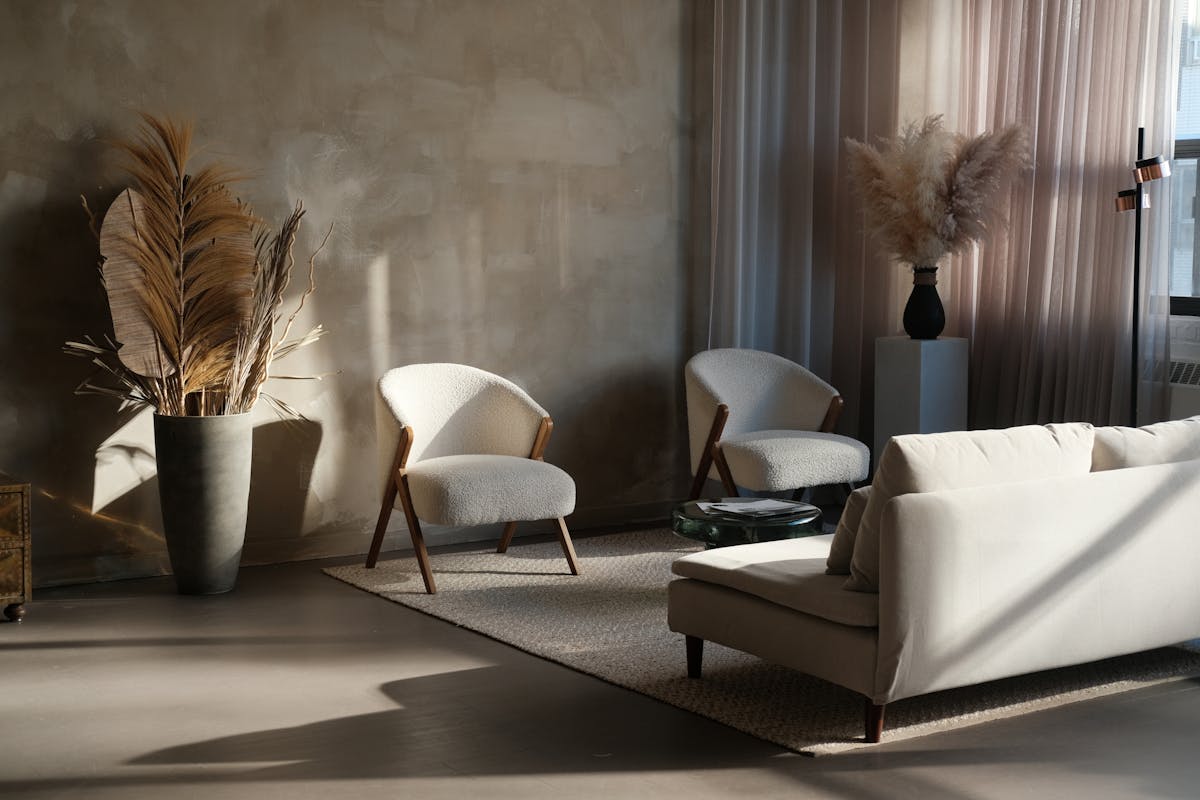
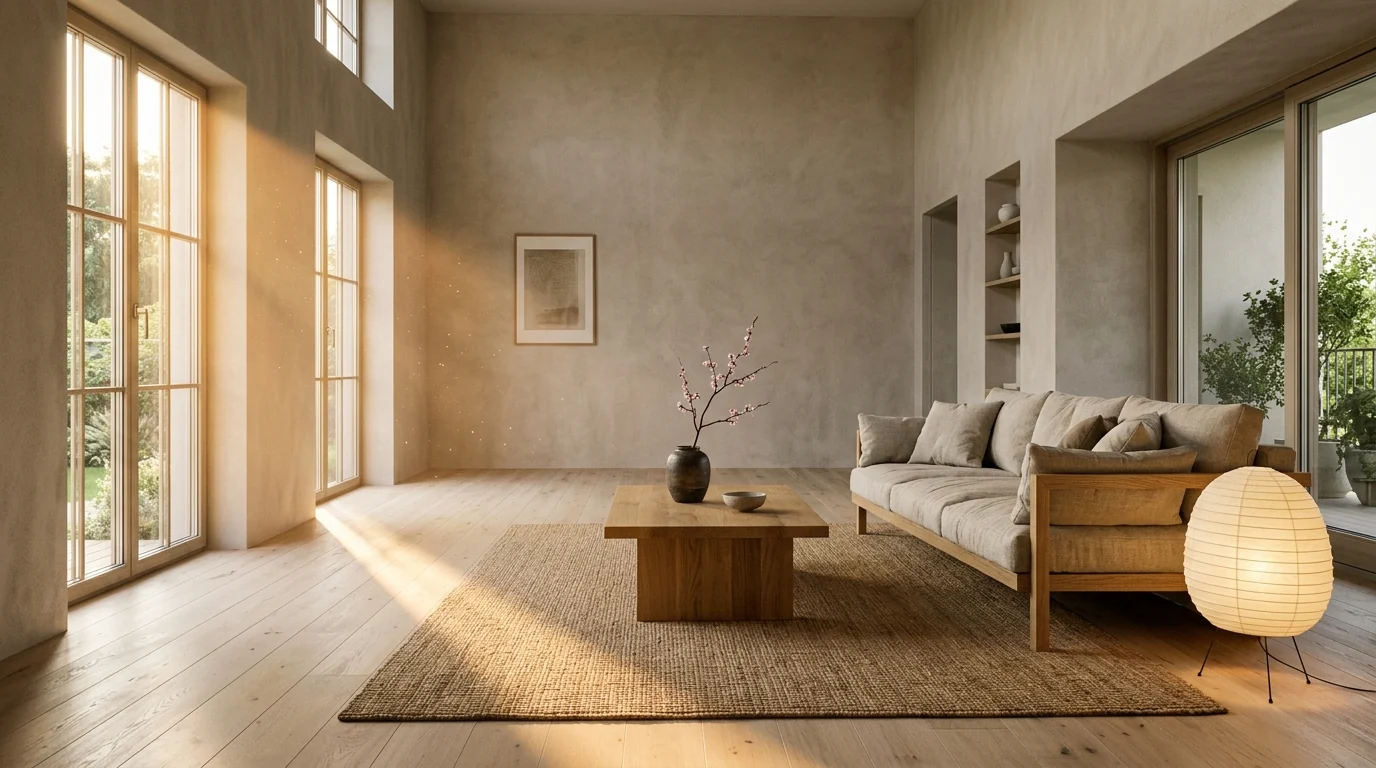
Scandinavian Interior Design: The Complete Guide to Nordic Style in 2026

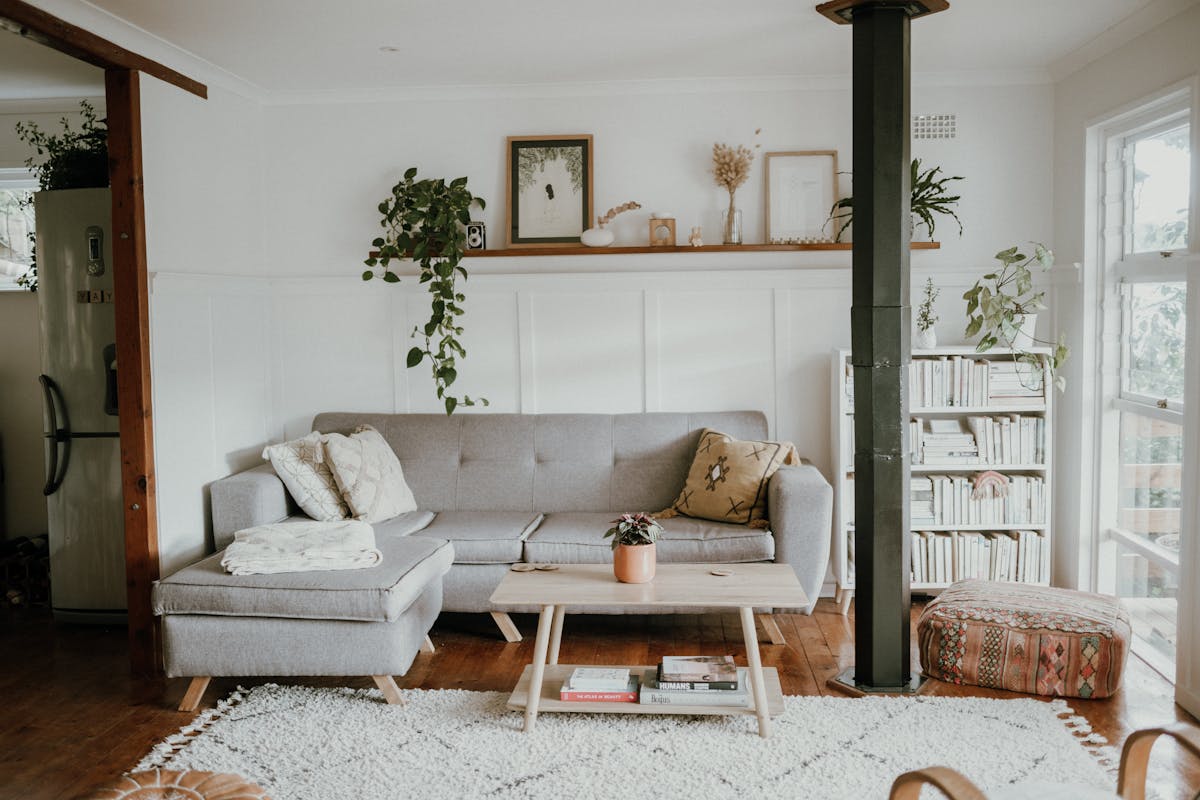
Short answer: Scandinavian interior design rests on five ideas: light and airy space, natural materials like pale wood and wool, a neutral palette warmed with soft texture, functional and clutter-free furniture, and cozy hygge lighting. In 2026 the look has shifted warmer, with deeper earth tones and richer textiles. This guide breaks down the principles, the palette, and room-by-room ideas, and shows how to preview the look in your own space with MeltFlex.
Our articles are still written by humans!
Get human written articles in your Google feed.
Scandinavian interior design has been one of the most popular styles in the world for over a decade, and in 2026 it is still going strong. But the style has evolved. What started as stark white walls and bare minimalism has grown into something warmer, more textured, and more personal.
This guide covers everything you need to know about Scandinavian design: the core principles that define the style, room-by-room ideas for your home, the exact color palettes and materials to use, the 2026 trends reshaping Nordic interiors, and how to visualize the entire look in your own space using AI before you spend a thing.
 FreeUpload photo · freeRedesign my room in ScandinavianUpload a photo of your room and MeltFlex restyles it in Scandinavian, with furniture that fits the space. Your first AI design is free, no card needed.
Watch: Scandinavian Design Explained by a Scandinavian
Few people explain the feel of Nordic interiors better than someone who grew up with them. In this widely watched video, Swedish creator SagaJohanna walks through the styling habits that make a room read as genuinely Scandinavian, which is the perfect primer before the principles below.

Video: “Scandinavian Interior Design Tips & Secrets, explained by a Scandinavian” by SagaJohanna.
What Makes Scandinavian Design Scandinavian
Scandinavian interior design comes from a simple idea: your home should be functional, beautiful, and comfortable without excess. It originated in Denmark, Sweden, Norway, and Finland in the 1950s as a response to ornate, expensive design traditions. Nordic designers wanted furniture and interiors that regular people could afford and actually enjoy living with.
That philosophy still drives the style today. Every piece in a Scandinavian room earns its place. There is no clutter for decoration's sake. Instead, you get clean lines, natural materials, functional furniture, and a focus on light. The result is a space that feels open, calm, and effortlessly put together.
The 5 Core Principles of Scandinavian Design
1. Light Is Everything
Nordic countries experience long, dark winters with very few hours of daylight. That reality shaped the entire design philosophy. Scandinavian interiors are engineered to maximize natural light: white walls reflect it, large windows let it in, and sheer curtains (or no curtains at all) keep it flowing.
When natural light is not available, warm artificial lighting takes over. Table lamps, floor lamps, and candles replace harsh overhead fixtures. A typical Scandinavian living room might have five or six light sources, none of them on the ceiling. The goal is soft, layered light that makes the room feel warm even on the darkest January evening.
2. Function Before Decoration
Every item in a Scandinavian room has a purpose. The coffee table holds your books and your morning cup. The shelf stores things you actually use. The sofa is built for sitting, not just for looking at.
This does not mean the space is boring or sterile. It means that beauty comes from the objects you use daily, not from objects you add purely for display. A well-designed kettle on the counter is more Scandinavian than a decorative vase you never touch.
3. Natural Materials and Textures
Wood is the backbone of Scandinavian interiors. Light-toned oak, birch, ash, and pine appear on floors, furniture, shelving, and accessories. Alongside wood, you will find linen, wool, cotton, leather, stone, and ceramic. These are materials that age well and feel good to touch.
The texture mix is what separates good Scandinavian rooms from bland ones. A smooth oak table next to a rough linen curtain next to a soft wool throw creates visual interest without adding clutter or color. Texture does the work that pattern does in other styles.
4. A Neutral Palette with Strategic Warmth
The classic Scandinavian palette starts with white or off-white walls and adds warmth through wood tones, soft greys, and one or two muted accent colors. The most common accent colors in Nordic homes are dusty rose, sage green, slate blue, warm terracotta, and mustard yellow.
The key word is "muted." Scandinavian accents are never loud. They are the color of a forest at dusk, not a forest in a children's book. This restraint is what gives the palette its signature calm.
5. Hygge: Designed for Comfort
Hygge (pronounced "hoo-gah") is the Danish concept of coziness and contentment. It is the feeling of curling up with a blanket and a warm drink while rain hits the window. In design terms, hygge translates to soft throws on the sofa, candles lit in the evening, a thick rug underfoot, and furniture that invites you to sit down and stay a while.
This is the element that separates Scandinavian design from cold minimalism. Minimalism can feel like a museum. Scandinavian design feels like a home.
The Scandinavian Color Palette for 2026
Classic Nordic Colors
- Walls: White, warm white (not blue-white), light warm grey, soft greige
- Floors: Natural oak, whitewashed pine, light ash
- Furniture: White, natural wood, light grey upholstery
- Accents: Dusty rose, sage green, muted blue, ochre, charcoal
Warm Scandi (2026 Trend)
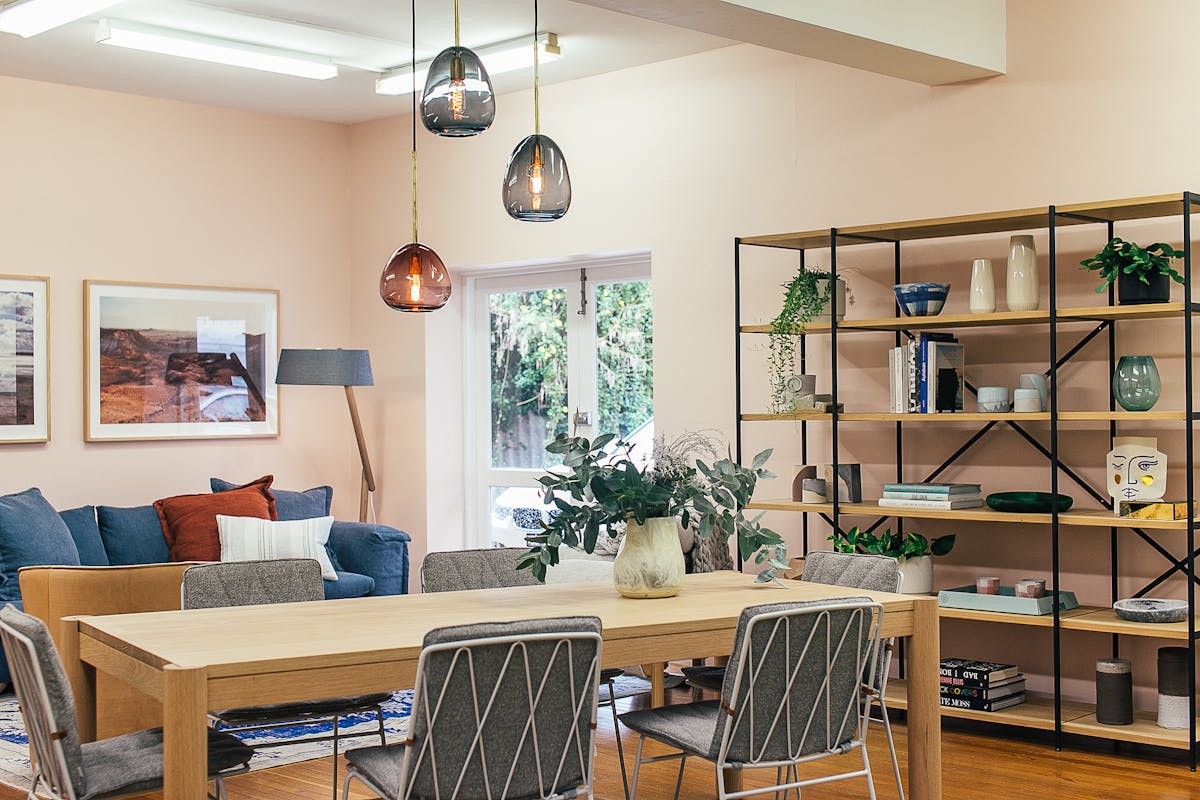
The biggest evolution in Scandinavian design right now is the shift toward warmth. Pure white walls are being replaced by cream, warm linen, and soft beige. Cool grey is giving way to greige and warm taupe. And natural wood tones are richer, with more honey oak and walnut than bleached pine.
- Walls: Cream, warm linen, soft sand, light clay
- Floors: Honey oak, natural walnut, warm-toned engineered wood
- Textiles: Boucle, teddy fabric, chunky knit throws, linen in earthy tones
- Accents: Terracotta, rust, burnt sienna, olive green
Dark Scandi (2026 Trend)
On the opposite end, some Nordic designers are embracing darker palettes while keeping the core Scandinavian principles intact. Dark Scandi uses deep, moody colors like charcoal, forest green, and navy as the base, then layers in the same natural textures and warm lighting that define the classic style.
- Walls: Charcoal, deep forest green, dark navy, warm black
- Floors: Dark stained oak, smoked wood, dark grey concrete
- Furniture: Black metal frames, dark wood, dark leather, deep grey upholstery
- Accents: Brass, gold, amber glass, cream textiles for contrast
Room-by-Room Scandinavian Design Guide
Scandinavian Living Room
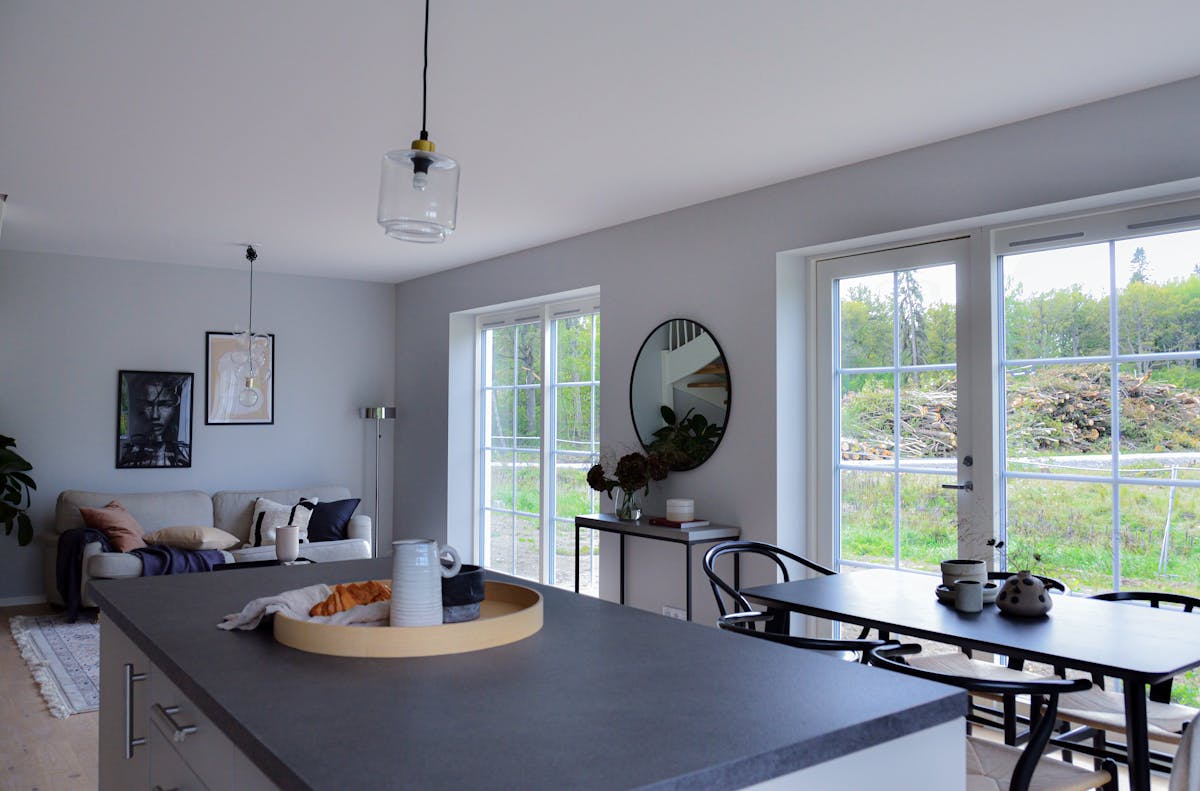
The living room is the heart of a Scandinavian home, and it should feel like it. Start with a comfortable, simple sofa in light grey, white, or cream. Place it on a natural wool or jute rug. Add a coffee table in light oak or with a marble top. Keep surfaces mostly clear, with one or two books, a candle, and maybe a small plant.
Lighting matters most in the living room. Use a statement floor lamp next to the sofa, a table lamp on a side table, and candles on the coffee table. No overhead spotlights. The room should feel like it glows from within, not like it is lit from above.
- Key furniture: Low-profile sofa, oak coffee table, one accent armchair, open-frame bookshelf
- Textiles: Wool throw, linen cushions in muted tones, natural fiber rug
- Lighting: Arc floor lamp, 2-3 candles, one table lamp
- Budget: $1,500-$4,000 for a full living room, $300-$600 for a refresh
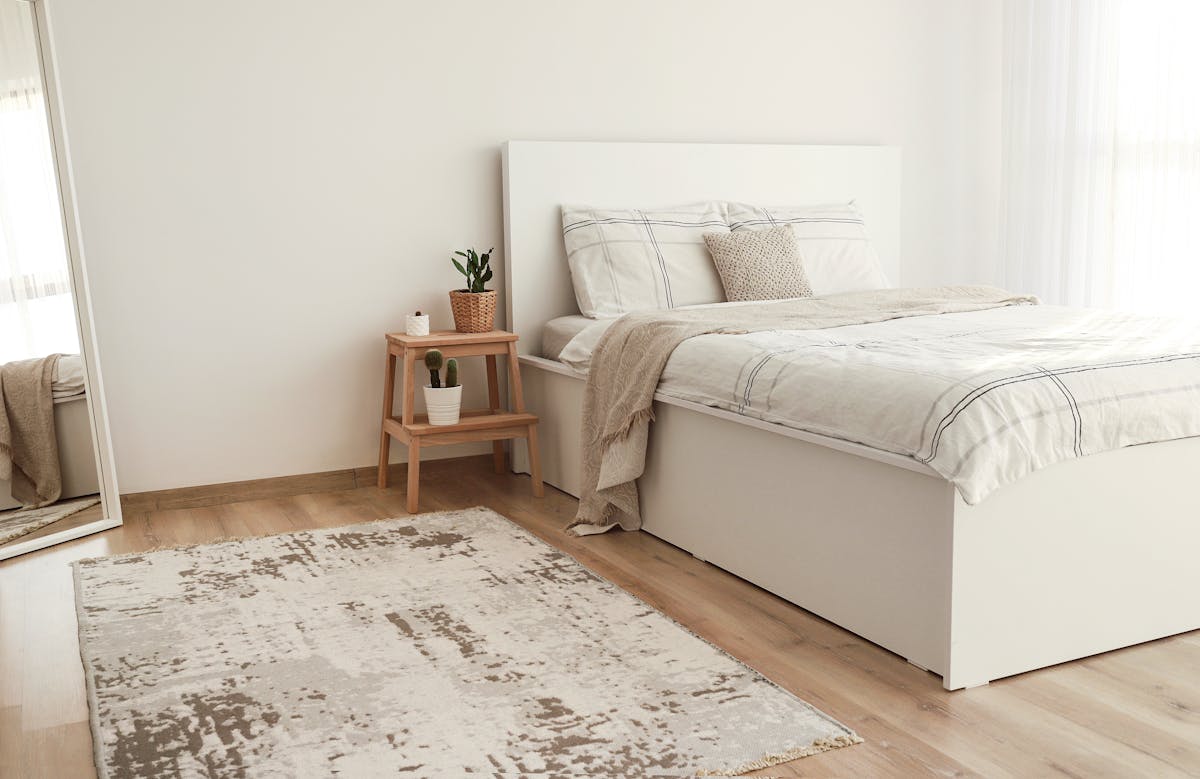
Scandinavian Bedroom
A Nordic bedroom is all about rest. The bed is the focus, kept simple with white or linen bedding and minimal pillows (two per person, no decorative pile). A light wood bed frame or an upholstered headboard in soft grey works well.
Nightstands should be functional, not fussy. A simple stool or small side table works better than an ornate piece. One reading lamp per side of the bed. And keep the floor clear, with maybe one soft rug beside the bed for bare feet in the morning.
- Key furniture: Simple bed frame (oak or upholstered), one nightstand per side, dresser with clean lines
- Textiles: Linen duvet cover, waffle-knit throw, cotton or wool rug
- Colors: White, warm grey, soft blue, or warm linen for the bedding. Walls stay white or very light.
- Budget: $1,200-$3,000 full bedroom, $200-$500 for a bedding and lighting refresh
Scandinavian Kitchen
Scandinavian kitchens prize clean countertops and visible storage. Open shelving in natural wood displays everyday dishes and mugs. Cabinets are flat-panel in white or light wood, with simple handles or push-to-open mechanisms. Countertops are usually light stone, white composite, or butcher block.
The best Scandinavian kitchens feel lived-in without feeling cluttered. A wooden cutting board leaning against the backsplash, a linen tea towel draped over the oven handle, and a simple kettle on the stove. These are not staged items for a photo. They are things you actually use.
- Cabinets: Flat-panel, white or light wood, minimal hardware
- Countertops: White quartz, butcher block, light concrete
- Storage: Open wood shelving for everyday items, closed cabinets for everything else
- Accents: Ceramic dishware in muted tones, woven placemats, one or two small herbs
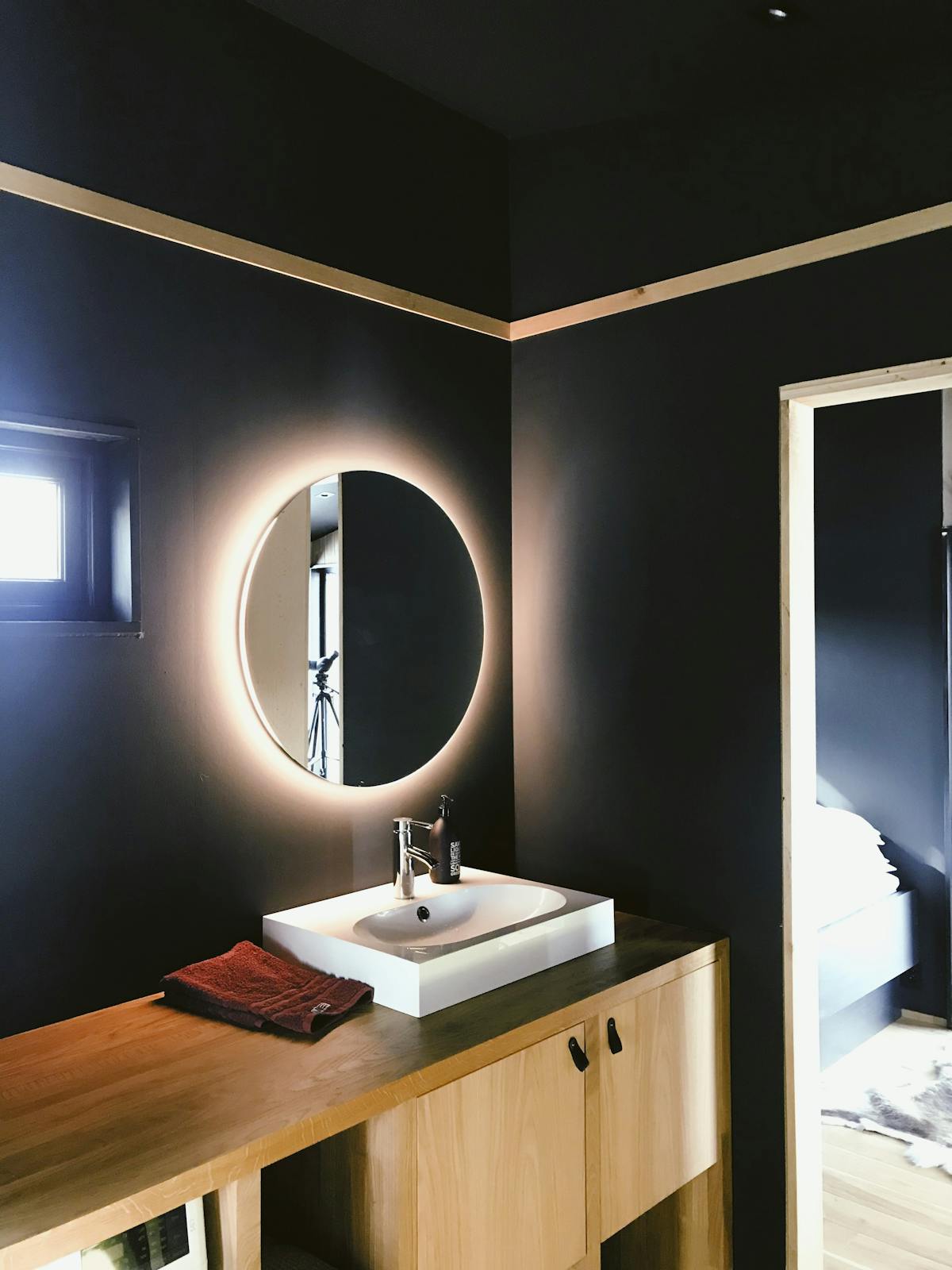
Scandinavian Bathroom
Think spa, not showroom. White walls, light wood vanity, simple round mirror, and warm lighting. Nordic bathrooms avoid the cold, clinical feel of all-white tile by mixing in natural materials: a wooden bath tray, a stone soap dish, linen hand towels instead of polyester.
- Tile: White subway tile, light grey large-format tile, or micro-cement walls
- Vanity: Wall-mounted in light oak or white with wood details
- Mirror: Round, frameless or with a slim black frame
- Accessories: Amber glass soap dispensers, linen towels, a small green plant (pothos or fern)
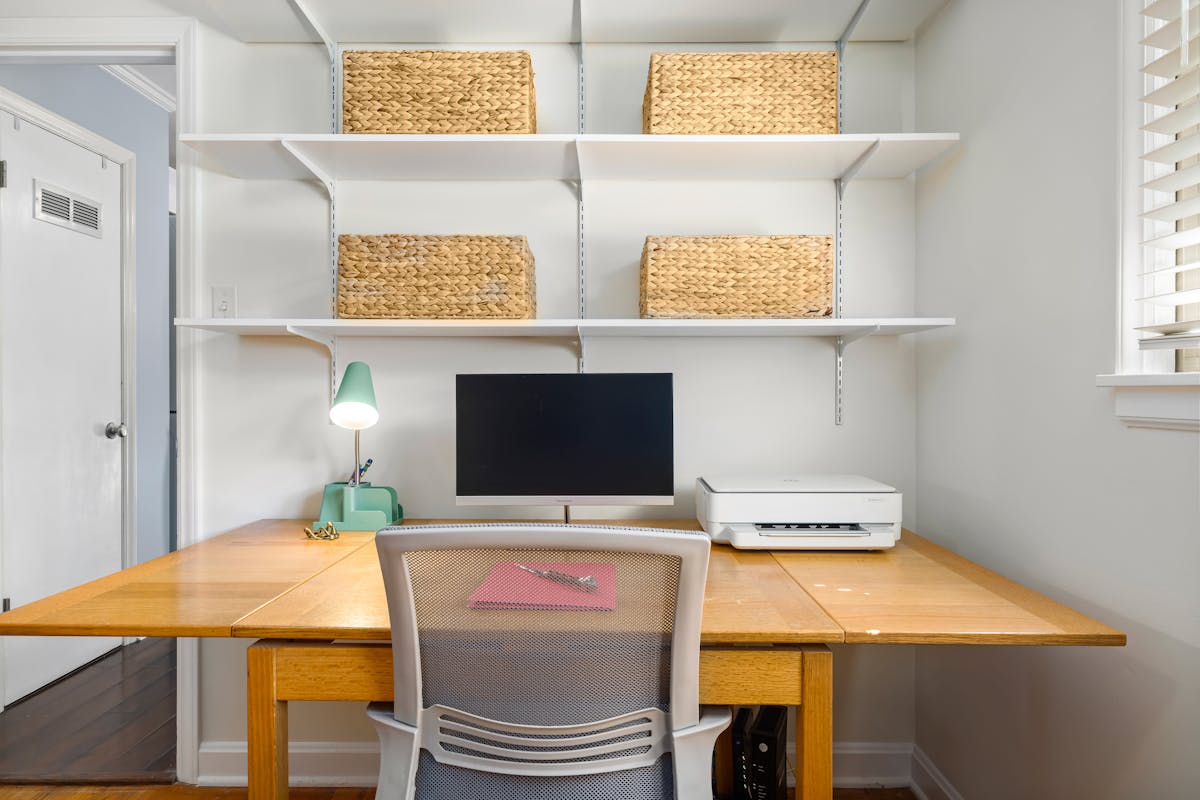
Scandinavian Home Office
A desk in light oak or white, a comfortable chair (not necessarily the typical black office chair), and good lighting. Scandinavian home offices keep distractions minimal. Cable management matters. Open shelving holds only what you need. And a window view or a plant brings nature into the workspace.
- Desk: Light oak or white, clean edges, minimal drawers
- Chair: Fabric upholstered in grey or cream, or a classic shell chair
- Storage: Wall-mounted shelf, one small filing cabinet or basket
- Lighting: Task lamp in matte black or brass, positioned to avoid screen glare
10 Scandinavian Design Rules to Follow
- 1. Declutter first, design second. No amount of beautiful furniture fixes a cluttered room. Edit before you decorate.
- 2. Choose quality over quantity. One great chair is better than three average ones. Buy less, buy better.
- 3. Let the floor show. Avoid covering every inch with furniture. Visible floor space makes rooms feel larger and calmer.
- 4. Mix textures, not patterns. Combine smooth, rough, soft, and hard surfaces instead of mixing bold prints and colors.
- 5. Use white as a canvas, not a theme. White walls are the backdrop. Warm wood, textiles, and lighting are the actual design.
- 6. Bring nature indoors. A few green plants, dried branches, or a stone accent connect the room to the natural world.
- 7. Light from multiple sources. Never rely on one ceiling light. Use 3-5 different light sources per room, positioned at different heights.
- 8. Leave some imperfection. A handmade ceramic mug, an uneven woven basket, a slightly imperfect wooden bowl. These add character that machine-made perfection cannot.
- 9. Choose furniture with visible legs. Raised furniture lets light pass underneath and makes rooms feel airier.
- 10. If it does not serve you, it does not belong. This is the core rule. If you cannot explain why something is in the room, remove it.
Common Scandinavian Design Mistakes
Going too cold. The biggest mistake is treating Scandinavian design as "white and empty." Without warmth (wood, textiles, warm lighting, candles), a Scandi room just feels unfinished. White walls are only the starting point.
Buying IKEA and stopping there. IKEA is great for basics, but a full room of matching IKEA pieces looks like a catalog, not a home. Mix in vintage finds, handmade items, and one or two investment pieces to create depth.
Ignoring personal items. Scandinavian does not mean anonymous. Family photos, travel souvenirs, your favorite books. These belong in a Nordic home. The style is about editing, not erasing your personality.
Forgetting about comfort. If the room looks beautiful but you do not want to sit in it, you got it wrong. The sofa should be deep enough to curl up in. The throw should actually keep you warm. The rug should feel good under bare feet.
How to Visualize Scandinavian Design in Your Home with AI
The tricky part of Scandinavian design is that it looks simple but requires careful balance. The wrong shade of white feels clinical. The wrong wood tone feels dated. And proportions matter more than in busier styles because there is nowhere for mistakes to hide.
That is where AI helps. Upload your floor plan or a photo of your room to MeltFlex and generate a photorealistic render of the space in full Scandinavian style. Try warm Scandi with cream walls and honey oak. Then try dark Scandi with charcoal and brass. Then try the classic white and light grey. See which version works with your specific room, your specific light, and your specific proportions.
You can also place real Scandinavian furniture from the MeltFlex catalog directly into your 3D room model. See exact sizes, check spacing, and make sure that beautiful oak dining table actually fits before you order it.
Try Scandinavian design in your room with AI, free →
Frequently Asked Questions
What is Scandinavian interior design?
Scandinavian interior design is a style rooted in simplicity, functionality, and connection to nature. It originated in the Nordic countries in the 1950s and is defined by clean lines, neutral colors, natural materials like wood and linen, and an emphasis on natural light. The goal is to create spaces that feel calm, bright, and effortlessly livable.
What colors are used in Scandinavian interior design?
The classic palette is built on white and light grey as base colors, with warm wood tones (oak, birch, pine) and soft accents like dusty rose, sage green, or muted blue. In 2026, the palette has expanded to include warmer neutrals like cream, beige, and terracotta, and a trending "dark Scandi" variation uses charcoal, deep forest green, and navy.
How do I make my home look Scandinavian on a budget?
Start with what costs the least and changes the most: paint your walls white or light grey, declutter aggressively, and add natural textures through affordable items like linen curtains, cotton throws, and a simple jute rug. Replace overhead lighting with warm-toned lamps. It is actually one of the most budget-friendly styles because it values simplicity over excess. Use MeltFlex to visualize the look for free before you buy anything.
What furniture is used in Scandinavian design?
Scandinavian furniture is defined by clean lines, tapered legs, light wood (especially oak and birch), and a mix of function and beauty. You do not need designer pieces. Any furniture with simple shapes, natural wood, and minimal ornamentation fits the style.
What is the difference between Scandinavian and minimalist design?
Minimalism strips a room down to the absolute essentials and can feel cold. Scandinavian design also values simplicity, but it adds warmth through natural textures, soft lighting, and cozy elements like throws and candles. A minimalist room might have a white sofa on a concrete floor. A Scandinavian room has the same white sofa but on warm oak flooring with a wool throw and a lit candle on the side table.
Can I use AI to design a Scandinavian room?
Yes. Upload a floor plan or room photo to MeltFlex, select Scandinavian as the design style, and the AI generates a photorealistic render of your room in full Nordic style. You can try different variations, swap furniture, and see exactly how the look works in your specific space before buying anything.
Start Designing Your Scandinavian Home
Scandinavian design is not about following a strict rulebook. It is about creating a home that is calm, functional, and genuinely comfortable. Start with light, add warmth through natural materials, edit out what you do not need, and make sure every piece earns its place.
Upload your floor plan to MeltFlex and see your room transformed into a Nordic-inspired space in seconds. Try classic white Scandi, warm cream Scandi, or moody dark Scandi. Find the version that feels right for your home. No design experience needed, no cost.
Design your Scandinavian room with AI, free →
If you love the Scandi structure but want it warmer and more grounded than crisp Nordic white, read our warm minimalist interior design guide: it is the 2026 evolution of this style toward cream, oak, and cozy texture.
Related guides: interior design styles, Japandi interior design guide, japandi living room ideas, what it costs to furnish a house, how to choose paint colors, and AI living room design prompts.