Virtual Staging Before and After: How AI-Furnished Listings Sell 73% Faster
Empty rooms do not sell homes. Buyers struggle to visualize furniture placement, room scale, and livability when they are staring at blank walls and bare floors. That is why staged homes sell 73% faster and for up to 5% more than vacant listings.
But traditional staging costs $2,000 to $5,000 per property. AI virtual staging costs under $1 per room and takes 20 seconds. Here are real before-and-after examples showing exactly what that looks like.
Before and After: Empty Bedroom to Designer Retreat
Before: Empty Room
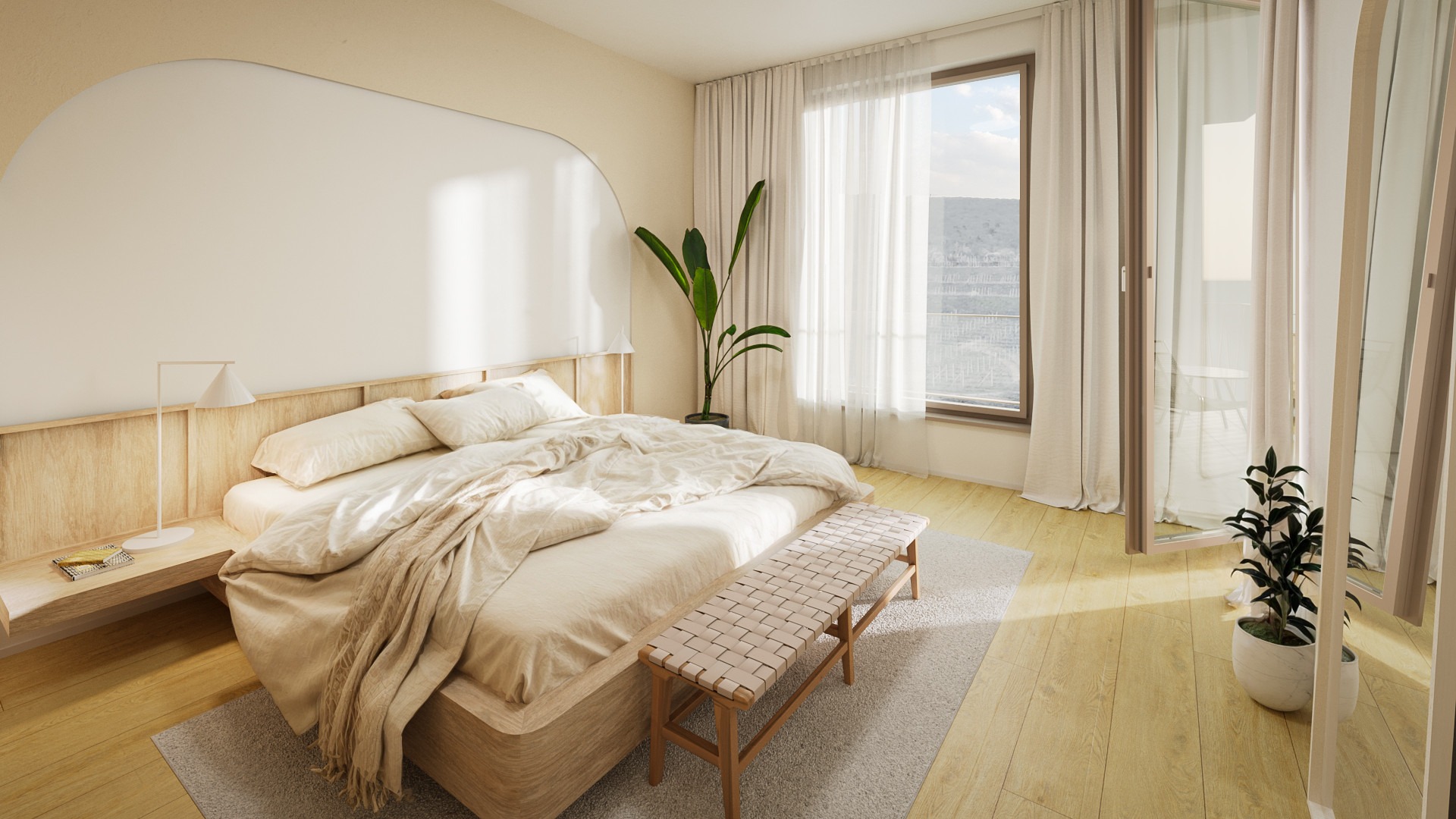
A bedroom with good bones — natural light, wood flooring, decent proportions. But as a listing photo, it does not tell buyers where the bed goes, whether their nightstands will fit, or how the room feels when lived in.
After: AI-Staged with Real Furniture
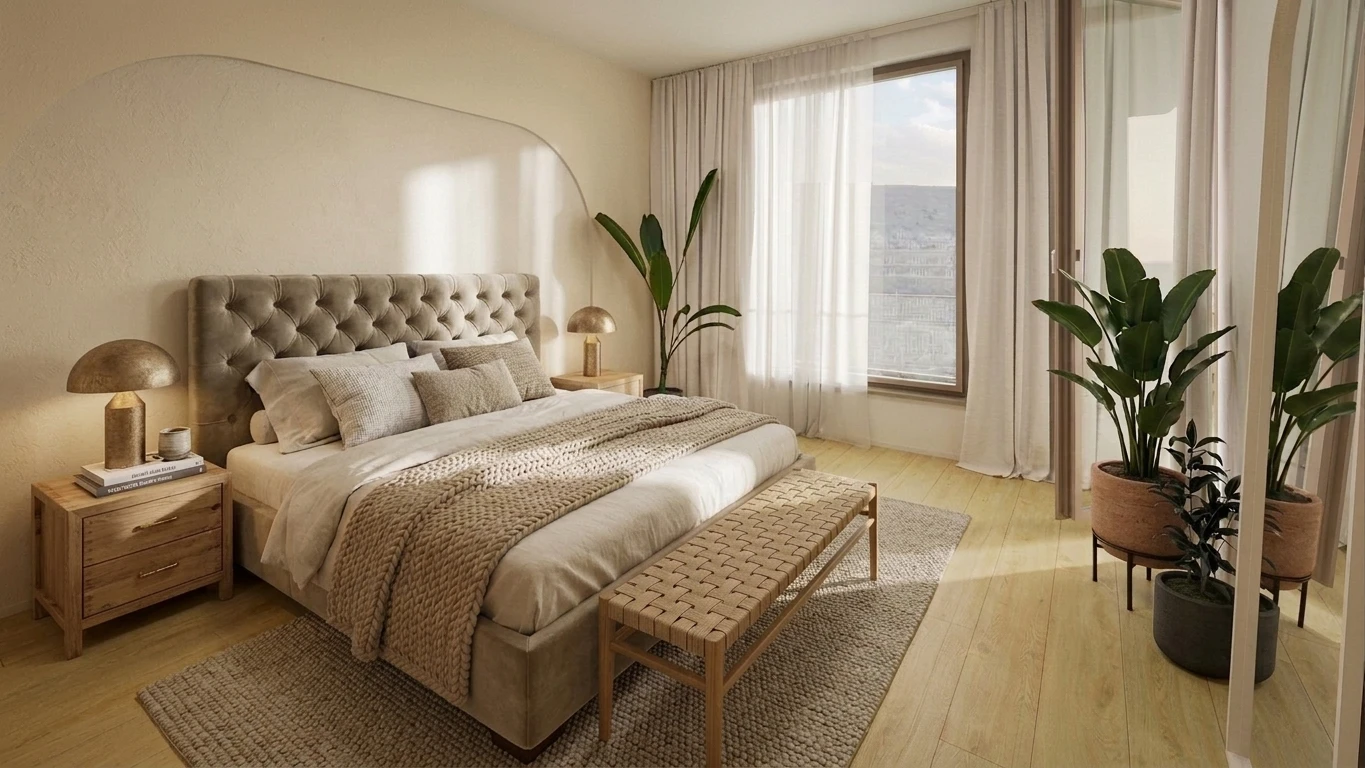
Same room, 20 seconds later. A tufted headboard in warm champagne, wooden nightstands with brass lamps, layered textiles, and tropical plants. Every piece is a real product from IKEA and Wayfair — buyers can see exactly what fits and even purchase the furniture they see.
The difference in listing appeal is dramatic. This photo tells a story: this is a bedroom where you wake up to natural light and feel calm. The empty version tells nothing.
Before and After: Open-Plan Living Room
Before: Furnished but Outdated
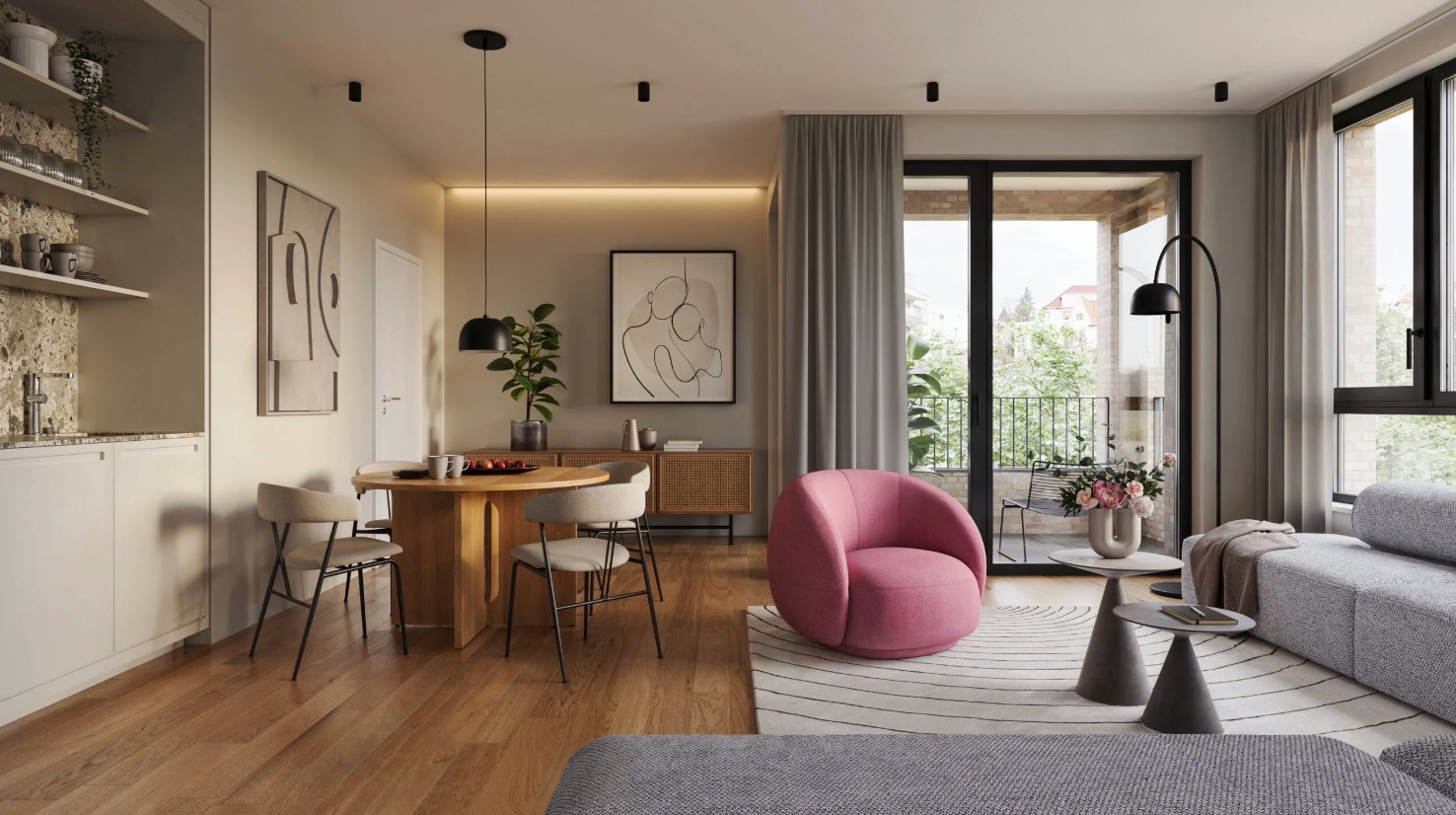
This living room has furniture, but the style is mixed and the layout is not optimized. The pink chair competes with the gray sofa, the dining area feels disconnected from the living space.
After: AI-Redesigned for Maximum Appeal
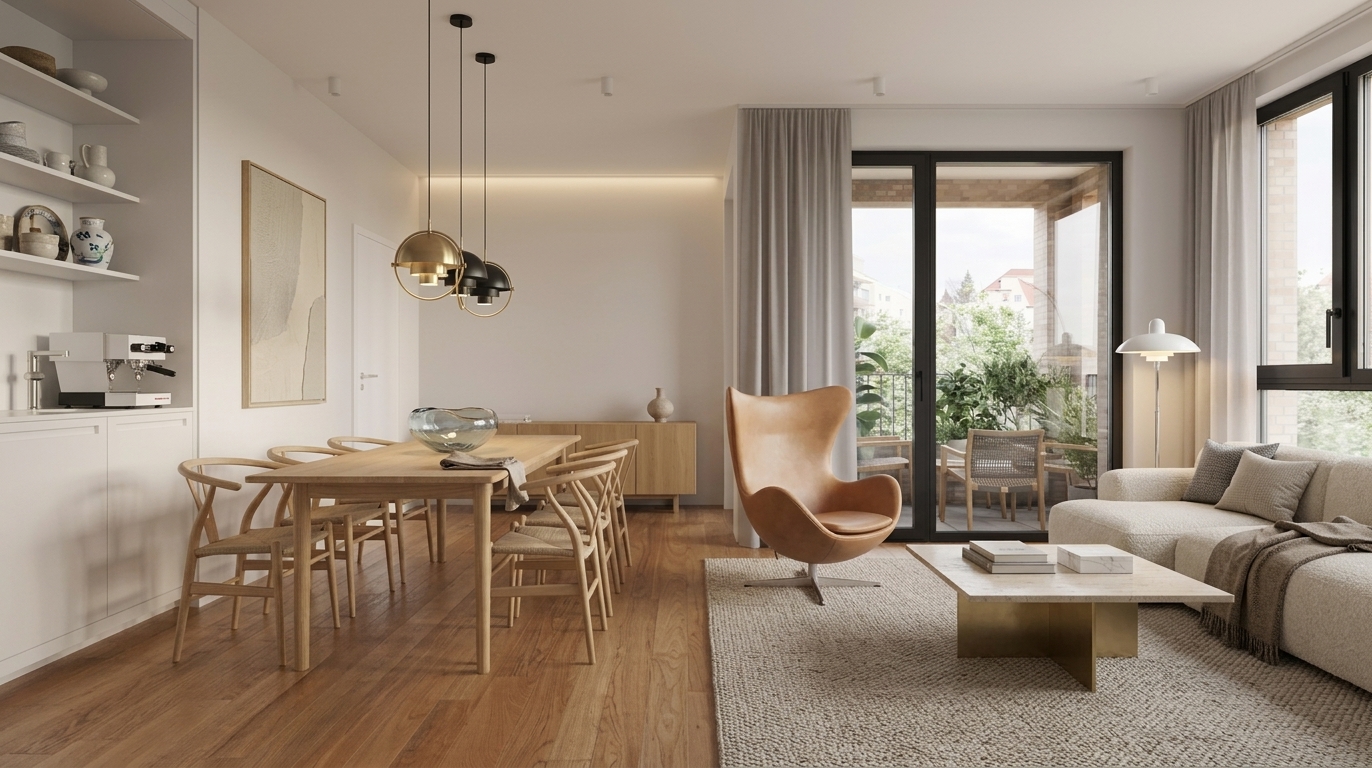
AI replaced the furniture with a cohesive Scandinavian scheme. Wishbone dining chairs in natural oak, a cognac leather accent chair, warm beige sofa, and brass pendant lights. The room now tells one consistent design story.
For real estate agents, this is the difference between a listing that gets scrolled past and one that gets a showing booked.
The Numbers: Why Virtual Staging Works
- 73% faster sales — Virtually staged listings sell nearly three-quarters faster than empty ones
- 1-5% higher offers — Buyers bid more when they can visualize living in the space
- 40% more online views — Staged listing photos get significantly more clicks on Zillow, Realtor.com, and Redfin
- 97% cost reduction — AI staging costs under $1 per room vs. $500+ per room for physical staging
- 20 seconds per room — Stage an entire property in minutes instead of days
AI Staging vs. Traditional Staging: Cost Comparison
The economics are not even close:
- Physical staging: $2,000-$5,000 per property. Furniture rental for 30-90 days. Delivery, setup, and removal fees. Scheduling delays of 3-7 days.
- Traditional virtual staging: $25-$75 per photo. Turnaround time of 24-48 hours. Limited revisions. No real products.
- AI virtual staging (MeltFlex): Under $1 per room. Results in 20 seconds. Unlimited style changes. Every piece is a real product with real pricing.
For agents listing 10+ properties per year, AI staging saves $20,000-$50,000 annually while delivering faster results.
What Makes AI Staging Different in 2026
Earlier virtual staging tools produced renders that looked obviously fake. Furniture floated, shadows were wrong, perspective was off. Buyers and agents could spot it immediately.
Current AI staging is nearly indistinguishable from real photography. The technology understands room geometry, natural lighting, material textures, and shadow direction. It places furniture with correct perspective and scale, matching the existing room conditions.
The biggest advantage of MeltFlex over other staging tools: every piece of furniture is a real product. Buyers can see an IKEA sofa in the listing photo, look up the exact price, and know whether it is in their budget. No generic render furniture that does not actually exist.
How to Virtually Stage a Listing
- Photograph the empty room — Use a wide-angle shot from a corner. Natural lighting works best. Horizontal orientation.
- Upload to MeltFlex — Go to meltflexai.com/create and upload your photo
- Choose a style — Pick Scandinavian for broad appeal, Modern for urban markets, Farmhouse for suburban listings, or Luxury for high-end properties
- Generate in 20 seconds — AI analyzes the room and places furniture with correct scale and perspective
- Download and use — Export the staged photo for your MLS listing, Zillow, Realtor.com, or marketing materials
Stage Your Next Listing
Empty rooms cost you money every day they sit on the market. AI staging turns any listing into a move-in-ready showcase in seconds.
Related guides: virtual staging for real estate, best staging software, staging cost comparison, and Airbnb staging tips.

