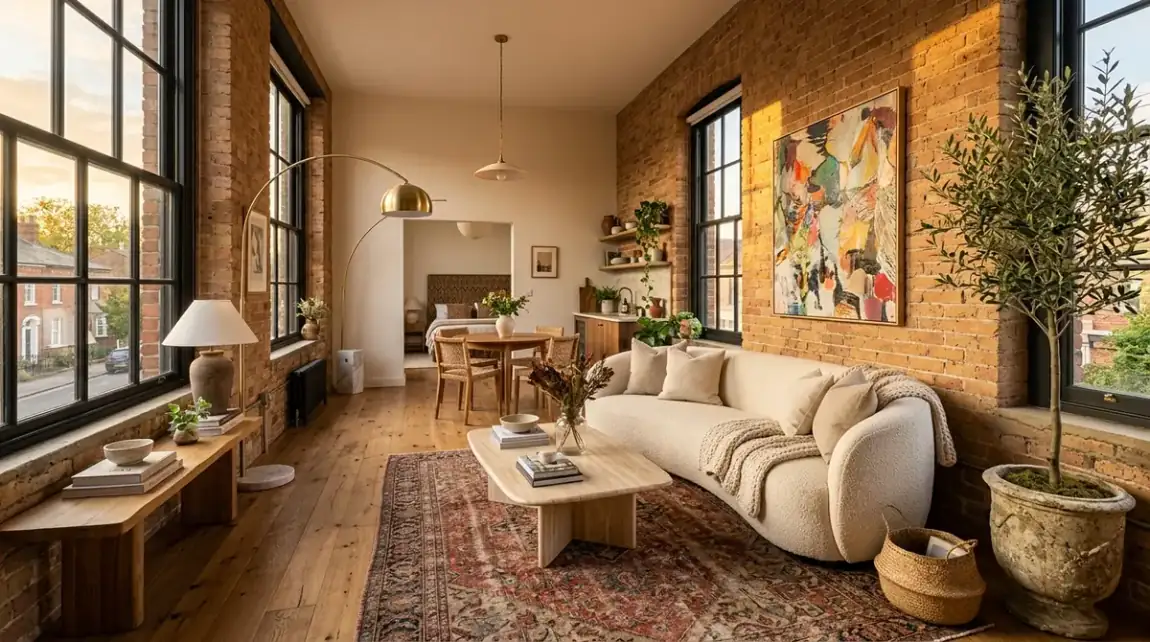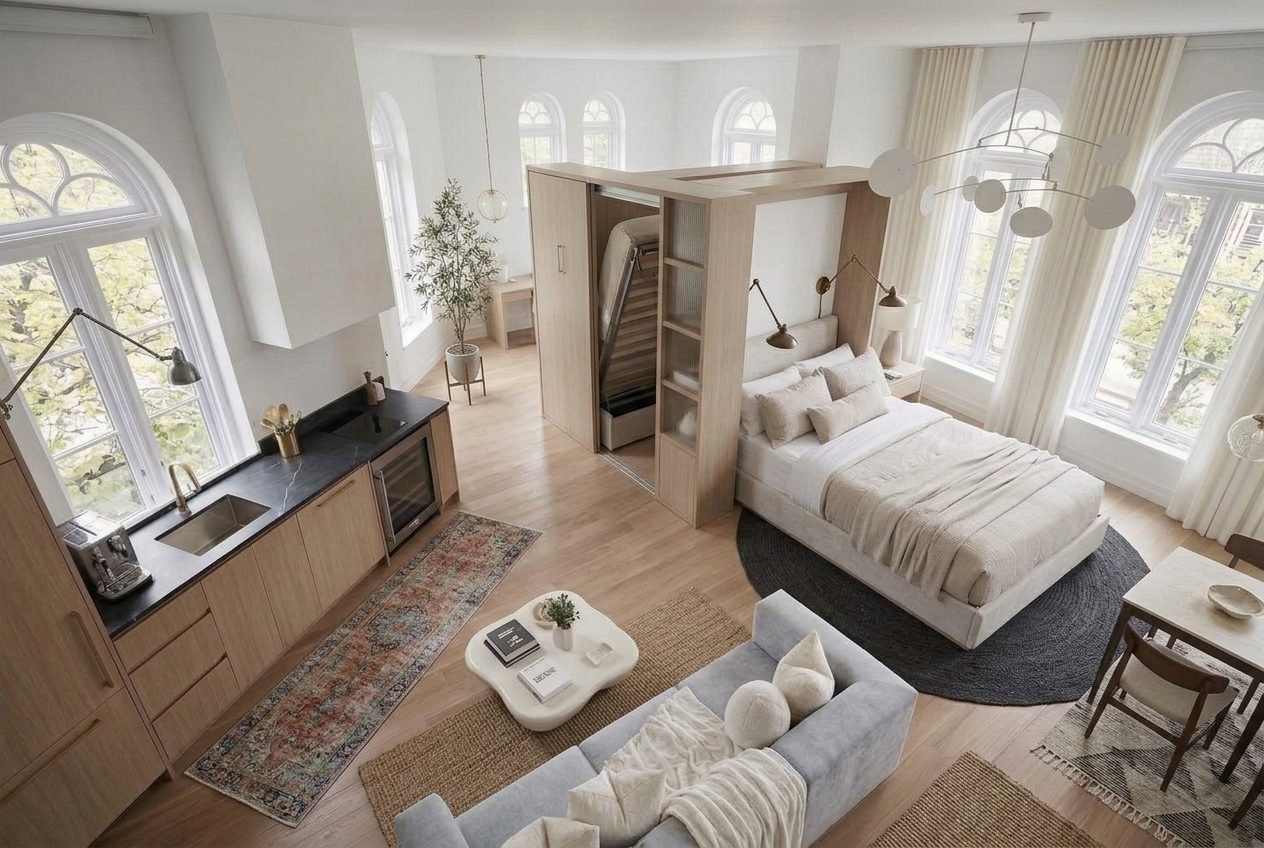
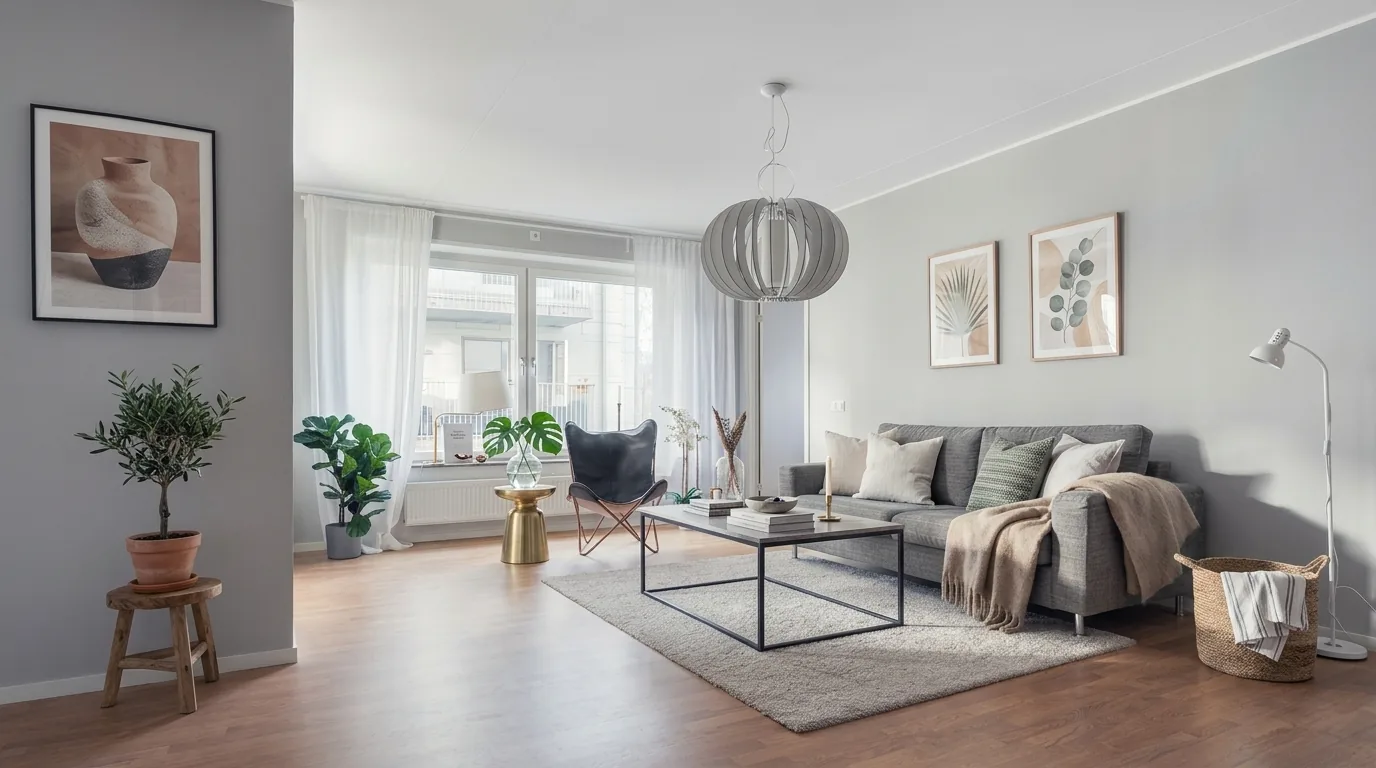
Short answer: Airbnb staging is prepping a furnished rental so it photographs like a hotel, and Airbnb interior design is choosing the pieces that make that possible. Stage by subtracting first: clear every surface, make the bed properly, turn on every lamp, and remove anything that says a person lives here. Then design for durability and one consistent style, because guests judge the space in photos before they ever stand in it.
Our articles are still written by humans!
Get human written articles in your Google feed.
Your Airbnb listing has 3 seconds to make a first impression. In those 3 seconds, a potential guest scrolls past your cover photo and decides: click or skip. The difference between a listing that books at 80% occupancy and one stuck at 40% is almost never location or price, it is how the space looks.
This is not an opinion. Airbnb's own data shows that professionally styled listings earn 20-40% more per night and receive significantly more bookings. A $5,000 investment in interior design can pay for itself within 2-3 months of increased revenue.
This guide covers everything you need to design a short-term rental that books: which styles perform best, room-by-room furniture choices, staging for listing photos, common mistakes that kill bookings, and how to plan your entire rental in 3D with AI before spending a euro.
Want the quick, idea-first version? See our 12 Airbnb design ideas to stand out and get booked.
FreeUpload listing photo · freeStage my listing photo for freeUpload an empty room and MeltFlex furnishes it for the listing, walls, windows and floor untouched. Your first AI design is free, no card needed.
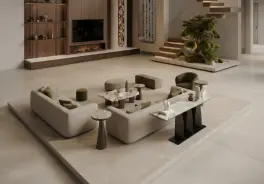
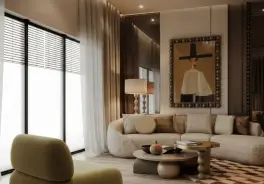
Airbnb Staging Is Not Real Estate Staging
Search for staging advice and almost everything you find is written for selling a house. That job is additive: an empty property gets furniture trucked in so buyers can picture living there, then the furniture leaves. Airbnb staging is the opposite problem. Your rental is already furnished. The work is subtraction and control.
Three things follow from that, and they are why generic staging checklists do not work on a short-term rental:
- You stage the same rooms over and over. A seller stages once. You restage before every reshoot, and a version of it runs at every single turnover. Anything fiddly gets abandoned by month three, so the setup has to survive a cleaner working under time pressure.
- The photos and the arrival have to match. A seller can stage for photos and let the house sit empty afterwards. If your listing photos show a styled console table that is not there when the guest walks in, that gap shows up in the review.
- Your furniture is the constraint, not the variable. Sellers rent whatever photographs best. You are staging around a sofa you already own, which means the wins come from light, linens, surfaces and angles rather than from swapping pieces.
What Airbnb Staging Costs: Five Ways to Do It
Most hosts land on the first row and never need the others. The table is here because the cost gap between the options is enormous and the marketing rarely says so.
Honest take on that last row: renting furniture to photograph a rental you are about to furnish anyway is money spent twice. If the place is empty and you need the listing up, virtual staging does the same job for the price of a coffee, and you spend the real budget on furniture guests will actually sleep on. The virtual staging prices above come from each provider's own pricing page, re-checked in August 2026, and the full breakdown is in our virtual staging software comparison.
The DIY and stylist figures are typical market ranges rather than quoted prices, because staging companies quote per property and almost none of them publish a rate card. Get two quotes before you assume the stylist route is out of reach, and get them itemised, since sourcing and furniture are usually the bulk of the number rather than the styling itself.
Watch: Airbnb Staging Tips Guests Love
Short-term rental design has its own rules. In this walkthrough, STR host Robuilt shares staging tips that make a rental photograph well and feel welcoming, the same goals the ideas below are built around.

Video: “Airbnb Staging Tips: How to Design a Rental That Guests Love” by Robuilt.
Why Interior Design Matters More for Airbnb Than Your Own Home
Designing an Airbnb is fundamentally different from designing your own apartment. At home, you decorate for yourself. For a rental, you design for strangers who judge your space in photos. That changes everything:
- Photos are everything. 90% of booking decisions happen before a guest reads the description. Your design must photograph well, which is not the same as looking good in person.
- First impressions are permanent. Unlike your home where you grow into a space over years, guests form their opinion within the first minute of arrival. A cluttered entryway or dated bathroom sets a negative tone for the entire stay.
- Durability beats beauty. A white linen sofa looks stunning in photos but will be destroyed within 6 months of guest turnover. Every piece must survive hundreds of different users per year.
- Universal appeal beats personal taste. You might love maximalist bohemian decor, but it appeals to a narrow audience. Successful rentals use styles that the widest possible guest demographic finds attractive.
The 4 Best Interior Design Styles for Airbnb (Data-Backed)
Not all styles perform equally in short-term rentals. Based on booking data, guest reviews, and pricing analysis, these four styles consistently outperform:
1. Modern Minimalist, Best for Urban Apartments
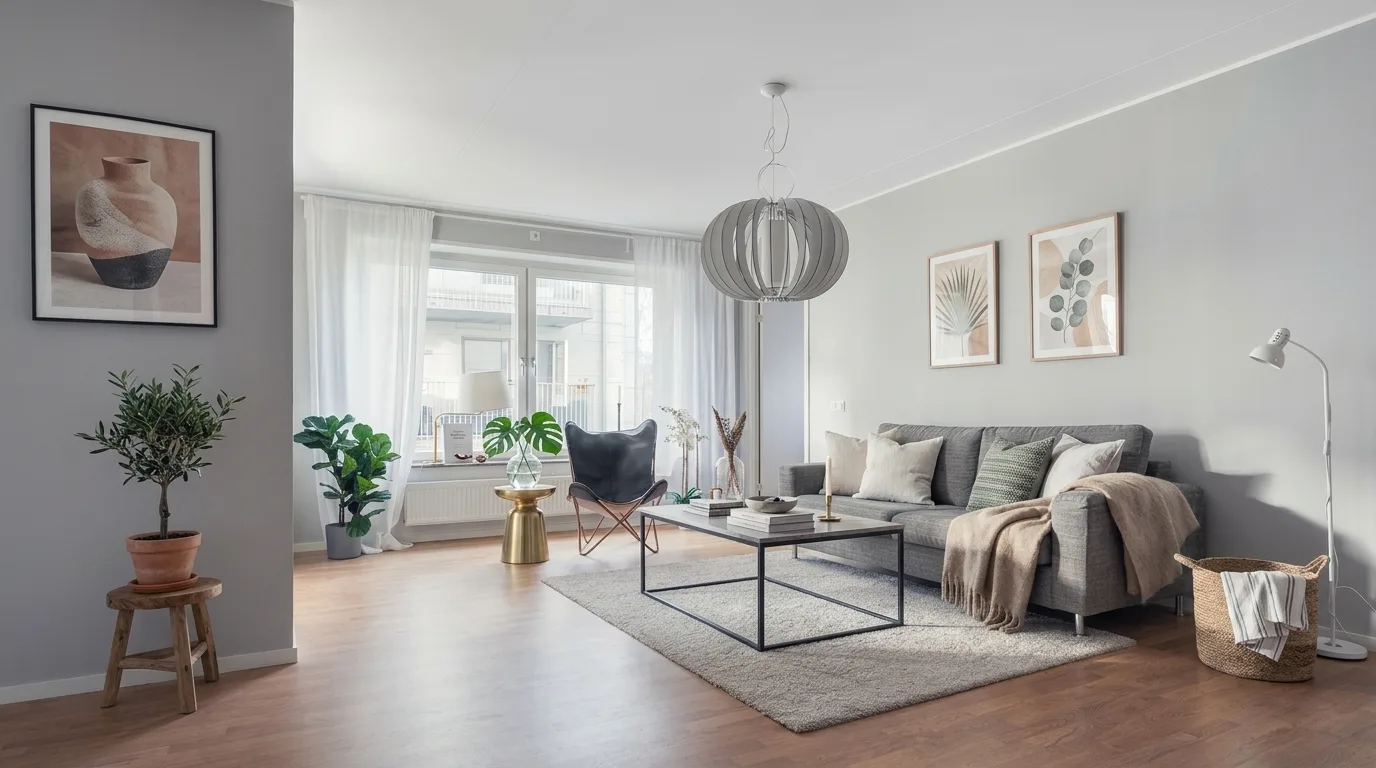
Clean lines, neutral palette (white, gray, black accents), minimal clutter, and statement lighting. This is the most-booked style for city apartments because it photographs extremely well and appeals to business travelers, couples, and solo guests equally.
Why it works for rentals:
- Photographs beautifully, clean spaces look larger and more inviting in listing photos
- Easy to maintain, fewer objects means faster turnover cleaning
- Timeless, does not look dated after 2-3 years
- Universal appeal, offends no one, attracts everyone
Key pieces: Low-profile sofa in gray or charcoal, a round coffee table, statement pendant light, large mirror, one piece of art per wall (maximum).
2. Scandinavian Warm, Best for Families and Longer Stays
White walls, light oak furniture, soft textiles (linen, wool, cotton), warm lighting, and plenty of plants. Scandinavian design feels like home, cozy and approachable. This makes it ideal for family bookings and stays longer than 3 nights, where comfort matters more than Instagram appeal.
Why it works for rentals:
- The "cozy factor" drives 5-star reviews, guests feel relaxed immediately
- Light wood and white surfaces make spaces feel bigger
- Easy to source furniture (IKEA, local Scandinavian-style brands)
- Textiles (throws, cushions) are cheap to replace when worn
Key pieces: Oak dining table, linen sofa in beige or cream, sheepskin throws, warm-tone pendant lights, potted plants (or high-quality faux plants for zero maintenance).
3. Boutique Hotel, Best for Premium Pricing
Dark accent walls (navy, forest green, charcoal), brass fixtures, velvet textures, layered bedding, and curated art. This style signals luxury without requiring luxury prices. Rentals designed in boutique hotel style consistently command 25-40% higher nightly rates than comparable properties.
Why it works for rentals:
- Guests feel like they are staying in a designed space, not someone's spare room
- Dark walls hide scuffs and wear better than white walls
- Brass and gold accents photograph dramatically
- Creates a "special occasion" feeling that justifies premium pricing
Key pieces: Upholstered headboard, velvet accent chair, brass table lamp, dark accent wall, gallery wall with matching frames, full-length mirror.
4. Coastal / Mediterranean, Best for Beach and Holiday Rentals
White and blue palette, natural materials (rattan, jute, linen), light and airy textures, driftwood accents. This style is location-specific, it works beautifully for beach houses, coastal apartments, and Mediterranean vacation properties.
Why it works for rentals:
- Matches the guest's expectation of a "holiday home"
- Natural materials are durable and age well
- The blue-white palette is universally calming
- Rattan and jute furniture is affordable and lightweight
Key pieces: Rattan armchair, white linen sofa, jute rug, blue accent pillows, driftwood mirror, potted succulents.
Room-by-Room Airbnb Design Guide
Each room in a rental serves a different purpose and has different priorities. Here is what matters most in each space:
Living Room Furniture That Photographs Well
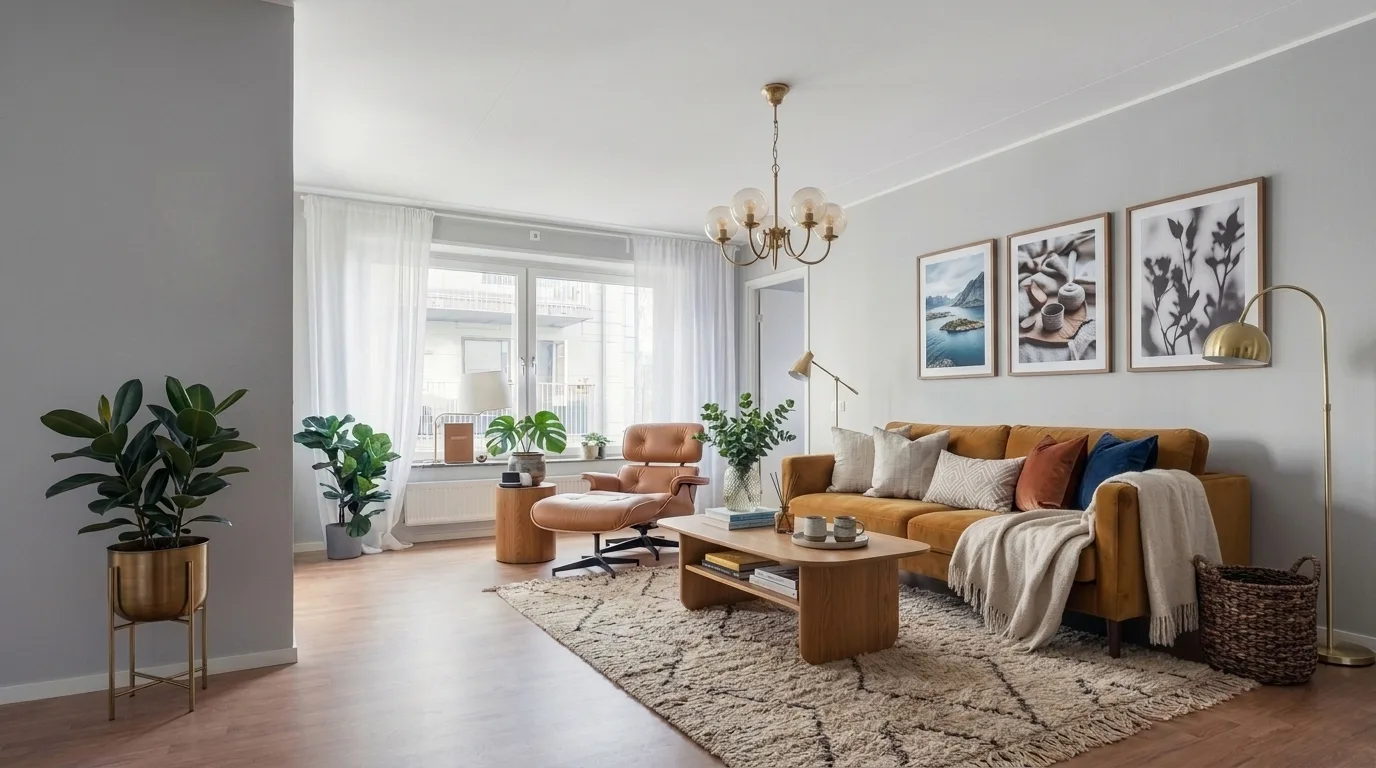
The living room is the most photographed room and typically your listing's cover image. Design it for the camera first, comfort second.
Must-haves:
- Sofa: L-shaped or sectional in a dark, stain-resistant fabric (charcoal, navy, dark gray). Size: 200-240 cm. Avoid white or cream, guests spill.
- Coffee table: Round with no sharp edges (safety + looks softer in photos). Choose wood or stone, glass shows every fingerprint.
- Throw blankets and cushions: 3-4 cushions on the sofa, one folded throw. These are the cheapest way to make a space look designed. Replace seasonally.
- Statement art: One large piece above the sofa (90+ cm wide). Abstract or landscape, nothing controversial or overly personal.
- Lighting: Floor lamp in one corner + pendant or table lamp. Avoid overhead ceiling lights only, they create harsh, unflattering photos.
Skip: TV stands (wall-mount the TV), heavy curtains (sheer or linen only), fake flowers (guests always notice), personal photos.
The Bedroom, The #1 Driver of Reviews
Sleep quality is the single most mentioned factor in Airbnb reviews. A guest will forgive a small kitchen or dated bathroom, but they will never forgive a bad mattress or uncomfortable bed. The bedroom is where you should spend the most money.
Must-haves:
- Mattress: This is the most important purchase. Spend €300-€600 on a quality memory foam or pocket spring mattress. A bad mattress = bad reviews = fewer bookings. Period.
- Bedding: White hotel-quality sheets (200+ thread count cotton). White looks clean in photos, is easy to bleach, and matches any style. Add a textured throw at the foot.
- Headboard: Upholstered headboard makes any bed look designed. It is the single cheapest upgrade with the biggest visual impact.
- Nightstands: One on each side of the bed. Each needs a lamp, a charging cable, and a flat surface for a phone and glass of water.
- Blackout blinds: Essential. Guests who cannot sleep in darkness leave bad reviews. Layer with sheer curtains for the photography benefit.
Skip: Decorative pillows that guests pile on the floor (use 2-4 max), complicated duvet covers that are hard to change during turnover.
The Kitchen, Functional Over Beautiful
Most Airbnb guests use the kitchen for coffee, breakfast, and simple meals. You do not need a chef's kitchen, you need a clean, well-equipped, easy-to-use one.
Must-haves:
- Coffee maker: The most-requested amenity in Airbnb reviews. A Nespresso machine or quality drip coffee maker is non-negotiable.
- Matching dishware: A single set of white plates, bowls, and mugs for the max guest count. Mismatched dishes look chaotic in photos.
- Clear countertops: Store small appliances out of sight. Only the coffee maker, kettle, and a fruit bowl should be visible. Clear counters photograph as larger kitchens.
- Good lighting: Under-cabinet LED strips make any kitchen look modern. Cost: under €30.
Skip: Expensive appliances guests will not use, kitchen gadgets, excessive decorative items on counters.
The Bathroom, Clean Beats Designed
Guests judge cleanliness by the bathroom more than any other room. A simple, spotless bathroom beats a stylish but questionable one every time.
Must-haves:
- White towels: Hotel-quality, bright white. They look clean in photos and can be bleached after every guest. Replace every 6-12 months.
- Toiletries: Wall-mounted dispensers with quality shampoo, conditioner, and body wash. Refillable = eco-friendly + cheaper than individual bottles.
- Storage: A small shelf or basket for guests to place their toiletries. People bring their own products, give them somewhere to put them.
- Mirror: Large mirror (wider than the sink). Makes small bathrooms feel bigger and photographs well.
Skip: Dark grout (shows soap residue), fabric shower curtains (glass door or white liner only), candles (fire risk).
Airbnb Staging Ideas, Room by Room
Your design only matters if the photos capture it. This is the part hosts skip, and it is the cheapest lever on the whole listing: the same furniture, staged properly, photographs like a different property. Work room by room and do not shoot anything until the whole flat is done, because half-staged rooms sneak into the background of the shots you thought were finished.
Staging an Airbnb Living Room
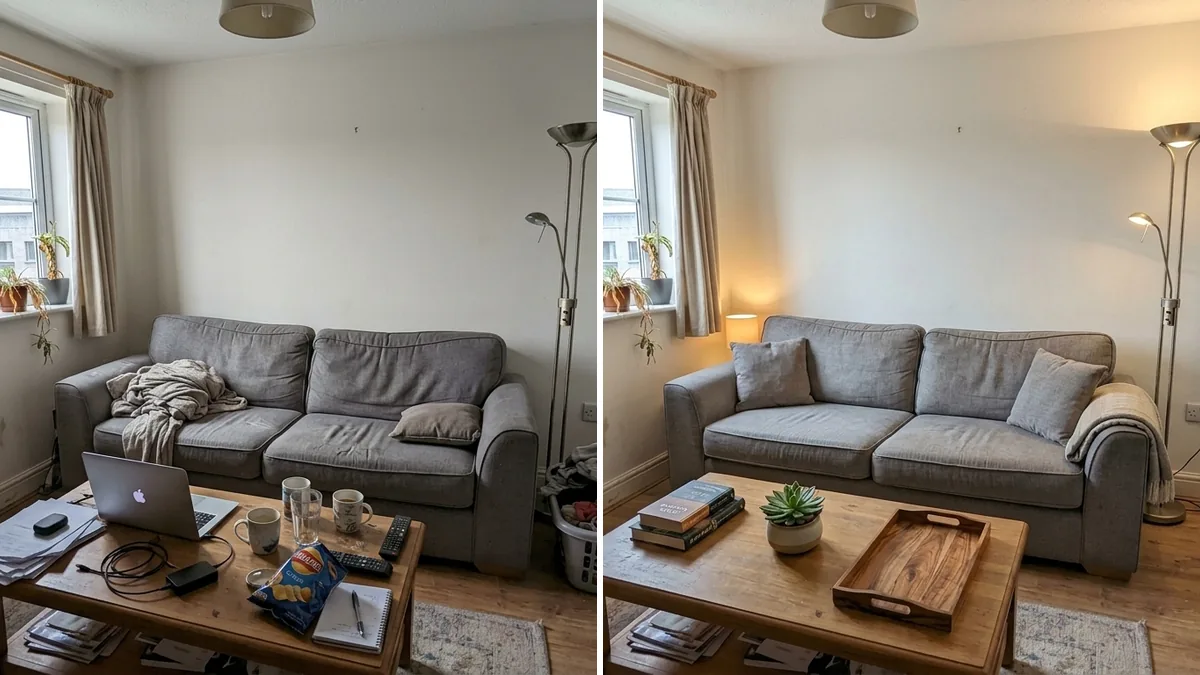
Same room, same sofa, same coffee table, same afternoon. Nothing was bought and nothing was moved in. The entire difference is clearing surfaces, plumping cushions, folding one throw and turning the lights on.
The living room is your cover photo, so it gets the most attention and the widest angle. Shoot from the doorway or a corner showing the most floor, because floor space is what readers subconsciously measure.
- Fluff every cushion and chop the top edge so it holds shape on camera.
- Fold one throw over the sofa arm at an angle. Two throws looks staged, none looks bare.
- Coffee table gets three objects maximum: a stack of books, a small plant, a tray. Anything more reads as clutter at photo size.
- Every lamp on, even at midday. Mixed light sources are what make a room look warm rather than flat.
- Pull the sofa 5 to 10 cm off the wall. It reads as intentional rather than pushed back to make room.
Skip the fruit bowl with plastic fruit, the fanned magazines, and anything with a visible brand. Guests zoom in more than hosts expect.
Staging an Airbnb Bedroom
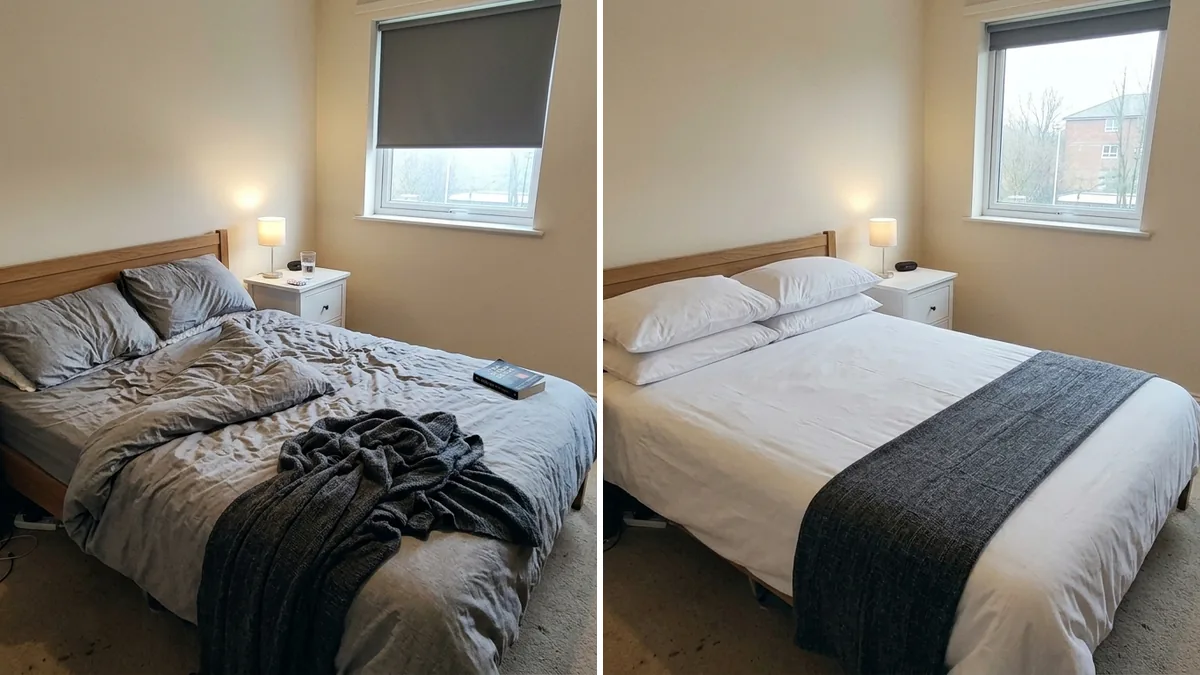
The bed is the most reviewed thing in your rental and the most common flaw in host-shot photos. Swapping to white linens and making it properly is a twenty minute job that changes the whole frame.
- Make the bed properly: smoothed duvet, symmetrical pillows, a folded throw across the foot. A badly made bed is the single most common flaw in host-shot listing photos.
- Nightstand lamps on. If they are not symmetrical, make them symmetrical before the shoot.
- Open the curtains for light, but close blinds if the view is a wall or a car park.
- Nothing on the nightstands except a lamp, a book and a glass. Charging cables get tucked behind.
Staging an Airbnb Kitchen
- Clear everything off the counters except the coffee maker and one styled board with bread or fruit.
- Wipe every surface until it shines. Reflections on a clean worktop do more for a kitchen photo than any prop.
- Close every cabinet and drawer, and check the dishwasher and bin are out of frame.
Staging an Airbnb Bathroom
- Roll three white towels and stack them on the counter or shelf.
- One green plant, real or a good faux. Bathrooms photograph cold without something living in the frame.
- Every personal cleaning product out of sight, toilet lid down, and no visible bin liner.
Rules That Apply to Every Room
Every light on, every internal door open, every bed made, every counter cleared. Shoot at chest height rather than eye height, which makes ceilings read taller. And check the frame edges before each shot, because the thing that ruins host photos is almost never the subject, it is a radiator, a cable or a cleaning cloth at the edge.
Airbnb Space Planning: Staging the Layout, Not Just the Surfaces
Surface styling cannot fix a bad layout, and a lot of rentals have one. A sofa pushed against the longest wall, a dining table that blocks the walkway to the balcony, a bed you have to shuffle sideways past. These read as cramped in photos no matter how many cushions you add, and they show up in reviews as "smaller than it looked".
Before you restyle, check the layout at real scale. The furniture fit calculator tells you whether a piece physically works in the space and clears the walkways, and floor plan to 3D turns a rental floor plan into a model you can rearrange before moving anything heavy. Getting the layout right first is what makes the styling work show up on camera.
Empty Rental? Use AI Virtual Staging
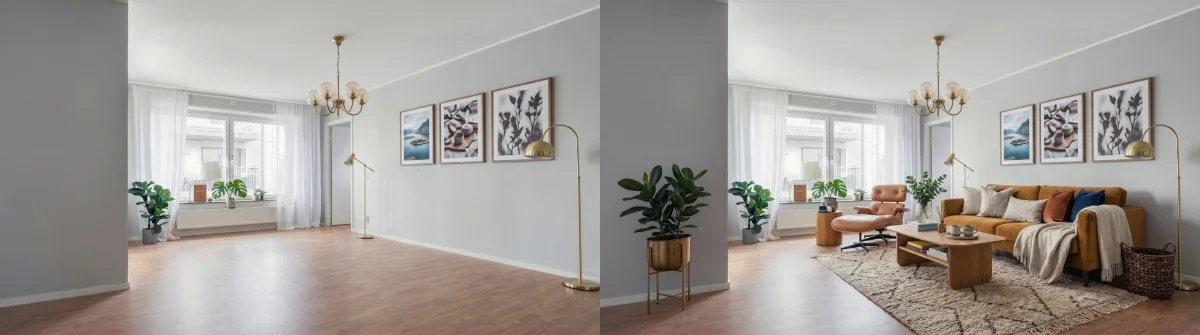
If your rental is empty and you need listing photos before the furniture arrives, the AI virtual staging tool generates photorealistic furnished images from empty room photos in under 30 seconds. Upload a photo of your empty room, choose a design style, and get a fully staged image you can use on Airbnb immediately.
This is especially useful for new rentals where you need listings live before the property is fully furnished, or for testing different furniture styles before committing to a purchase. See our complete virtual staging guide for details.
5 Airbnb Design Mistakes That Kill Bookings
- 1. Furnishing with your old furniture. Your retired sofa from 2015 does not say "vacation rental", it says "someone's leftover stuff." Guests can tell. Budget for new, intentionally chosen pieces.
- 2. No consistent style. A modern sofa, a rustic dining table, and industrial lighting looks confused, not eclectic. Pick one style and commit to it across every room.
- 3. Over-decorating. More stuff = more things to clean, break, and look cluttered in photos. Every object should serve a function or contribute to one single visual impression. When in doubt, remove it.
- 4. Saving money on the mattress. A €150 mattress will cost you thousands in lost bookings from bad sleep reviews. The mattress is the single most important investment in any rental.
- 5. Ignoring the listing photos. Many hosts spend €5,000 on furniture and then photograph it with their phone in bad lighting. Hire a photographer (€100-€200) or at minimum, stage every room carefully before shooting. The photos ARE the listing, everything else is secondary.
Airbnb Budget Breakdown: Where to Spend and Where to Save
Not every piece of furniture needs a big budget. Here is where to allocate your money for maximum impact on bookings:
Spend More On (Guests Notice These)
- Mattress and bedding: 25-30% of total budget. The bed is the #1 review driver.
- Sofa: 15-20% of budget. It is in every living room photo and guests sit on it daily.
- Lighting: Statement pendant lights, bedside lamps, floor lamps. Good lighting makes cheap furniture look expensive. Bad lighting makes expensive furniture look cheap.
- Listing photography: €100-€300 one-time. Professional photos increase clicks by 40%.
Save On (Guests Do Not Notice These)
- Dining chairs: Affordable chairs from IKEA or similar work perfectly. Guests sit on them for 20 minutes per meal.
- Storage furniture: Wardrobes, shelving, nightstands. Functional pieces that do not need to be premium.
- Kitchenware: White ceramic sets from any home store. Guests do not review the plates.
- Decorative items: Cushions, throws, plants, candles. Buy affordable and replace when worn. These are consumables, not investments.
How to Plan Your Airbnb Design with AI (Free)
The most expensive mistake in rental design is buying furniture that does not fit the space, does not match the style, or does not work in the layout. A sofa that looked perfect online can block a doorway. A dining table for six might leave no room to walk.
MeltFlex prevents these mistakes. Upload your rental floor plan, an architect drawing, a hand sketch, or a real estate listing photo, and get an interactive 3D model in seconds.
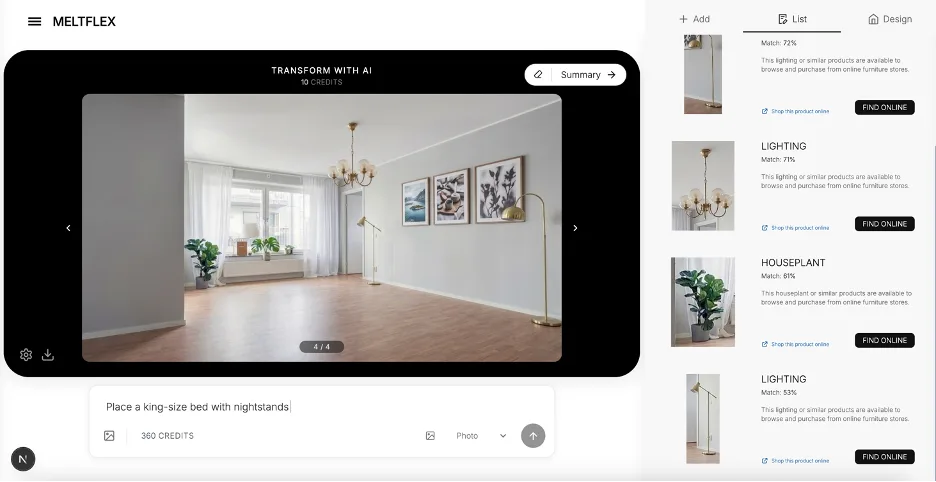
- Test layouts: Try different furniture arrangements and see which one opens up the space best for listing photos.
- Check dimensions: Every piece of furniture is shown at real-world scale. See immediately if a queen bed fits or if you need a double.
- Compare styles: Generate photorealistic renders in different design styles, modern, Scandinavian, boutique, and pick the one that photographs best.
- Shop directly: Every piece of furniture in MeltFlex is a real product with pricing. Add items to your cart and buy only what you have already visualized in your space.
Upload your rental floor plan and design it in 3D, free →
Should You Hire a Professional Airbnb Stylist?
For most one and two bedroom rentals, no. The gap between an unstaged listing and a well staged one is checklist work, and the checklist is above. Paying someone for a weekend of decluttering and lamp buying is the most common way hosts overspend on their first unit.
Where professional styling genuinely earns its fee:
- Premium nightly rates. Above a certain price point guests compare you to boutique hotels rather than to other flats, and that bar is hard to clear from a checklist.
- Awkward properties. Long thin rooms, a bedroom with no natural light, a listed building you cannot drill into. This is where an experienced eye beats any amount of cushion arranging.
- Portfolio scale. Once you run several units, your own time is the constraint. Paying for styling is really paying to stop doing it yourself.
If you do hire, ask for the itemised split between the design fee and the furniture budget before you sign. Packages advertised as interior design for Airbnb are often mostly sourcing and delivery, which is fine, but you should know which part you are paying for. And ask to see two rentals they styled that are still live on the platform, not a mood board.
The middle option most hosts miss: plan the whole thing yourself in 3D first, then hire only for what you cannot solve. Testing three layouts and three styles costs nothing on MeltFlex, and walking into a stylist conversation knowing what does not fit is worth more than the fee you save.
Airbnb Design Checklist
Use this checklist before publishing your listing:
- Is every room designed in one consistent style?
- Is the mattress comfortable enough for you to sleep on it yourself?
- Are all bedding and towels white, matching, and hotel-quality?
- Is there a coffee maker visible in the kitchen?
- Are all countertops and surfaces clear of clutter?
- Does every room have at least two light sources (no single overhead lights)?
- Are all photos taken with lights on, beds made, and surfaces clean?
- Is there a nightstand with a lamp and charging cable on both sides of every bed?
- Are there blackout blinds in every bedroom?
- Would you book this listing if you saw it online?
Airbnb Staging and Design FAQ
What is Airbnb staging?
Airbnb staging is prepping an already furnished rental so it photographs well and reads as a hotel-grade stay. It is not real estate staging, which fills an empty property to sell it. Airbnb staging is mostly subtraction: clearing surfaces, fixing the bed, controlling light, and removing anything that says someone lives here.
How much does Airbnb staging cost?
Doing it yourself costs a weekend plus roughly 150 to 400 euros of linens, lamps and styling props. A professional stylist or staging company typically quotes per property and runs into the thousands. AI virtual staging sits at the other end: photorealistic furnished images run from about 0.24 to 2.67 dollars each, and MeltFlex has a free tier.
Do I need a professional Airbnb stylist?
Usually not for a one or two bedroom rental. The gap between an unstaged listing and a well staged one is mostly checklist work you can do yourself in an afternoon. Hiring a stylist starts paying off on premium listings, on properties with an awkward layout, or when you run enough units that your own time is the constraint.
What interior design style is best for Airbnb?
Modern minimalist and Scandinavian styles perform best across most markets. They photograph well, appeal to the widest audience, are easy to maintain, and look clean in listing photos. For luxury or unique properties, boutique hotel or mid-century modern styles can command premium rates. Avoid overly personal or niche styles (heavy themes, bold wallpaper everywhere), guests want to imagine themselves in the space.
How much should I spend on furnishing an Airbnb?
Budget $3,000 to $8,000 for a 1-bedroom rental, $5,000 to $15,000 for a 2-bedroom. The ROI is significant: professionally designed listings earn 20 to 40% more per night and book 30% more often. Focus spending on the hero pieces guests see first, the living room sofa, the bed, and the dining table. Use AI tools to plan your layout and test furniture before buying to avoid costly mistakes.
How do I make my Airbnb listing photos look professional?
Stage every room before photographing. Make beds with white hotel-quality linens, add a throw and accent pillows. Clear all personal items and clutter. Shoot in natural daylight (golden hour is best). Use a wide-angle lens from corner positions. Show the full room in the hero shot. For empty or under-furnished rentals, AI virtual staging can create photorealistic furnished photos in seconds.
What furniture should I avoid in an Airbnb?
Avoid: (1) white or light-colored fabric sofas, they stain fast with guest turnover, (2) glass coffee tables, fingerprints and breakage risk, (3) complex furniture that requires assembly or explanation, (4) cheap mattresses, the bed is the #1 thing guests review, (5) furniture without rounded edges in family-friendly listings. Choose durable, stain-resistant, easy-to-clean pieces.
Can I use AI to design my Airbnb rental?
Yes. Upload your rental floor plan to MeltFlex and get an interactive 3D model in seconds. Place real furniture at exact scale, try different styles, and generate photorealistic renders to see how the space will look before buying anything. You can also use AI virtual staging to create furnished listing photos from empty room photos, instantly.
Start Designing Your Rental
A well-designed Airbnb is not a luxury, it is a business decision. The data is clear: styled listings earn more, book more often, and receive better reviews. The investment pays for itself within months.
Start by uploading your rental floor plan to MeltFlex. Plan your layout in 3D, test different styles, place real furniture at exact scale, and see photorealistic renders of every room, before spending a single euro on furniture.
Design your Airbnb rental in 3D, free →
Related guides: AI virtual staging for real estate, 8 interior design styles guide, room makeover prompts, studio apartment design ideas, and best AI interior design tools.