12 Interior Design Mistakes That Make Your Home Look Cheap (And How to Fix Them with AI)

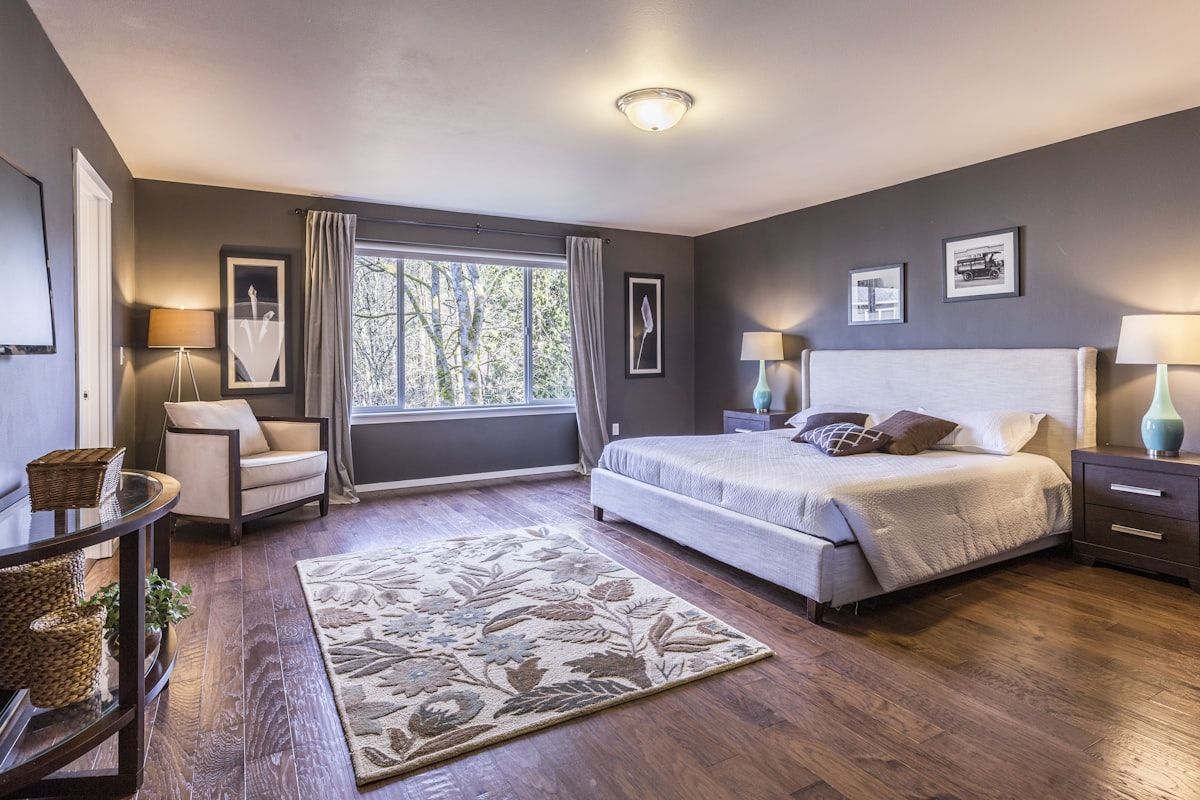
Every homeowner makes interior design mistakes. The problem is that most mistakes are invisible until you have already spent the money, the sofa that is too small, the paint color that looked different in the store, the rug that does not reach the furniture. These mistakes cost $500-$5,000 each in returns, replacements, and regret.
This guide covers the 12 most common interior design mistakes in 2026, how to spot them, and how to fix them, including how to use AI to preview every decision before you spend a dollar.
Mistake 1: Pushing All Furniture Against the Walls

This is the #1 most common interior design mistake. It feels logical, more floor space in the center must be better, right? Wrong. Pushing furniture against the walls creates a bowling alley void in the middle and makes the room feel like a doctor's waiting room.
The fix: Pull the sofa 15-60 cm from the wall. Place armchairs at angles. Create a conversation grouping where people face each other, not the walls. The room immediately feels more intimate and intentional. See our furniture placement guide for exact rules.
Mistake 2: Buying a Rug That Is Too Small
A too-small rug is worse than no rug at all. If your rug floats in the middle of the floor like an island, not touching any furniture, it fragments the space and makes everything look disconnected.
The fix: The rug must be large enough that all front legs of the sofa and chairs sit on it. Living room minimum: 200x290 cm. Dining room: extends 60 cm beyond the table on all sides. Bedroom: extends 60-90 cm beyond the bed on sides and foot. When in doubt, go bigger.
Mistake 3: Only Using One Overhead Light
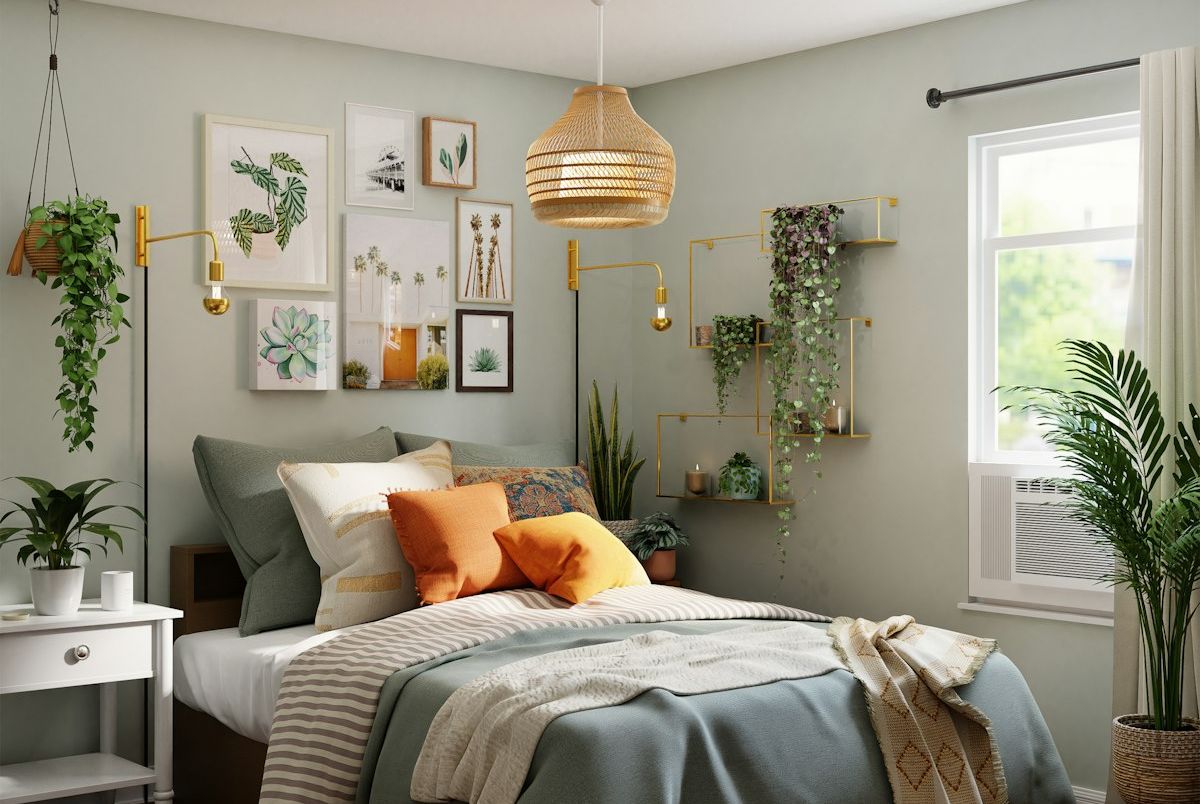
A single ceiling light is the fastest way to make any room look flat, harsh, and uninviting. Builder-grade flush mount lights cast even, shadowless light that removes all depth and atmosphere from a room.
The fix: Layer three types of light in every room: (1) Ambient, overhead or recessed for general illumination, dimmed to 50-70%. (2) Task, table lamp on the nightstand, desk lamp for reading. (3) Accent, floor lamp in a corner, pendant over the dining table. Three light sources minimum per room.
Mistake 4: Choosing Paint Colors from a Swatch
Paint swatches in a store look nothing like paint on your walls. Store lighting is fluorescent. Your home has natural light, warm bulbs, shadows, and colored furniture that all affect how paint looks. Every year, millions of homeowners repaint within weeks because the color "looked different."
The fix: Test paint colors on your actual walls with AI before buying a single sample pot. Upload a room photo to MeltFlex and see your walls in any color instantly. Try 10 colors in 2 minutes instead of buying 10 sample pots. See our paint color guide.
Mistake 5: Furniture That Is the Wrong Scale
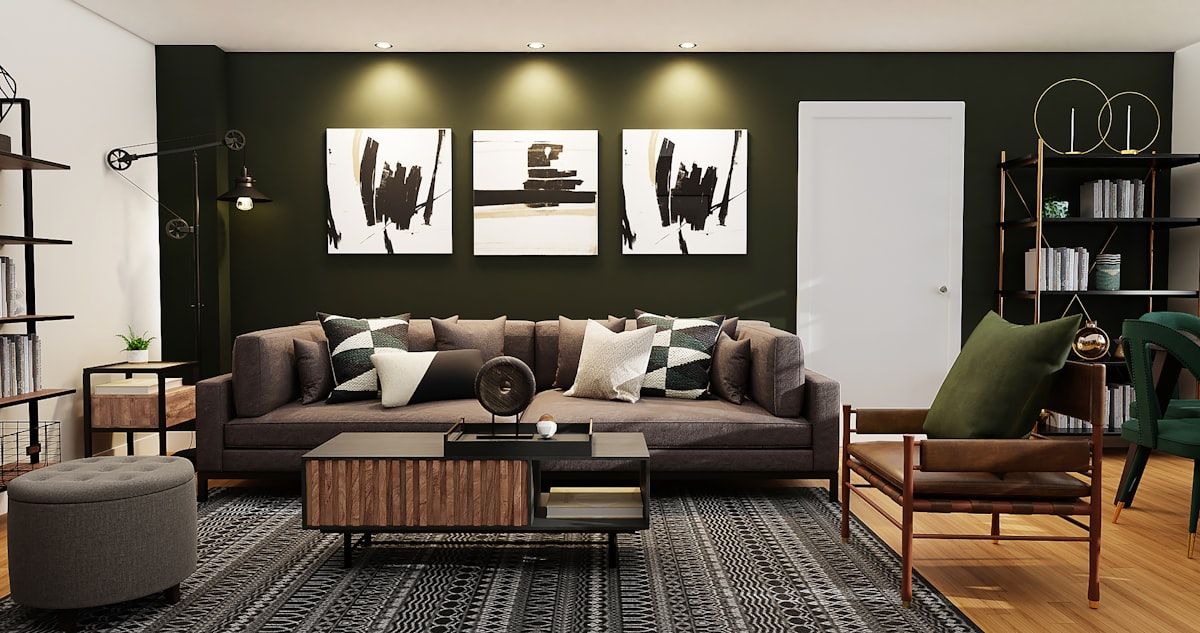
A 220 cm sofa in a 3x3 meter room overwhelms the space. A 150 cm loveseat in a 5x6 meter room looks lost. Furniture scale is the hardest thing to judge from a showroom or online photo because your brain cannot accurately translate dimensions.
The fix: Always test furniture at real scale in your actual room. Upload your room photo or floor plan to MeltFlex and place furniture at exact real-world dimensions. See immediately if it fits, if walking paths are clear, and if proportions feel right, before ordering.
Mistake 6: Matching Everything Perfectly
Buying a complete furniture set where everything matches (same wood, same color, same brand) makes your home look like a furniture showroom catalog, not a place where real people live. Perfect matching removes personality and character.
The fix: Mix materials and eras. A modern sofa with a vintage coffee table. A wooden dining table with metal chairs. The 80/20 rule: 80% cohesive style, 20% intentional contrast. This creates a "collected over time" look that feels authentic.
Mistake 7: Ignoring the Entryway
The entryway is the first thing anyone sees when entering your home. A cluttered entryway with shoes piled on the floor, keys on the counter, and coats draped over chairs sets a negative tone for the entire house, no matter how beautiful the living room is behind it.
The fix: Add a small console table, a mirror (makes the space feel bigger), hooks for coats, and a tray for keys. This costs under $200 and completely changes the first impression. If space is tight, a floating shelf and wall hooks achieve the same effect.
Mistake 8: Hanging Art Too High
Art should be at eye level, center of the piece at 145-150 cm from the floor. Most people hang art too high, which disconnects it from the furniture below and creates an awkward gap.
The fix: Above a sofa: bottom of the frame should be 15-20 cm above the sofa back. Gallery wall: treat the group as one unit and center the group at eye level. Above nothing: center at 150 cm from floor.
Mistake 9: No Cohesive Color Palette
A room where every piece is a different color with no relationship to anything else feels chaotic and stressful. Random colors do not create "eclectic", they create visual noise.
The fix: Pick 3-5 colors and stick to them throughout the room. The 60-30-10 rule: 60% dominant color (walls, large furniture), 30% secondary (curtains, rug, accent chairs), 10% accent (pillows, art, decor). Use AI to test different palettes on your actual room before committing.
Mistake 10: Cluttering Every Surface
A coffee table covered in remote controls, magazines, candles, and decorative objects. A kitchen counter full of appliances. A nightstand stacked with books. Clutter makes even expensive furniture look cheap.
The fix: The "rule of three": group decorative objects in threes (varying heights). Leave 50% of every surface empty. If an item is not beautiful or functional, it does not belong on display. Store everything else out of sight.
Mistake 11: Ignoring Window Treatments
Bare windows or cheap plastic blinds are the single most "rental apartment" look. They signal that the room is unfinished and no thought went into the design.
The fix: Floor-to-ceiling curtains, hung as high as possible and extending 15-25 cm beyond each side of the window frame. This makes the room look taller and the windows look larger. Linen or cotton in white, cream, or light gray works with any style. Cost: $30-$100 per window for the biggest visual impact in any room.
Mistake 12: Following Trends Instead of Your Taste
The all-gray trend of 2020. The farmhouse trend of 2018. The rose gold trend of 2017. Every trend looks dated within 3-5 years. If you design your home around the current trend, you are designing a home that will look outdated in 2029.
The fix: Invest in timeless basics, a neutral sofa, quality wood dining table, good lighting. Express trends through cheap-to-replace items: pillows, throws, art, small decor. This way your home stays current with $100 refreshes instead of $10,000 renovations.
Preview Every Fix with AI Before You Spend
The most expensive interior design mistakes happen because you could not see the result before committing. A $800 rug that is too small. A $50 paint color that looks wrong. A $2,000 sofa that overwhelms the room.
AI eliminates these mistakes. Upload a room photo to MeltFlex and see it redesigned with correct proportions, proper lighting, and balanced furniture layout, in 30 seconds. Test 10 options before spending a dollar.
Related guides: furniture placement rules, how to choose paint colors, open floor plan layouts, furnishing cost guide, designing around pets, why your living room feels off, and interior design styles guide.

