Pet-Friendly Interior Design That Actually Looks Good: The Complete Guide for Dog and Cat Owners (2026)
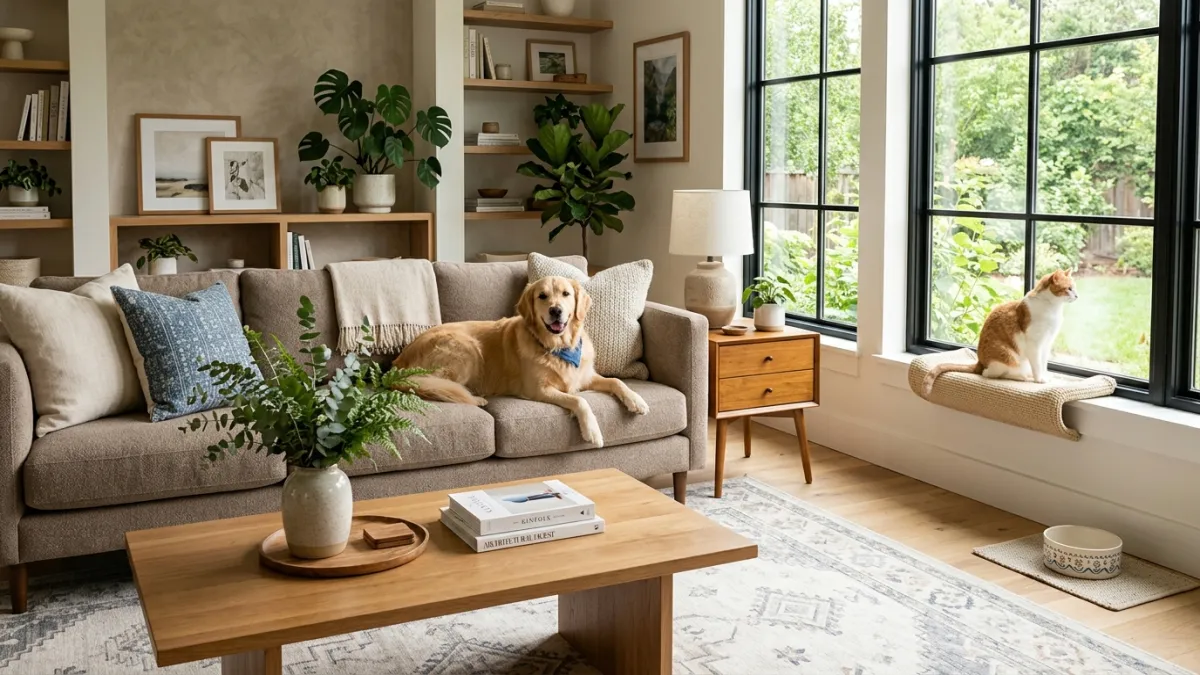
You spent three months choosing a linen sofa. It arrived on Tuesday. By Thursday, there’s a circle of golden retriever drool on the left cushion, cat scratches on the arm, and a thin film of fur that no lint roller can fully defeat.
Our articles are still written by humans!
Get human written articles in your Google feed.
You love your dog. You love your cat. You also love the idea of a home that doesn’t look like a pet shelter waiting room. And you’ve been told by the internet that you basically have to choose.
That’s wrong. But the generic advice most articles give you:“just buy leather,” “just get tile floors,” “just put a blanket over everything”:is also wrong. It comes from people who either don’t have pets or quietly gave up on their home looking good in 2019.
The real answer is more specific, more material, and a lot more interesting than “buy durable stuff.” This is the guide I wish existed when I was standing in a furniture store, wondering whether my €1,800 was about to become the world’s most expensive dog bed.
Watch: restyle a pet-friendly room in seconds
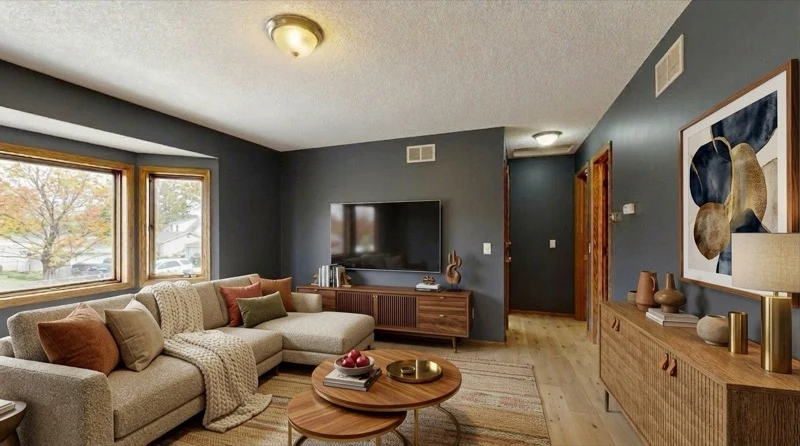
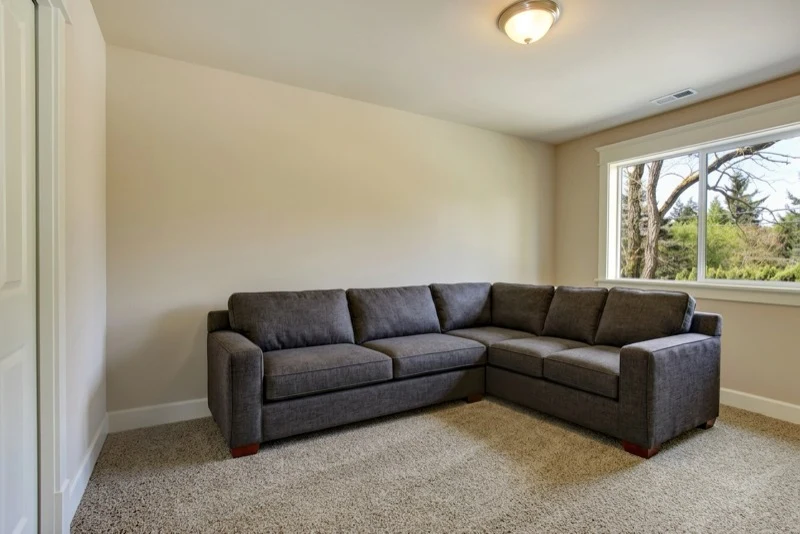
Here is the fast way to test the pet-proof choices below before you commit: MeltFlex restyles a real room from a single photo and shows real, shoppable furniture, so you can swap in the hard-wearing fabrics and hair-hiding colors and see the result first.

MeltFlex restyling a room with real furniture, swap in pet-proof fabrics and see it first.
The Fabric Guide: What Actually Survives Pets (and What Doesn’t)
This is the single most important decision you’ll make. Get the fabric right and your furniture will look good for years. Get it wrong and you’ll be shopping again in 18 months.
The Fabrics That Work
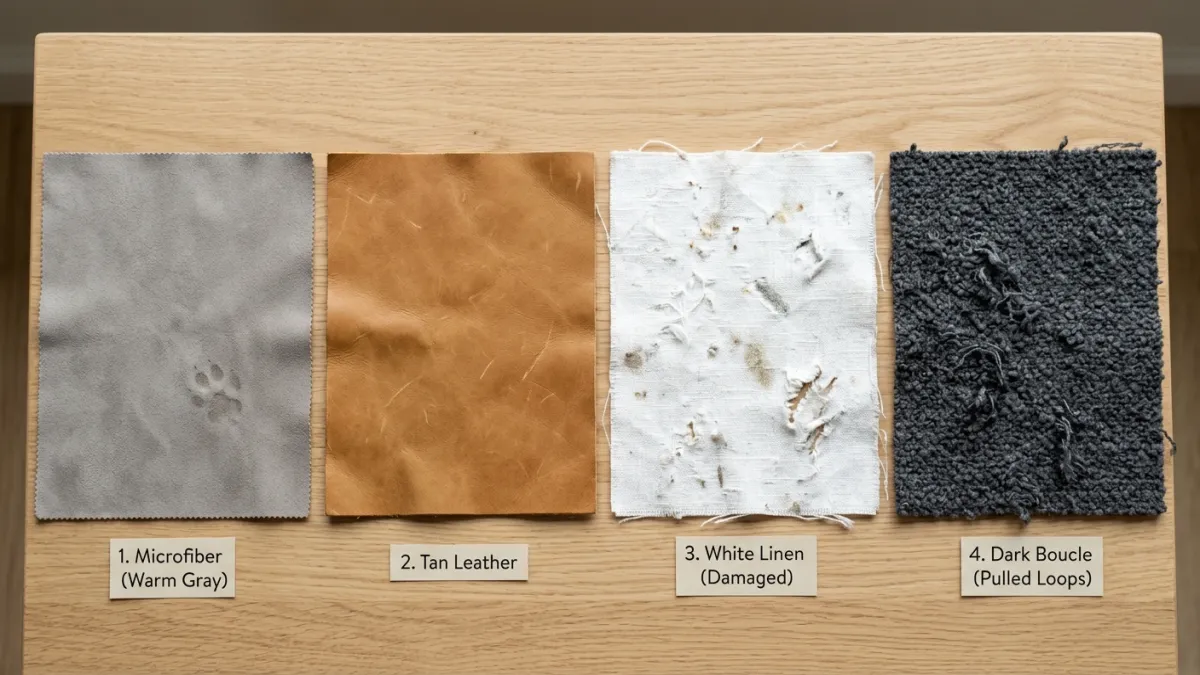
Performance fabrics (Crypton, Revolution, Sunbrella indoor). These are the real answer to pet-friendly upholstery. Unlike regular fabrics with a stain-resistant coating sprayed on top (which wears off within a year), performance fabrics are engineered at the fiber level to resist moisture, stains, odor, and bacteria. Spills bead on the surface. Dog drool wipes off with a damp cloth. Cat vomit (let’s be honest, it happens) doesn’t penetrate. And they come in textures and colors that look like normal upholstery, not like you covered your sofa in a tarp.
Tight-weave microfiber. The budget-friendly alternative to performance fabric. Pet hair slides off because there’s nothing for it to cling to. Claws can’t snag the surface because the weave is too tight. It’s not waterproof like Crypton, but it handles everyday pet life well and cleans easily with a damp cloth and mild soap.
Canvas and outdoor-grade cotton. Heavy, tight, durable. Works well for slipcovers that you can remove and machine wash. Not the most luxurious feel, but incredibly practical. IKEA’s washable sofa covers are essentially this:and they’re a perfectly valid solution that a lot of design-conscious pet owners overlook because it doesn’t feel “elevated” enough.
Leather (with dogs only). Real leather develops a patina with pet scratches that some people find beautiful. Dog nails leave surface marks that fade and blend over time, especially on aniline or distressed leather. It’s easy to wipe, doesn’t hold odor, and pet hair doesn’t stick. But it has two serious limitations: it’s terrible with cats (deep, permanent scratches), and it’s cold in winter, which means your dog will want to be on it even more.
The Fabrics to Avoid
Linen. Beautiful, breathable, and it will look destroyed within six months of pet ownership. It wrinkles when looked at, stains permanently, and every claw leaves a visible snag. If you love linen, save it for bedrooms where pets don’t go.
Bouclé. The loops are essentially cat toys. Every claw pull creates a visible snag that cannot be repaired. Bouclé chairs and sofas are gorgeous in pet-free homes and a disaster in homes with cats.
Velvet. This one surprises people. Velvet actually handles pet hair reasonably well (it brushes off), but it shows every water mark, drool stain, and wet nose print. If your dog doesn’t drool and your cat doesn’t vomit (lucky you), velvet can work. For everyone else, it’s a constant battle.
Chenille and silk. Delicate, snag-prone, impossible to clean properly. Keep these in rooms your pets genuinely never enter. If that room doesn’t exist in your home, skip them entirely.
Here is the whole fabric decision on one screen. Print it, screenshot it, take it to the furniture store:
Want a designer’s take before you commit? This walkthrough from Sleek-chic Interiors, an interior designer who is also a dog owner, covers the same material and layout choices from lived experience:

Video: “The BEST Pet Friendly Interior Design Tips (From A Dog Owner!)” by Sleek-chic Interiors.
Flooring: The Foundation of Every Pet-Friendly Home
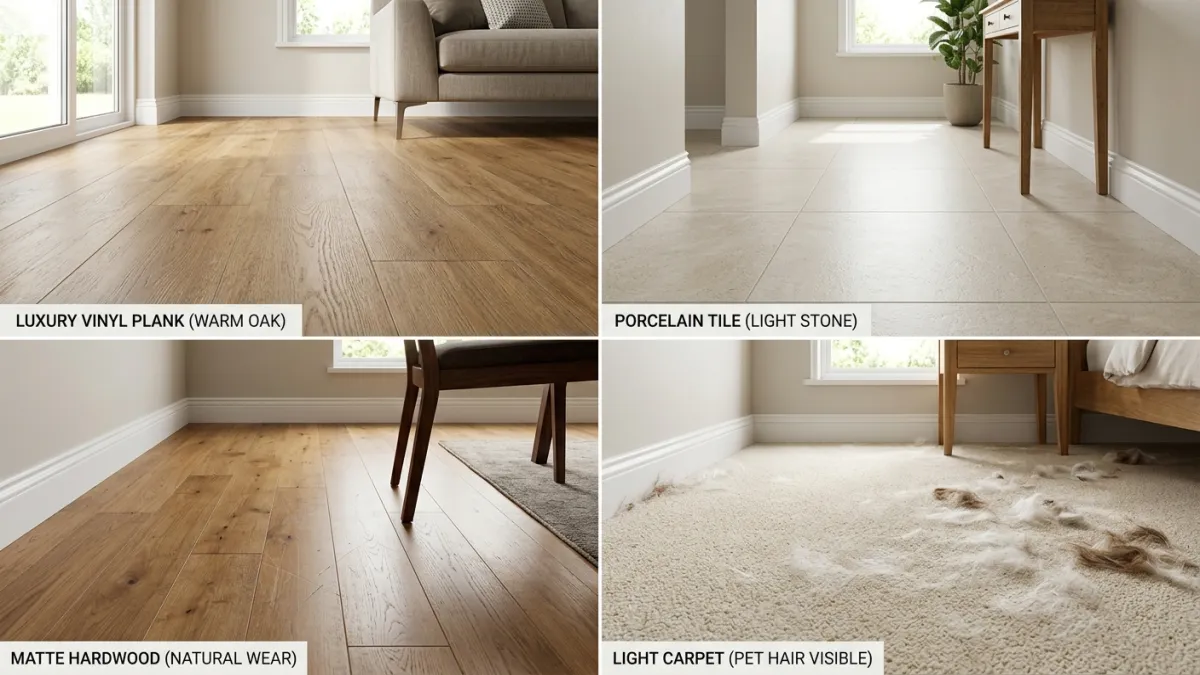
Your floor takes more abuse from pets than any other surface in your home. Nails, accidents, water bowls, muddy paws, zoomies at 6 AM. The wrong floor makes every day harder. The right floor makes pet ownership invisible.
Luxury Vinyl Plank (LVP): The Pet Owner’s Best Friend
If I could recommend only one flooring material to pet owners, it would be LVP. It’s waterproof (not water-resistant:waterproof), scratch-resistant, warm underfoot, comfortable for older dogs’ joints, and available in wood and stone looks that genuinely fool people. The price ranges from €20 to €60 per square meter installed, which makes it more affordable than real hardwood.
The technology has improved so much that high-quality LVP (like COREtec or Quick-Step) is nearly indistinguishable from real wood in person. Your guests won’t know. Your pets won’t care. And when your puppy has an accident at 3 AM, you’ll wipe it up in 20 seconds instead of panicking about your hardwood.
Tile and Stone: Bulletproof but Cold
Nothing survives pets like porcelain tile or natural stone. Waterproof, scratch-proof, stain-proof (with proper sealing for natural stone). The downside: it’s cold, hard, and uncomfortable for dogs to lie on. If you go this route, invest in underfloor heating and several washable rugs for the areas where your pets spend time.
Hardwood: It Depends on the Finish
Hardwood and dogs are not enemies:but the finish matters enormously. Matte or wire-brushed finishes on hard species (white oak, hickory, maple) hide scratches because the texture disguises them. High-gloss finishes show every single nail mark and make your floor look damaged within months.
If you already have hardwood and don’t want to replace it, get your dog’s nails trimmed every 2–3 weeks and add rugs in high-traffic areas. The scratches that do happen will blend into the wood’s patina over time, especially on wider planks with character.
Carpet: Just Don’t (or How to If You Must)
Carpet holds odor, stains, hair, dander, and bacteria in a way that no amount of vacuuming can fully address. If you must have carpet (bedrooms, stairs), choose a low-pile, stain-treated carpet in a mid-tone color and vacuum it three times a week minimum. But honestly:a hard floor with a washable rug on top gives you the warmth of carpet with none of the problems.
The Color Strategy: What Hides Pet Hair (and What Makes It Worse)
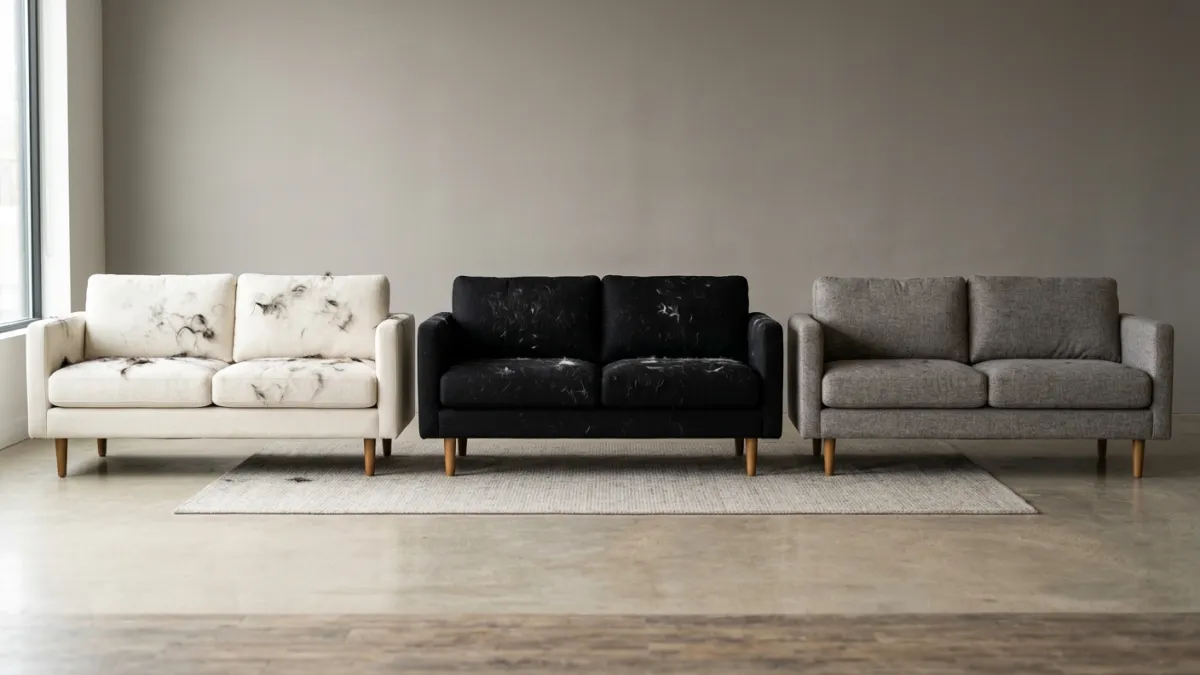
This is the part most design articles skip entirely, and it’s one of the biggest quality-of-life decisions you’ll make. The wrong furniture color turns pet hair into a visible, daily battle. The right color makes it nearly invisible between cleanings.
The rule is simple: match your furniture tone to your pet’s fur, or go mid-tone if you have multiple pets with different coloring.
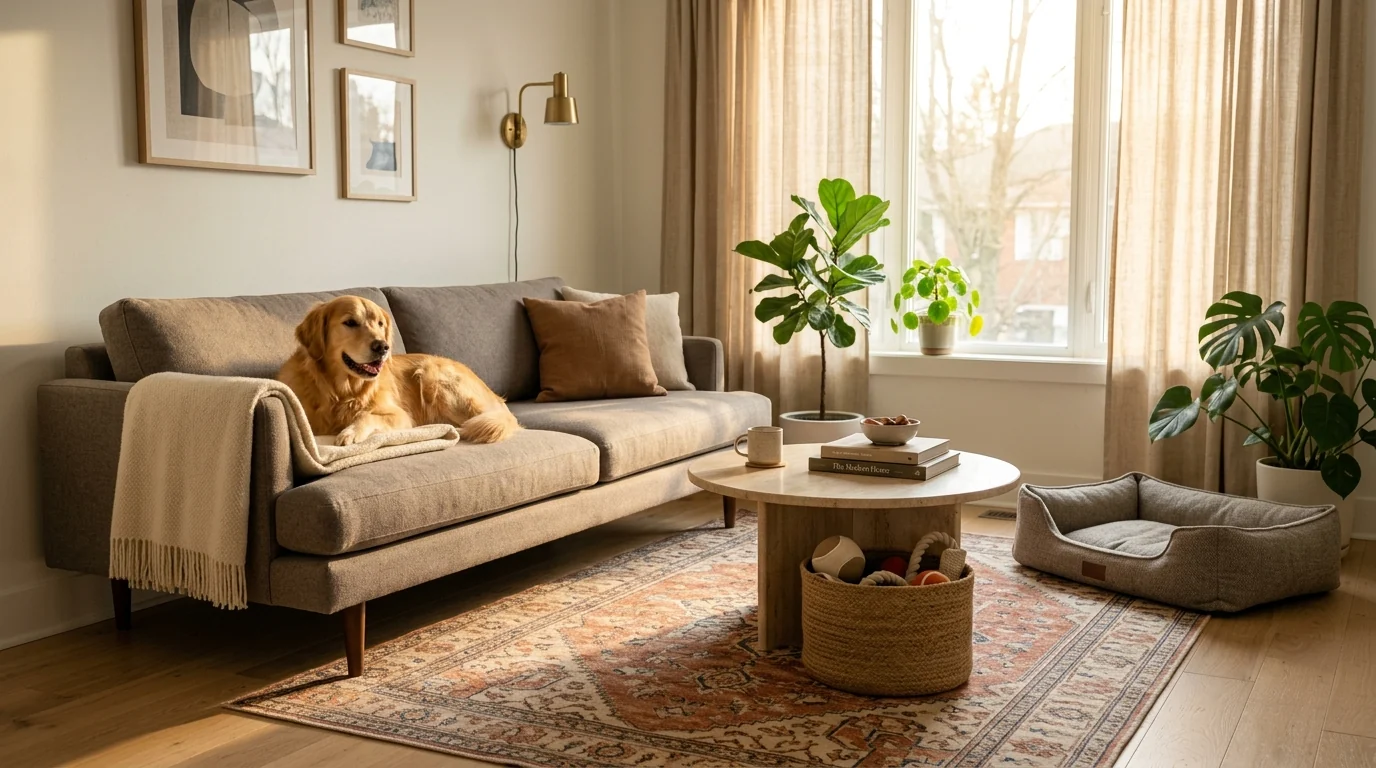
- Golden retriever, yellow lab, orange cat: Camel, warm tan, honey, warm beige. The hair blends right in.
- Black lab, dark cat: Charcoal, dark gray, espresso brown. Not pure black (which shows lint and light hair), but dark enough to absorb dark fur.
- White or light gray pet: Cream, light gray, oatmeal. Avoid pure white though:it shows everything else (dirt, paw prints, drool).
- Multi-colored pets or multiple pets with different coloring: Mid-tone heathered or tweed fabrics. Warm gray, olive, taupe, mushroom. The texture breaks up any visible hair.
Patterns are your best friend. A solid-color sofa shows every hair. A subtly patterned fabric (tweed, mélange, herringbone, heathered texture) hides hair dramatically better because the visual noise of the pattern disguises it. This isn’t about loud prints:a quiet heathered gray performance fabric looks clean and modern while hiding ten times more hair than a solid ivory.
For more on how color choices transform a room, see our paint color guide and guide to matching furniture with wall colors.
Room by Room: Pet-Friendly Design That Looks Intentional
Living Room
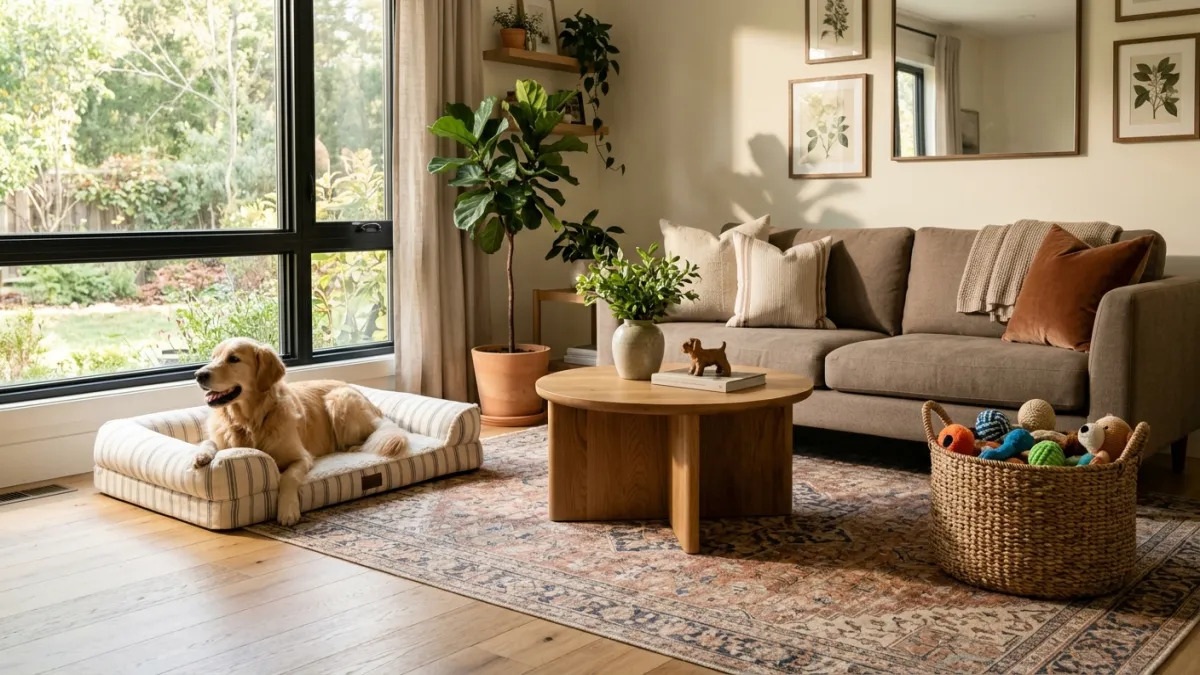
The living room is ground zero for pet-owner design. This is where your pet spends the most time, where guests see the results, and where the tension between “looks good” and “survives a labrador” is highest.
Sofa strategy: Performance fabric in a mid-tone that works with your pet’s coloring. If you love the look of slipcovers, even better:machine-washable covers in canvas or heavy cotton let you deep-clean monthly. Position the sofa away from direct sunlight near the window, because that’s where your dog will want to nap:give them a dedicated bed in the sun spot instead.
Coffee table: Pets knock things off coffee tables constantly. Go with a sturdy, rounded-edge table (no glass tops with dogs:tails are battering rams). If you have an older or arthritic dog, choose a table height that doesn’t require them to step over when navigating the room. An upholstered ottoman doubles as a coffee table and a dog bed:cover it in a washable fabric.
Rugs: Washable. Full stop. A good washable rug under the coffee table and seating area protects your floor, gives your dog a comfortable surface, and handles accidents without drama. Choose a pattern that hides wear and hair. For more living room ideas, check our AI living room design prompts.
Storage: Build pet supplies into your design. A basket or console with bins near the sofa for toys, leashes, treats. If it looks intentional, it doesn’t look messy. Scattered toys on the floor look chaotic. Toys in a designed basket look like part of the decor.
Kitchen and Dining Area
The kitchen is where water bowls live, food gets spilled, and muddy paw prints appear first. Design for it instead of fighting it.
Feeding station: A built-in or dedicated nook with a washable mat underneath the bowls transforms a messy corner into a design feature. Elevated bowls on a simple wooden stand look better than bowls sitting directly on the floor and are healthier for larger dogs. Place it away from foot traffic:not next to the door where you trip over it, but in a corner or against a wall near the pantry.
Flooring: Tile or LVP in the kitchen is non-negotiable with pets. Hardwood in a kitchen with a water-obsessed dog is asking for warped floorboards. Put a washable mat under the water bowl and extend it at least 30 cm beyond the bowl in every direction:dogs are messier drinkers than you think.
Dining chairs: Skip upholstered dining chairs if your pets have access to the dining area. Wood, metal, or molded plastic chairs wipe clean instantly and don’t collect hair. If you want the warmth of upholstery, use removable seat cushions in a washable fabric that you can throw in the machine weekly.
Bedroom
Whether your pet sleeps in your bedroom is a personal choice. If they do, design for it rather than pretending they don’t.
Bedding: A washable duvet cover that you change weekly handles most of the hair and dander. Choose a mid-tone color and avoid anything that requires dry cleaning. Linen bedding actually works well here (even though linen sofas don’t) because you wash it regularly and the relaxed, slightly wrinkled look is part of the aesthetic.
Pet bed placement: Put a quality pet bed at the foot of your bed or next to it. Dogs are creatures of habit:if they have their own comfortable spot within sight of you, most will use it rather than climbing onto your bed. The bed should be low enough to step into easily (especially for older dogs) and have a removable, washable cover.
Bed height: If your dog sleeps with you and is getting older, consider a lower bed frame or pet stairs. A dog jumping on and off a high bed multiple times a day puts serious stress on joints. This is a design decision that also happens to be a health decision. For more bedroom layout ideas, see our bedroom design guide.
Entryway and Mudroom
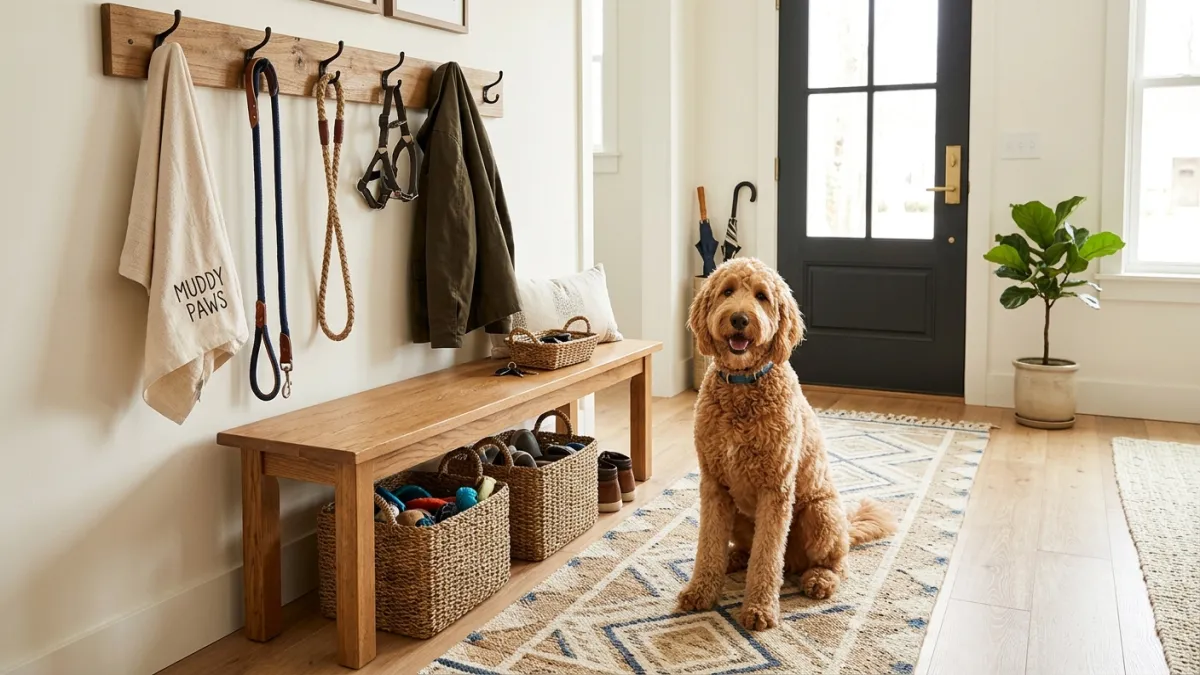
This is the most underrated room in a pet owner’s home. A well-designed entry transition zone prevents 80% of the mess that spreads through the rest of the house.
The essentials: A washable runner or mat (not a thin doormat:a real runner that covers the first 1–2 meters of entry), hooks for leashes at a comfortable height, a shelf or basket for towels to wipe muddy paws, and a hard-surface floor that handles wet, dirty shoes and paws without damage.
If you have a dedicated mudroom, add a low bench where you can sit to wipe your dog’s paws, storage underneath for leashes, harnesses, and bags, and a towel hook within arm’s reach. This doesn’t have to be expensive or elaborate:a simple bench with hooks and a basket turns a chaotic entry into a calm routine.
Cat-Specific Design: Vertical Space and Scratch Management
Cats need different things than dogs. Dogs live on the horizontal plane. Cats live vertically. Designing for cats means thinking about what happens above counter height.
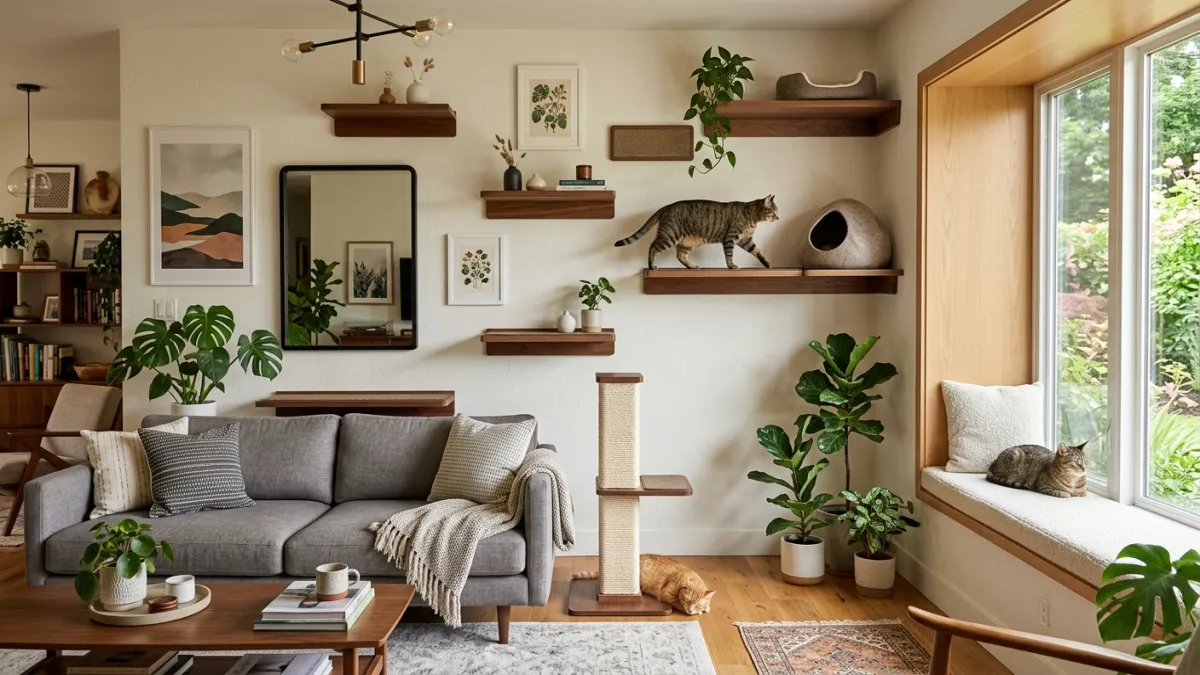
Vertical space is not optional. Cats need to climb. If you don’t provide designated climbing surfaces, they’ll use your bookshelves, curtains, and the top of your kitchen cabinets. The good news: cat shelves and wall-mounted climbing systems have gotten genuinely stylish. Floating wooden shelves at staggered heights along a wall serve as both cat highway and design feature. Some brands make wall-mounted cat furniture in walnut and oak that looks like minimalist wall art until a cat walks across it.
Scratching happens. Redirect it. Cats scratch to stretch, mark territory, and maintain their claws. You cannot stop it. You can redirect it. Place a scratching post or pad directly next to every piece of furniture your cat currently scratches. Sisal-wrapped posts work best for most cats. Once they consistently use the post, you can gradually move it to a spot that works better for your layout:but start next to the furniture or they’ll ignore the post.
Litter box solutions: The litter box is the design challenge that nobody wants to talk about. The best approach: a dedicated piece of furniture that hides the box (an enclosed cabinet or a modified bench with a cat-sized entry hole). Place it in a bathroom, laundry room, or low-traffic hallway:never in the kitchen or living room. Good ventilation around the furniture piece is essential to prevent odor buildup.
Window perches. A simple shelf or cushioned perch mounted at window height costs under €30 and dramatically improves your indoor cat’s quality of life. Cats can spend hours watching birds and outdoor movement. It also keeps them off your windowsill, where they knock plants and objects onto the floor.
Dog-Specific Design: Durability, Access, and Aging
Dogs create different design challenges than cats. The issues are weight, moisture, energy, and eventually, mobility.
Crate furniture. If you crate train your dog, the crate doesn’t have to be an eyesore in the corner. Furniture-grade crates in wood and metal that function as end tables or console tables exist in every style from mid-century modern to farmhouse. A crate that doubles as a side table next to your sofa integrates into the room rather than disrupting it.
Outdoor access. If your dog goes in and out frequently, the area around the back door or patio door takes the most abuse. Hard, waterproof flooring for at least 2 meters inside the door. A towel station or paw-washing mat right at the threshold. And if possible, a small outdoor rinse station (even just a hose with a sprayer attachment near the door) to handle muddy paws before they enter.
Designing for aging dogs. This is the part nobody thinks about until their 8-year-old lab starts struggling with stairs. If you’re designing a home you’ll live in for a decade, think about it now. Ramps or pet stairs next to beds and sofas. Non-slip surfaces on hard floors (rugs with non-slip pads at the bottom of stairs, in hallways, and in the kitchen). Raised feeding stations that reduce neck strain. Orthopedic pet beds with bolstered edges for joint support. These aren’t just functional:they look thoughtful and intentional when designed into the room.
Five Mistakes That Make Pet Owners’ Homes Look Bad
1. Fighting the pet instead of designing for it. Putting aluminum foil on the sofa, covering furniture in plastic, blocking rooms with baby gates everywhere. These “solutions” make your home look worse than any pet damage would. If your pet uses the sofa, buy a sofa that handles it. If your cat needs to scratch, give it something to scratch. Design with your pet, not against it.
2. The scattered toy problem. Pet toys across every room signal chaos. A single basket or bin in the living room and one in the bedroom keeps toys accessible but contained. Train yourself (not the pet) to toss toys back in the basket when you walk past them.
3. Choosing fragile materials and then resenting the pet. If you buy a white linen sofa knowing you have a muddy labrador, the problem isn’t the labrador. Be honest about your lifestyle when choosing materials. A pet-appropriate fabric that you love is infinitely better than a beautiful fabric that you spend every day trying to protect.
4. Ignoring pet zones. Pets need their own spaces:a bed, a feeding area, a crate or quiet corner. When these don’t exist, the pet takes over yours. A good pet zone designed into the room layout looks intentional. A dog sleeping on a pile of blankets in the corner looks neglected.
5. Overthinking it. The perfect is the enemy of the pet-friendly. You don’t need to replace everything at once. Start with the sofa fabric, add washable rugs, create a feeding station, and build from there. The biggest improvements come from three or four specific material choices, not a full renovation.
The Best Pet-Friendly Furniture Brands (and What to Actually Buy)
You do not need a specialist “pet furniture” label. You need the right fabric and construction from brands that already sell it. Here is where the pieces that survive real pets actually come from, at three budgets, based on the materials that hold up in the sections above.
One buying rule beats every brand name: order fabric swatches before you commit. Every major retailer sends them free, and a claw drag and a wet-cloth wipe on the actual swatch tells you more than any product description. If you are also weighing overall cost, our 2026 furniture price guide shows what performance-fabric sofas really run, and the cost to furnish a house breakdown helps you budget the whole room.
See What Pet-Friendly Design Looks Like in Your Room
The hardest part of pet-friendly design is visualizing how different materials, colors, and layouts will look in your actual space. A performance fabric sofa in warm gray looks different in a bright, south-facing living room than it does in a darker north-facing one. A washable rug that looks perfect online might clash with your existing floor.
Upload a photo of your room to MeltFlex and try different color palettes, furniture styles, and material combinations before buying anything. You can test whether camel or warm gray works better with your floor, see how a pattern rug would look under your seating area, or try a completely different layout that creates space for a dedicated pet zone.
Five minutes testing in MeltFlex saves weeks of returns and regret. And unlike shopping in a store, you’re seeing the furniture in your room, with your light, with your walls.
Your Pets Are Not the Problem. Your Materials Are.
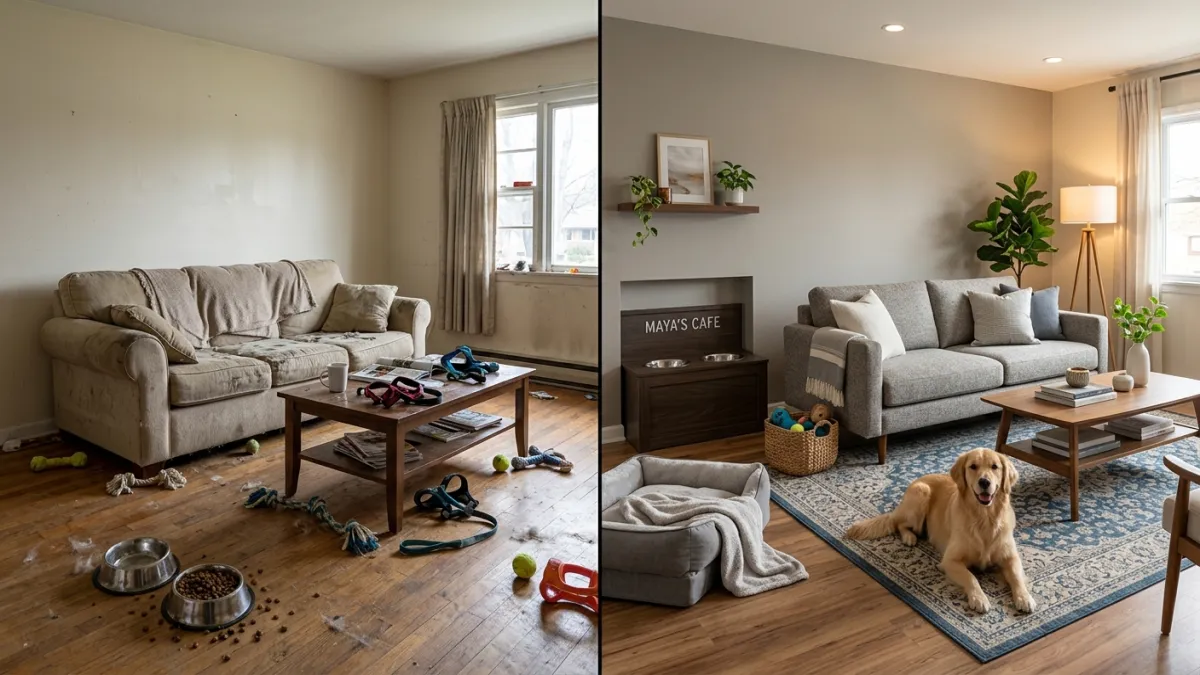
The homes that look the best with pets are not the ones where pets are banned from every room. They’re the ones where every material, color, and layout decision was made with the reality of pet ownership in mind.
A performance fabric sofa in the right color. LVP or tile floors with washable rugs. A designated feeding station that looks designed, not dumped. Cat shelves that double as wall art. A mudroom routine that catches dirt at the door. These are small, specific decisions that add up to a home where visitors say “I can’t believe you have two dogs and a cat” instead of “yeah, I can tell you have pets.”
Start with the sofa and the floor. Those two choices solve 70% of the problem. Add a washable rug, a proper feeding station, and a decent pet bed, and you’ve solved 90%. The remaining 10% is just keeping up with the lint roller:and that’s true whether your furniture cost €500 or €5,000.
For more room-by-room design ideas, explore our guides on decorating a room from scratch, designing on a budget, and interior design styles and trends. For the condensed version of this whole guide, our quick answer on pet-friendly interior design covers the fabric, floor, and color rules in two minutes.



)