The average cost to furnish a house in 2026 ranges from $16,000 to $95,000+ depending on home size, quality level, and how many rooms you furnish. A 3-bedroom home at mid-range quality (a mix of IKEA, West Elm, and Article-level furniture) costs approximately $22,000-$35,000 to furnish from scratch. Budget furnishing with IKEA and affordable brands runs $8,000-$16,000. Premium furnishing with designer pieces starts at $50,000 and can exceed $95,000.
Our articles are still written by humans!
Get human written articles in your Google feed.
These ranges reflect mid-2026 retail pricing that we track against real store listings. Furniture costs also move with inflation, so if you are budgeting a few months out, it helps to watch the trend in the U.S. Bureau of Labor Statistics Consumer Price Index, which reports a dedicated furniture and bedding category.
One 2026 reality worth planning around: import tariffs and shipping costs have kept mid-range furniture prices sticky, so the sofa or dining set you priced last year likely costs more today. That makes two habits pay off more than ever, buying in the right sale window and not over-ordering pieces that will not fit. Our 2026 furniture price guide breaks down current per-item costs so your budget below matches what you will actually see at checkout.
 FreeUpload photo · freeFurnish my room for freeUpload a photo of the room and MeltFlex fills it with real furniture you can buy, placed at true scale. Your first AI design is free, no card needed.


Watch: How to Furnish a Whole Home on a Budget
If you are starting from an empty house, this walkthrough from home creator Paige Wassel is one of the most practical we have found. She covers how to prioritize rooms, where it pays to spend, and where secondhand and IKEA get you most of the look for a fraction of the price.

Video: “How to Furnish and Decorate Your Home (From Scratch and on a Budget)” by Paige Wassel.
This guide breaks down exact costs for every room at three budget tiers, reveals the hidden costs that catch most people off guard, and shows you how to save 30-50% by planning your purchases strategically, including how to visualize every piece in your actual space with AI before spending a dollar.
Furniture Budget Calculator
Pick your home size and quality level below to get an instant, itemized estimate, room by room, with the delivery, assembly, tax, and return costs that furniture stores never put on the price tag. Adjust the bedrooms, bathrooms, and office to match your real floor plan.
Interactive calculator
Loading… if it does not appear, refresh the page.
The numbers below explain where every figure in that estimate comes from, so you can trust it and adjust it for your own space.
Total Cost to Furnish a House by Size (2026)
These are all-in estimates including furniture, lighting, rugs, curtains, and basic decor. They exclude appliances, kitchenware, and linens (those are broken out separately below).
What "budget," "mid-range," and "premium" mean: Budget = IKEA, Wayfair, Target, and secondhand. Mid-range = West Elm, Article, CB2, Crate & Barrel. Premium = Restoration Hardware, custom furniture, designer pieces, and high-end European brands.
The cheapest way to move a room up a tier without moving up a budget is to modify what you already bought. A wall of IKEA hacks like a boxed in PAX wardrobe or a BILLY library wall lands between 545 and 1,275 dollars in parts, against four figures per linear metre for the fitted equivalent.
Room-by-Room Furniture Cost Breakdown
Here is the whole house at a glance. Each range below is a full furnish for that room (furniture, lighting, textiles, and basic decor) at each quality tier.
Living Room: $2,500-$18,000
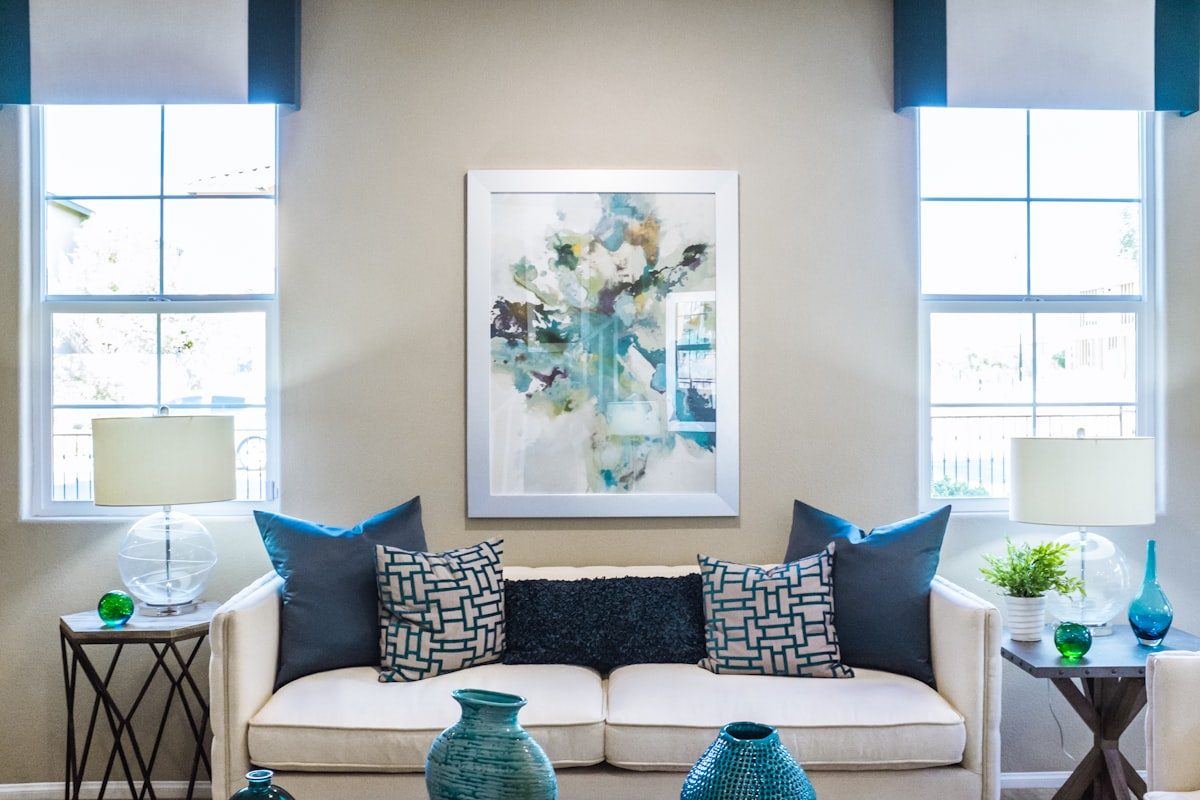
The living room is typically the most expensive room because it has the most furniture and the highest "display" value, since guests see it first.
Budget tier ($2,500-$4,500):
- Sofa: $400-$800 (IKEA Friheten, Wayfair)
- Coffee table: $80-$200
- TV stand or wall mount: $50-$150
- Area rug (200x290 cm): $100-$250
- Floor lamp + table lamp: $60-$120
- Curtains (2-3 windows): $60-$120
- Throw pillows + blanket: $50-$100
- Wall art: $50-$150
- Budget total: ~$2,500-$4,500
Mid-range tier ($5,000-$10,000):
- Sofa: $1,200-$2,500 (Article, West Elm, CB2)
- Armchair: $500-$1,000
- Coffee table: $300-$600
- Side tables (2): $200-$400
- Media console: $400-$800
- Area rug: $300-$800
- Lighting (floor lamp + pendant + table lamp): $200-$500
- Curtains: $150-$300
- Decor (art, plants, accessories): $300-$600
- Mid-range total: ~$5,000-$10,000
Premium tier ($12,000-$18,000):
- Sofa: $3,000-$6,000 (Restoration Hardware, B&B Italia)
- Armchairs (2): $1,500-$3,000
- Coffee table: $800-$2,000
- Area rug: $1,000-$3,000
- Lighting (designer): $500-$2,000
- Custom curtains: $500-$1,000
- Art and decor: $1,000-$3,000
- Premium total: ~$12,000-$18,000
Where to splurge: The sofa. You sit on it every day for 7-15 years. A $1,500 sofa that lasts 10 years costs $150/year. A $500 sofa that sags after 3 years costs $167/year, and you have to replace it. See our furniture buying guide for more on avoiding expensive mistakes.
Primary Bedroom: $2,000-$15,000
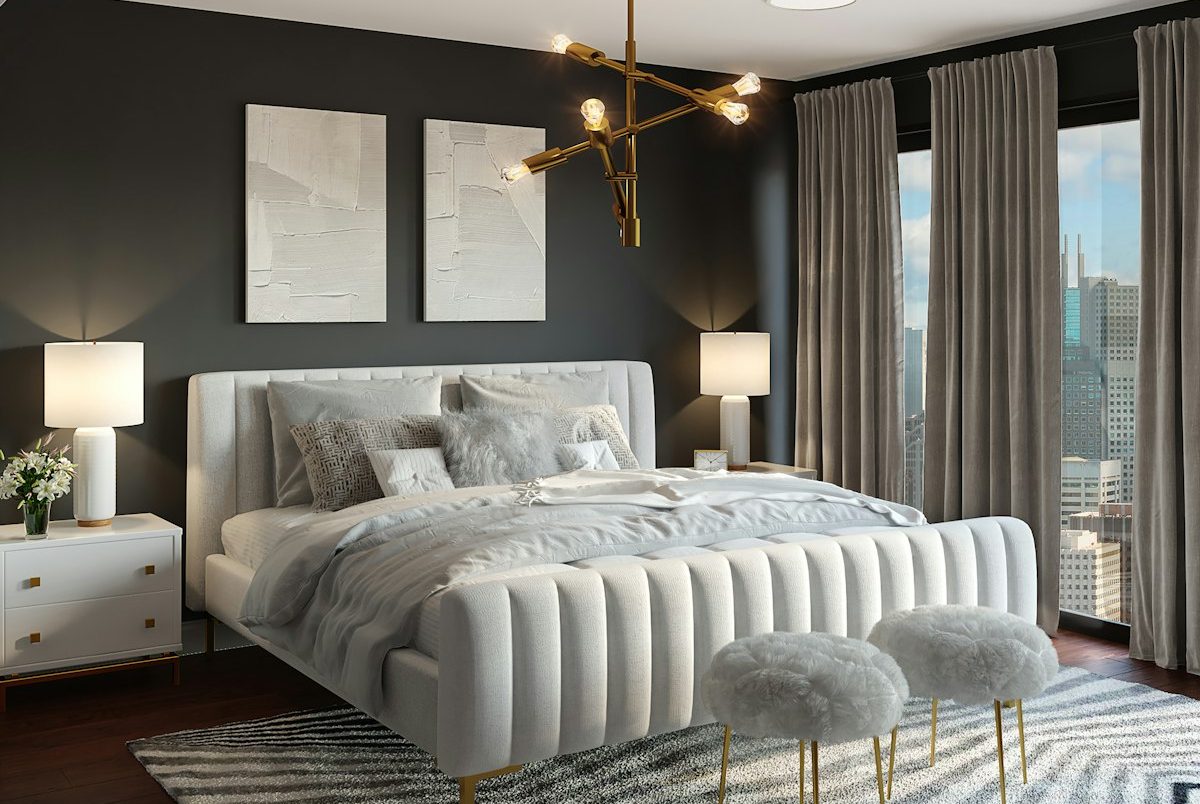
The bedroom is where your money has the most direct impact on your daily life. Sleep quality affects everything, and that starts with the mattress.
Budget tier ($2,000-$3,500):
- Mattress: $300-$600 (Casper Element, Zinus, Tuft & Needle)
- Bed frame: $150-$400
- Nightstands (2): $80-$200
- Dresser or wardrobe: $200-$500
- Bedding set: $80-$150
- Lamps (2): $40-$80
- Rug: $60-$150
- Curtains: $40-$80
- Budget total: ~$2,000-$3,500
Mid-range tier ($4,000-$8,000):
- Mattress: $800-$1,500 (Casper Original, Purple, Saatva)
- Upholstered bed frame: $600-$1,200
- Nightstands (2): $300-$600
- Dresser: $500-$1,000
- Bedding (linen/cotton): $200-$400
- Table lamps (2): $100-$300
- Rug: $200-$500
- Curtains + blinds: $150-$300
- Art + mirror: $150-$400
- Mid-range total: ~$4,000-$8,000
Where to splurge: The mattress. Always. A good mattress lasts 8-10 years and directly impacts your health, mood, and productivity. This is the one purchase you should never cheap out on, even on a budget.
Kitchen: $500-$5,000 (Furniture and Essentials Only)
Kitchen costs vary wildly depending on whether your home comes with appliances. This breakdown covers furniture and essentials, not appliances or renovation.
- Dining table + chairs: Budget $200-$500 | Mid $600-$1,500 | Premium $2,000-$4,000
- Bar stools (if island): Budget $60-$150/pair | Mid $200-$400/pair | Premium $500-$1,000/pair
- Cookware starter set: $100-$300
- Dishware + glasses + flatware: $80-$200
- Small appliances (coffee maker, toaster, kettle): $80-$250
- Storage (pantry organizers, spice rack): $40-$100
- Kitchen textiles (towels, mats): $30-$60
See our kitchen design guide for layout ideas.
Bathroom: $150-$2,000 (Per Bathroom)
- Towel set (bath + hand + washcloth x2): $40-$120
- Shower curtain + liner + rings: $20-$60
- Bath mat: $15-$50
- Toiletry storage (shelving, organizers): $30-$80
- Mirror (if not built-in): $30-$200
- Accessories (soap dispenser, trash can, toilet brush): $20-$60
- Bathroom total: Budget $150-$300 | Mid $300-$600 | Premium $600-$2,000
Home Office: $500-$5,000
- Desk: Budget $100-$250 | Mid $400-$800 | Premium (standing desk) $800-$2,000
- Office chair: Budget $100-$250 | Mid $400-$800 (Herman Miller Aeron alternative) | Premium $1,000-$1,800 (Herman Miller)
- Monitor stand/arm: $25-$80
- Desk lamp: $25-$80
- Bookshelf: $60-$300
- Cable management: $15-$30
Where to splurge: The chair. If you work from home 8+ hours daily, a quality ergonomic chair prevents back pain that no amount of doctor visits can fix. See our home office guide.
Guest Bedroom: $800-$4,000
- Mattress: Budget $150-$300 | Mid $400-$700
- Bed frame: $100-$400
- Nightstand: $40-$150
- Bedding: $60-$150
- Lamp + basics: $40-$100
Kids' Room: $1,000-$5,000
- Bed (toddler/twin/bunk): $150-$800
- Mattress: $100-$400
- Dresser: $150-$500
- Desk + chair (school age): $100-$300
- Storage (toy bins, bookshelf): $80-$200
- Rug: $50-$150
- Bedding + decor: $80-$200
Cost to Furnish an Apartment (2026)
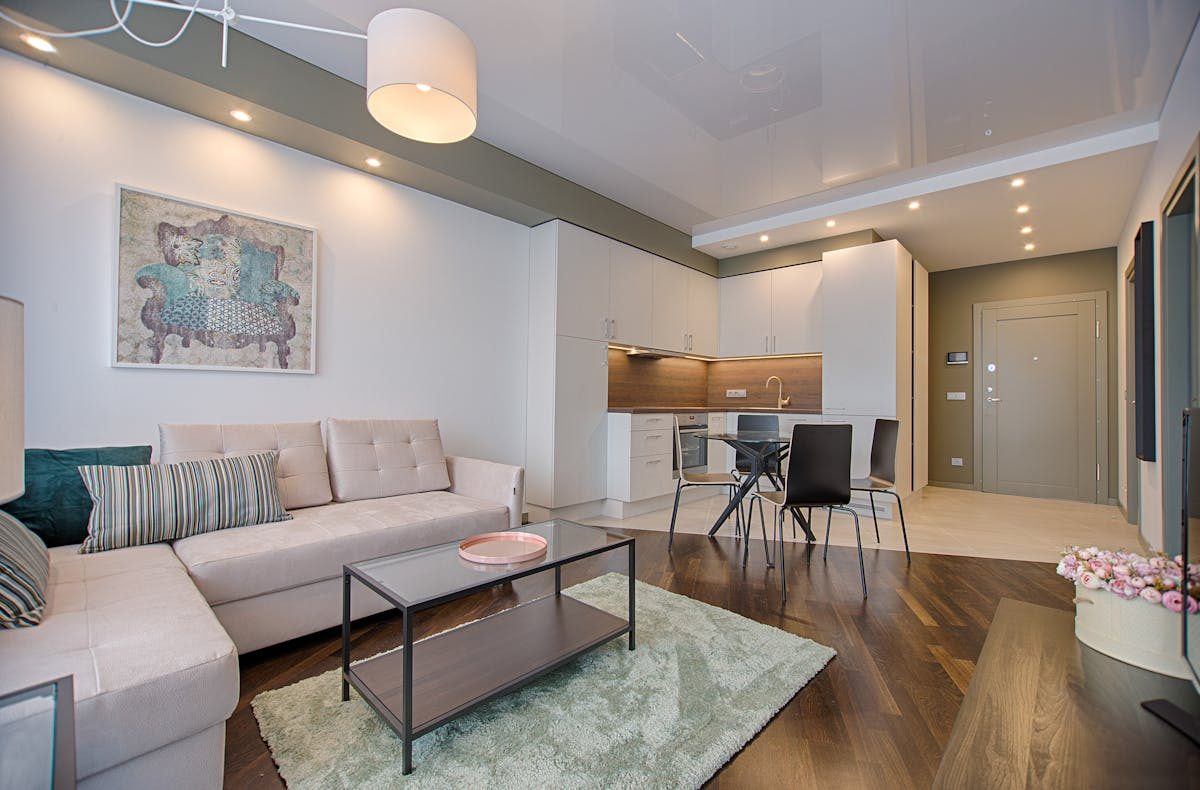
Apartments typically cost less to furnish than houses because they have fewer rooms and smaller dimensions requiring smaller (cheaper) furniture.
- Studio apartment: $5,000 to $8,000 mid-range. You need: a bed, a sofa (or daybed), a dining surface, storage, and lighting. See our studio apartment layout guide.
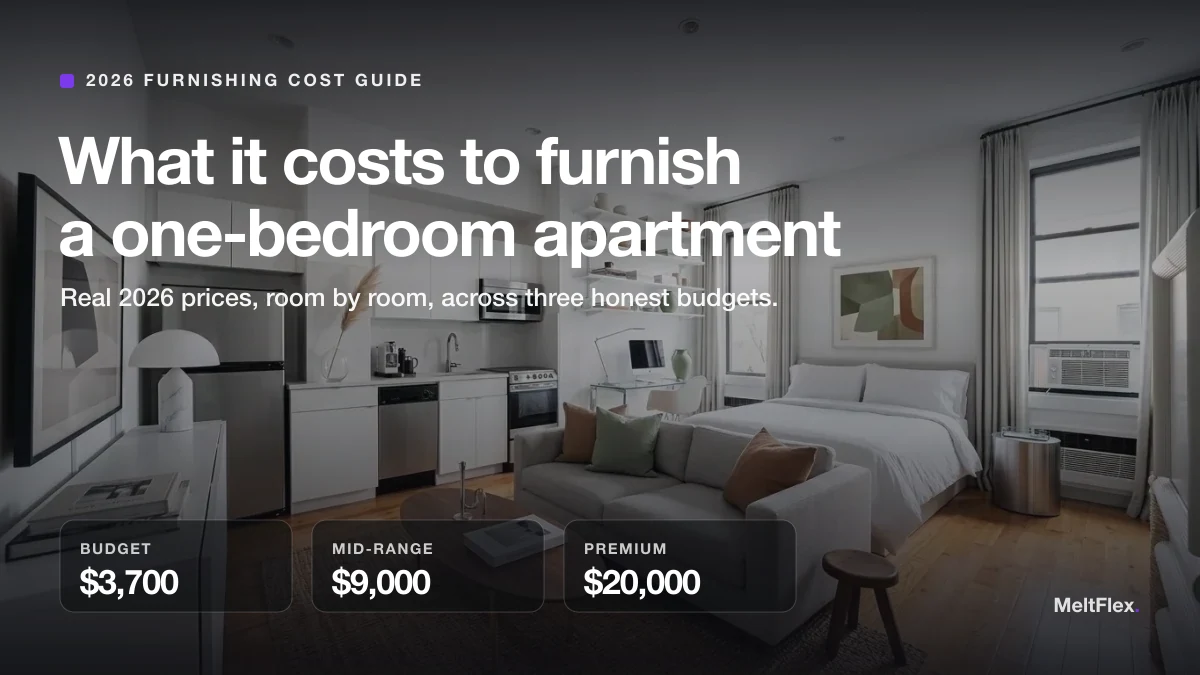
- 1-bedroom apartment: $7,000 to $12,000 mid-range. Living room + bedroom + kitchen essentials + bathroom.
- 2-bedroom apartment: $12,000 to $22,000 mid-range. Add a second bedroom and potentially a home office.
- 2-bedroom condo: $12,000 to $22,000 mid-range, the same envelope as a 2-bedroom rental, plus two costs owners forget. Building rules often force a service lift booking and a certificate of insurance from the delivery company, and older condos with tight lift dimensions push large sofas into a split-delivery or a knock-down model. Budget an extra $200 to $600 for delivery friction alone.
For renters, see our dedicated rental apartment design guide. It covers how to transform a rental for under $1,000 using only renter-friendly, damage-free upgrades.
Hidden Costs Nobody Warns You About
The sticker price of furniture is never the final cost. These hidden expenses add 15-30% to your total budget:
How to Save 30-50% on Your Furnishing Budget
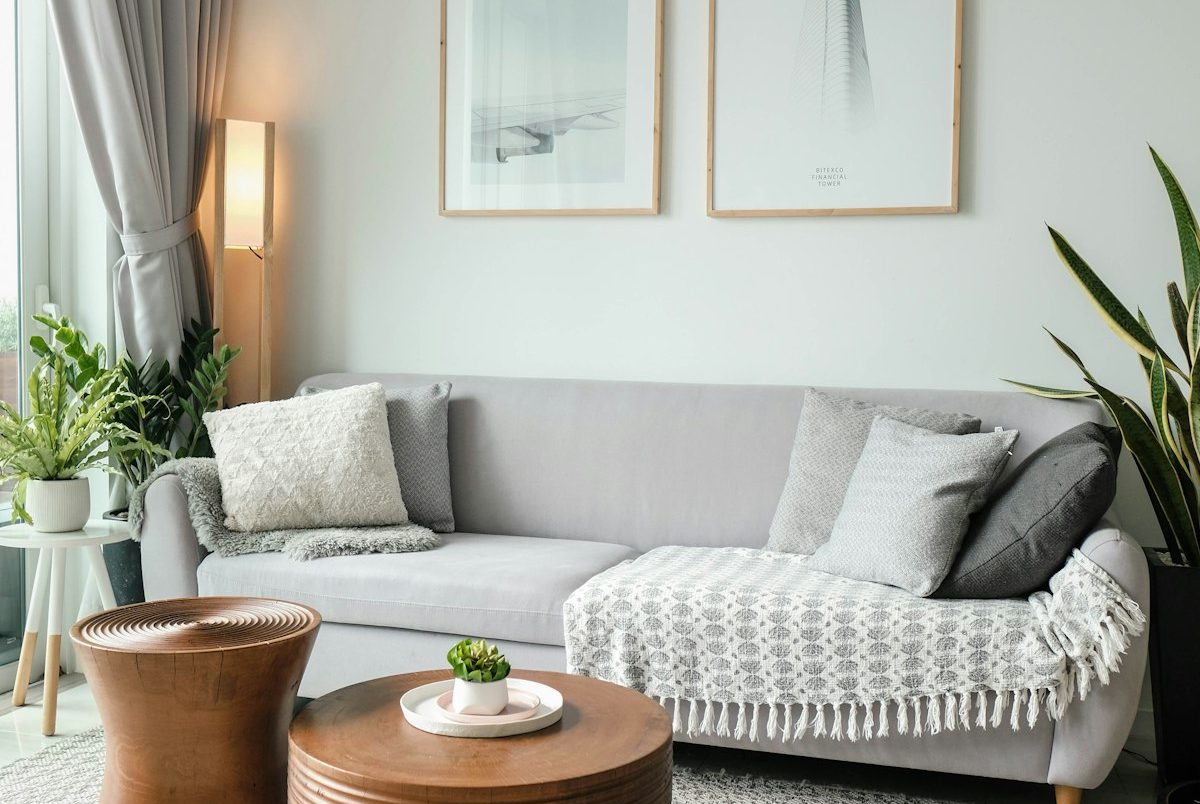
Before the tactics below, it helps to see how a working US decorator splits a furnishing budget across IKEA, DIY, and designer pieces. Reynard Lowell walks through the real trade-offs and six money-saving moves:

Video: “Cost To Furnish An Apartment + 6 Budget Saving Tips” by Reynard Lowell.
1. Visualize Before You Buy (Saves 15-25%)
The #1 most expensive furnishing mistake is buying furniture that does not fit your space. A sofa that blocks the doorway. A dining table too large for the room. A rug too small for the furniture grouping. Each mistake costs $200-$2,000 in returns, re-delivery, and replacements.
Upload your floor plan to MeltFlex (free) and place furniture at exact real-world scale in a 3D model. See immediately if it fits. Test different arrangements. Generate photorealistic renders to check if the style works. Ten minutes of planning prevents thousands in mistakes.
2. Buy Essentials First, Decor Later (Saves 10-20%)
Furnish in phases: Month 1: bed, mattress, sofa, dining table, basic lighting. Months 2-3: coffee table, rugs, curtains, nightstands.Months 4-6: art, plants, accent furniture, decorative pieces. This prevents impulse purchases and lets you live in the space before making decor decisions.
3. Time Your Purchases (Saves 20-40%)
- January: Post-holiday clearance. 30-50% off at most retailers.
- Presidents' Day / February: Major mattress sales (20-40% off).
- Memorial Day / May: Outdoor furniture sales + mattress deals.
- July 4th: Mid-year clearance on spring collections.
- Labor Day / September: End-of-summer furniture sales.
- Black Friday / November: The biggest discounts of the year (30-60% off at most stores).
4. Mix Budget + Mid-Range Strategically
You do not need everything from the same tier. The smartest furnishing strategy:
- Splurge on: Mattress, sofa, office chair, dining table (daily-use items that affect comfort and last 5-15 years)
- Save on: Nightstands, bookshelves, dining chairs, TV stand, storage furniture (functional items where quality differences are minimal)
- Budget on: Curtains, rugs, throw pillows, decor, lamps (easily replaceable items you will update every 2-3 years anyway)
5. Consider Secondhand for 40-60% Savings
Facebook Marketplace, Craigslist, and estate sales offer premium furniture at 40-70% off retail. Best secondhand finds: solid wood dining tables ($200-$500 vs. $1,000-$3,000 new), bookshelves, accent chairs, and mirrors. Avoid secondhand: mattresses (hygiene), sofas with unknown stain history, and anything with fabric you cannot clean.
What to Furnish First: The Priority Order
If you are moving into an empty home and cannot buy everything at once, furnish in this order:
- Day 1 essentials: Mattress (sleep on the floor if you must, but a mattress changes everything). Bedding. Towels. Toilet paper. Coffee maker.
- Week 1: Bed frame. Sofa. Basic lighting (at least one lamp per room, since overhead lights alone are rarely enough). Kitchen basics (one pot, one pan, plates, utensils).
- Month 1: Dining table + chairs. Nightstands. Curtains (massive visual impact). One area rug for the living room.
- Months 2-3: Coffee table. Dresser or wardrobe. Desk (if working from home). Additional rugs. Wall art.
- Months 3-6: Accent furniture (armchair, side tables, bookshelf). Plants. Decorative accessories. Guest bedroom furniture.
For a complete step-by-step, see our what it costs to furnish a house.
AI Designer vs. Professional Designer: When Each Makes Sense
You do not always need a professional designer, but you should always plan before buying:
- Use AI tools ($0-$39/month): For room styling, layout planning, furniture visualization, and color testing. Best for single rooms, apartments, and budgets under $20,000. MeltFlex, RoomGPT, and Interior AI all offer free tiers.
- Hire an online designer ($200-$500/room): For curated shopping lists, personalized style guidance, and professional mood boards. Best when you know your budget but not your style. Services like Havenly and Decorilla.
- Hire a full-service designer ($2,000-$12,000/room): For custom furniture, material sourcing, contractor management, and complex renovations. Worth it for high-budget projects ($50,000+) where mistakes are expensive.
The best approach for most people: start with AI (explore styles with the free AI interior design tool and test furniture arrangements with the AI room layout tool), then decide if you need professional help for execution. See our AI interior design guide for a detailed comparison.
Furnishing Budget Checklist
- Have you measured every room and verified furniture dimensions in a 3D planner?
- Have you added 15-30% to your furniture budget for delivery, assembly, tax, and returns?
- Have you prioritized the mattress and sofa as your highest-spend items?
- Have you checked the sale calendar to time your biggest purchases?
- Have you planned a phased purchasing order (essentials first, decor later)?
- Have you visualized your top furniture picks at real scale in your actual room layout?
- Have you identified which items to buy new (mattress, sofa) vs. secondhand (table, bookshelf)?
Frequently Asked Questions
How much does it cost to furnish a house from scratch?
The average cost to furnish a house from scratch in 2026 is $16,000 to $35,000 for a 3-bedroom home at mid-range quality. Budget furnishing costs $8,000 to $16,000 using IKEA and affordable brands. Premium furnishing costs $50,000 to $95,000 or more with designer brands and custom pieces. The biggest single costs are the living room at $2,500 to $18,000 and the primary bedroom at $2,000 to $15,000.
How much does it cost to furnish an apartment?
A studio costs $5,000 to $8,000 at mid-range quality, a 1-bedroom apartment $7,000 to $12,000, and a 2-bedroom apartment or condo $12,000 to $22,000. Going budget with IKEA and secondhand cuts those by 40 to 60 percent. Furnish in this order: bed and mattress, sofa, dining surface, lighting.
How much does it cost to furnish a 2 bedroom apartment?
$12,000 to $22,000 at mid-range quality in 2026. The budget route, meaning IKEA, Wayfair, Target and secondhand, runs $6,000 to $10,000, and premium runs $25,000 to $50,000. Roughly half of the total sits in the living room and primary bedroom together. The second bedroom usually lands at $800 to $4,000 because most people furnish it as a guest room or office rather than a full second suite.
How much does it cost to furnish a 2 bedroom condo?
Budget the same $12,000 to $22,000 mid-range as a 2-bedroom apartment, then add $200 to $600 for the delivery friction condos specifically create. Buildings commonly require a booked service lift and a certificate of insurance from the delivery company, and older lifts with tight internal dimensions can force a split delivery or a knock-down sofa model. Measure the lift and the tightest corridor turn before ordering anything over 200 cm.
How much should I budget to furnish a one bedroom apartment?
Plan $7,000 to $12,000 at mid-range quality, $3,500 to $6,000 on a budget, and $15,000 to $25,000 at premium. If your ceiling is tighter, the order that protects comfort is mattress first, then seating, then a dining surface, then lighting, with decor last. A good mattress at $300 to $500 is the one item where the budget tier costs you sleep rather than looks.
How much does it cost to furnish a 4 bedroom house?
$25,000 to $50,000 at mid-range quality, $12,000 to $22,000 on a budget, and $55,000 to $95,000 or more at premium. The jump from a 3-bedroom is smaller than it looks, because the extra rooms are secondary bedrooms at $800 to $4,000 each rather than another living room. The living room and primary bedroom still carry most of the total.
What room should I furnish first?
Bedroom first, because you need sleep from day one, so the mattress is the priority. Then kitchen essentials (coffee maker, basic cookware, dishware), then the living room sofa and lighting, then bathroom basics, then everything else: dining table, decor, rugs, art. This order keeps you comfortable on day one while spreading the cost over weeks.
Is it cheaper to furnish all at once or over time?
Over time is usually 20 to 30 percent cheaper. You can wait for sales (Black Friday, January clearance, end of season), you avoid impulse buys that do not fit, and you can save for quality instead of buying cheap replacements. The counterweight is that a complete room set from one store sometimes carries a 10 to 15 percent bundle discount. Buy essentials immediately, then phase the rest.
Can I furnish a house for under $10,000?
Yes, with strategy. A 2 to 3 bedroom house lands at $8,000 to $10,000 if you buy IKEA or budget brands for most rooms, spend properly on one mattress at $300 to $500, shop secondhand for the dining table, bookshelves and accent pieces, skip the guest bedroom and home office at first, and check every large piece at real scale before ordering so nothing comes back.
Start Planning Your Furnishing Budget
The most expensive furnishing mistake is not buying the wrong furniture. It is buying furniture without seeing how it fits your space first. A $800 sofa that blocks the doorway costs $800 plus $150 in return shipping plus $100 in re-delivery of the replacement. That $800 sofa actually cost $1,050.
Upload your floor plan to MeltFlex (free) and see every piece of furniture at exact scale in your room, before spending anything. Test layouts, compare styles, and buy only what you have already visualized. Your budget will thank you.
Plan your furnishing budget in 3D, free →
Related guides: average furniture prices piece by piece, cost to furnish a one-bedroom apartment, what it costs to furnish a house, 7 furniture buying mistakes, studio apartment layouts, rental apartment makeover, AI furniture placement, and how AI interior design works.