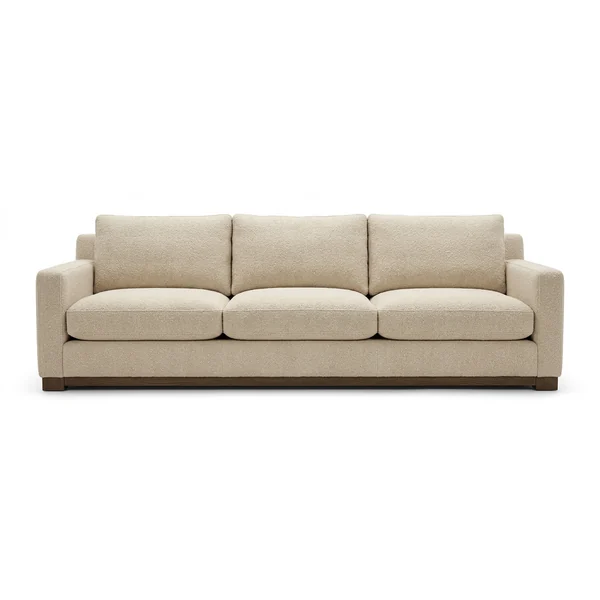
Bouclé sofa
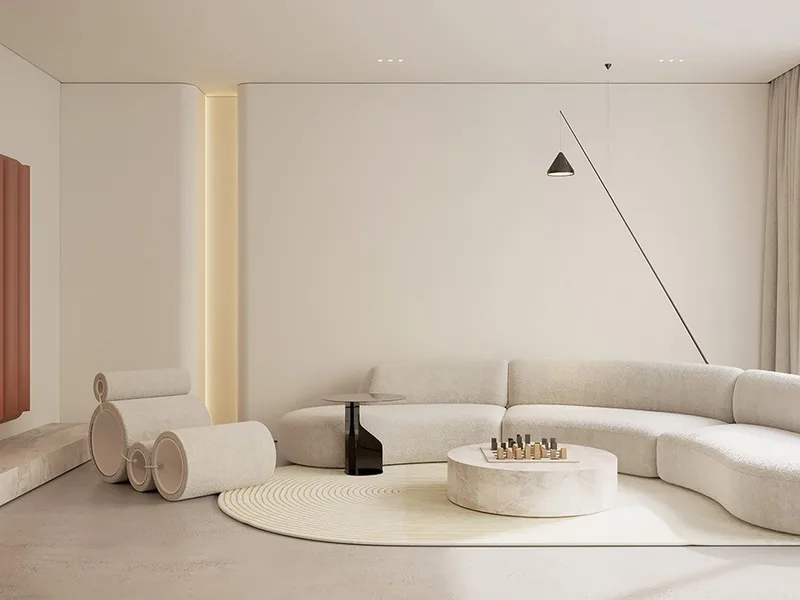
Oatmeal bouclé with deep, plush cushions and a clean low base. Soft, refined, and quietly expensive.
Refined materials and craftsmanship over obvious branding: opulence that whispers rather than shouts. Here is what defines luxury and quiet luxury design in 2026, what it costs, the trends shaping it now, and how to get the look.
Try Luxury on your room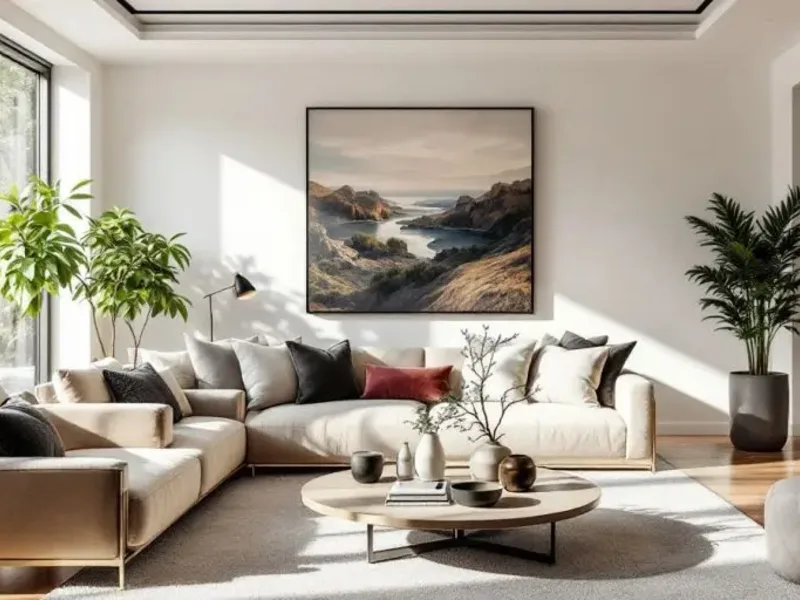
Quiet luxury is built from a few beautifully made, tactile pieces. These are the refined, understated staples that read as luxury instantly:
Oatmeal bouclé with deep, plush cushions and a clean low base. Soft, refined, and quietly expensive.
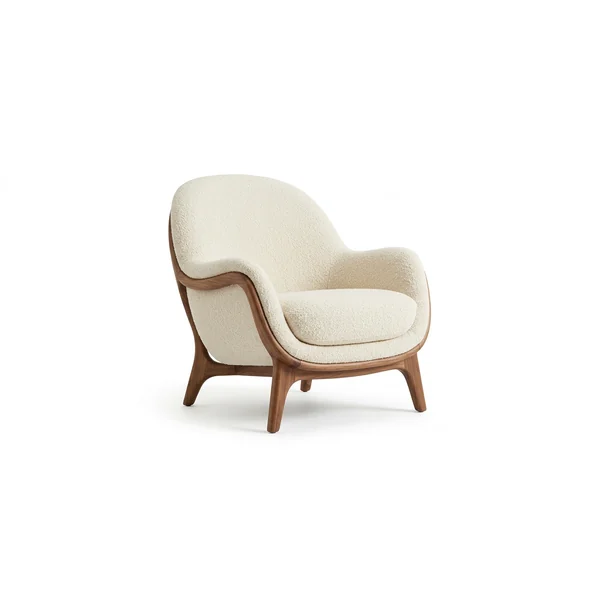
A curved chair in cream bouclé or camel velvet on a solid-walnut frame. Beautiful craftsmanship, no flash.
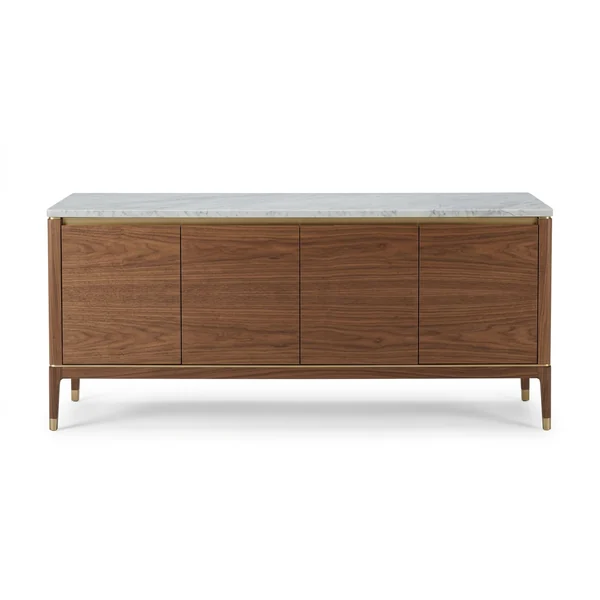
Solid walnut with a honed-marble top and brushed-brass detail. Storage that feels like a piece of art.
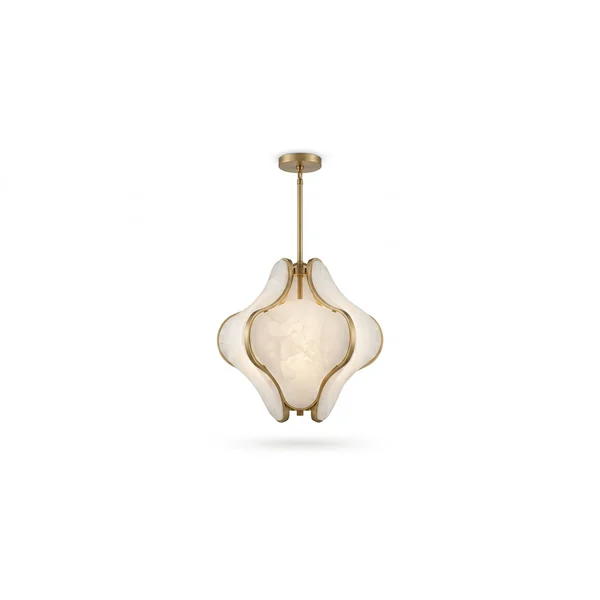
A sculptural alabaster or frosted-glass fixture with brass. The room's one true statement.
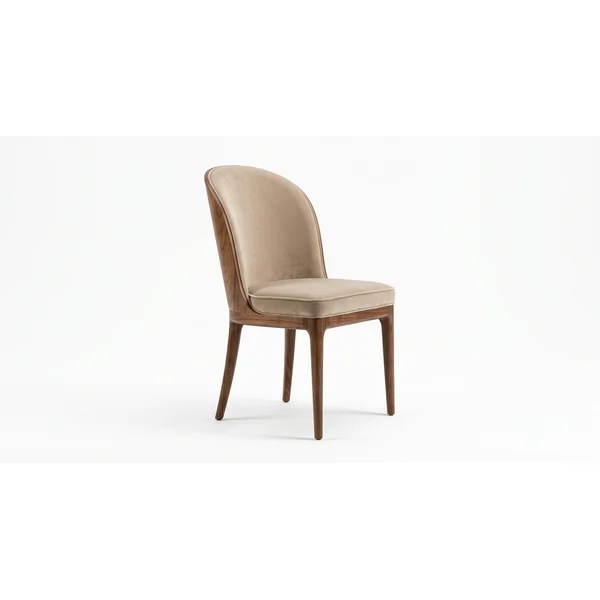
A solid-walnut frame with a refined curved back and cashmere or velvet seat. Understated and elegant.
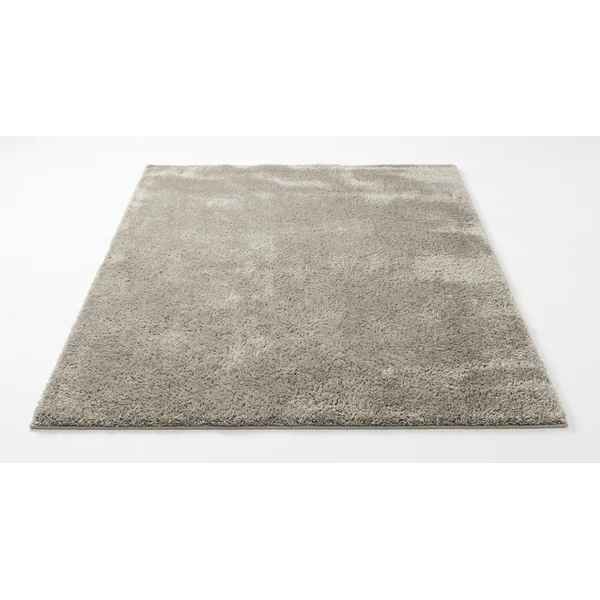
A high-pile rug in ivory or greige with subtle texture to add softness without breaking the calm.
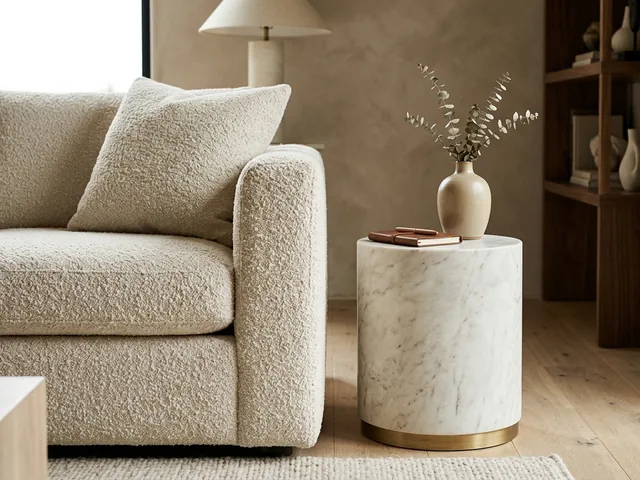
Clean, beautifully made pieces with quiet presence, a bouclé sofa, a curved lounge chair, nothing flashy but everything considered.
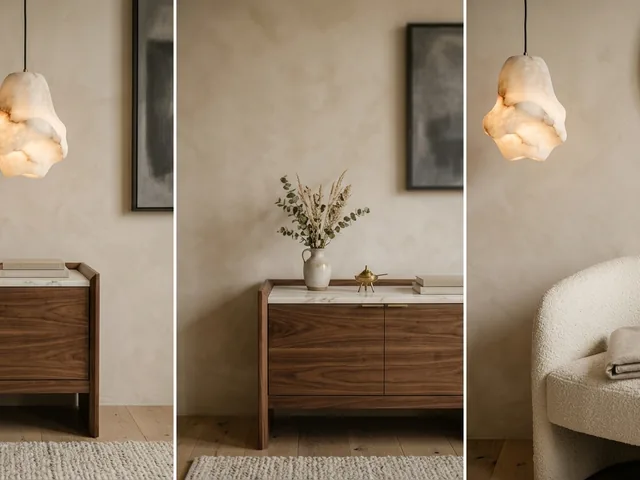
One sculptural alabaster or glass fixture acts as the room's jewellery, the single piece allowed to draw the eye.
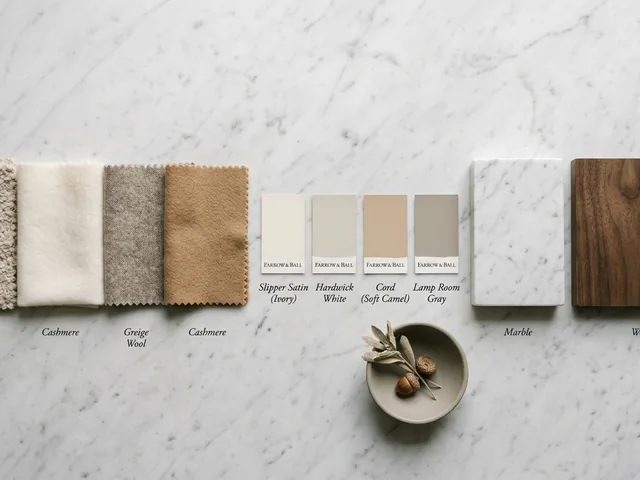
Ivory, greige, camel, and taupe layered closely together, so richness comes from depth of tone, not from colour or contrast.
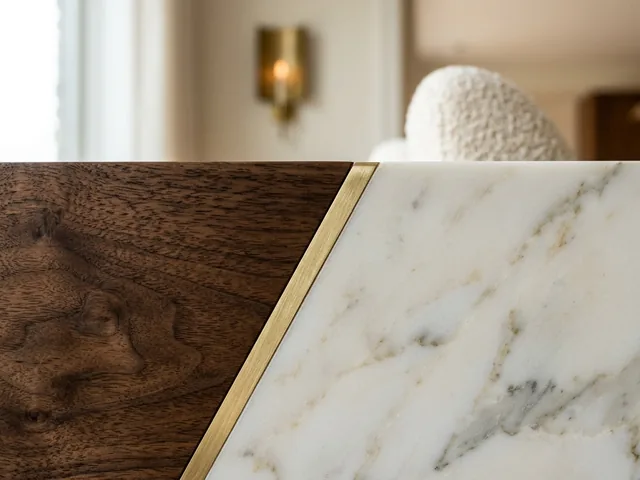
Marble, travertine, and richly grained solid walnut bring the genuine, tactile quality that defines true luxury.
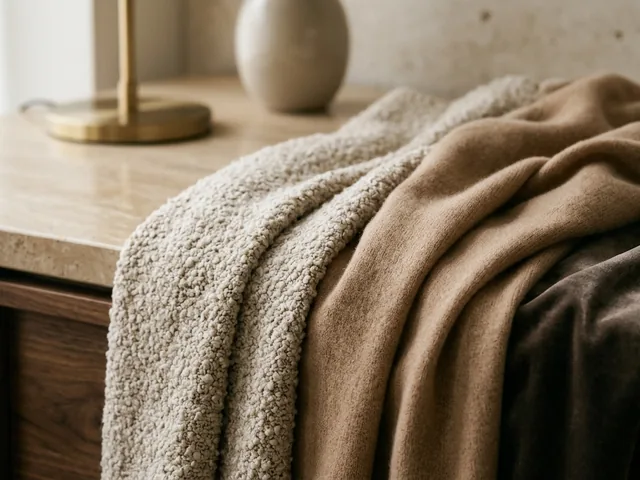
Bouclé, velvet, cashmere, and fine linen add the soft, plush, indulgent layer you feel as much as see.
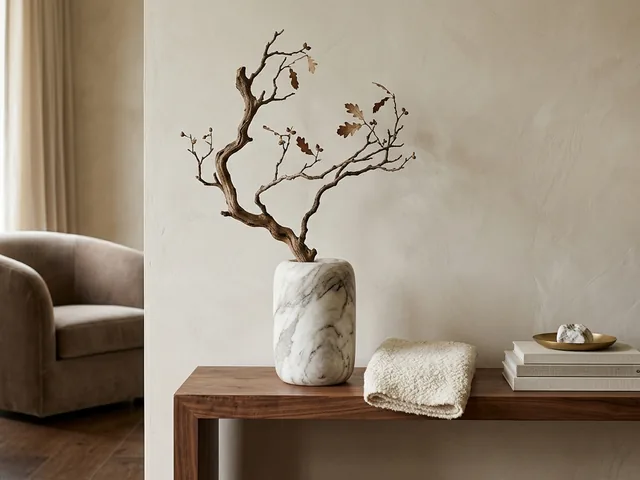
Brushed brass, fine joinery, and considered styling. Quiet, expensive detail rather than obvious branding or gloss.
Quiet luxury lives on a tonal palette, where the whole room sits within one warm neutral family and richness comes from layering close tones. Use the 60-30-10 rule, but keep it subtle: a soft ivory or greige base, a deeper camel or taupe layer, and the quietest brushed-brass or charcoal accent. Avoid bold colour and high contrast, the depth should come from texture and natural materials like marble and walnut, not from a loud accent.
Quiet luxury has become one of the defining design moods of the decade, a reaction against fast, throwaway decor and obvious branding. The refined, tonal bones stay, but in 2026 the look is warming up and getting more tactile. These are the shifts shaping luxury rooms this year:
The shift away from visible branding continues, with quality, craftsmanship, and beautiful materials prized over anything flashy. If you have to ask the price, the room is doing its job.
Marble, travertine, and limestone are everywhere, on worktops, tables, and feature surfaces, celebrated for their natural veining and honest, tactile luxury.
Soft, high-quality textiles do the work that colour does elsewhere, layering bouclé, cashmere, and fine linen for depth you feel as much as see.
One beautiful sculptural fixture, often alabaster or hand-blown glass, is the single permitted show-stopper in an otherwise restrained room.
The cooler greige of recent years is warming into camel, mushroom, and soft brown, making refined rooms feel inviting rather than cold or clinical.
Luxury sits at the top of the range by definition, because the look depends on genuine quality, natural stone, solid wood, and fine textiles, rather than finishes that imitate them. That said, choosing a few real materials over many cheap ones is the smart route. A light refresh runs $700 to $1,800; a fuller living room makeover lands around $8,000 to $18,000 mid-to-high range. Here is where the money goes (rough 2026 US estimates):
| Item | Budget | Mid-range | High-end |
|---|---|---|---|
| Flooring (engineered or solid wood, stone) | $700–1,300 (engineered) | $2,500–5,000 (solid wood) | $7,000–15,000 (stone / wide-plank oak) |
| Sofa (bouclé or velvet, 3-seat) | $1,000–1,800 | $2,500–5,000 | $8,000+ (designer / bespoke) |
| Sculptural lounge chair | $400–800 | $1,200–2,800 | $5,000+ (designer) |
| Natural stone (table / surface) | $400–900 (stone-look) | $1,500–3,500 (marble) | $6,000+ (rare stone slab) |
| Statement lighting | $300–700 | $1,000–2,500 | $5,000+ (alabaster / designer) |
| Textiles (cashmere, linen) & detail | $300–800 | $1,000–2,500 | $5,000+ (bespoke) |
Where to spend: one piece of real natural stone and a quality sofa, the genuine materials that make the room feel expensive. Where to save: keep the palette tonal so affordable pieces blend in, and let one statement light do the heavy lifting rather than buying many smaller things.
Build the whole room from one neutral family, ivory, greige, camel, and taupe, on walls, floors, and large upholstery. Richness comes from layering close tones, not from colour.
Choose a few real, high-quality materials, natural stone, solid wood, fine textiles, over many cheaper imitations. Authentic quality is what separates luxury from a look-alike.
Add bouclé, velvet, cashmere, and fine linen. The soft, plush layer is what makes a restrained room feel indulgent rather than bare.
Allow yourself a single sculptural fixture, alabaster, hand-blown glass, or beautiful brass, as the room's focal point, and keep everything else quiet.
Finish with restrained brass detailing and fine joinery, then leave generous space. In quiet luxury, what you leave out and the calm you create are as important as what you add.
Luxury interior design has shifted. The old version leaned on visible logos, gloss, and gold; the version that defines 2026 is quiet luxury, where wealth shows through quality, not labels. The idea is simple: invest in genuinely beautiful materials and craftsmanship, keep the palette tonal and restrained, and let the room feel calm, considered, and effortlessly expensive. Nothing has to announce its price, because the quality speaks for itself.
In practice that means natural stone like marble, solid wood, and high-quality textiles such as bouclé, velvet, and cashmere, all kept within a soft, tonal palette of creams, taupes, and warm neutrals. Lighting becomes the one true statement, a sculptural alabaster pendant or a beautiful lamp, while everything else stays understated. The result is opulent but never loud: a space that feels serene, tactile, and quietly confident.
A light refresh with fine textiles, a statement light, and considered styling runs around $700 to $1,800. A fuller makeover with a quality bouclé or velvet sofa, a sculptural chair, natural stone, and statement lighting typically lands at $8,000 to $18,000 in the mid-to-high range, and genuinely high-end rooms go well beyond. The smart approach is fewer, real materials rather than many cheaper imitations.
Quiet luxury is a refined style where wealth shows through quality and craftsmanship rather than visible logos or gloss. It uses genuine materials like natural stone, solid wood, and fine textiles such as bouclé, velvet, and cashmere, kept within a tonal, restrained palette. The result feels calm, tactile, and effortlessly expensive, opulent without ever being loud.
Traditional luxury could be loud, with visible branding, high gloss, gold, and obvious statement pieces. Quiet luxury is the understated evolution that defines 2026: the same investment in quality, but expressed through beautiful materials, fine craftsmanship, and a restrained tonal palette rather than anything flashy. The quality speaks for itself instead of announcing its price.
Quiet luxury uses a tonal, warm-neutral palette: ivory, greige, camel, taupe, and soft brown, grounded by walnut wood and accented with brushed brass. Richness comes from layering close tones and natural materials like marble, not from bold colour or high contrast. Any accent stays soft and understated.
Genuine natural materials are what read as luxury: marble, travertine, and limestone; solid, richly grained wood like walnut and oak; and high-quality textiles such as bouclé, velvet, cashmere, and fine linen. Brushed brass, fine joinery, and a beautiful sculptural light add the finishing refinement. Choosing a few real materials beats imitating many.
Focus your budget on one or two genuine materials, a piece of real stone or a quality sofa, and keep the rest tonal so affordable pieces blend in. A single sculptural statement light, brushed-brass hardware, and fine linen add a lot for relatively little. You can also upload a photo of your room to MeltFlex to preview the look before spending anything.
Wide-plank solid or engineered wood in a warm tone is a classic luxury choice, as is natural stone like marble or limestone in entrances and kitchens. Whatever you choose, quality and a calm, continuous look matter most, layered with a plush tonal rug to add softness and warmth underfoot.
Yes, beautifully. The tonal palette and uncluttered, considered approach make a small room feel calm and refined rather than cramped, and because the style relies on a few quality pieces, it never overcrowds. One piece of real stone, a tactile sofa, and a sculptural light can make a small space feel genuinely expensive.
Lean on warmth and texture. Choose a warm tonal palette of camel and soft brown rather than cool grey, layer tactile materials like bouclé, cashmere, and fine linen, and add solid wood and soft, warm lighting. The natural materials and plush textures are exactly what make a restrained luxury room feel inviting.
Yes, and quiet luxury in particular is one of the defining moods of the moment. As a reaction against fast, throwaway decor and obvious branding, the focus on genuine quality and craftsmanship has only grown. In 2026 the look is warming up, with natural stone as the hero, tactile bouclé and cashmere, sculptural statement lighting, and warmer tonal palettes.
Not sure this is your style? Take the free style quiz