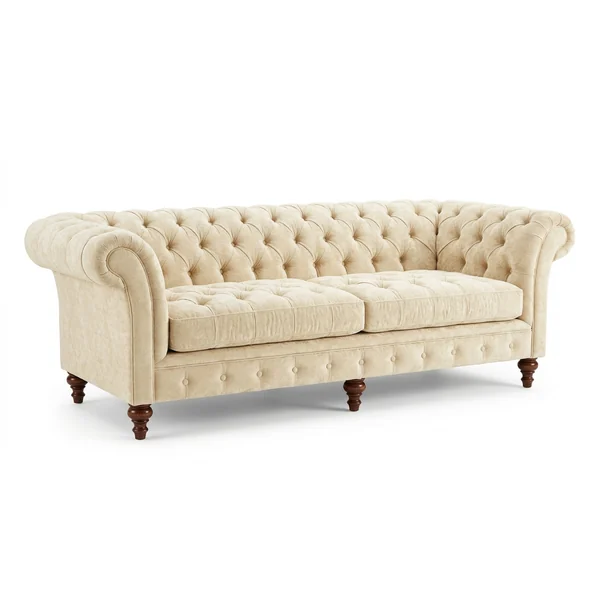
Rolled-arm tufted sofa
Rolled arms, button tufting, and a skirted base in cream damask. The classic, comfortable anchor of the room.
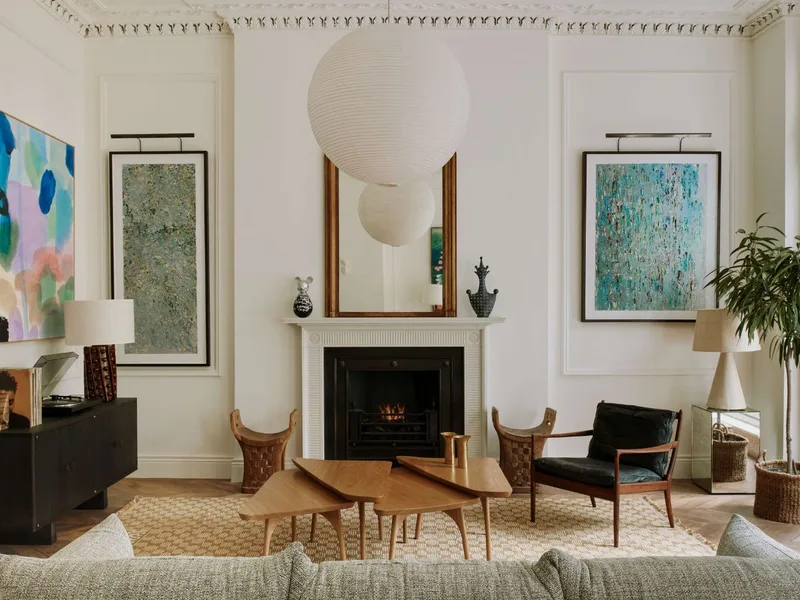
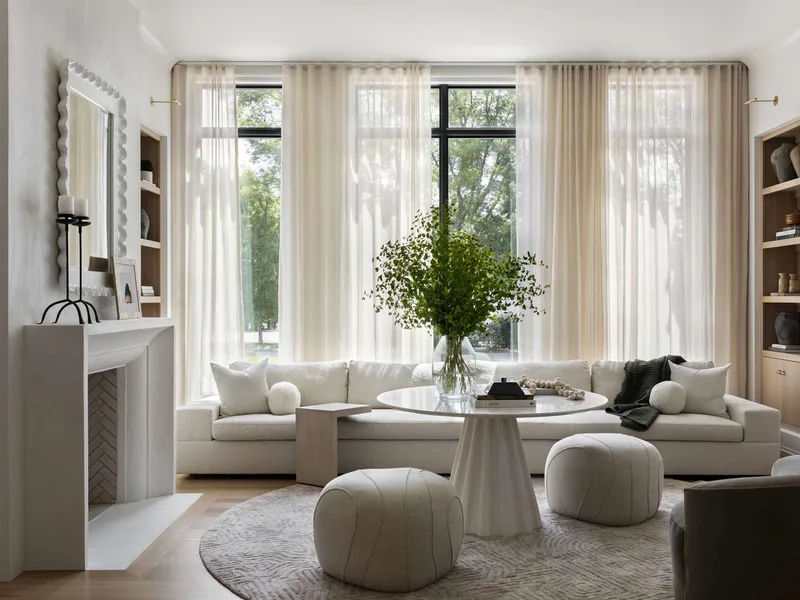
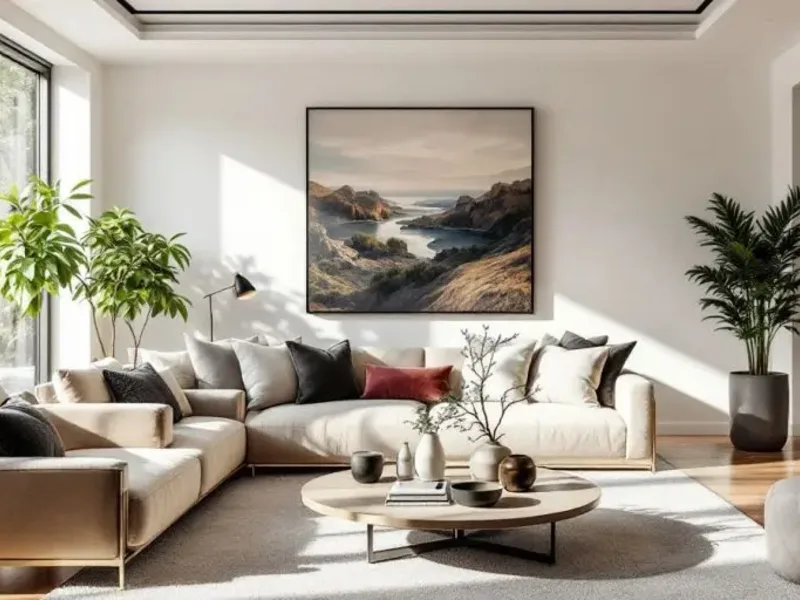
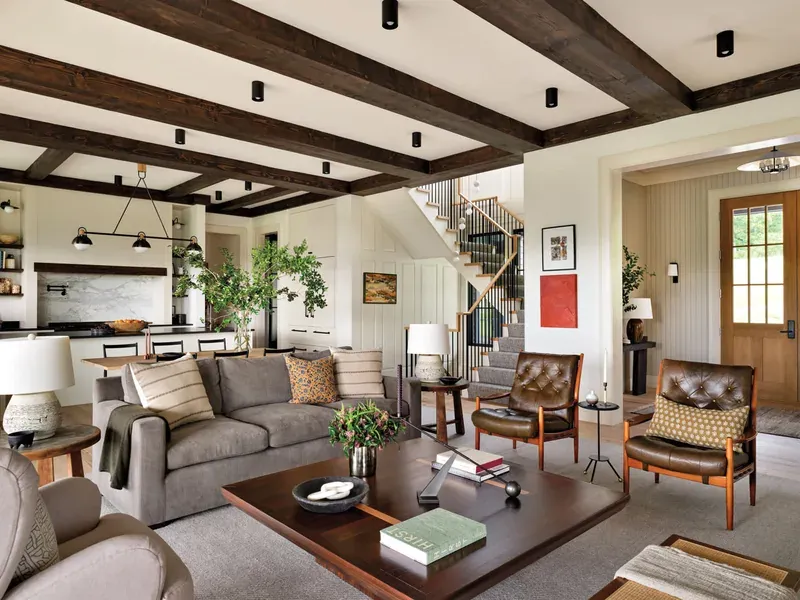
Classic silhouettes, rich woods, and timeless symmetry that feels established and elegant. Here is what defines traditional design in 2026, what it costs, the trends shaping it now, and how to get the look.
Try Traditional on your room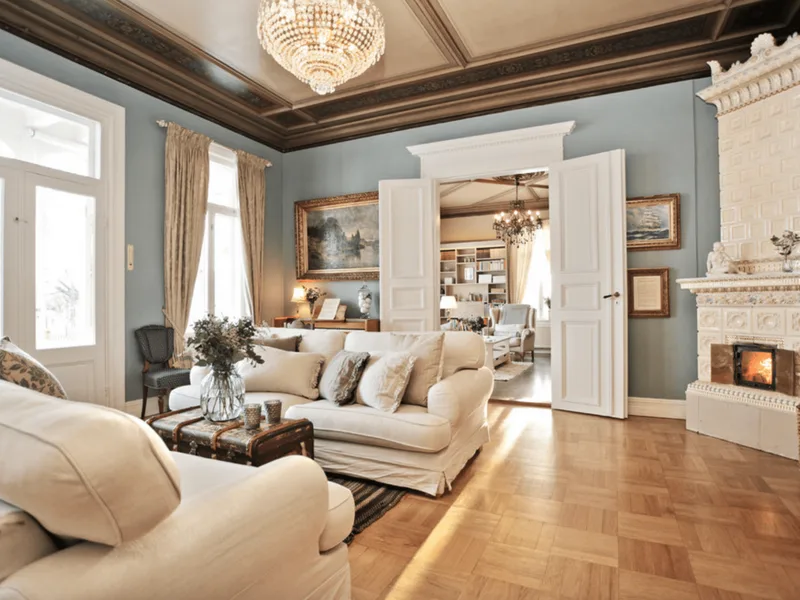
A few classic, well-made pieces carry the whole look. These are the tailored, timeless staples that read as traditional instantly:
Rolled arms, button tufting, and a skirted base in cream damask. The classic, comfortable anchor of the room.
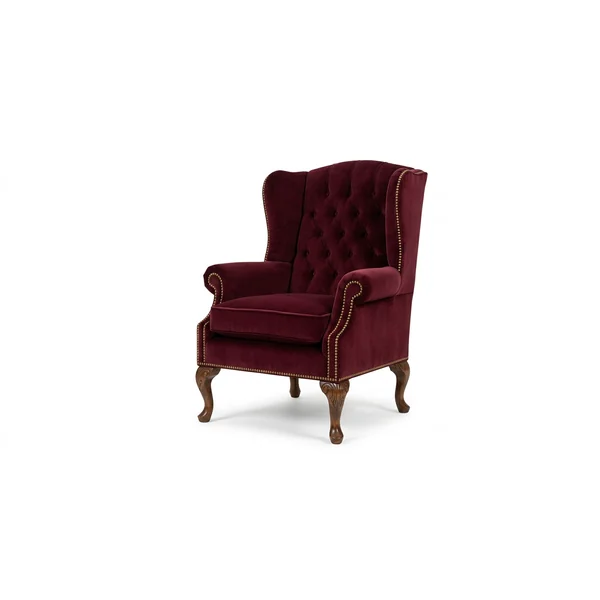
High wings, nailhead trim, and deep velvet on carved legs. Formal, cosy, and a perfect matched pair.
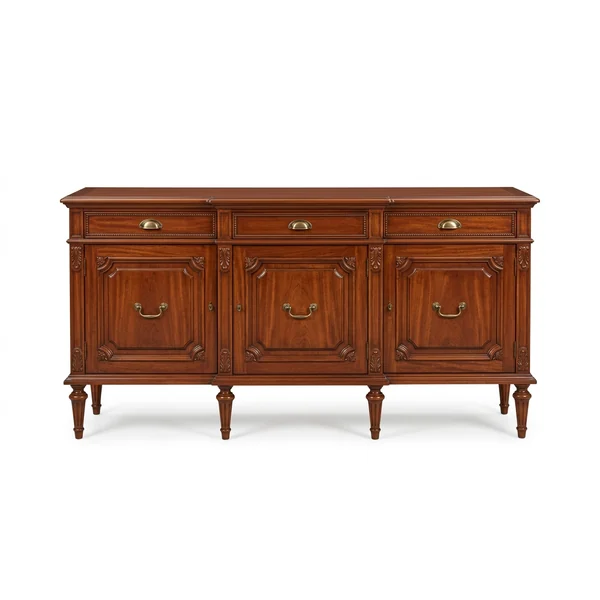
Carved fronts and brass cup pulls. Storage and a serving surface with real presence.
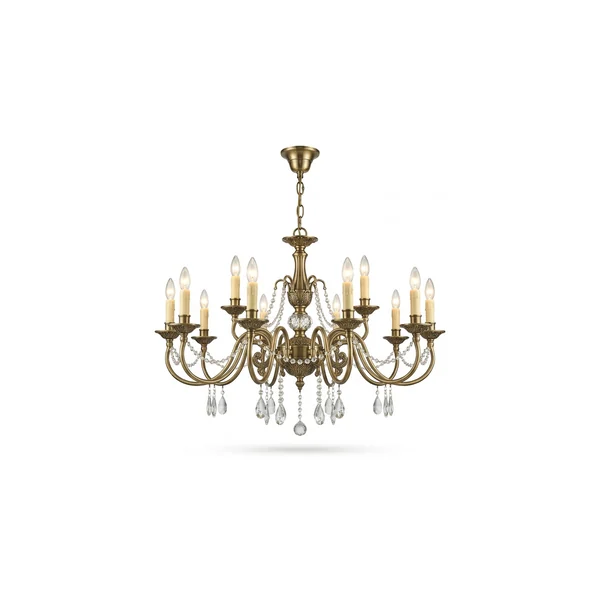
An antique-brass, candle-style fixture that centres the room and casts a warm glow.
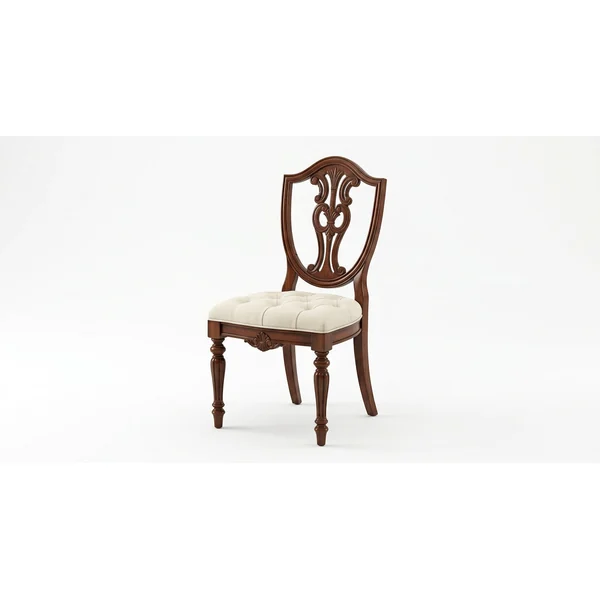
A shield or ladder back, turned legs, and a tufted seat. Bought as a matched set.
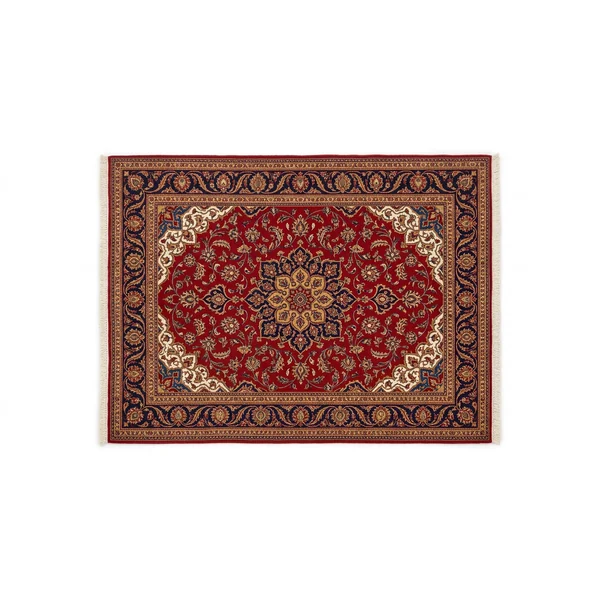
A classic Persian pattern in red, navy, and gold to ground the room and tie the palette together.
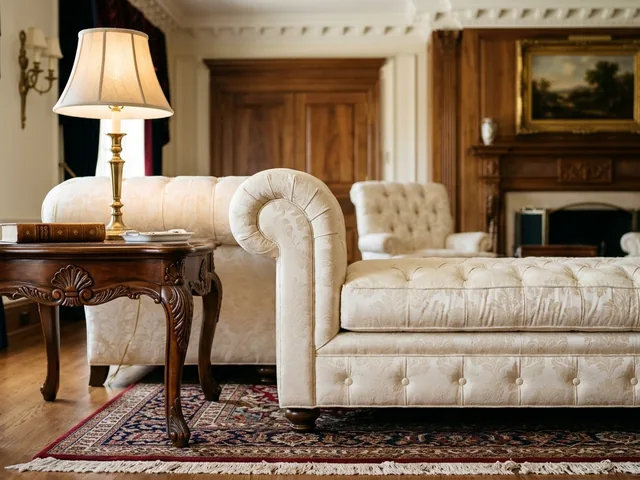
Rolled arms, button tufting, skirted bases, and nailhead trim on sofas and wing chairs. The shapes are familiar and built to last.
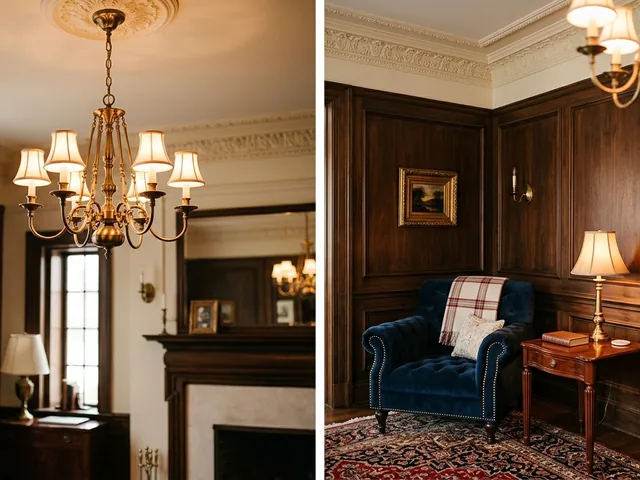
An antique-brass chandelier as a centrepiece, paired table lamps, and candle-style bulbs give a soft, golden glow rather than harsh light.
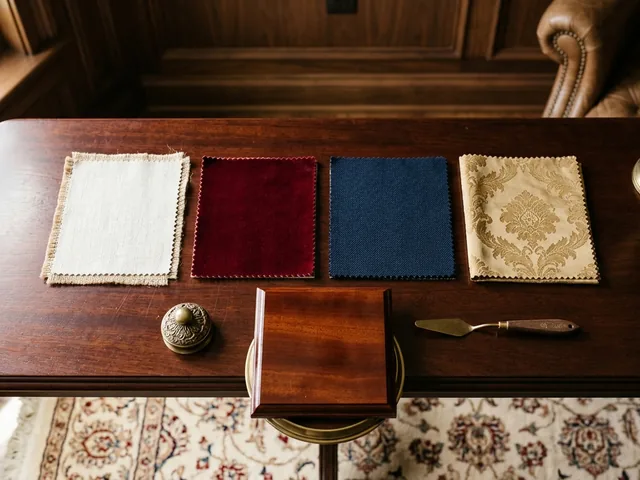
Cream and ivory grounded by deep reds, navy, and antique gold. Rich but never garish, the colours feel collected over time.
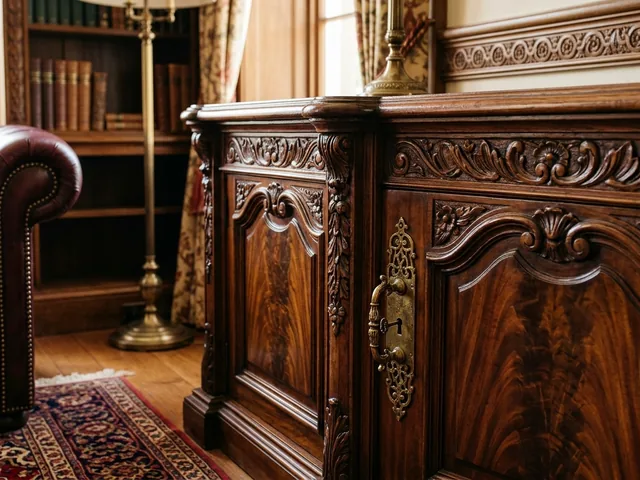
Mahogany and walnut on carved tables, sideboards, and chair frames bring depth, weight, and a sense of permanence.
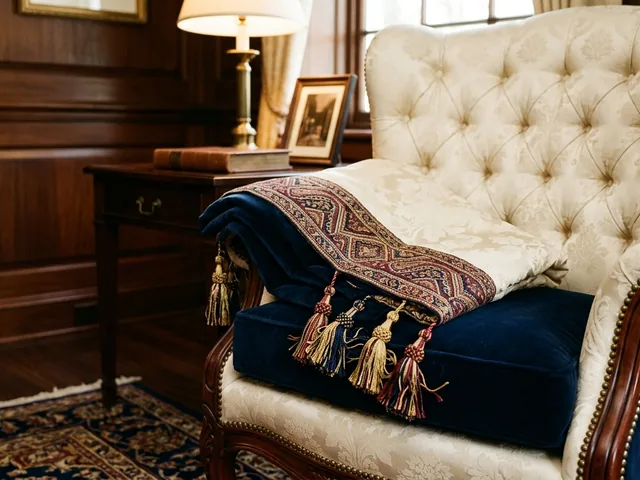
Damask, velvet, and patterned trims on curtains, cushions, and upholstery add the formality and softness the style is known for.
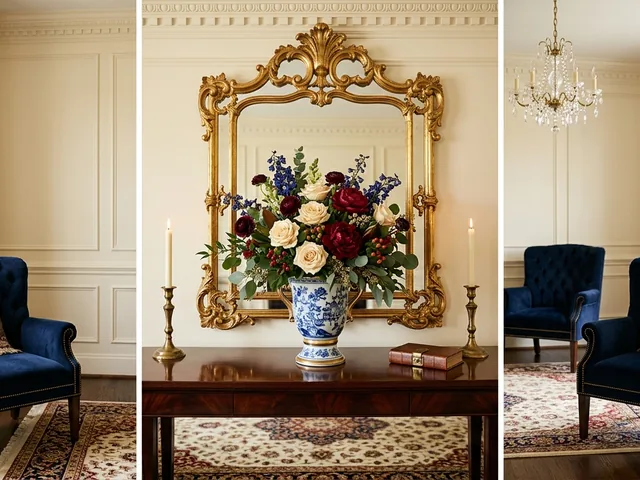
Matched pairs, a clear focal point, crown molding, and patterned oriental rugs. Balance and fine detail are what make it read as traditional.
Traditional rooms feel warm and collected, and the palette is what gets you there. Use the 60-30-10 rule with a soft cream or ivory base, a rich wood and deep secondary tone, and a metallic or jewel accent. Keep everything warm rather than cool, the wood is part of the colour story, and let one deep shade like burgundy or navy anchor the room so the cream never feels flat.
Traditional design is having a real moment, helped along by the grandmillennial and quiet-revival looks. The classic bones stay, but in 2026 they are lighter, fresher, and mixed with a touch of the contemporary. These are the shifts shaping traditional rooms this year:
Younger homeowners are embracing chintz, skirted furniture, scalloped edges, and ruffled lampshades, the cosy, collected look their grandparents loved, styled with a knowing wink.
The heavy, dark traditional room is being refreshed with cream walls, painted woodwork, and lighter floors, so the antiques and rich woods feel curated rather than gloomy.
Sustainability and character are driving a return to real antiques, inherited pieces, and secondhand finds, which is exactly what gives a traditional room its soul.
Floral wallpaper, classic stripes, and patterned upholstery are back, layered together carefully so the room feels rich and personal rather than flat.
The freshest traditional rooms pair a carved antique with a clean-lined piece or a modern light, keeping the symmetry and warmth while losing any stuffiness.
Traditional design sits in the mid-to-higher range, because solid wood furniture, tailored upholstery, and architectural details cost more than flat-pack pieces, though antiques and secondhand finds can bring it right down. A light refresh runs $500 to $1,200; a fuller living room makeover lands around $5,000 to $11,000 mid-range. Here is where the money goes (rough 2026 US estimates):
| Item | Budget | Mid-range | High-end |
|---|---|---|---|
| Flooring (hardwood or classic patterned) | $500–1,000 (laminate) | $1,800–3,500 (engineered / oak) | $5,000–10,000 (solid hardwood / parquet) |
| Sofa (rolled-arm or tufted, 3-seat) | $700–1,200 | $1,800–3,500 | $5,000+ (solid frame / designer) |
| Matched armchairs (pair) | $400–800 | $1,200–2,500 | $4,000+ (antique / bespoke) |
| Wood furniture (sideboard / table) | $300–700 (veneer) | $1,000–2,500 (solid wood) | $4,000+ (antique mahogany) |
| Lighting (chandelier + paired lamps) | $200–450 | $600–1,400 | $2,500+ (antique brass / crystal) |
| Rug, curtains & details (molding, trim) | $250–600 | $800–1,800 | $3,500+ (hand-knotted / custom) |
Where to spend: the sofa and a solid wood piece like a dining table or sideboard, the heirloom items you keep for decades. Where to save: hunt antiques and secondhand for character at a fraction of new prices, and add crown molding yourself with affordable kits.
Pick the room's anchor, a fireplace, a bed, or a sofa wall, and balance it with matched pairs of lamps, chairs, or art. Symmetry is the fastest way to read as traditional.
Add a rolled-arm or tufted sofa, a carved wood table, and matched chairs in mahogany or walnut tones. Familiar, well-made shapes are the foundation.
Start with cream walls, then layer in a deep anchor colour like burgundy or navy and a metallic accent. Keep everything warm rather than cool or grey.
Crown molding, wainscoting, or simple panelling instantly lifts a plain room. Affordable kits and painted woodwork get most of the effect for little money.
Add a patterned oriental rug, lined curtains, a few cushions, and an antique-brass chandelier or paired lamps. Then edit, traditional should feel collected, not crowded.
Traditional interior design takes its cues from 18th and 19th century European decor, English country houses, and classic American homes. Its whole language is order and comfort: matched pairs, a clear focal point, deep wood tones, and tailored upholstery that looks made to last a lifetime. Nothing is improvised. Lamps come in twos, a sofa faces a fireplace, and the room reads as calm because everything is balanced.
The look leans on rich woods like mahogany and walnut, refined architectural details such as crown molding and wainscoting, and layered fabrics on rolled arms and tufted seats. Done badly it can feel stuffy or dated, so the modern goal is to keep the bones (symmetry, quality wood, a warm palette) while letting the room breathe a little. The result is elegant, settled, and quietly confident, a home that never chases a trend.
A light refresh with paint, a rug, lighting, and a few decor pieces runs around $500 to $1,200. A fuller makeover with a quality sofa, matched armchairs, solid wood furniture, and a chandelier typically lands at $5,000 to $11,000 mid-range. Buying antiques and secondhand can cut that significantly while adding the character that defines the style.
Traditional interior design is a classic, comfortable style rooted in 18th and 19th century European and American decor. It is defined by symmetry, rich dark woods like mahogany and walnut, tailored upholstery with rolled arms and tufting, a warm layered palette, and refined details such as crown molding and patterned oriental rugs. The overall feel is elegant, settled, and timeless.
The palette is warm and collected: a cream or ivory base layered with deep anchor colours like burgundy, navy, and forest green, plus rich wood tones and an antique-gold or brass accent. Colours feel chosen over time rather than bright or trend-led, and the whole scheme stays warm rather than cool or grey.
Traditional is fuller and more formal, with dark wood, layered pattern, ornate detail, and strict symmetry. Transitional keeps a few classic shapes but pares everything back: a neutral palette, cleaner lines, less pattern, and a lighter, more relaxed feel that is easier to live with day to day.
Lighten the base with cream walls and painted or lighter woodwork, keep the symmetry but leave more breathing space, and mix one or two contemporary pieces or a modern light fixture in with the antiques. Choosing fewer, better pieces and editing the decor stops the room from feeling heavy or stuffy.
Hardwood is the classic choice, ideally in a warm mid-to-dark tone like oak, walnut, or mahogany, sometimes laid in a parquet or herringbone pattern. Layer a patterned oriental or Persian rug on top to add warmth, colour, and the collected look the style is known for.
Look for familiar, tailored shapes in quality materials: a rolled-arm or tufted sofa, wingback armchairs, carved wood coffee and side tables, a mahogany sideboard or dining table, and a set of matching upholstered chairs. Antiques and inherited pieces fit perfectly and give the room authenticity.
Yes, with a lighter touch. Use a cream palette to keep things bright, choose a few well-scaled pieces rather than heavy oversized furniture, and lean on symmetry and one good rug to bring order. A small traditional room can feel cosy and refined rather than cramped.
Absolutely. Antiques and secondhand finds are often cheaper than new flat-pack and have far more character, paint and affordable crown-molding kits do a lot of heavy lifting, and matched lamps or a good rug can transform a room. You can also upload a photo of your room to MeltFlex to preview the look before spending anything.
Yes, and it is back in a big way. The grandmillennial revival, a renewed love of antiques, and a move away from cold minimalism have all pushed traditional design back into the spotlight. In 2026 it is lighter and fresher than before, with brighter palettes, confident pattern, and classic pieces mixed with the occasional modern touch.
Not sure this is your style? Take the free style quiz