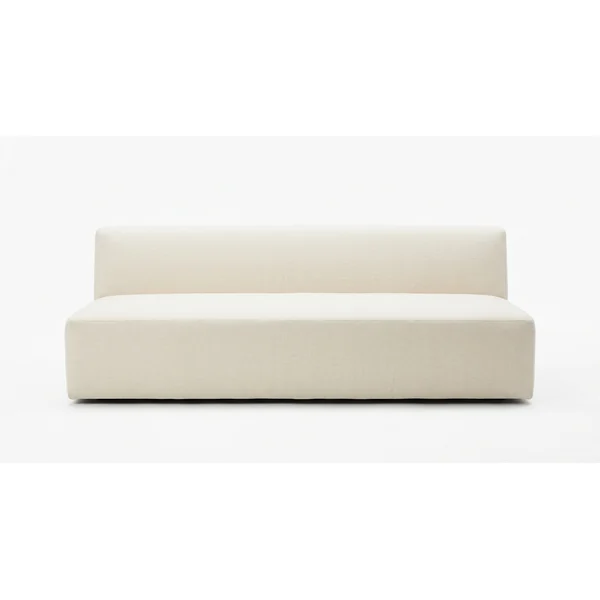
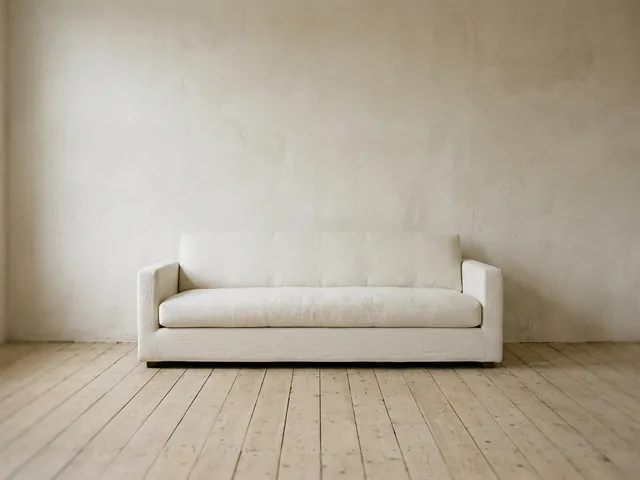
Plain low sofa
A simple block form in off-white linen, no buttons or piping. The quiet anchor of the room.
Pared back, quiet, and calm, where every single piece earns its place. Here is what defines minimalist design in 2026, what it costs, the trends shaping it now, and how to get the look.
Try Minimalist on your room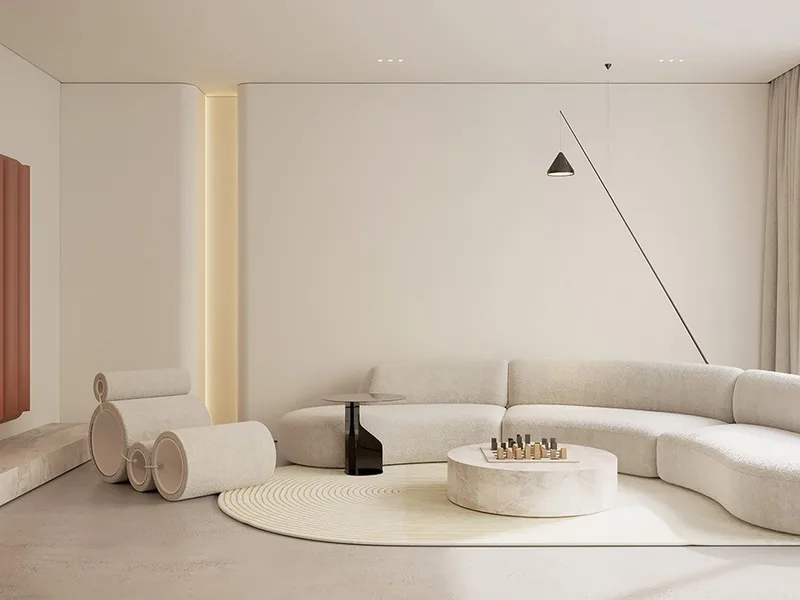
Because so little is on show, each piece has to be quietly excellent. These are the pared-back, well-made staples that carry a minimalist room:
A simple block form in off-white linen, no buttons or piping. The quiet anchor of the room.
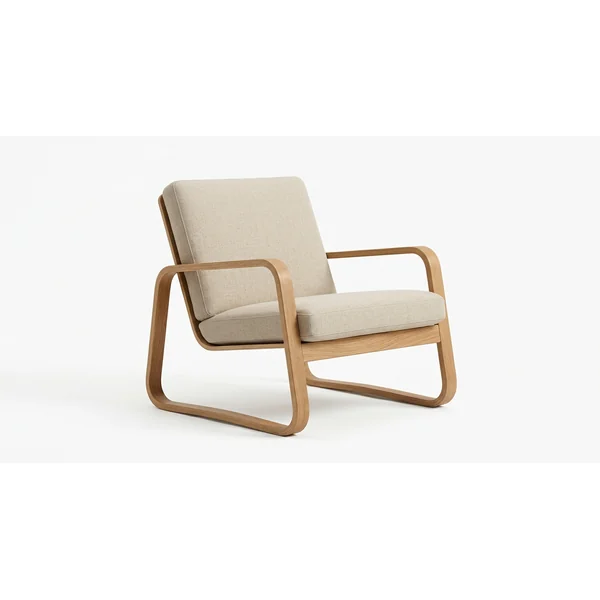
One continuous oak curve and a plain cushion. A reading spot reduced to its essentials.
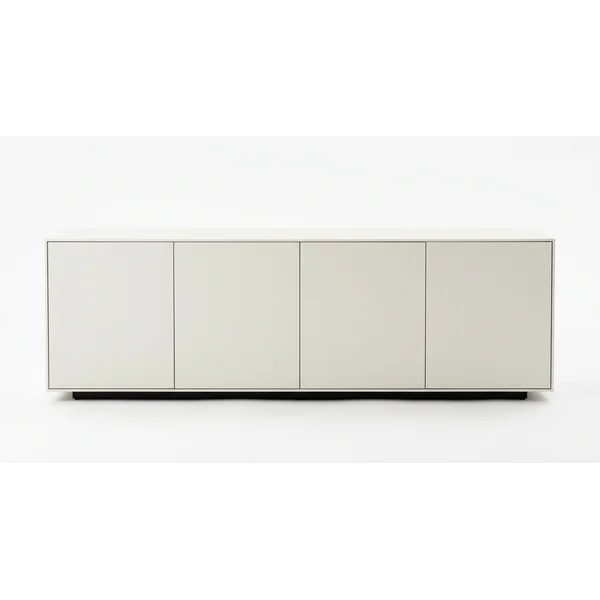
Smooth push-to-open fronts that hide the clutter and keep the surface line unbroken.
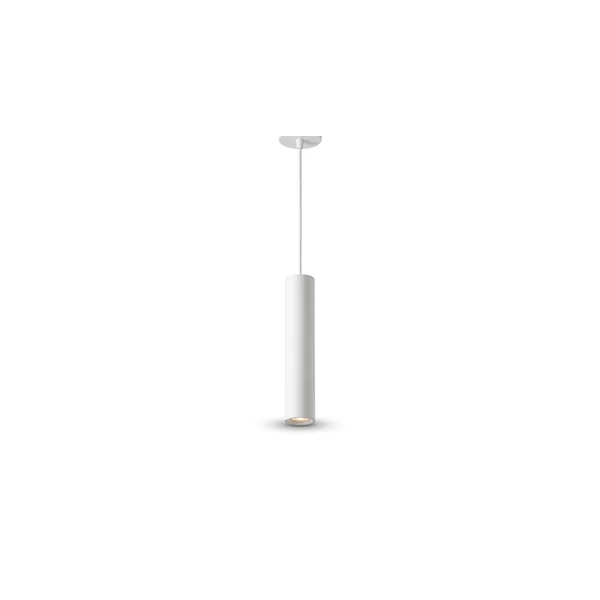
A thin matte-white shade on a fine cord, for soft light without visual weight.
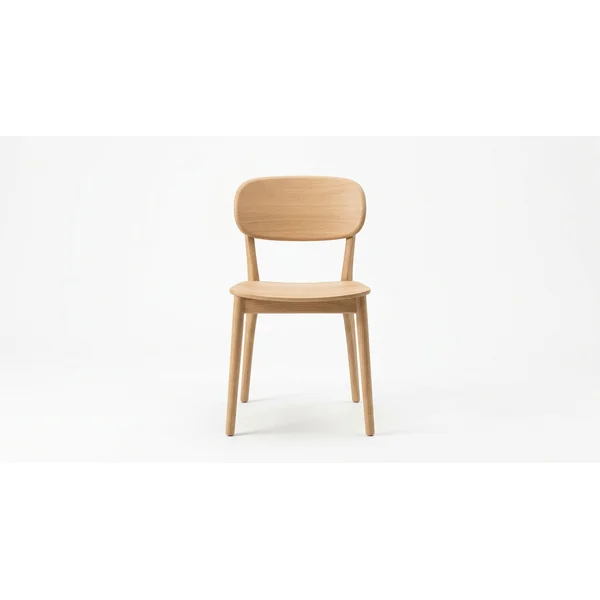
Plain pale oak with clean legs and no upholstery. Honest and reduced to what is needed.
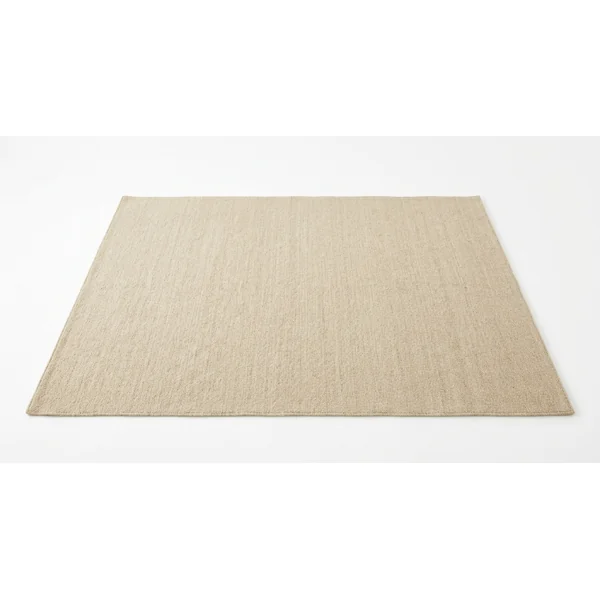
Flat, plain warm-beige wool to add quiet texture and soften a hard floor.
Everything is reduced to the essentials. If a piece is not useful or genuinely loved, it does not make the cut. Less, but better.
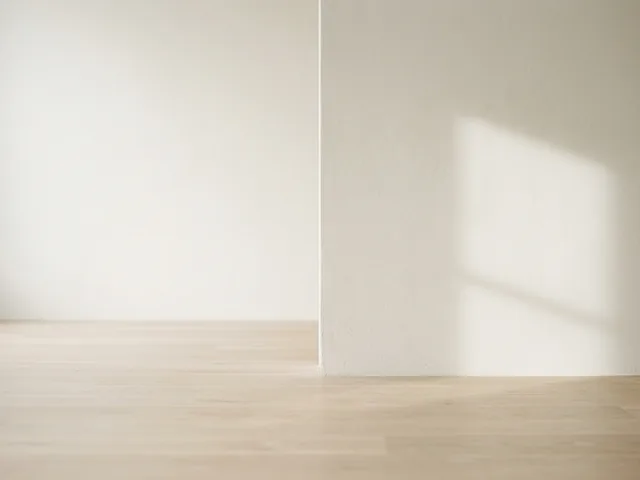
Empty floor and wall area is the whole point. The breathing room around objects is what makes a minimalist room feel calm.
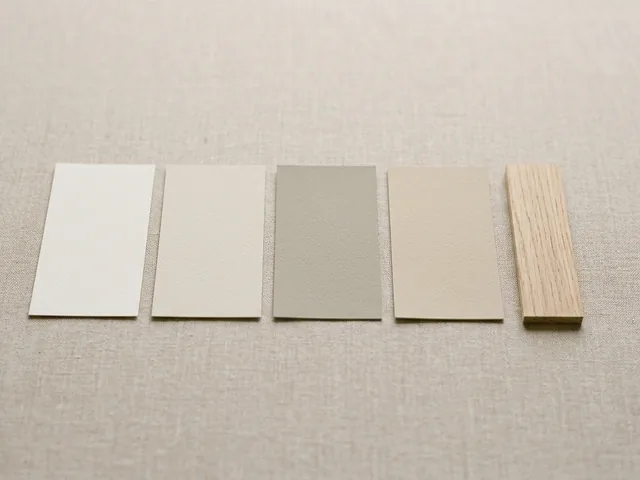
Off-white, oatmeal, greige, and pale wood kept within one quiet tonal family, so nothing jars or distracts.
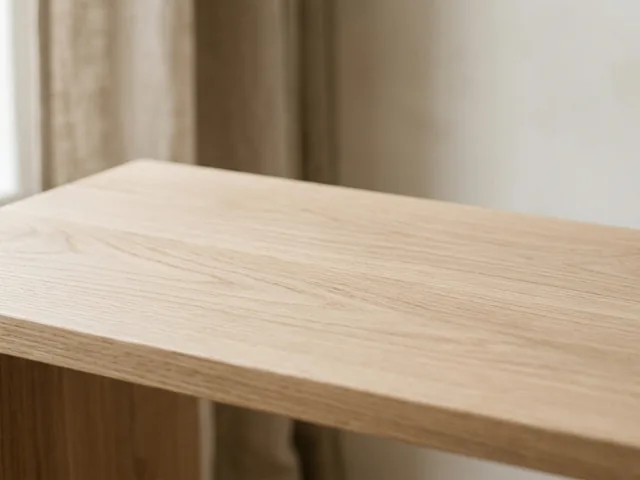
A single natural material such as oak or stone runs through the room to add warmth and stop it feeling clinical.
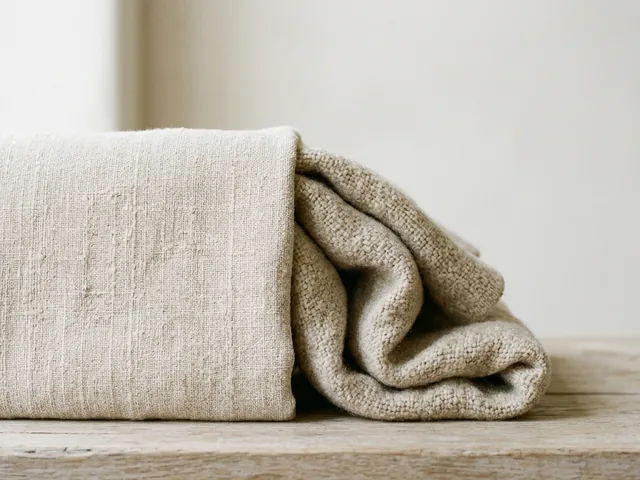
With colour and pattern stripped out, linen, wool, and matte surfaces do the work of adding depth and interest.
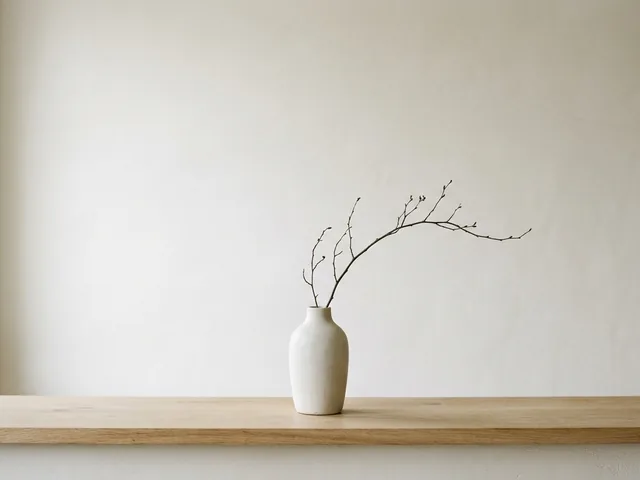
Handleless, hidden storage keeps worktops and shelves clear. Out of sight is the rule, with one considered object left on display.
Minimalist rooms live or die on the palette, and the trick is to stay within a single warm tonal family. Use the 60-30-10 rule, but keep all three layers close in tone: around 60 percent is a soft off-white base, about 30 percent is a slightly deeper neutral like oatmeal or greige, and the last 10 percent is the quietest of accents. Avoid cool, blue-toned whites, which read as cold and clinical, and let one natural material carry any real colour.
Minimalism in 2026 has fully shed its cold, empty reputation. The discipline stays the same, fewer things, more space, but the mood is warmer, softer, and more human. These are the shifts shaping minimalist rooms this year:
The all-white, gallery-cold look is out. Putty, oatmeal, clay, and warm wood now form the base, so a pared-back room feels welcoming rather than austere.
With the palette kept quiet, interest comes from tactile materials: bouclé, raw linen, lime plaster, and matte stone. You feel the richness rather than see it.
Hard right angles are giving way to rounded sofas, arch shapes, and organic silhouettes, which keep the look simple while making it far more inviting.
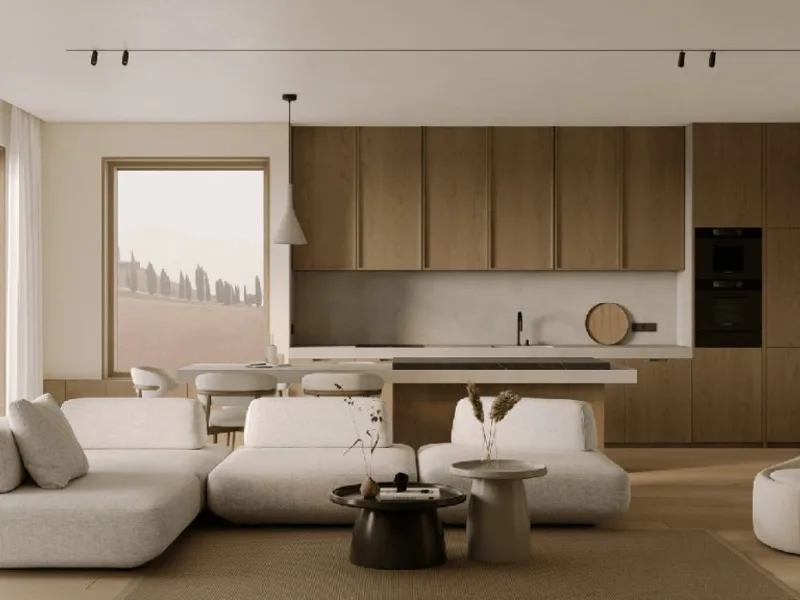
Integrated, push-to-open joinery and hidden kitchens are everywhere in 2026, letting whole walls read as one clean plane with nothing on show.
Handmade ceramics, irregular natural materials, and a single weathered object add soul, a quiet nod to Japandi that stops minimalism feeling sterile.
Minimalism can be the cheapest style of all, because the first and biggest move is removing things, not buying them. A light refresh of decluttering, paint, and a few textiles runs $300 to $800. A fuller makeover lands around $4,000 to $8,500 mid-range, since the saved space is usually reinvested in a few higher-quality pieces. Here is where the money goes (rough 2026 US estimates):
| Item | Budget | Mid-range | High-end |
|---|---|---|---|
| Flooring (pale wood, micro-cement, or large tile) | $400–800 (laminate / LVT) | $1,400–2,800 (engineered oak) | $3,500–7,000 (micro-cement / solid wood) |
| Sofa (plain, low-profile, 3-seat) | $550–950 (flat-pack) | $1,400–2,800 | $3,500+ (designer) |
| Handleless / hidden storage | $250–500 (flat-pack) | $800–1,800 | $3,000+ (custom joinery) |
| Lighting (discreet pendant + lamps) | $100–250 | $400–900 | $1,500+ (design pieces) |
| One natural-material surface (oak, stone) | $150–400 | $600–1,500 | $2,500+ (solid stone) |
| Textiles & one object (linen, wool, a single piece) | $80–200 | $300–600 | $900+ |
Where to spend: the sofa and your hidden storage, the two things that make a minimalist room actually work day to day. Where to save: decluttering and paint cost almost nothing and do most of the heavy lifting.
Start by removing, not shopping. Take everything off the surfaces, keep only what is useful or loved, and find closed storage for the rest. This single step does most of the work.
Paint the walls a soft off-white and keep the floor simple in pale wood or micro-cement. Stay away from cool blue-whites, which read as cold.
Pick one plain sofa, a clean dining set, and simple storage, all with straight or softly curved lines. Quality matters more than quantity when so little is on show.
Use handleless, hidden storage so worktops, shelves, and tables stay empty. Leave at most one considered object out, then stop.
Finish with one natural material, a linen throw, a wool rug, and soft, warm lighting. This is what turns a bare room into a calm one.
Minimalist interior design is the art of subtraction. It grew out of post-war modernism and the Japanese idea of less but better, and its whole philosophy fits in one line: keep only what is useful or genuinely loved, and give it room to breathe. The result is a home that feels quiet, ordered, and easy to live in, because nothing in it is fighting for your attention.
In practice that means a tight, neutral palette, clear surfaces, hidden storage, and a small number of well-made pieces. Minimalism is often confused with cold or empty, but done well it is the opposite: warm, tactile, and deeply calming. The skill is not in what you add, it is in what you leave out, then making the few things that remain count.
A minimalist refresh is one of the cheapest of all, because it starts with decluttering rather than buying. Paint, a few textiles, and tidying up run around $300 to $800. A fuller makeover with flooring, a quality sofa, and hidden storage typically lands at $4,000 to $8,500 mid-range. The money usually goes into a smaller number of better pieces rather than lots of cheap ones.
It does not have to be, and good minimalism is the opposite. Coldness comes from a blue-white palette, hard surfaces, and no texture. Swap in warm off-whites, one natural material like oak, and soft textiles such as linen and wool, and the same pared-back room becomes genuinely calming and warm.
The palette is a tight, warm neutral family: soft off-whites, oatmeal, greige, and pale wood, usually with just a touch of soft black for contrast. Strong or multiple accent colours are avoided, so any real colour tends to come from a single natural material like stone or oak.
Both value simplicity, clean lines, and neutral colours, so they look similar at a glance. The difference is degree: Scandinavian is warmer and more decorated, with layered textiles, plants, and visible wood, while minimalism is more disciplined and keeps surfaces clearer and more hidden.
Focus on warmth and texture rather than more objects. Use a warm-neutral palette, bring in one natural material, layer in linen and wool, and use soft, warm lighting. A single considered object, like a handmade ceramic or one piece of art, gives the room a focal point without adding clutter.
Continuous, low-pattern flooring suits minimalism best: pale engineered wood, micro-cement, or large-format tile. A single unbroken surface supports the calm, uncluttered feeling, and keeping it light helps the space feel open and airy.
Yes, it is one of the best styles for small homes. Fewer pieces, clear surfaces, and a light palette all make a small room feel larger and calmer. The key is real storage, so everything has a hidden home and nothing has to sit out on display.
Absolutely, and it may be the most budget-friendly style there is. The biggest step, decluttering, is free, and a coat of warm-neutral paint costs very little. From there you can add one or two quality pieces over time, and you can upload a photo of your room to MeltFlex to preview the look before spending anything.
It is a simple way to balance colour. About 60 percent of the room is a soft off-white base, roughly 30 percent is a slightly deeper neutral like oatmeal or greige, and the final 10 percent is a very quiet accent such as soft-black hardware. In minimalism the trick is keeping all three layers close in tone so the whole scheme stays calm.
Yes, and it is more popular than ever, just warmer. In 2026 minimalism has moved away from stark, all-white spaces toward warm minimalism: putty and clay tones, tactile materials, soft curves, invisible storage, and a wabi-sabi love of handmade imperfection. The core idea, fewer things with more space around them, is as strong as ever.
Not sure this is your style? Take the free style quiz