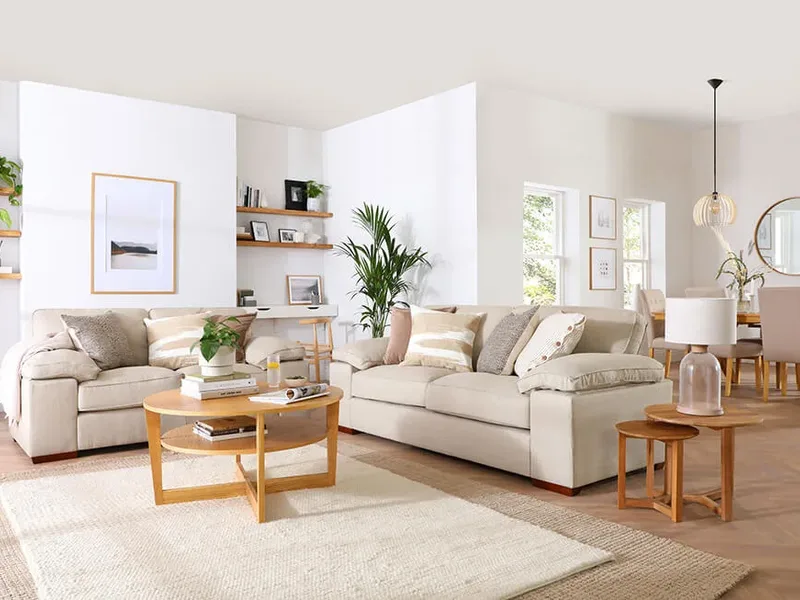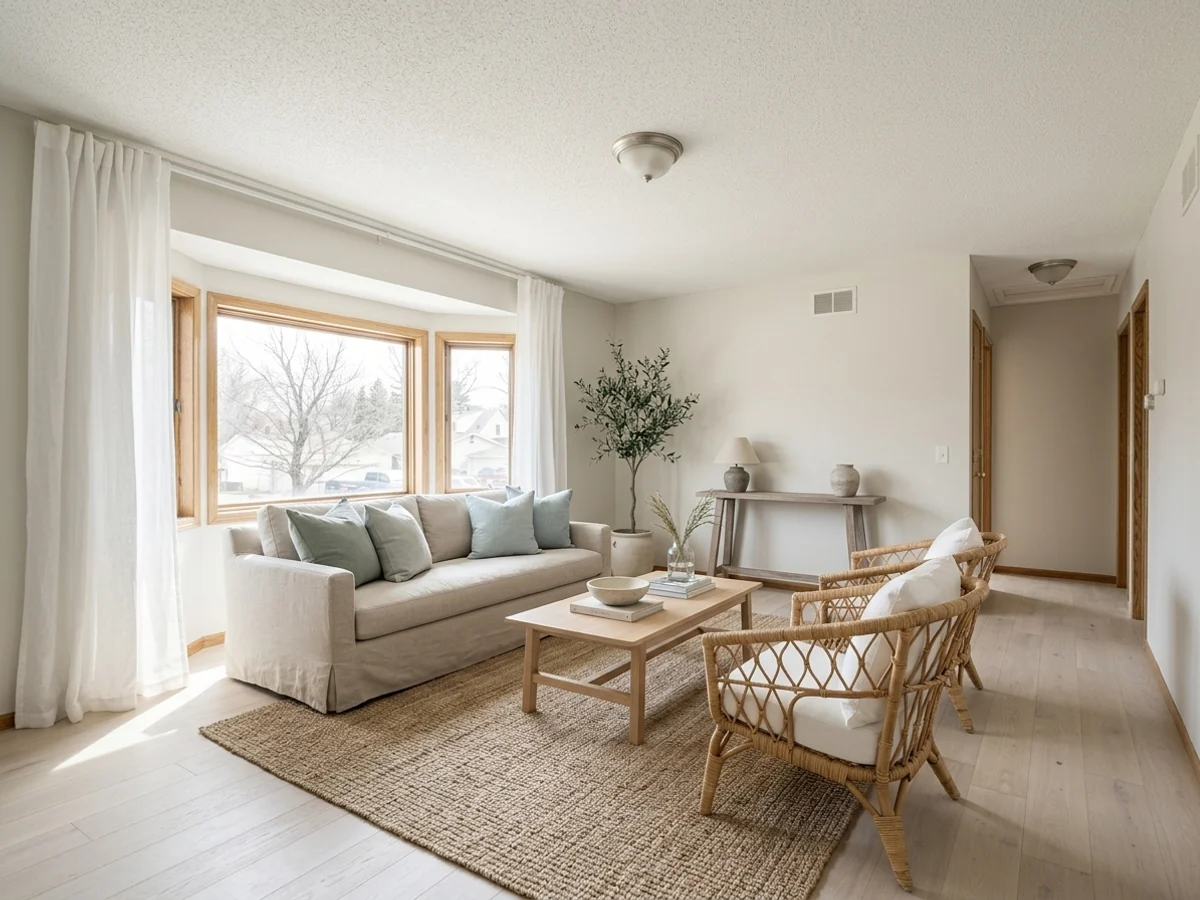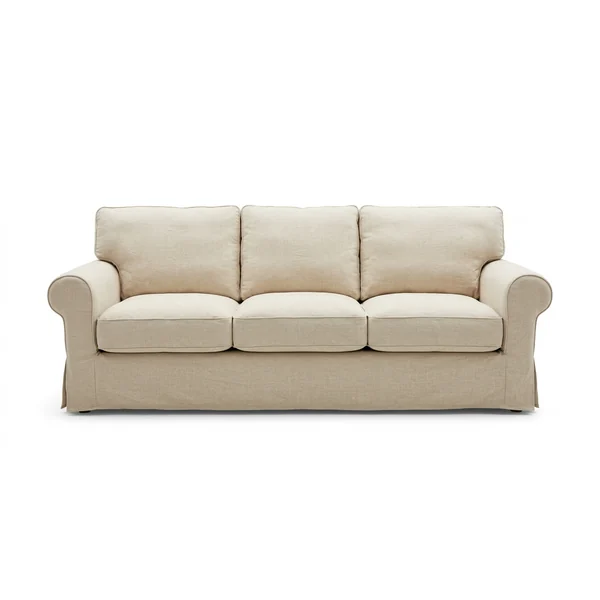
Slipcovered roll-arm sofa
A deep, cozy sofa in cream or oatmeal linen with washable covers. The comfortable, welcoming anchor.
Rustic wood, shiplap, cozy textiles, and matte-black hardware that add up to a warm, welcoming home. Here is what defines farmhouse design in 2026, what it costs, the trends shaping it now, and how to get the look.
Try Farmhouse on your room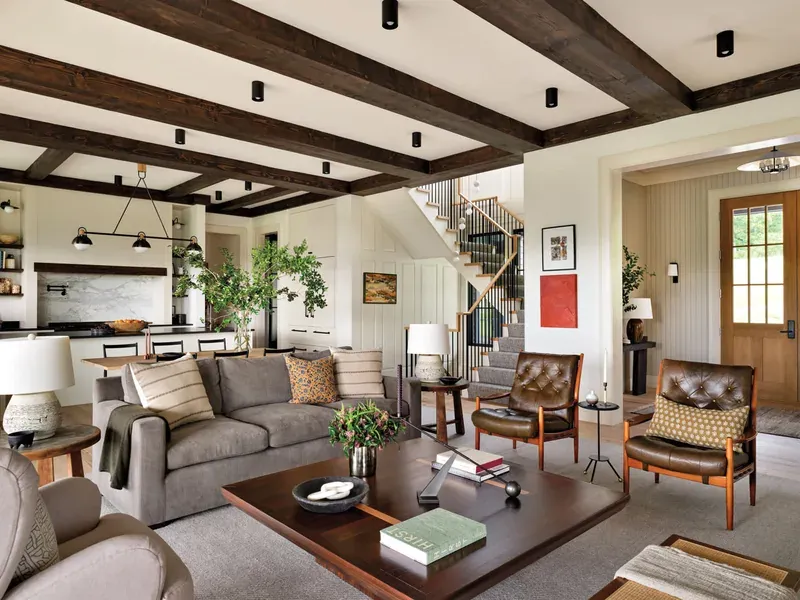
Farmhouse is built from sturdy, natural, comfortable pieces. These are the warm, rustic staples that read as modern farmhouse instantly:
A deep, cozy sofa in cream or oatmeal linen with washable covers. The comfortable, welcoming anchor.
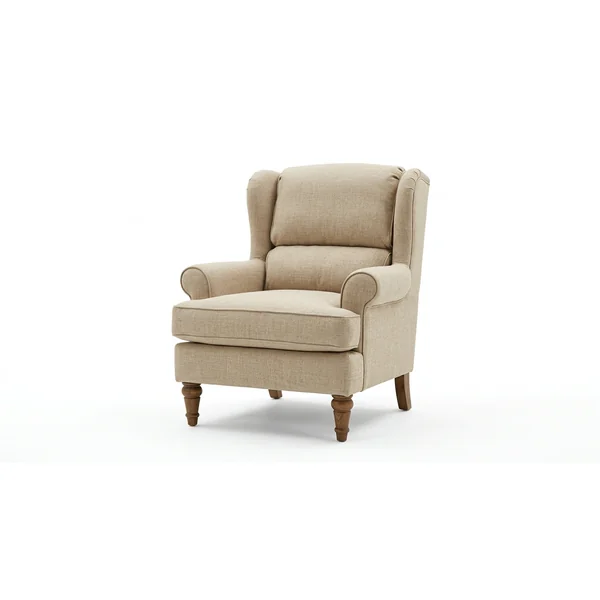
A soft upholstered or wingback chair in warm neutral linen, comfortable and inviting beside the fire.
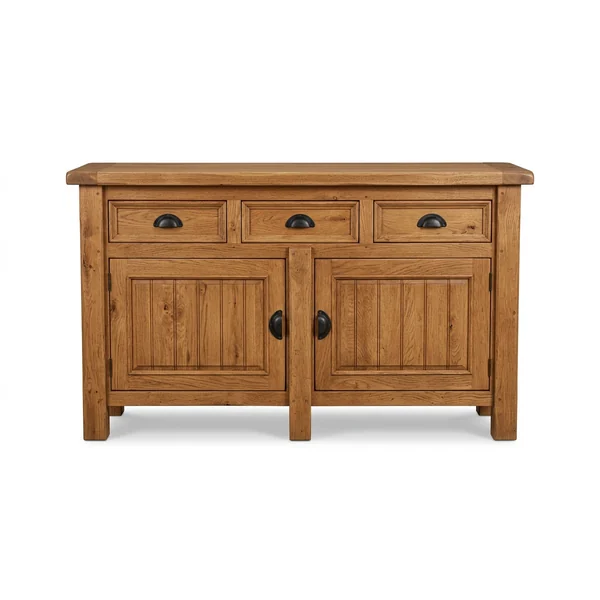
Panelled storage in aged oak with matte-black cup-pull hardware. Rustic warmth plus the signature black contrast.
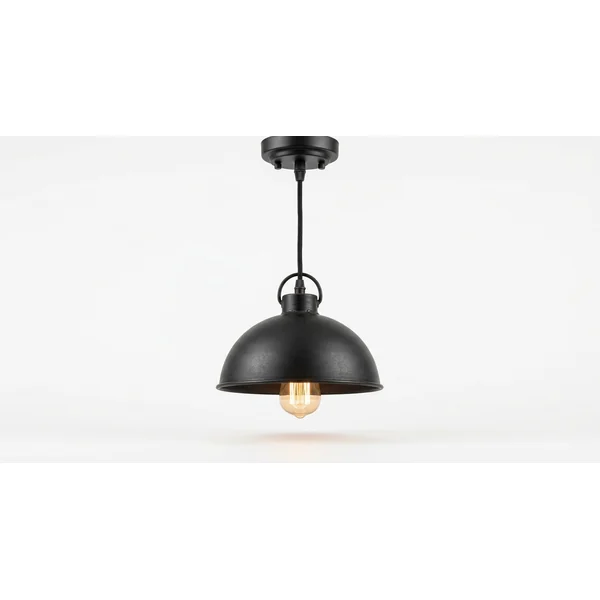
A matte-black lantern or dome fixture with a warm bulb, for soft, homely light overhead.
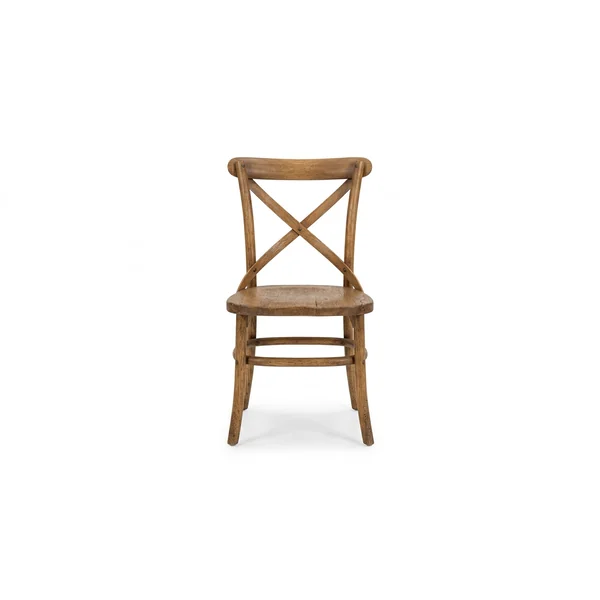
Solid aged oak with an X-back or spindle design, sturdy, classic, and unmistakably farmhouse.
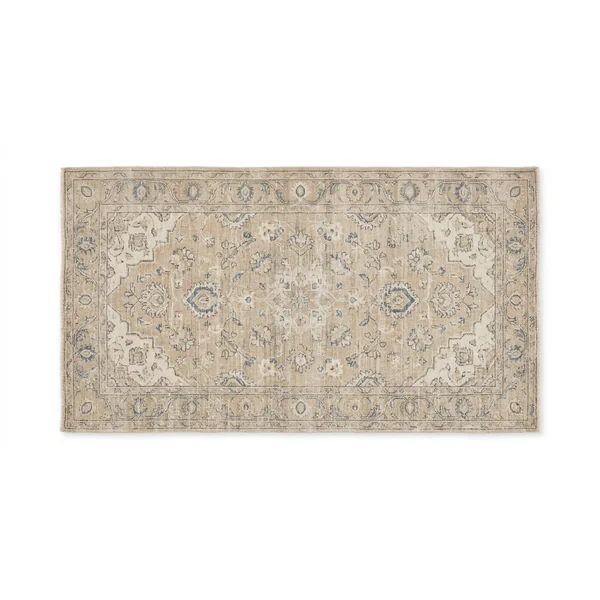
A soft jute or muted vintage rug to add warmth and texture underfoot.
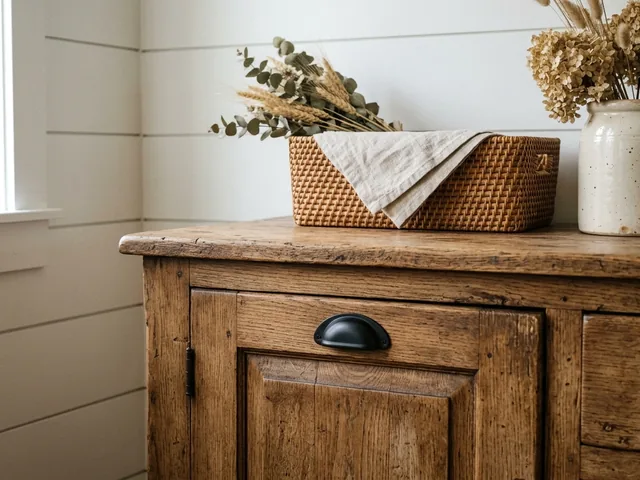
Horizontal shiplap, beadboard, and panelling add the textured, architectural backdrop that signals farmhouse instantly.
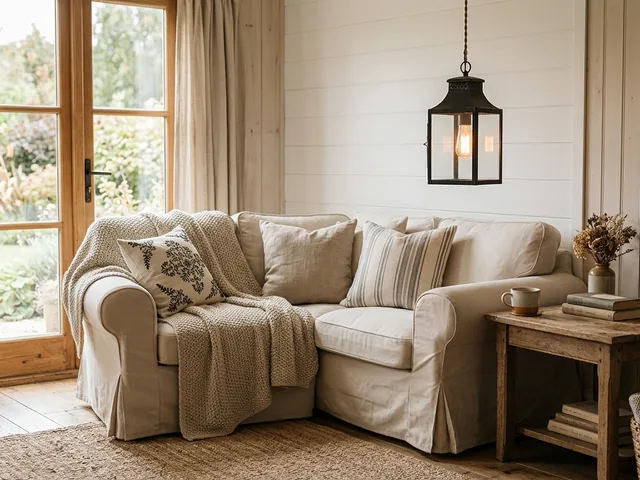
Black lantern pendants, simple shades, and warm bulbs keep the light soft and welcoming rather than bright or clinical.
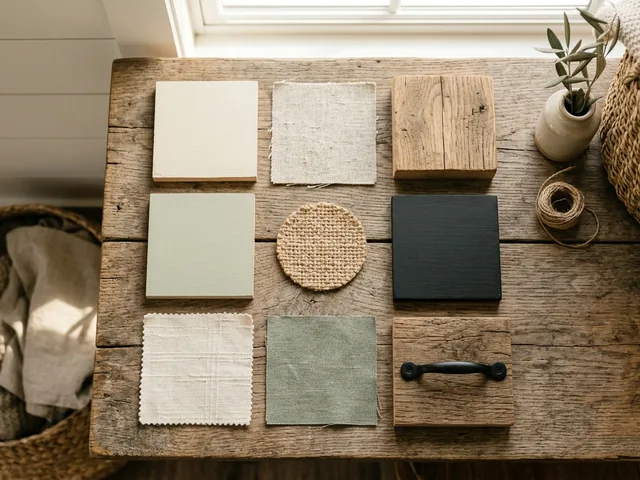
Cream, oatmeal, and soft greige form a calming base that lets the wood and black accents stand out.
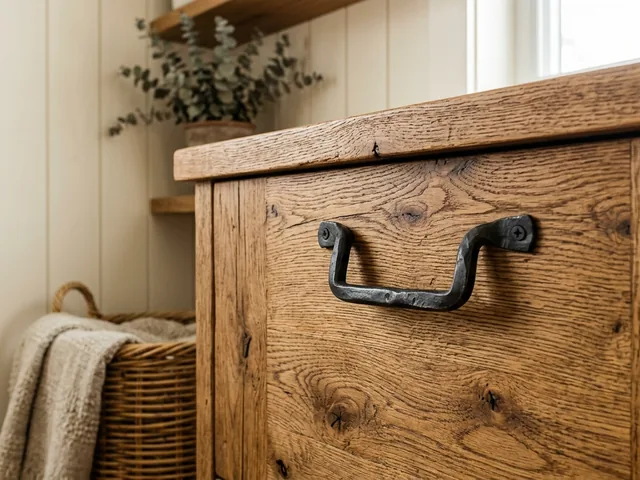
Warm, slightly weathered oak paired with crisp matte-black handles and taps is the signature modern-farmhouse contrast.
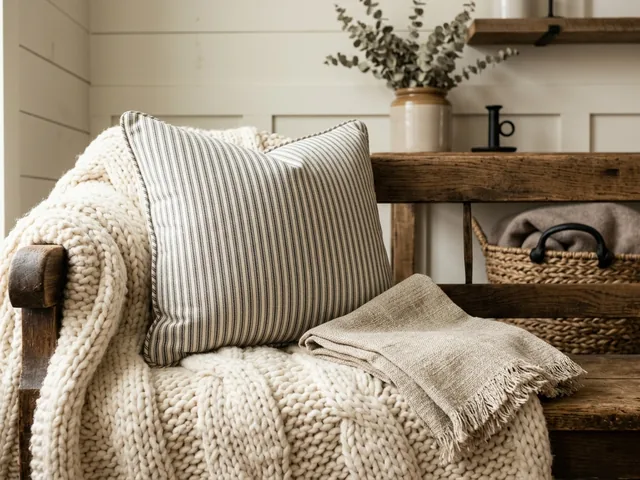
Chunky knits, linen, and ticking stripes pile up to make the room feel warm and lived-in.
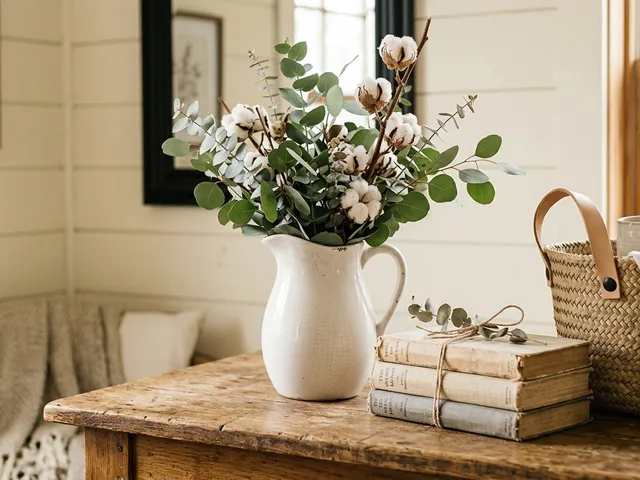
Woven baskets, ceramic crocks, and stems of eucalyptus or cotton add natural, handmade warmth.
Modern farmhouse keeps the palette warm and simple, and the 60-30-10 rule fits it neatly. Around 60 percent is a fresh neutral base (cream and oatmeal walls, often shiplap), about 30 percent is natural wood and soft texture, and the final 10 percent is the crisp matte-black accent on hardware, fixtures, and window frames. That black contrast is what gives modern farmhouse its current, graphic edge over the older, all-beige country look.
Farmhouse in 2026 has matured past the all-grey, sign-on-every-wall phase. The cozy, natural warmth stays, but it is cleaner, warmer, and more grown-up. These are the shifts shaping farmhouse rooms this year:
The grey-and-white farmhouse of the 2010s is out. Cream, oatmeal, and warm wood tones now lead, for a softer, cozier, more timeless base.
Cleaner lines, rounded shapes, and natural materials are blending farmhouse with organic modern, a calmer, less themed take that drops the rustic clutter.
Muted greens, especially sage, along with soft clay and warm taupe, are the farmhouse accent colours of 2026, replacing stark black-and-white schemes.
Matte-black taps, handles, and frames remain the signature contrast, but mass-produced word art and kitsch decor have given way to handmade and vintage pieces.
Chunky knits, linen, woven baskets, and aged wood layer up to make the room feel warm and lived-in, with texture doing the work that pattern does elsewhere.
Farmhouse ranges from budget-friendly to costly, since the look can be built with paint, shiplap, and accessories or with real reclaimed wood and custom joinery. A light refresh runs $400 to $1,000; a fuller living room makeover lands around $4,500 to $9,000 mid-range, with shiplap and custom cabinetry pushing it higher. Here is where the money goes (rough 2026 US estimates):
| Item | Budget | Mid-range | High-end |
|---|---|---|---|
| Walls (shiplap / panelling) | $200–500 (peel-and-stick / DIY panels) | $1,000–2,500 (installed shiplap) | $3,500+ (full panelled rooms) |
| Flooring (aged / wide-plank wood) | $500–900 (laminate / LVT) | $1,500–3,000 (engineered oak) | $4,000–8,000 (reclaimed / solid) |
| Sofa (slipcovered, 3-seat) | $600–1,000 (flat-pack) | $1,500–3,000 | $4,000+ (artisan) |
| Aged-wood storage / table | $250–550 | $800–1,800 | $3,000+ (reclaimed / custom) |
| Lighting (black lanterns / pendants) | $120–300 | $450–1,000 | $1,800+ (statement) |
| Textiles, baskets & decor | $100–280 | $350–700 | $1,000+ |
Where to spend: a comfortable slipcovered sofa and real shiplap or wood if you can, the pieces that carry the cozy, textured look. Where to save: black hardware swaps, baskets, and textiles, which deliver a lot of the farmhouse feel for very little.
Paint walls a creamy white or warm neutral, and add shiplap or panelling on at least one wall if you can. This fresh, textured backdrop is the foundation of modern farmhouse.
Add aged or reclaimed oak through a table, shelving, or beams. The warm, slightly weathered wood is what gives the room its rustic, lived-in soul.
Swap handles, taps, lighting, and frames for matte black. This single contrast is what separates current modern farmhouse from the older all-beige country look.
Pile on linen, a chunky knit throw, woven baskets, and a soft rug. Farmhouse warmth comes from layered texture, so be generous with soft, natural materials.
Add a few woven baskets, some greenery or eucalyptus, and one or two vintage or handmade pieces. Skip the mass-produced word signs, restraint keeps it feeling warm rather than kitsch.
Farmhouse design takes the honest, practical look of a working rural home and makes it warm and welcoming. It is built on natural materials, aged wood, stone, linen, and wrought iron, and on comfort over polish. The original farmhouse was about function: big tables for big meals, sturdy furniture, and hard-wearing surfaces. The modern style keeps that soul while smoothing off the rough edges.
The version most people picture today is modern farmhouse, the look popularised by designers like Joanna Gaines: a fresh neutral base, shiplap or panelled walls, aged oak, and crisp matte-black hardware and fixtures. It pairs rustic warmth with cleaner, more current lines, so it feels cozy and lived-in without tipping into country kitsch. The structure is simple: a warm neutral backdrop, natural wood, black accents, and plenty of soft texture.
A light refresh with warm paint, black hardware swaps, textiles, and baskets runs around $400 to $1,000. A fuller makeover with shiplap, aged-wood flooring, a slipcovered sofa, and proper lighting typically lands at $4,500 to $9,000 mid-range. Real installed shiplap and reclaimed-wood pieces push it higher, which is why many people use peel-and-stick panels and wood-look flooring instead.
Modern farmhouse is the current take on rustic farmhouse style. It keeps the natural wood, shiplap, and cozy comfort, but pairs them with a fresh neutral palette, cleaner lines, and crisp matte-black hardware and fixtures. The result is warm and welcoming without the heavy, dated feel of older country decor.
The base is warm and neutral, creamy whites, oatmeal, and soft greige, grounded with aged-oak wood tones. The signature accent is matte black on hardware and fixtures, and the most popular colour accent in 2026 is muted sage green, often joined by soft clay and warm taupe.
Shiplap is horizontal wooden wall panelling with subtle grooves between the boards, a classic farmhouse texture popularised on home renovation shows. It is a strong signal of the style but not essential: beadboard, vertical panelling, or even a peel-and-stick version gives a similar textured look, and a warm neutral wall alone can still read as farmhouse.
All three use natural and reclaimed wood, but the mood differs. Rustic is rougher and more rural, leaning heavily on raw timber and stone. Industrial is cooler and more urban, built on metal, concrete, and exposed structure. Farmhouse sits between them: warm and cozy like rustic, but cleaner and fresher, with light neutrals, shiplap, and crisp black accents.
The cool grey-and-white farmhouse that defined the 2010s has fallen out of favour. In 2026 the style has shifted firmly toward warm neutrals, cream, oatmeal, and warm wood, with sage and earthy tones as accents. Grey can still appear in small doses, but a warm base now reads as far more current and cozy.
The hallmarks are shaker-style cabinets in white or sage, a deep apron-front (farmhouse) sink, aged-wood open shelving or a butcher-block worktop, and matte-black taps and hardware. Add woven or black-lantern pendants over an island and a few ceramic crocks and baskets, and the practical, gather-round feel becomes the style.
Yes. You do not need a rural house to get the look. Focus on the portable elements: a warm neutral palette, a slipcovered sofa, aged-wood pieces, black hardware, and cozy layered textiles. Peel-and-stick shiplap or panelling can add the texture on one wall without any structural work.
Absolutely. Swapping handles, taps, and lighting to matte black is cheap and transformative, peel-and-stick shiplap and wood-look flooring fake the texture for less, and thrifted baskets, crocks, and aged-wood pieces suit the style perfectly. You can also upload a photo of your room to MeltFlex to preview the look before spending anything.
Yes, though it has evolved. In 2026 farmhouse has dropped the cool grey and the word-art signs in favour of warm neutrals, organic modern lines, sage and earthy accents, and handmade or vintage pieces. The cozy, welcoming, natural heart of the style, with its shiplap, aged wood, and black hardware, is as popular as ever.
Not sure this is your style? Take the free style quiz