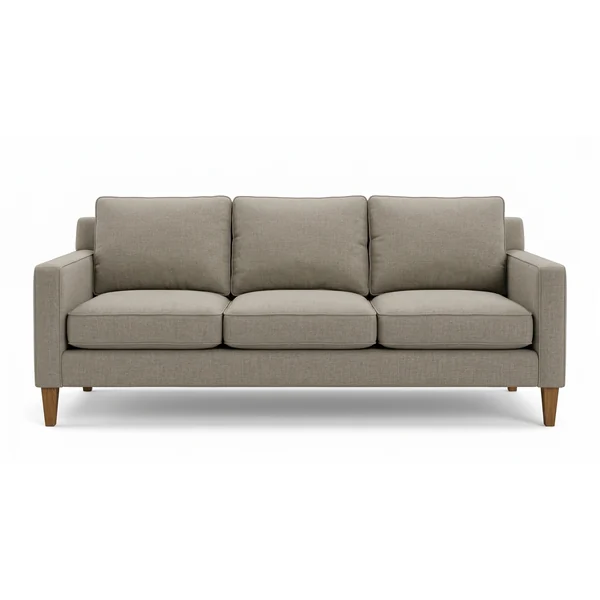
Clean-lined sofa
Track or softly rolled arms in greige linen with loose cushions. Modern lines with traditional comfort.
The comfortable middle ground between traditional warmth and modern restraint, easy to live with for years. Here is what defines transitional design in 2026, what it costs, the trends shaping it now, and how to get the look.
Try Transitional on your room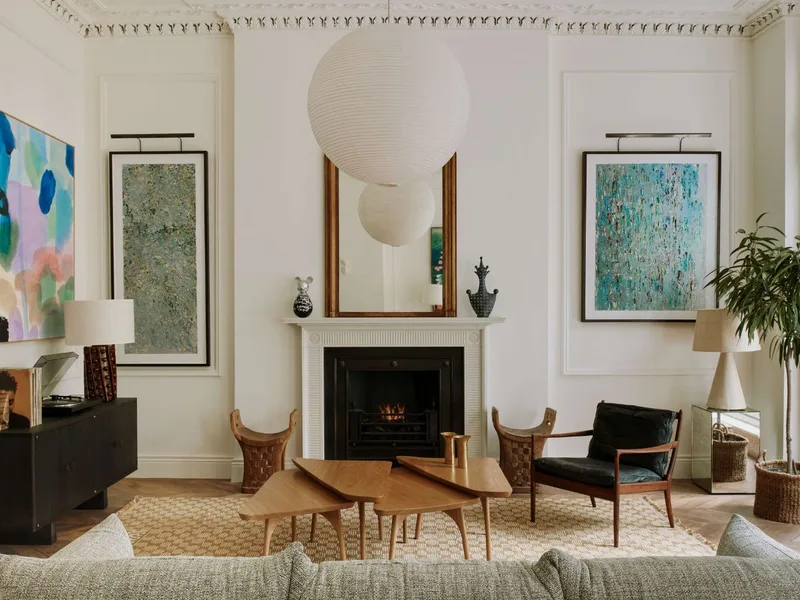
A handful of balanced, well-chosen pieces carry the look. These are the calm, versatile staples that read as transitional instantly:
Track or softly rolled arms in greige linen with loose cushions. Modern lines with traditional comfort.
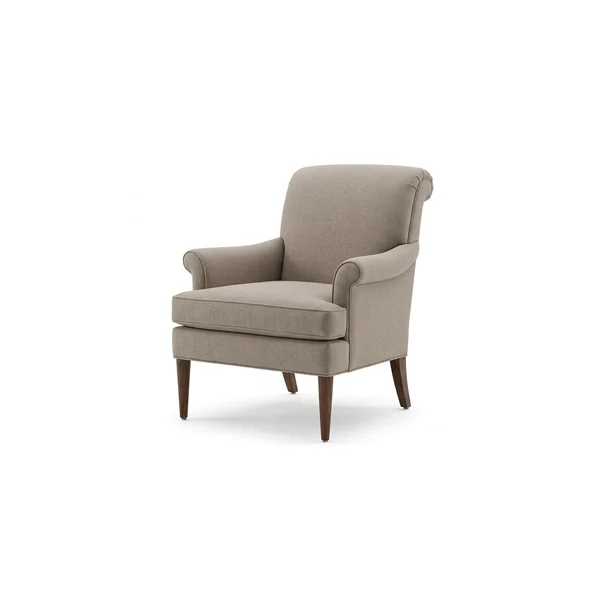
A gently curved back in taupe linen on slim legs. The classic touch that warms the clean lines.
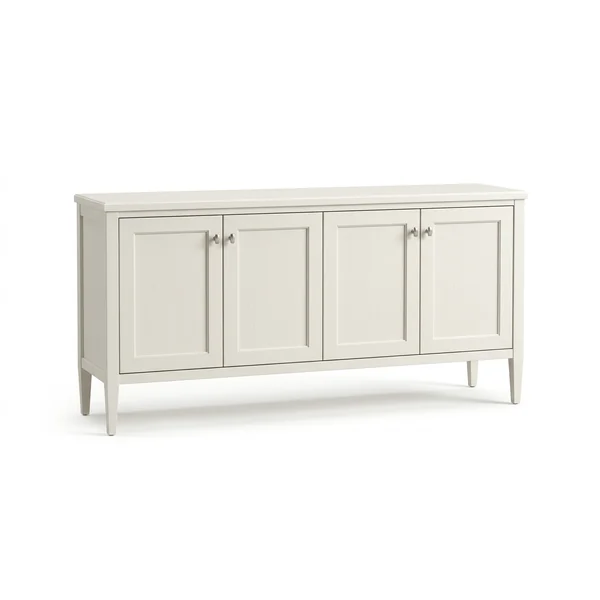
Flat shaker fronts in off-white or oak with simple brushed-nickel pulls. Understated, versatile storage.
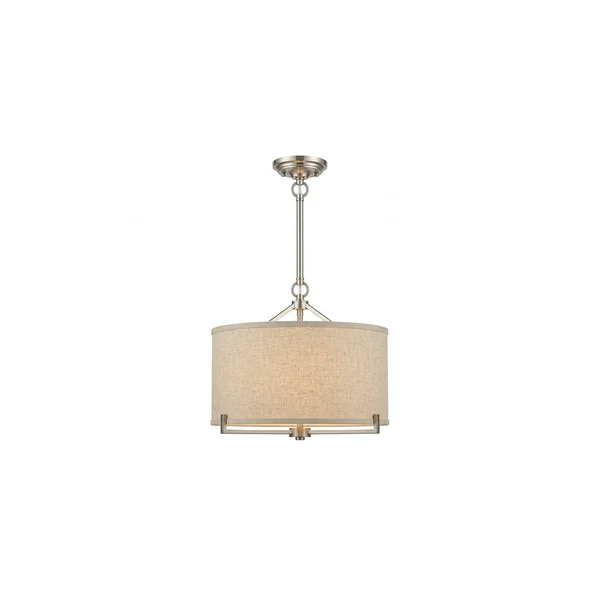
An oatmeal drum shade on a brushed-nickel frame for soft, even, unfussy light.
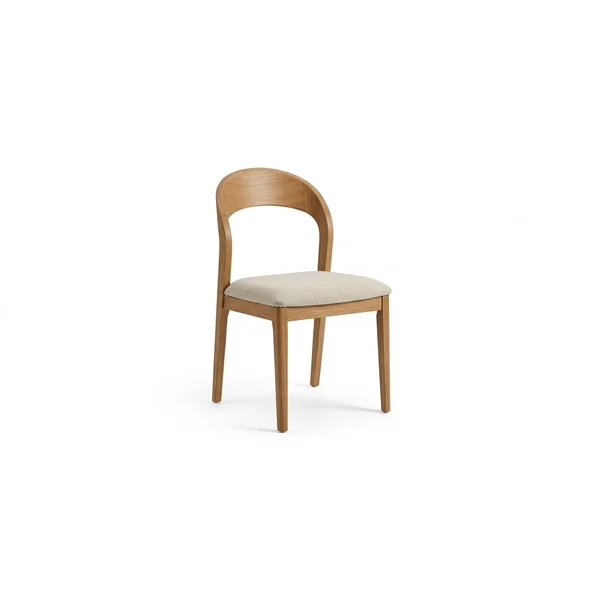
A simple wood frame with a softly curved back and neutral seat. Balanced and easy to mix.
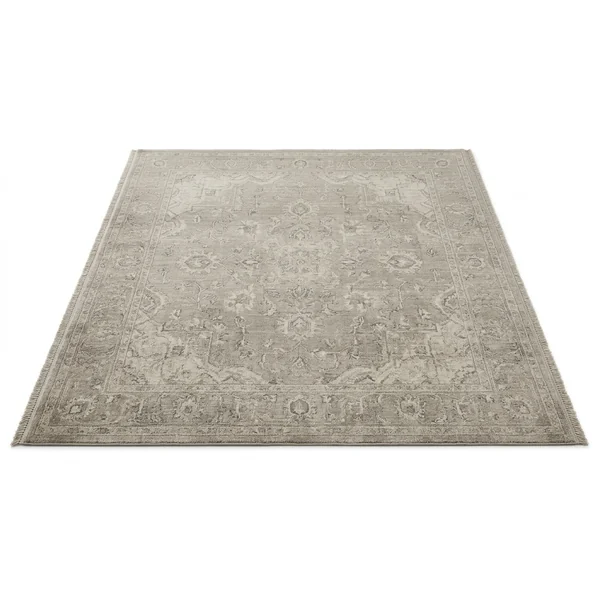
A greige rug with a subtle, faded pattern to add quiet texture without breaking the calm.
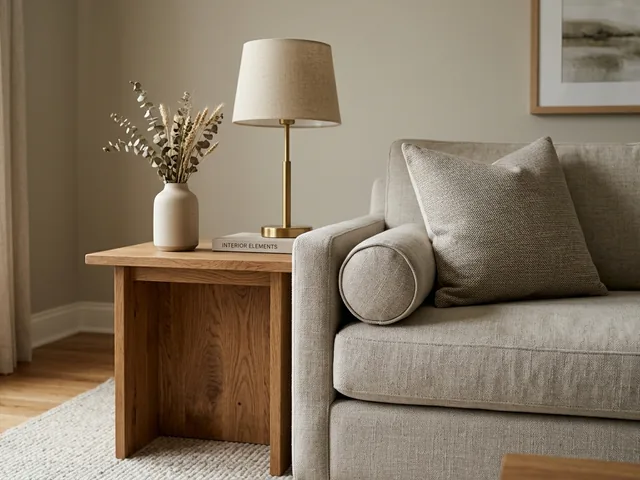
A clean-lined sofa with gently rolled or track arms. The silhouettes are simple and current but never sharp or severe.
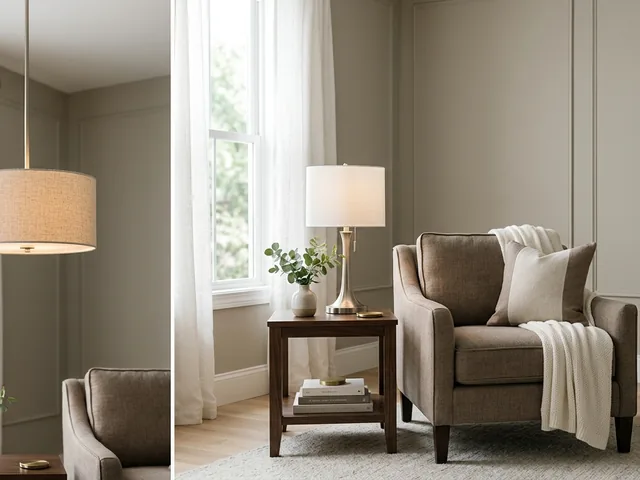
A simple linen drum-shade pendant and brushed-nickel lamps give even, restful light without ornate fixtures or harsh glare.
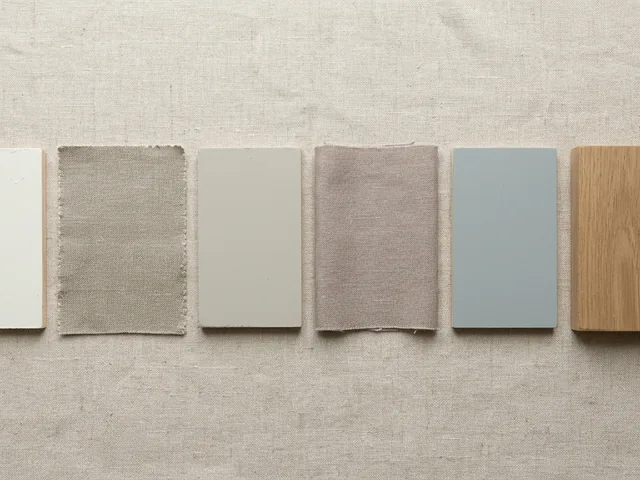
Off-white, greige, taupe, and soft grey form a calm, tonal base that keeps the room feeling balanced and easy.
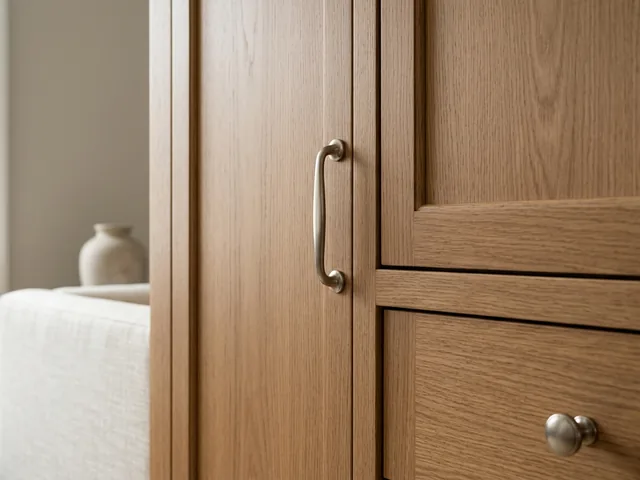
Oak and walnut in mid tones add warmth and a nod to tradition, grounding the neutral palette so it never feels cold.
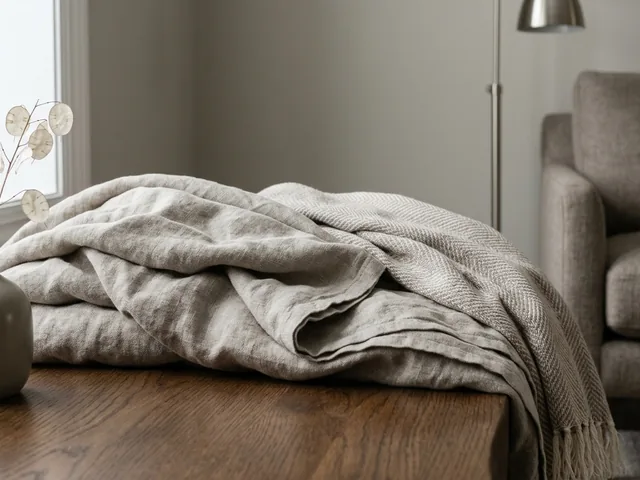
Linen, wool, and subtle weaves add depth and interest, since colour and bold pattern are deliberately kept to a minimum.
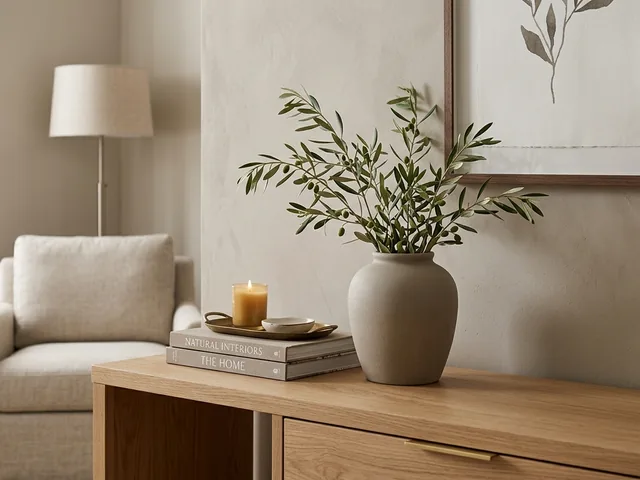
Linen with warm wood and brushed metal, a few classic accents against clean lines. The mix is balanced and uncluttered.
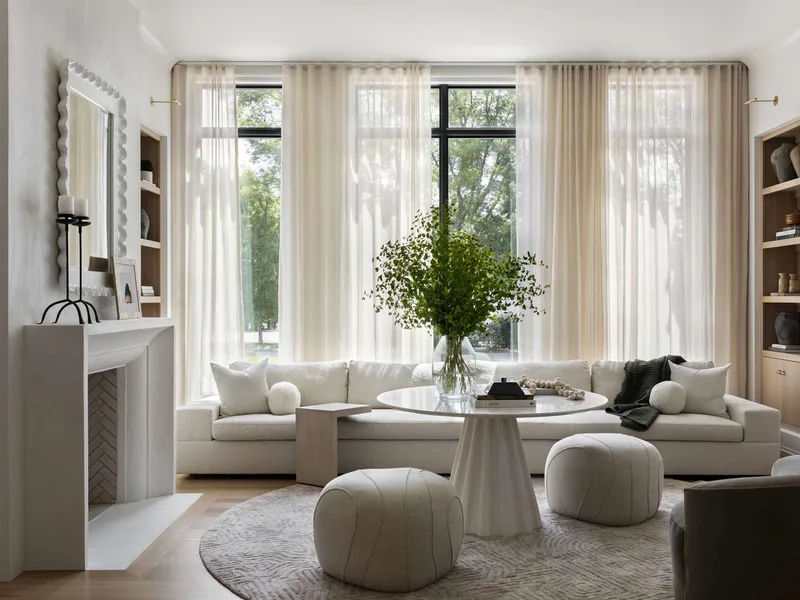
Transitional rooms live on a calm, neutral palette, and the trick is to layer tones within one warm family. Use the 60-30-10 rule with an off-white or greige base, a slightly deeper neutral on upholstery and wood, and the quietest of accents. Avoid bold colour and high contrast, this is a style of restraint, and let warm wood and texture rather than strong hues give the room its depth.
Transitional design is quietly everywhere, and in 2026 it is the default for anyone who wants a home that feels current but not trend-chasing. The balanced bones stay, but the mood is getting warmer and a touch more characterful. These are the shifts shaping transitional rooms this year:
The cool-grey transitional look of the last decade is giving way to warmer greige, taupe, and putty, which feel more inviting while keeping the same calm balance.
Rounded sofa backs, arched mirrors, and gently curved chairs are softening the clean lines, a subtle nod to both mid-century and classic comfort.
After years of pure neutral, transitional rooms are welcoming back subtle pattern, a textured rug, a soft stripe, or one characterful antique, to avoid feeling generic.
Bouclé, linen, wool, and natural wood are doing the work that colour used to, giving depth and warmth while the palette stays restrained.
Brushed nickel paired with warm brass or matte black is replacing the all-one-metal rule, adding a quiet, current layer to the neutral scheme.
Transitional design is one of the more forgiving styles to budget for, because the neutral palette and clean lines mean affordable pieces blend in easily, while a few quality items lift the whole room. A light refresh runs $400 to $1,000; a fuller living room makeover lands around $4,500 to $9,500 mid-range. Here is where the money goes (rough 2026 US estimates):
| Item | Budget | Mid-range | High-end |
|---|---|---|---|
| Flooring (warm wood or large tile) | $450–900 (laminate / LVT) | $1,500–3,000 (engineered oak) | $4,000–8,000 (solid wood) |
| Sofa (clean-lined, 3-seat) | $600–1,000 (flat-pack) | $1,500–3,000 | $4,000+ (designer) |
| Accent chair | $200–450 | $700–1,400 | $2,500+ (designer) |
| Storage / sideboard | $250–500 (shaker flat-pack) | $800–1,800 | $3,000+ (solid wood) |
| Lighting (pendant + lamps) | $120–300 | $450–1,000 | $1,800+ (design pieces) |
| Rug, textiles & decor | $150–400 | $500–1,100 | $2,000+ (hand-knotted) |
Where to spend: the sofa and a good rug, the two things that set the room's comfort and tone. Where to save: textiles, decor, and shaker-style flat-pack storage, which blend seamlessly into a neutral scheme and are easy to swap later.
Paint walls a soft off-white or greige and choose warm wood or large-format flooring. This calm, balanced backdrop is the heart of the transitional look.
Pick a clean-lined sofa with gently rolled or track arms, then keep storage simple with shaker fronts. Modern shapes with a hint of softness, never sharp or ornate.
Build the palette in tones of one warm family, then ground it with mid-tone oak or walnut so the room never feels cold or grey.
Combine linen, warm wood, and brushed metal, and add one or two softer traditional touches like a curved chair or a faded rug to balance the clean lines.
Add depth with bouclé, wool, and linen rather than bold colour or pattern, then take a few things away. Restraint and balance are what make it read as transitional.
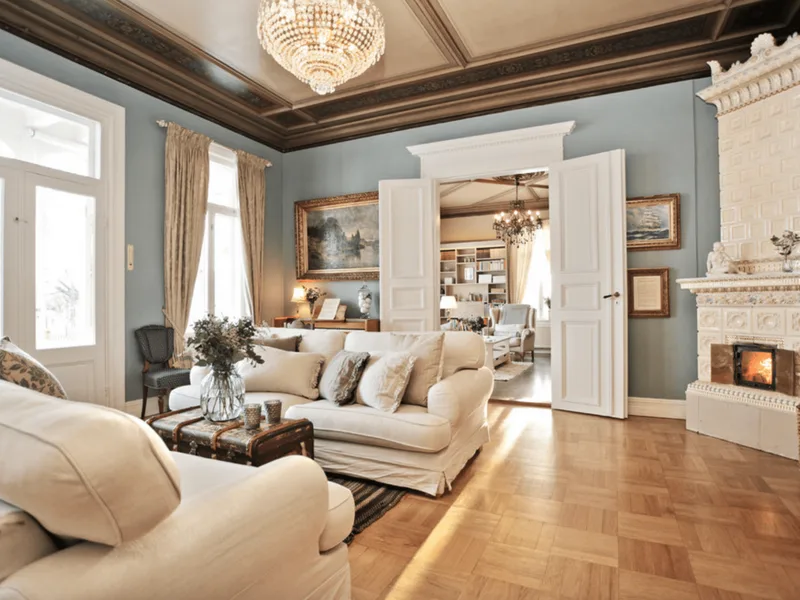
Transitional design is the bridge between two worlds. It takes the comfort, soft shapes, and timelessness of traditional decor and pairs them with the clean lines, calm palette, and uncluttered feel of modern design. The point is balance: a room that feels warm and settled without being fussy, and current without being cold. It is one of the most popular styles precisely because it sidesteps both extremes.
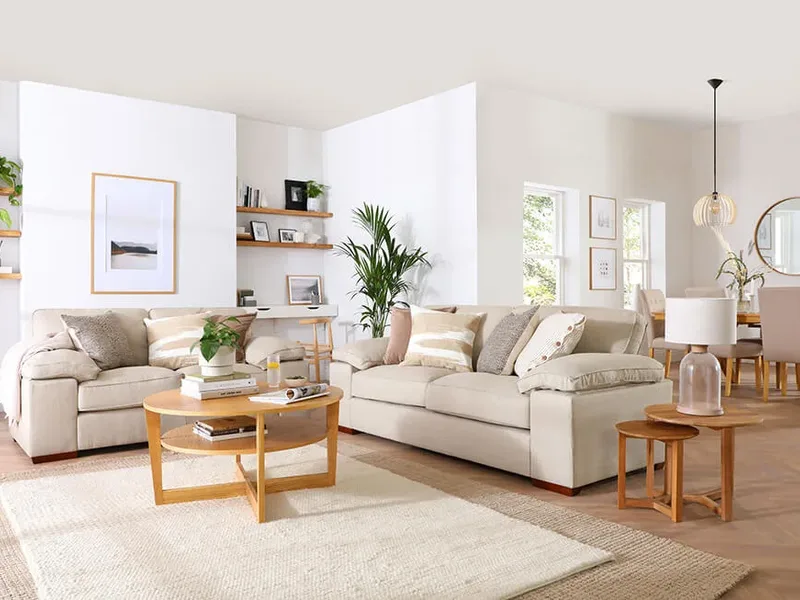
In practice that means a neutral, layered palette, a clean-lined sofa softened by a few classic accents, and a mix of materials like linen, warm wood, and brushed metal. Pattern and ornament are kept light, texture does the heavy lifting, and nothing shouts. Because it never leans too far in either direction, transitional design ages well, which is exactly why people choose it for rooms they want to love for a long time.
A light refresh with paint, a rug, textiles, and lighting runs around $400 to $1,000. A fuller makeover with a clean-lined sofa, an accent chair, storage, and a good rug typically lands at $4,500 to $9,500 mid-range. Because the neutral palette hides affordable pieces well, transitional is easy to do on a range of budgets while saving for one or two quality items.
Transitional interior design is a balanced style that blends the comfort and timelessness of traditional decor with the clean lines and calm palette of modern design. It uses neutral, layered colours, clean-lined furniture softened by a few classic accents, and a mix of linen, warm wood, and brushed metal. The result feels warm and current without being fussy or cold.
The palette is built on warm neutrals: off-white, greige, taupe, and soft grey, grounded with mid-tone wood. Accents are very restrained, usually a muted blue-grey or a touch of charcoal or brushed metal. Strong or bright colours are avoided in favour of a calm, tonal, layered scheme.
Traditional is fuller and more formal, with dark wood, layered pattern, ornate detail, and strict symmetry. Transitional pares all of that back: it keeps a few classic, comfortable shapes but uses a neutral palette, cleaner lines, far less pattern, and a lighter, more relaxed feel that is easier to live with every day.
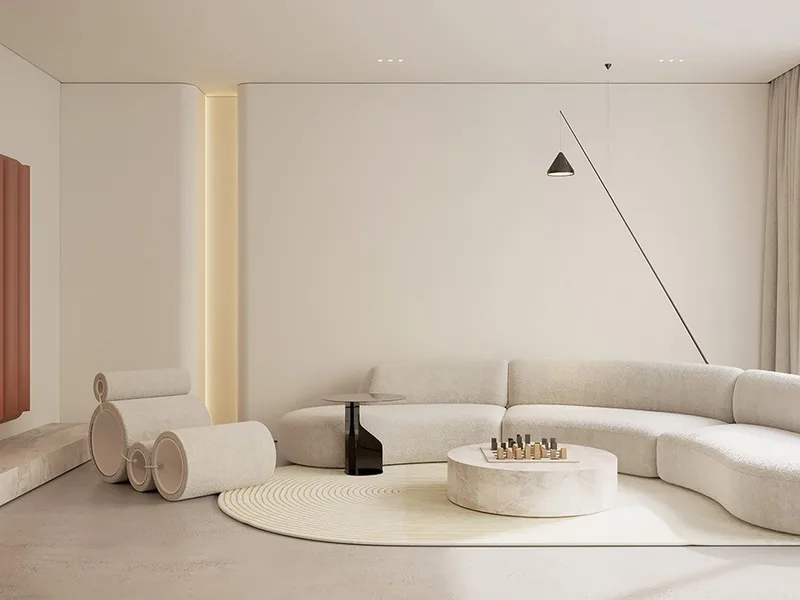
Modern is stricter, more minimal, and more geometric, with a tight palette and an emphasis on open space. Transitional is softer and warmer: it borrows modern clean lines but adds comfort, layered neutrals, natural wood, and the odd traditional accent, so it feels cosier and less austere.
Lean into texture and one or two characterful pieces. Add a textured rug, bouclé or linen, mixed metals, and a single antique or curved accent chair to give the neutral scheme personality. Choosing warm greige over cool grey and layering tones also stops the room from feeling flat or like a showroom.
Warm mid-tone wood is ideal, oak or walnut in engineered or solid form, as it grounds the neutral palette and bridges classic and modern. Large-format tile or LVT in a warm neutral also works well, and a faded or subtly patterned rug on top adds texture without breaking the calm.
Yes, very well. The light neutral palette, clean lines, and restrained decor all make a small room feel larger and calmer, while the soft, comfortable touches keep it from feeling stark. Choosing a few well-scaled pieces and leaning on texture rather than pattern keeps a small transitional space balanced.
Absolutely, it is one of the most budget-friendly styles. Affordable flat-pack pieces blend easily into a neutral scheme, paint and textiles do a lot of the work, and you only need one or two quality items to lift the room. You can also upload a photo of your room to MeltFlex to preview the look before spending anything.
Yes, and it remains one of the most popular styles of all. Because it sits between traditional and modern, it never feels dated or trend-chasing. In 2026 it is shifting toward warmer neutrals, softer curved shapes, a little more pattern and character, and mixed metals, all while keeping the balanced, timeless feel at its core.
Not sure this is your style? Take the free style quiz