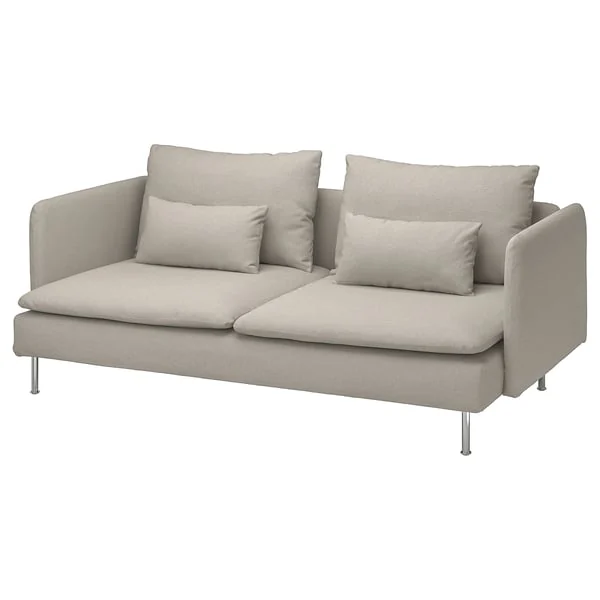
Light linen sofa
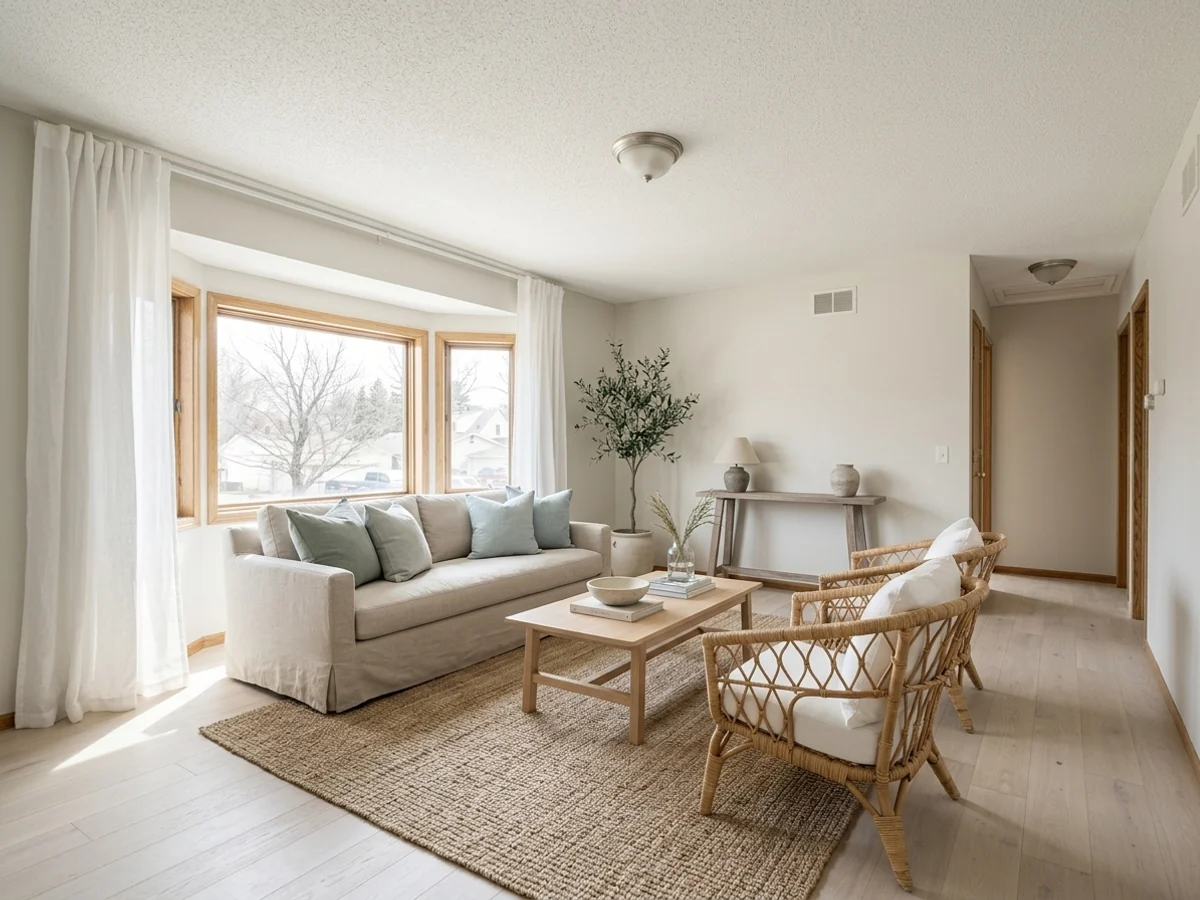
Low, slim arms in oatmeal or grey linen. The anchor of the room.
Pale wood, soft neutrals, and uncluttered space that feels calm and warm. Here is what defines Scandinavian design in 2026, what it costs, the trends shaping it now, and how to get the look.
Try Scandinavian on your room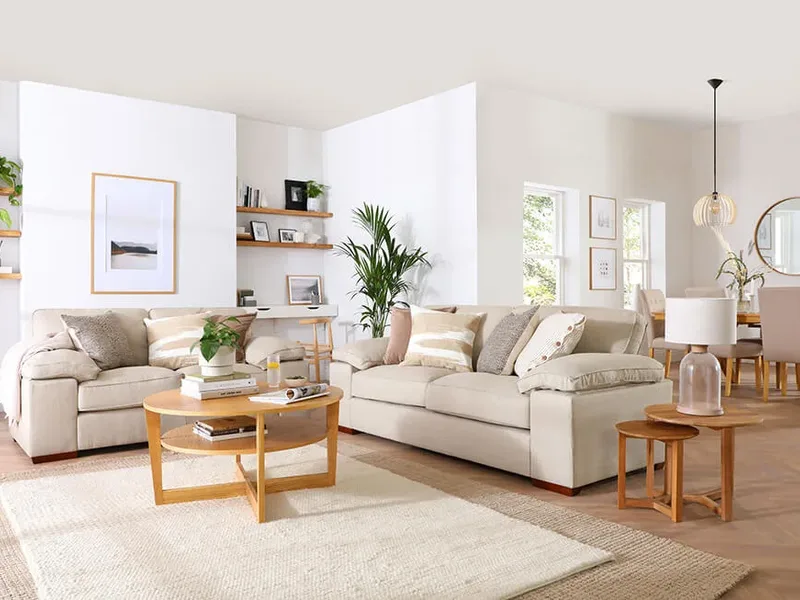
A handful of pieces carry the whole look. These are the trendy, affordable staples that read as Scandinavian instantly:
Low, slim arms in oatmeal or grey linen. The anchor of the room.
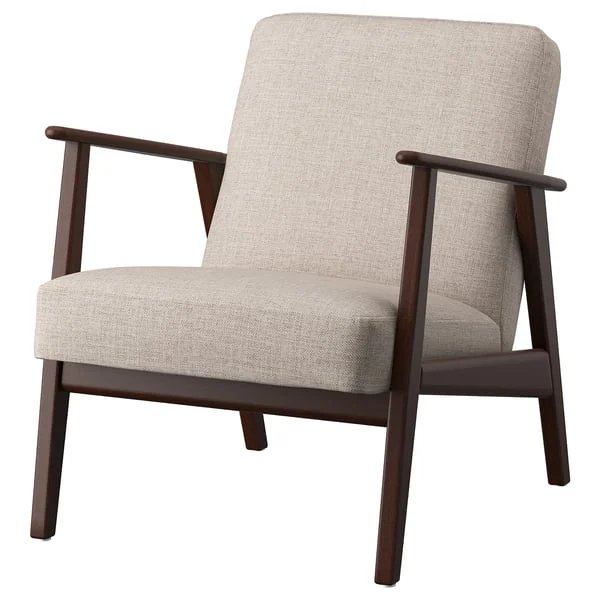
Pale frame with a soft beige cushion. Warmth plus a reading spot.
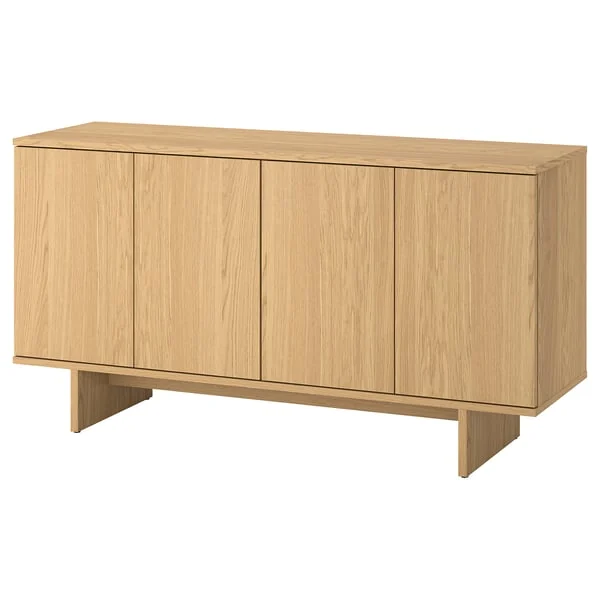
Light oak veneer with clean fronts. Storage that doubles as a styling surface.
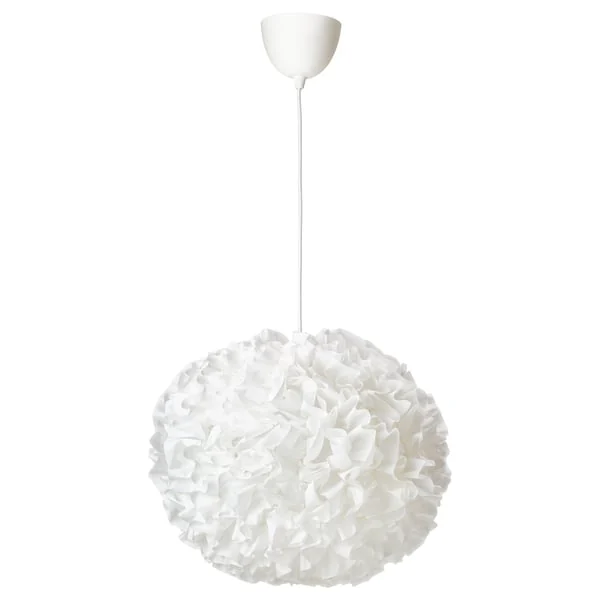
Soft white shade for warm, diffused light instead of harsh overheads.
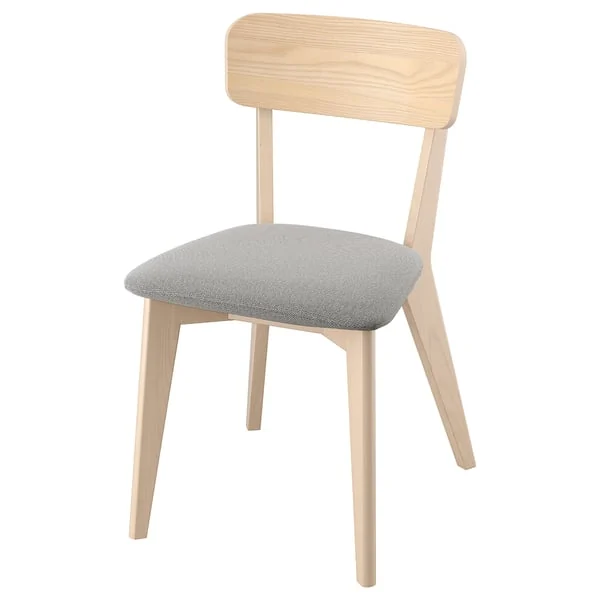
Light wood with clean Shaker lines and a tactile seat.
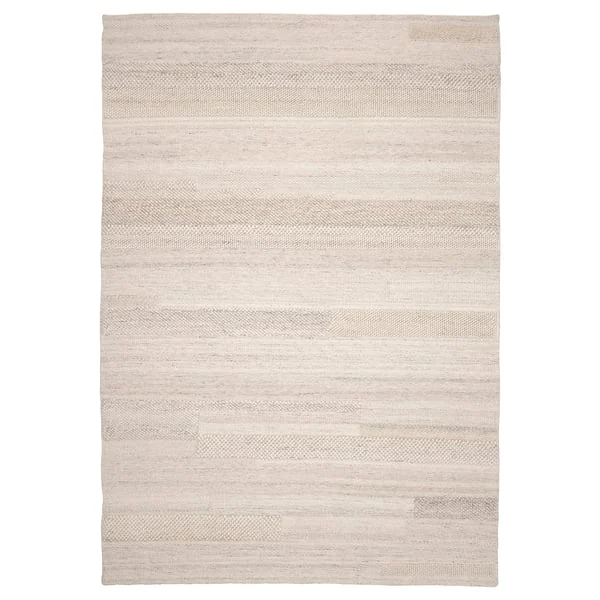
Low-pile beige wool to add texture and soften hard floors.
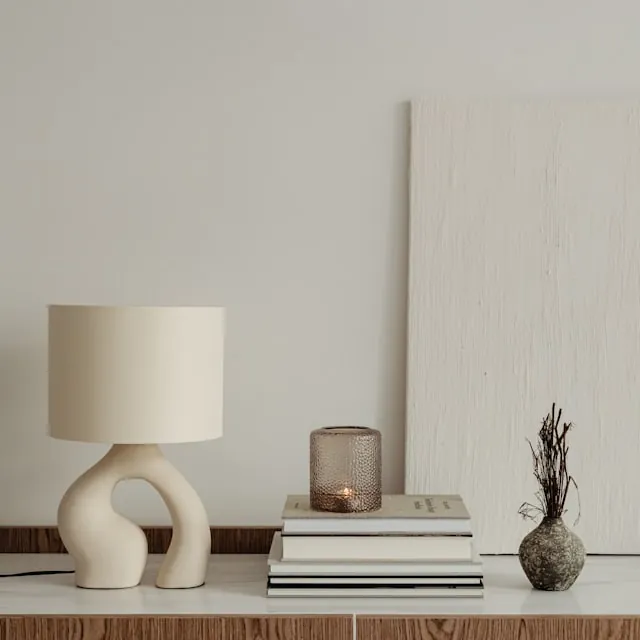
Whites, soft greys, and warm beiges form the base, keeping rooms feeling open and airy.
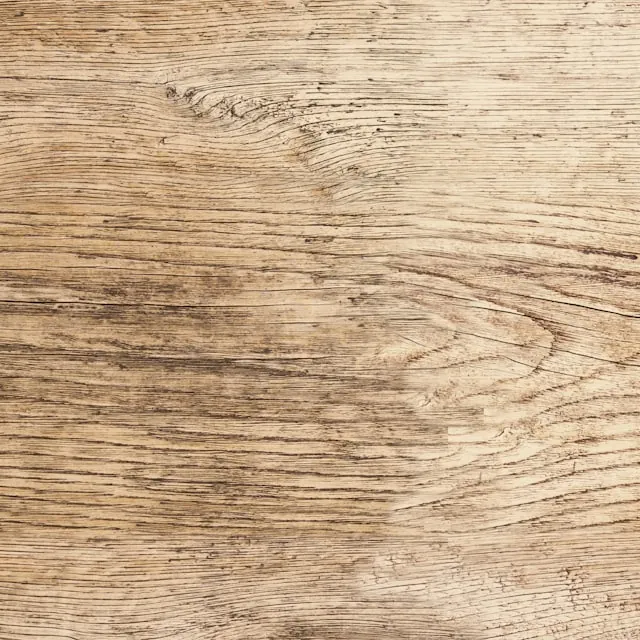
Oak, ash, and birch appear on floors, furniture, and accents to bring quiet warmth.
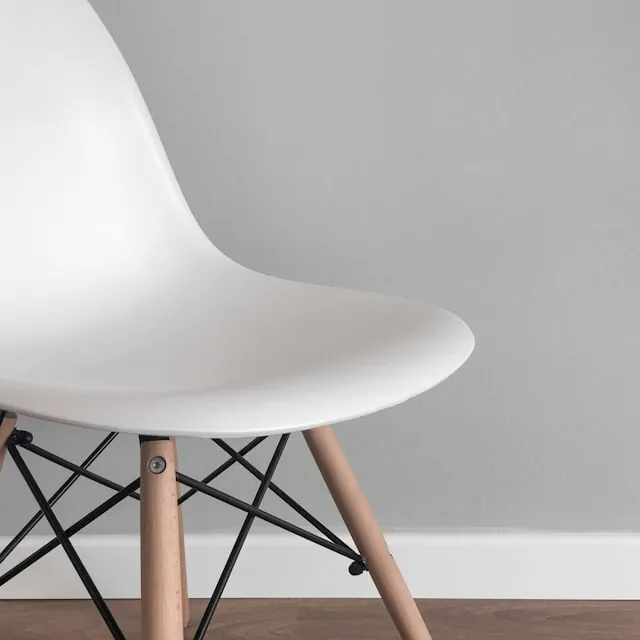
Clean-lined, well-made pieces that are comfortable and never overcrowd a room.
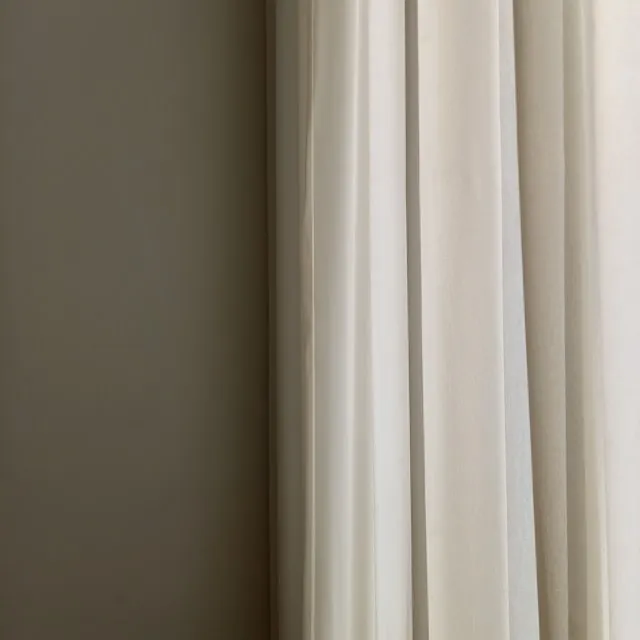
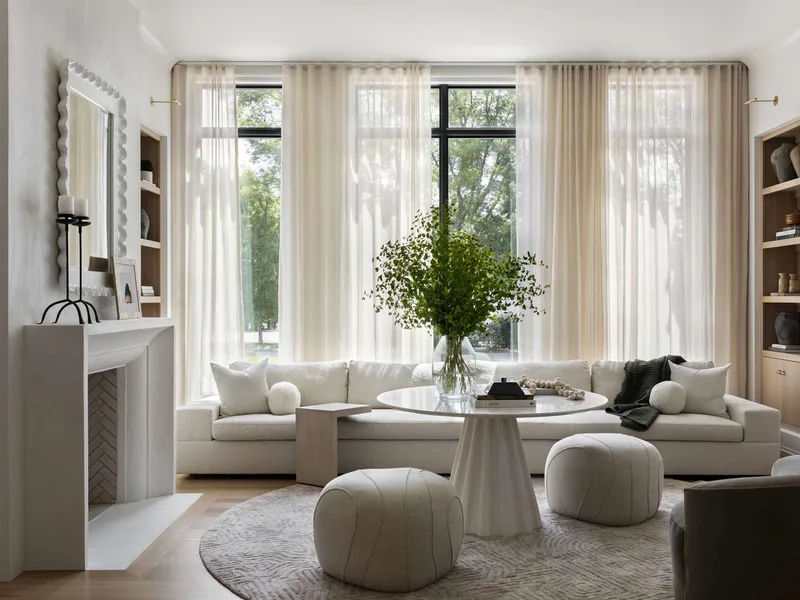
Bare or sheer windows, pale walls, and mirrors are used to bounce daylight around.
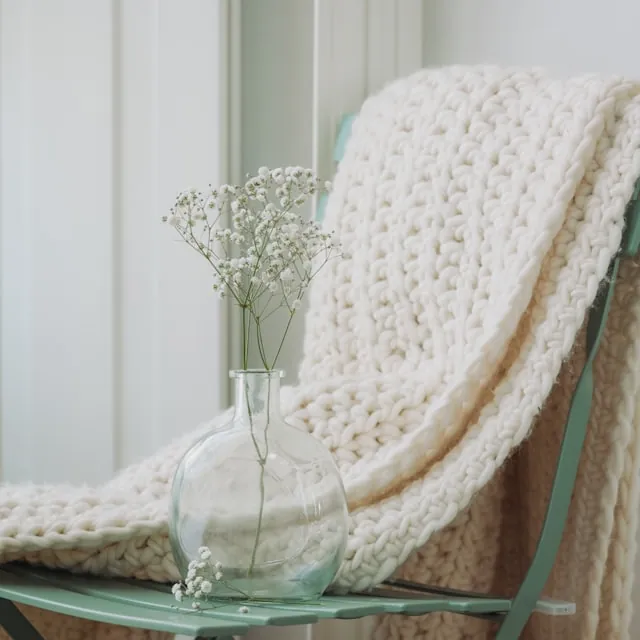
Wool throws, sheepskins, and linen cushions add the hygge factor and soften hard surfaces.
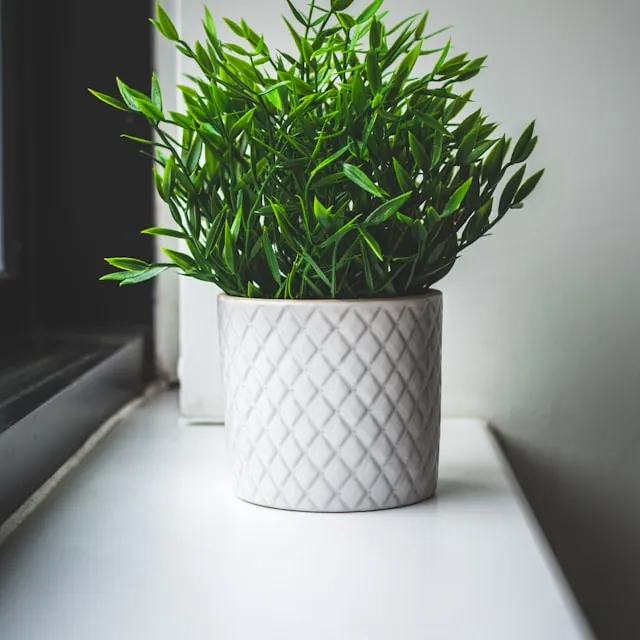
A few plants, ceramics, and candles bring life without clutter.
Scandinavian rooms follow the 60-30-10 rule almost to the letter. Around 60 percent of the room is a light base (walls and large surfaces), about 30 percent is a secondary tone (wood, upholstery, rugs), and the last 10 percent is a quiet accent. Keep the whole palette warm rather than cool, blue-white walls are the most common mistake, and let the wood tone act as a color in its own right.
Scandinavian design in 2026 is moving past stark, all-white minimalism toward something warmer, curvier, and more personal. The bones stay the same (light, natural, uncluttered), but these are the shifts shaping new Nordic rooms this year:
Brown is the new beige. Putty, raw linen, warm taupe, and clay tones are replacing blue-whites for a softer, cosier base that still reads light.
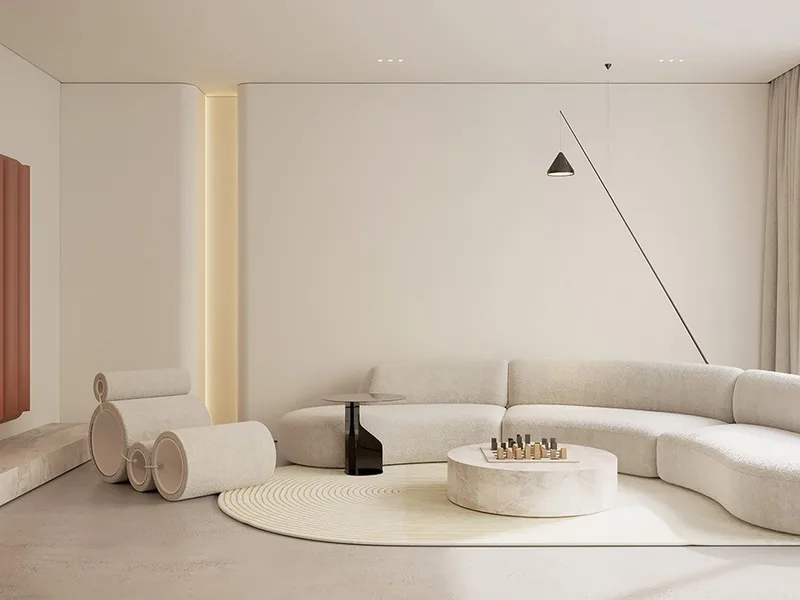
Rounded sofa backs, arch motifs, and soft silhouettes are replacing sharp minimalist angles, a nod to mid-century Nordic furniture with a calmer, more inviting feel.
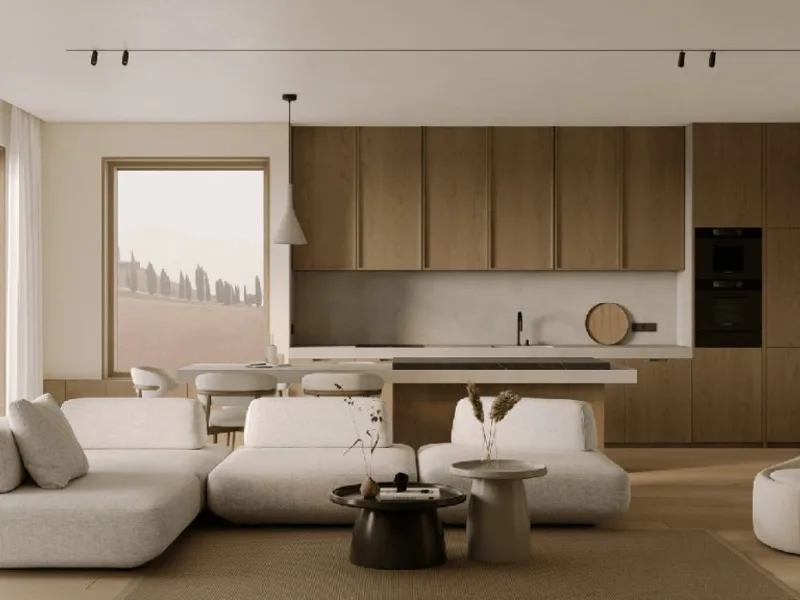
Oiled oak with open grain, smoked ash, and brushed walnut are celebrated rather than hidden. The natural marks and warmer tones are now the point.
Against a light home, a single deep room (olive, plum, or warm charcoal) is a 2026 favourite. The dark space makes the surrounding light rooms feel even brighter.
Bouclé, velvet, chunky wool, and wood panelling add depth. Texture, not pattern, is how 2026 Scandi rooms feel rich without losing their calm.
Scandinavian is one of the cheapest styles to pull off, since brands like IKEA built their business on flat-pack versions of the look. A light refresh runs $400 to $900; a full living room makeover lands around $4,000 to $8,400 mid-range. Here is where the money goes (rough 2026 US estimates):
| Item | Budget | Mid-range | High-end |
|---|---|---|---|
| Flooring (pale oak look) | $400–800 (laminate) | $1,200–2,500 (engineered oak) | $3,000–6,000 (solid oak) |
| Sofa (linen or wool, 3-seat) | $500–900 (flat-pack) | $1,200–2,500 | $3,000+ (designer) |
| Wool rug | $80–200 | $300–700 | $1,000+ (hand-woven) |
| Lighting (pendant + lamps) | $100–250 | $400–900 | $1,500+ (design icons) |
| Storage / sideboard | $150–400 | $600–1,200 | $2,000+ (solid wood) |
| Textiles & decor (throws, cushions, plants, ceramics) | $80–200 | $300–600 | $800+ |
Where to spend: the sofa and lighting, the two things you use and see every day. Where to save: rugs, decor, and flat-pack storage, which are easy to swap later.
Paint walls white or a soft warm grey and, where you can, choose or expose a pale wood floor. This is the canvas everything else sits on.
Pick a comfortable sofa and simple wooden pieces with tapered legs. Avoid bulky, ornate furniture that crowds the room.
Add a wool rug, linen cushions, and a sheepskin or knit throw. Texture is what stops a neutral room from feeling flat or cold.
Keep windows bare or use sheer curtains, and place a mirror opposite a window to push daylight deeper into the room.
Finish with a couple of plants, some ceramics, candles, and one or two simple pieces of art. Stop before it starts to feel cluttered.
Scandinavian design is a Nordic style built on three things: a light, neutral palette, pale natural wood, and uncluttered, functional space. Born in the Nordic countries where winters are long and dark, it makes the most of natural light and leans on the Danish idea of hygge, the feeling of cosy contentment.
The core rule is simple: keep the backdrop light and quiet, then layer in warmth through texture, soft lighting, and a few well-made pieces so the room never feels cold or clinical. Almost every decision below comes back to that balance.
A light refresh using paint, textiles, a rug, and new lighting costs around $400 to $900. A fuller makeover with flooring, a sofa, and storage typically runs $4,000 to $8,400 at mid-range prices, or as low as $1,300 to $2,750 if you lean on flat-pack pieces from brands like IKEA. The biggest single costs are flooring and the sofa, so those are worth budgeting for first.
The palette is built on whites, soft greys, and warm beiges, with pale wood tones throughout. Accents tend to be muted, think sage green, dusty blue, or charcoal, rather than bright, bold colors.
They overlap but are not the same. Both value simplicity and clean lines, but Scandinavian design adds warmth through natural wood and cosy textiles, while minimalism is stricter about keeping everything to the absolute essentials.
Layer natural textures like wool, linen, and sheepskin, use warm white lighting instead of cool tones, and add a few plants and candles. These small touches bring the hygge feeling that defines the style.
Pale wood is the classic choice, oak, ash, or birch, either as real wood or a good-quality laminate. Light floors keep the room bright and pair naturally with the neutral palette.
Yes, it is one of the best styles for small rooms. The light palette, uncluttered layout, and focus on natural light all make a small space feel bigger and brighter.
Absolutely. Focus on decluttering, a light coat of paint, and a few affordable textiles like a wool throw and linen cushions. You can also upload a photo of your room to MeltFlex and preview the look before spending anything.
It is a simple way to balance colour. About 60 percent of the room is a light base (walls and large surfaces), roughly 30 percent is a secondary tone like wood or upholstery, and the final 10 percent is a quiet accent such as sage cushions or a charcoal lamp. Keeping the whole palette warm rather than cool is what gives Scandinavian rooms their calm.
Yes, and it is evolving. In 2026 Scandinavian design is moving away from stark, all-white minimalism toward warmer neutrals, curved organic furniture, wood with visible grain, and the occasional moody, colour-drenched room. The core ideas (light, natural materials, and uncluttered space) remain as popular as ever.
The terms are used almost interchangeably. "Scandinavian" technically refers to Denmark, Norway, and Sweden, while "Nordic" also includes Finland and Iceland. In interior design both describe the same look: a light, functional, nature-led style centred on pale wood, neutral colours, and cosy hygge textures.
Not sure this is your style? Take the free style quiz