
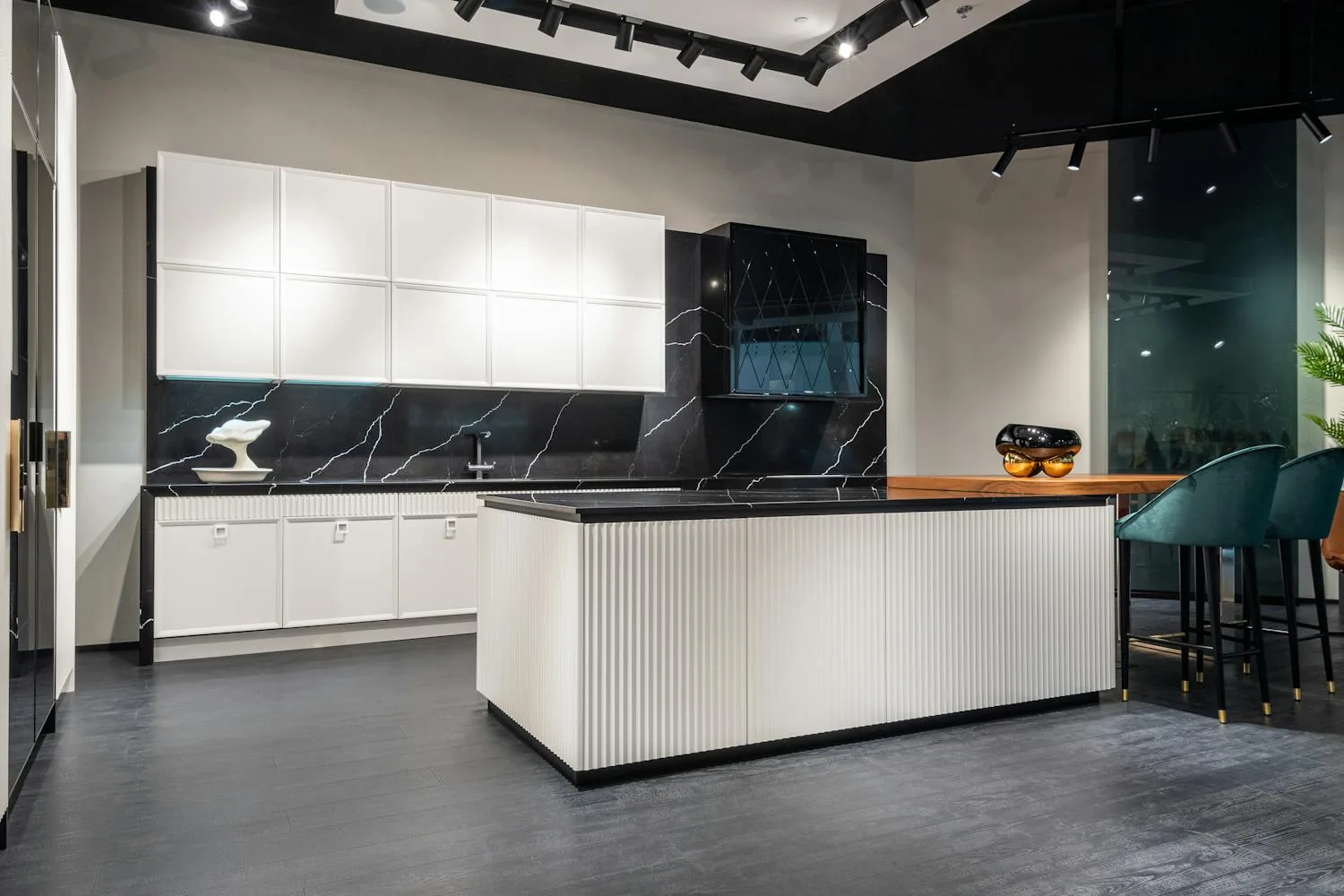
My kitchen was the room I had been avoiding for three years. Cream cabinets that had yellowed into the color of old piano keys, a laminate counter with a scorch mark near the kettle, and lighting that made everything, including me, look slightly unwell. I knew it needed help. I also knew that a proper kitchen designer starts at a number that makes you sit down, far more than hiring a designer usually costs for a single room. So one rainy week I decided to let the robots have a go, and I ran my sad little kitchen through more than ten AI kitchen design tools to see which, if any, was actually worth using.
Quick answer: the best AI kitchen design tool depends on what you want. For free restyles of your existing kitchen, Reimagine Home and VisualizeAI are the easiest. Midjourney is best for pure inspiration. But for an actual remodel you can buy, MeltFlex was the only tool that kept my real layout and linked every cabinet, stool, and light to a product with a price. The full ranked list and comparison table are below.
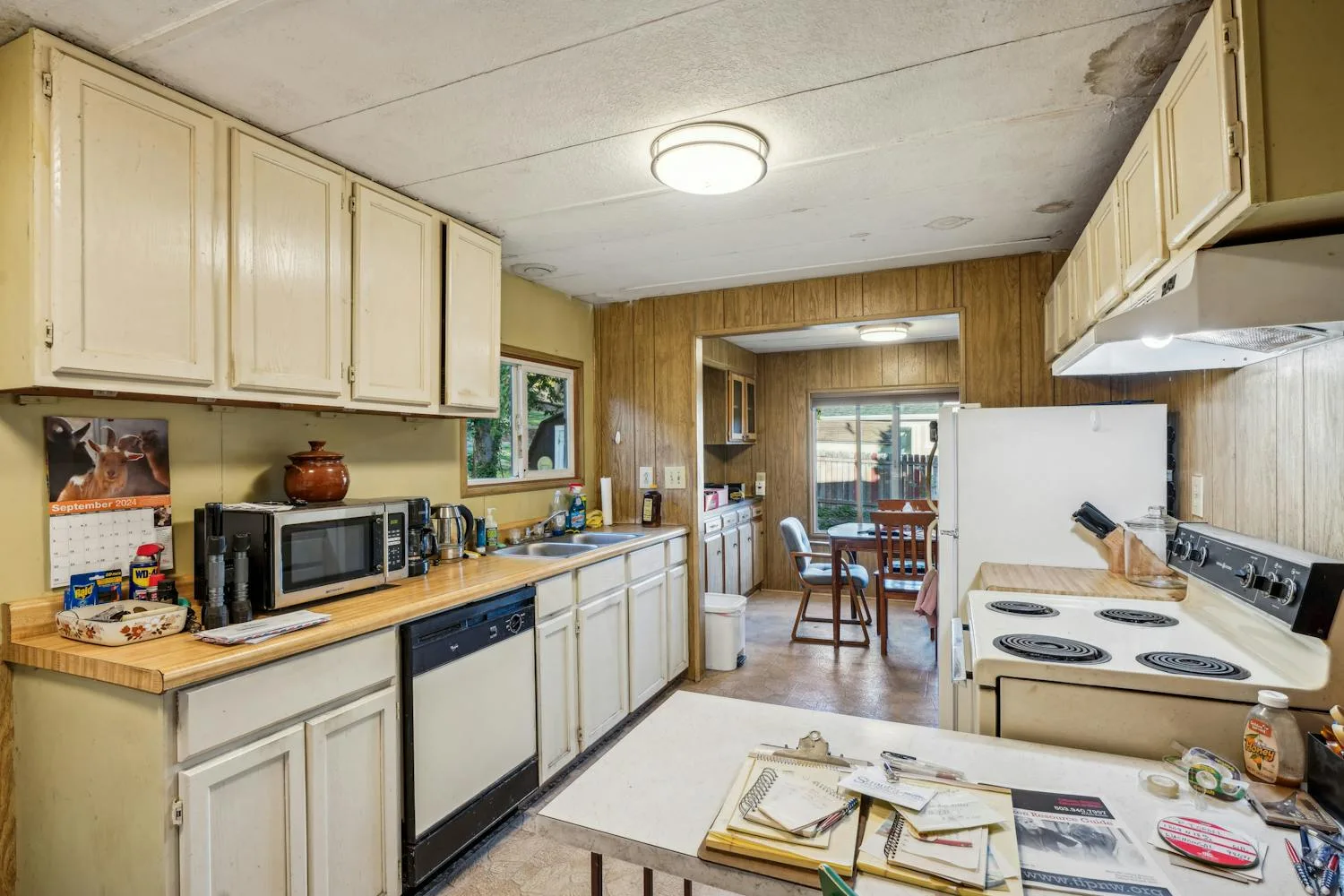
The patient. Yellowing cabinets, a scorched counter, and lighting with a personal vendetta against me.
The short version
- Most AI kitchen tools restyle the surface well, but they invent cabinets and appliances you cannot actually buy.
- Shoot your kitchen in daylight with clear countertops. The photo you feed it decides how believable the result is.
- Keep your layout. The good tools restyle within your real footprint instead of inventing a fantasy kitchen.
- The tool that won kept my real layout and linked every piece to a product with a price, which turned a render into a remodel plan.
Why I let AI loose on my kitchen
A kitchen is the worst room to redesign in your head. There are cabinets, counters, splashbacks, flooring, lighting, hardware, and stools, and every one of them has to agree with the others or the whole thing looks off. A human designer charges for exactly that judgment, and the quotes I got were comfortably into four figures before a single cabinet was touched.
AI promised the same magic for the price of a couple of coffees, so I went in hopeful but skeptical. I tested the well-known names and a few I had never heard of. Here is what a week of staring at AI kitchens taught me.
The AI kitchen tools I tested, ranked
I put the same photo of my kitchen through every tool below. This is the full list, in the order I would actually recommend them, with the honest catch for each.
- MeltFlex (my top pick). The only tool that redesigned my real kitchen, kept the layout, and linked every piece to a product I could buy with a price. It handed me a plan, not just a picture. Try it here.
- Reimagine Home AI. The best free restyler I tried. It handled my real cabinets well and usually kept the layout. The catch: no way to buy anything you see.
- VisualizeAI. The most beginner friendly. Upload a photo, a sketch, or a floor plan, pick a style, and it returns a clean, photorealistic kitchen. The catch: the style presets sometimes drift from what you asked for.
- Homestyler. Best if you care about the floor plan. A proper drag-and-drop 3D planner. The catch: renders look more CAD than camera.
- RoomGPT. Fast and dead simple for a quick before and after. The catch: very little control over the details.
- Collov AI. A polished interface and a big style library. The catch: it happily invents cabinets and lighting that exist nowhere.
- Interior AI. Some of the most realistic, moody renders of the bunch. The catch: the paywall arrives fast and the layout can wander.
- Spacely AI. Solid sketch-to-render aimed at pros. The catch: a real learning curve for a quick kitchen refresh.
- Planner 5D. Genuinely useful for measuring and building a 3D shell. The catch: weak on photorealism, so it looks like a video game.
- Midjourney. Unbeatable for dreamy inspiration boards. The catch: it is the worst at your actual kitchen, because it invents a brand new one every time.
- Adobe Firefly. Handy for a quick generative edit on a single area. The catch: it is an image editor, not a kitchen designer.
A list only tells you so much, so here is how the main contenders stack up on the things that actually matter when you are remodeling, not just daydreaming:
| Tool | Best for | Keeps your real layout | Furniture you can buy | Free tier |
|---|---|---|---|---|
| MeltFlex | An actual remodel plan | Yes | Yes, with prices | Yes |
| Reimagine Home | Free restyles | Usually | No | Yes |
| VisualizeAI | Beginners | Usually | No | Yes |
| Homestyler | Floor plans | Yes | Catalog only | Yes |
| RoomGPT | Quick before and after | Sometimes | No | Limited |
| Midjourney | Inspiration boards | No | No | No |
What most AI kitchen tools get wrong
A few of them genuinely impressed me on the first try, and then a pattern set in. The same problems kept showing up no matter which tool I opened:
- They invent everything. The render looks stunning, then you realize the cabinets, the faucet, and the pendant lights do not exist in any store on earth.
- They quietly move your kitchen. Ask for a new style and some tools relocate the window or float an island where your table goes, which is useless if you are not gutting the room.
- They mistake mess for design. Leave a toaster and a fruit bowl on the counter and the AI faithfully rebuilds them, sometimes as a built-in appliance you never asked for.
- They make you wait. A lot of waiting, a lot of spinning icons, and the occasional cheerful error message right after a slow render finishes.
The waiting I could forgive. The invented furniture I could not. A kitchen render you cannot recreate is just an expensive screensaver.
The one feature that separated the good tools from the toys
It was not all bad. When these tools stay in their lane, restyling a kitchen you already have, several are genuinely useful, and the free tiers alone are enough to test the idea before you pay anything. If you want the wider field beyond kitchens, I went deeper in our comparison of the best AI interior design tools.
The single most useful feature across every tool was uploading a real inspiration photo. Instead of picking from a dropdown of styles, I fed one tool a picture of a warm oak kitchen I had saved, and it pulled my own cabinets toward that look while keeping my window and my counter run exactly where they were. If you want to lock the cabinet color before you commit, our guide to choosing paint colors with AI pairs well with this step. That is the moment AI kitchen design stops feeling like a toy.
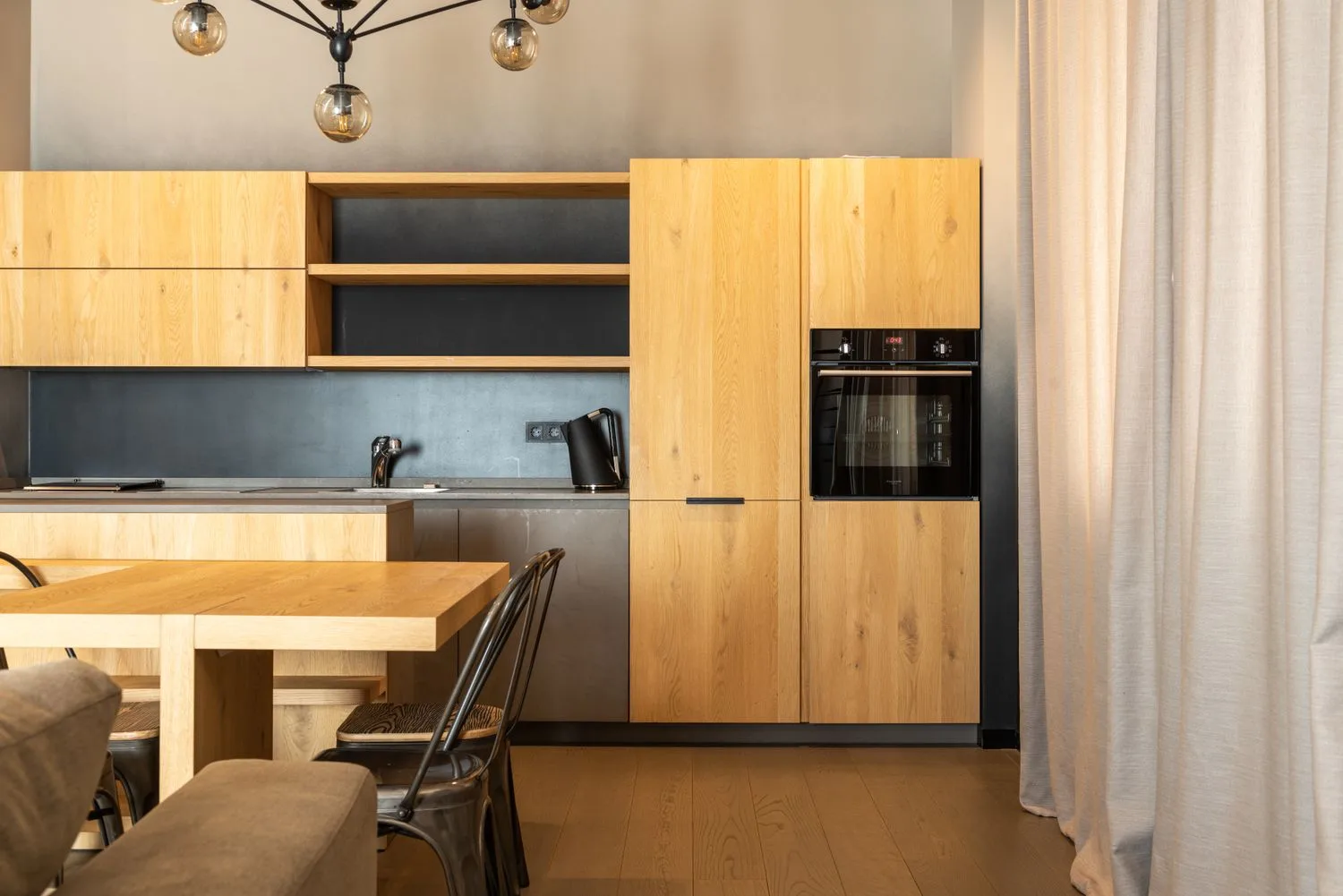
A redesign that respects the room you have: same footprint, warmer materials, better light. This is AI restyling a kitchen instead of inventing one.
My top pick: MeltFlex
By day four I had a folder full of beautiful kitchens and a growing frustration. Every render raised the same question and answered none of it: great, but what do I actually buy? I did not need more inspiration. I needed to know which cabinets, which counter, which stools, what it would cost, and whether any of it fit the room I have.
That is the gap MeltFlex is built to close, and it is why it ended up at the top of my list. Instead of inventing a fantasy kitchen, it redesigns a photo of your real one, keeps your layout and window in place, and then links the pieces in the result to products you can genuinely buy. The stools are real stools with a price. The pendant light is one you can add to a cart. It pulls from retailers like IKEA, Amazon, Wayfair, and Ashley, so the render quietly becomes a shopping list for the remodel.
Why MeltFlex won my roundup
- It keeps your real kitchen. Same layout, same window, same footprint, just restyled.
- Every piece is shoppable. Tap a cabinet, a stool, or a light and see a real product with a price.
- It is fast. Two full redesigns of my kitchen came back in under a minute.
- It turns a render into a remodel. You leave with a budget and a buy list, not just a pretty screenshot.
| What most AI kitchen tools gave me | What I actually needed |
|---|---|
| A restyle of an invented kitchen | My real kitchen, restyled within its layout |
| Cabinets and stools that exist nowhere | Pieces I could click and buy, with prices |
| A pretty picture to admire | A remodel plan I could budget this month |
| The window moved for a nicer render | My plumbing and walls left exactly where they are |
I uploaded the same tired kitchen I had been torturing every other app with and picked two directions, a warm oak look and a crisp white one. If you are still hunting for a direction, our roundup of AI kitchen design ideas and 2026 trends is a good place to browse. This time I could tap the bar stools and see where to order them, instead of falling for something that only lived inside a server. For the first time that week, I was not looking at a picture. I was looking at a plan.
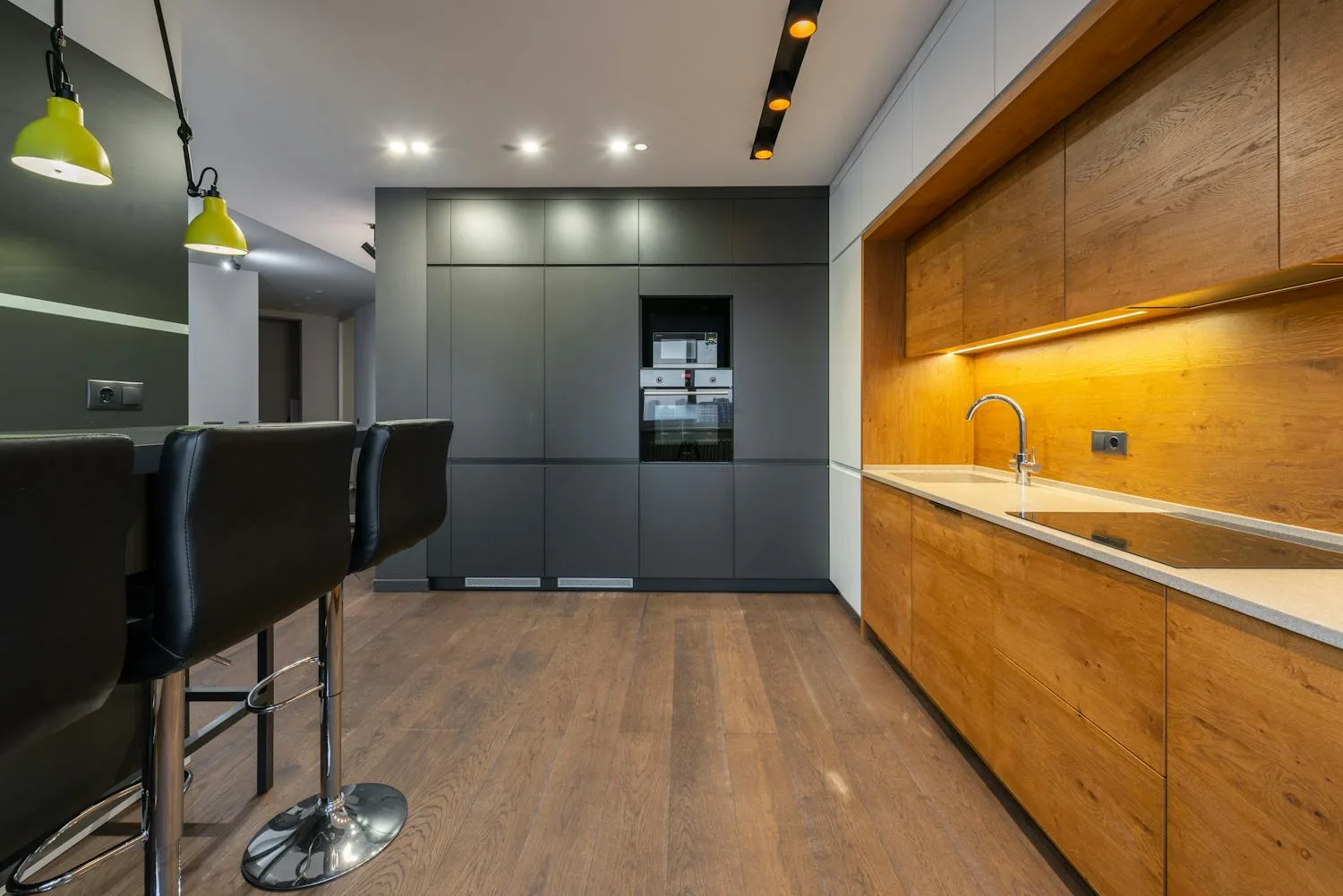
Every piece in the redesign is detected and linked to a real product with a price. That is the part that turns a render into a remodel you can actually start.
How to get a good result, whichever tool you use
After more than ten tools and one slightly obsessive week, the difference between a useless render and a usable one came down to a few simple habits:
- Shoot in daylight. Open the blinds and turn the lights on. AI struggles with dim, yellow photos.
- Clear the counters. Put away the toaster and the dish rack so the AI restyles the kitchen, not your clutter.
- Capture the whole room. A wide shot that shows your cabinets and window gives the AI the layout to respect.
- Feed it an inspiration photo instead of a vague style word. A reference image gets you far closer to what you actually want.
- Pick a tool that links to real products if you are genuinely remodeling, not just daydreaming.
So, is AI kitchen design actually worth it?
After all of it, here is where I landed. AI kitchen design is absolutely worth a week of your time, as long as you know what each tool is for. If you want inspiration, the image generators will bury you in beautiful kitchens. If you want a remodel you can actually execute, you need a tool that keeps your real layout and connects the design to products you can order.
I started the week embarrassed by a kitchen the color of old piano keys, and I ended it with two redesigns I genuinely liked and a shopping list I could afford to start chipping away at. If you want to skip my week of trial and error, upload a photo of your kitchen to MeltFlex and see the version of it you could actually cook in. Just clear the counters first.
Keep reading
- I Let AI Design My Home. Here’s What Actually Happened, the whole-home version of this experiment.
- How AI interior design actually works, the cost, the results, and what to expect.
- The best AI interior design tools compared, the wider field beyond kitchens.
- AI interior design vs hiring a designer, what each one really costs.

