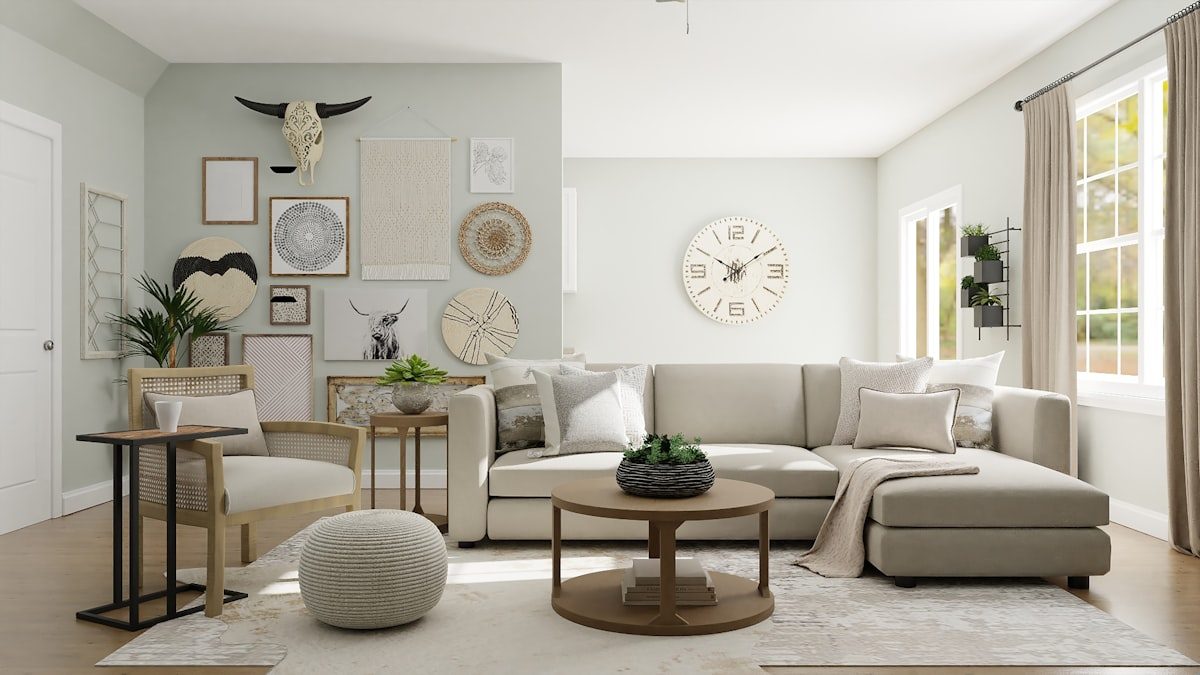
How to Decorate a Room from Scratch: 10-Step Guide That Interior Designers Actually Use (2026)

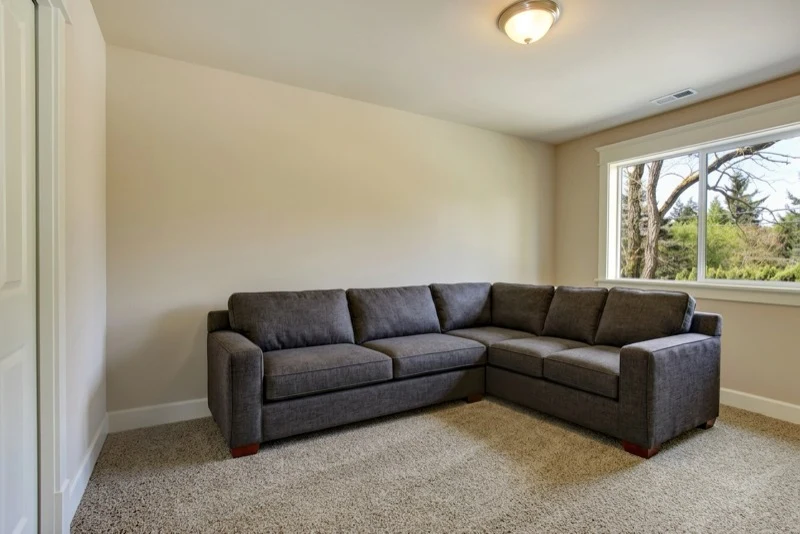
You have the keys to a new place. Or maybe you have finally cleared out that spare room. Either way, you are standing in an empty space with bare walls, no furniture, and absolutely no idea where to begin. You are not alone. A 2025 survey by Houzz found that 64% of homeowners say the hardest part of decorating is simply knowing where to start. Not the money. Not finding the right sofa. Just figuring out the first step.
Our articles are still written by humans!
Get human written articles in your Google feed.
The internet does not help. Search for room decorating advice and you get Pinterest boards with $40,000 living rooms, Instagram reels that skip every practical detail, and articles that tell you to "express yourself" without explaining how to actually buy a rug that fits your room. None of that helps when you are standing in an empty 18 square meter living room with a $2,000 budget and a move-in deadline.
This guide is different. It is the actual 10-step process that interior designers use when they walk into an empty room. Not the aspirational version. The working version, with measurements, price ranges, and an order of operations that prevents expensive mistakes. By the end, you will know exactly what to do first, second, third, and last.
FreeUpload photo · freeRedesign my room for freeUpload a photo and let MeltFlex design your space. Your first AI design is free, no card needed.
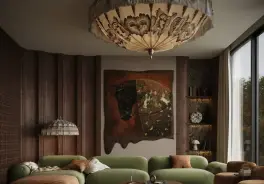
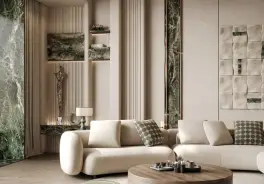
Watch: a bare room decorated from scratch in seconds
Decorating a room you already live in is the harder version of this, because the furniture has to survive. We ranked the tools that can do it in best AI for decorating a room.
The 10 steps below are the proper, considered way to do this. But if you want to see the end state first, here is MeltFlex decorating an empty apartment from scratch in about 30 seconds, a fast way to preview a whole scheme before you commit to step one.

MeltFlex decorating an empty apartment from scratch, preview the whole scheme first.
Where Do I Start When Decorating a Room from Scratch?
Here is the short answer: you start with decisions, not purchases. The biggest mistake people make is buying things before they have a plan. That beautiful lamp you grabbed on sale? It does not match anything you buy later. The rug you ordered because it was 40% off? It is 30cm too small for your seating area.
Interior designers follow a specific sequence because each step informs the next. Skip a step and you end up backtracking. Here is the full sequence at a glance:
- Define the room's purpose
- Set a realistic budget
- Find your style
- Measure everything
- Choose your color palette
- Start with the biggest piece
- Layer in secondary furniture
- Add lighting
- Rugs, curtains, and textiles
- Accessories and art
Now let us walk through each one in detail.
Step 1: Define the Room's Purpose
Before you open a single furniture website, answer one question: what will this room be used for most of the time? Not what you wish it could be. What it will actually be, five days out of seven.
A living room for entertaining needs different furniture than a living room for Netflix. The entertaining room needs more seating, flexible lighting, and a conversation layout where people face each other. The Netflix room needs a deep comfortable sofa, a good TV position, and ambient lighting that reduces screen glare.
A bedroom for sleep needs blackout curtains, minimal stimulation, and warm lighting. A bedroom that doubles as a home office needs a desk zone with task lighting and a visual separation between work and rest areas.
Write down two or three sentences about how you will use the room. This is not a design exercise. It is a practical filter that will save you from buying things that look great but do not serve your actual life. Every decision you make from here, furniture size, layout, lighting, comes back to these sentences.
Step 2: Set a Realistic Budget
The number one regret in home decorating, according to a 2025 National Retail Federation survey, is overspending on early purchases and running out of budget for things that matter more. People buy a $2,500 sofa and then cannot afford proper lighting, so they live with a single overhead fixture for two years.
Here is what you can realistically achieve at three budget levels for a standard living room:
Budget tier: $500 to $1,500. This is the IKEA and Amazon range. You get a solid sofa (IKEA FRIHETEN at $599 or KIVIK two-seat at $549), a basic coffee table ($49 to $129), one or two lamps ($25 to $60 each), a rug ($79 to $149), and curtains ($30 to $60). The room will be functional and clean. It will not feel layered or curated, but it will feel like home.
Mid-range tier: $2,000 to $5,000. This is where most people should aim. You can get a quality sofa that lasts 8 to 12 years ($1,200 to $2,400 from Article, Wayfair, or Castlery), a proper rug that anchors the room ($200 to $500), good lighting including a statement floor lamp ($150 to $350), and enough accessories to create a styled, layered look. This is the sweet spot where cost per year of use becomes very reasonable.
Premium tier: $5,000+. This is West Elm, Crate and Barrel, Restoration Hardware territory. Custom upholstery, designer lighting, and high-end textiles. The room will look like a magazine spread. Whether it is worth the premium over mid-range depends on how long you plan to stay and how much you care about material quality.
A useful rule: allocate 40% of your budget to the anchor piece (sofa or bed), 25% to secondary furniture, 15% to lighting, 10% to textiles, and 10% to accessories. This prevents the common trap of spending everything on furniture and having bare walls and terrible lighting for the next year. For more strategies on getting designer results at every budget level, read our guide to interior design on a budget.
Step 3: Find Your Style
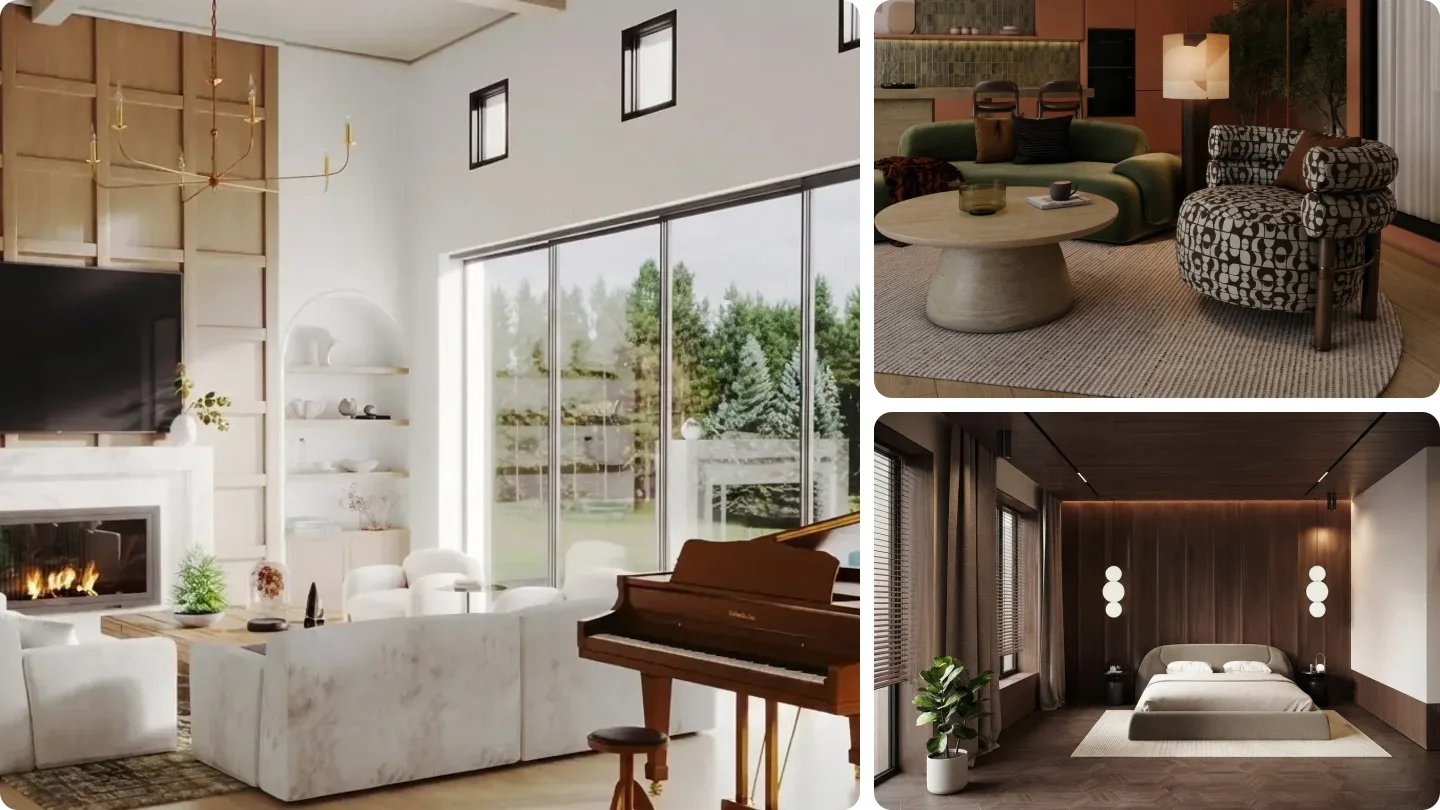
You do not need to commit to one rigid style. But you do need a direction, because without one, you end up with a room full of things you liked individually that look chaotic together. A mid-century modern coffee table next to a farmhouse dining set next to a contemporary floor lamp creates visual noise, not personality.
The fastest way to find your style: open Pinterest or Instagram and save 30 to 50 rooms that make you feel something. Do not think. Just save anything that catches your eye. After 30 images, look at them together. You will see a pattern. Maybe everything has clean lines and natural wood, that is Scandinavian. Maybe you keep saving earthy tones with Japanese-inspired simplicity, that is Japandi. Maybe it is all white walls with black accents and minimal furniture, that is modern minimalist.
The most popular styles in 2026, according to Pinterest and Houzz trend reports:
- Scandinavian: Light wood, white and gray palette, functional furniture, cozy textiles. Budget-friendly because simplicity is the point.
- Modern / Warm Minimalist: Clean lines with warm tones, natural materials, organic shapes. The dominant trend since 2024.
- Japandi: Japanese minimalism meets Scandinavian warmth. Neutral palette, low furniture, natural materials, intentional emptiness. Best for people who find peace in simplicity.
- Mid-Century Modern: Tapered legs, wood and leather, geometric patterns, warm colors. Timeless and works well with vintage pieces.
- Farmhouse / Modern Farmhouse: Reclaimed wood, neutral palette, comfortable textiles, a lived-in feeling. Works best in houses with architectural character.
Create a simple mood board with 9 to 12 of your favorite saved images. This becomes your reference for every purchase. When you are debating between two coffee tables, look at your mood board. The one that fits wins. Our complete guide to interior design styles breaks down 35+ styles with photos and cost breakdowns if you need help narrowing things down.
Step 4: Measure Everything
This is the step that saves you the most money and causes the most regret when skipped. Before buying a single piece of furniture, you need to know:
- Room dimensions: Length, width, and ceiling height. Write these down.
- Door and hallway widths: Your furniture has to get into the room. A standard interior door is 80cm (32 inches) wide. If your sofa is 95cm deep and your hallway has a 90-degree turn, that sofa is not making it inside. Measure every doorway between your building entrance and the room.
- Window placement: Distance from floor to window sill, window width, and how far windows are from corners. This determines curtain length and where furniture can go without blocking light.
- Outlet and switch locations: You do not want to place your sofa in front of the only outlet on the wall, then wonder why you cannot plug in a floor lamp.
- Radiators, vents, and fixed features: Anything you cannot move needs to be on your mental map before you start planning.
Draw a simple floor plan on paper with all measurements. It does not need to be pretty. It needs to be accurate. Use a tape measure, not your eyes. Human spatial estimation is terrible, studies show people overestimate room dimensions by 15 to 25% on average. That $1,800 sectional that you were sure would fit? Measure first.
Step 5: Choose Your Color Palette
Color is the single most impactful decorating decision, and it is also the most reversible. Paint is $30 to $80 per room. A bad sofa choice costs $800 to fix. Start with color because it sets the mood for everything else.
The simplest approach that always works is the 60-30-10 rule:
- 60% dominant color: This is your walls and largest furniture pieces. In most rooms, this should be a neutral, white, cream, warm gray, or beige. It is the background that everything else sits against.
- 30% secondary color: This is your accent furniture, rug, and curtains. It is the supporting character. If your walls are warm white, your secondary might be a soft blue, sage green, or warm wood tone.
- 10% accent color: Throw pillows, art, small accessories, plants. This is where you can be bold. A room with cream walls, a gray sofa, and mustard yellow pillows uses this rule perfectly.
Stick to three to four colors maximum. Rooms with more than four distinct colors feel busy and disjointed, even if each color is beautiful on its own. If you are unsure about how a color will look in your specific room with your lighting, our guide to choosing paint colors with AI shows how to test colors digitally before buying a single can.
Step 6: Start With the Biggest Piece
This is where you actually start buying things. And you start with the largest piece of furniture in the room. In a living room, that is the sofa. In a bedroom, that is the bed. In a dining room, that is the table.
Why biggest first? Because everything else arranges around it. Your sofa determines where the coffee table goes, which determines where the rug goes, which determines where the side tables go. If you buy a coffee table first and then discover it does not match the sofa you fell in love with, you have wasted money.
For a living room sofa, here are the size guidelines based on room dimensions:
- Small room (under 15 sqm): Two-seater sofa, 150 to 180cm wide. Skip the sectional.
- Medium room (15 to 25 sqm): Three-seater sofa, 200 to 230cm wide. Or a small L-shaped sectional.
- Large room (over 25 sqm): Full sectional (260 to 300cm), or two sofas in a conversation layout.
For a bedroom bed, the standard sizes work in these room dimensions:
- Queen (150 x 200cm): Needs a room at least 10 sqm. Ideally 12+ sqm to fit nightstands.
- King (180 x 200cm): Needs a room at least 14 sqm. 16+ sqm for comfortable circulation.
Always leave at least 60cm of clearance around the bed for walking, and 90cm minimum for main walkways through the room. For more on furniture arrangement rules, see our complete furniture arrangement guide.
Step 7: Layer in Secondary Furniture
Once your anchor piece is placed, add the supporting players. These are the pieces that make the room functional but do not define it.
For a living room, secondary pieces typically include:
- Coffee table: Should be roughly two-thirds the length of your sofa. A 200cm sofa pairs with a coffee table around 100 to 130cm long. Leave 40 to 50cm between sofa and coffee table, close enough to reach your drink, far enough to walk past.
- Side tables: One per seating area at minimum. Every seat should be within arm's reach of a surface for drinks and phones. Height should match your sofa armrest within 5cm.
- TV unit or console: Width should be at least as wide as your TV. A 55-inch TV on a 90cm console looks top-heavy. Aim for the console to be 120 to 150% of the TV width.
- Bookshelf or storage: If you need storage, add it now while you can plan around it. A bookshelf added as an afterthought always looks like an afterthought.
Spacing matters more than most people realize. Rooms feel cramped not because they have too much furniture, but because the furniture is too close together in some spots and too far apart in others. Consistent spacing creates a sense of rhythm. Keep 40 to 50cm between all pieces and 90cm for walkways throughout the room.
Step 8: Add Lighting
Lighting is the most underestimated element in room design. A 2025 study published in the Journal of Environmental Psychology found that lighting accounts for up to 40% of how people perceive a room's atmosphere, more than color, furniture style, or size combined. Yet most people live with a single overhead ceiling fixture and call it done.
Good room lighting uses three layers:
- Ambient lighting: The general, overall light. This is your ceiling fixture, recessed lights, or a central pendant. It lights the entire room evenly. Aim for warm white (2700K to 3000K) for living rooms and bedrooms. Cool white (4000K+) makes residential spaces feel like an office.
- Task lighting: Focused light for specific activities. Reading lamps by the sofa, desk lamps in work areas, under-cabinet lights in kitchens. This layer makes a room functional after dark.
- Accent lighting: Mood lighting that creates depth and atmosphere. Table lamps on consoles, LED strips behind shelving, candles. This is what separates a room that feels flat from one that feels warm and layered.
The most common lighting mistakes:
- Only using overhead light. A single ceiling fixture casts harsh, shadowless light that flattens everything. Add at least two other light sources at different heights.
- Wrong color temperature. Mixing warm (2700K) and cool (5000K) bulbs in the same room creates visual confusion. Pick one temperature for all fixtures.
- No dimmer. A $15 smart bulb or a $20 dimmer switch lets you adjust brightness for time of day and activity. Morning coffee and movie night need very different light levels.
- Forgetting lamp placement during furniture planning. Every lamp needs an outlet. Plan lamp positions alongside furniture positions, not after.
Budget for good lighting: $150 to $400 for a complete living room setup. One floor lamp ($60 to $200), two table lamps ($30 to $80 each), and smart bulbs for your overhead fixture ($10 to $15 each). This investment has more impact per dollar than almost anything else you can buy.
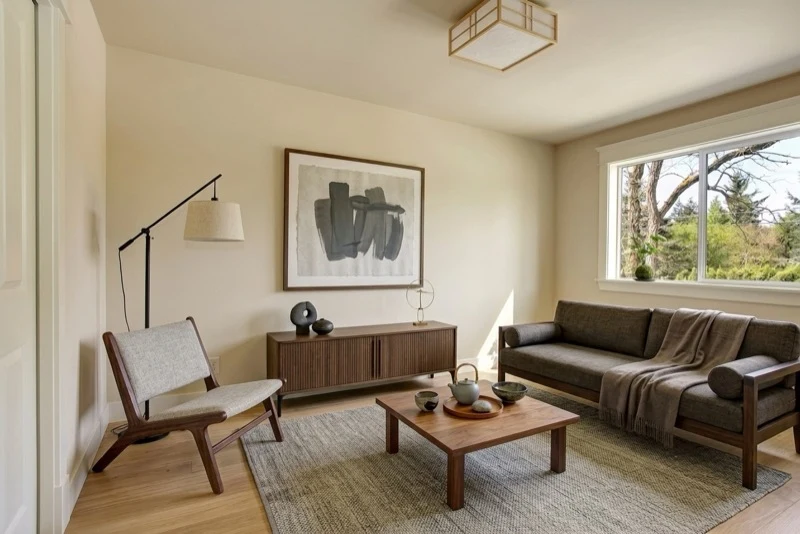
Step 9: Rugs, Curtains, and Textiles
Textiles transform a room from furniture showroom to actual home. They add warmth, sound absorption, and visual softness. Here is how to get them right.
Rug sizing guide: This is the hill every designer will die on. Too small a rug is the most visible decorating mistake in any room. Follow these rules:
- Living room: Your rug should be large enough that all front legs of your furniture sit on it. For a standard seating area, this means 200 x 300cm minimum. A 160 x 230cm rug works for smaller rooms but only if all the seating is compact.
- Bedroom: The rug should extend at least 60cm beyond the sides and foot of the bed. For a queen bed, that means a 240 x 300cm rug. Alternatively, use two runners (60 x 180cm each) along the sides of the bed.
- Dining room: The rug must extend at least 60cm beyond all sides of the table. When chairs are pulled out, all four legs should still be on the rug.
Curtain hanging tips: Curtains should be hung as high and wide as possible. The rod goes 10 to 15cm above the window frame (or at the ceiling in rooms with low ceilings). The rod extends 15 to 25cm beyond each side of the window so the fabric stacks beside the glass, not over it. This makes the window look larger and lets in maximum light when curtains are open.
Curtain length: always floor-length, even in casual rooms. Curtains that stop at the window sill look unfinished. They should just kiss the floor or pool 2 to 3cm for a relaxed, luxe look.
Other textiles to layer: A throw blanket on the sofa ($20 to $80), two to four throw pillows ($15 to $40 each), and a table runner or placemats for dining areas ($15 to $30). These small items cost under $150 total and make the room feel complete.
Step 10: Accessories and Art
This is the final step. Accessories go last because they are the finishing touches that respond to everything already in the room. Buying art first is like choosing earrings before you have a dress.
The rule of thirds for shelving and surfaces: Group objects in odd numbers (three, five, seven). Vary height and material. A classic shelf grouping: one tall object (a vase or plant), one medium object (a framed photo or candle), and one short object (a small box or sculpture). The height variation creates visual movement that makes the display look intentional, not random.
Gallery wall basics: Start with the largest piece at eye level (center of the piece at 145 to 150cm from the floor). Build outward. Keep spacing between frames consistent at 5 to 8cm. A common approach: lay all the frames on the floor first and arrange them until they look right, then transfer the arrangement to the wall using painter's tape outlines.
Plants: One large floor plant (fiddle leaf fig, monstera, or bird of paradise) in a corner instantly adds life to a room. Pair it with two to three smaller plants on shelves or windowsills. Even artificial plants work, IKEA's FEJKA line is surprisingly convincing. A study from the Journal of Physiological Anthropology found that indoor plants reduce psychological stress by 12%, but the effect works even with high-quality artificial plants because the brain responds to the visual, not the biology.
Budget for accessories: 10% of your total room budget. If your room cost $3,000, spend around $300 on art, plants, and decorative objects. Resist the urge to fill every surface. Breathing room is a design element too.
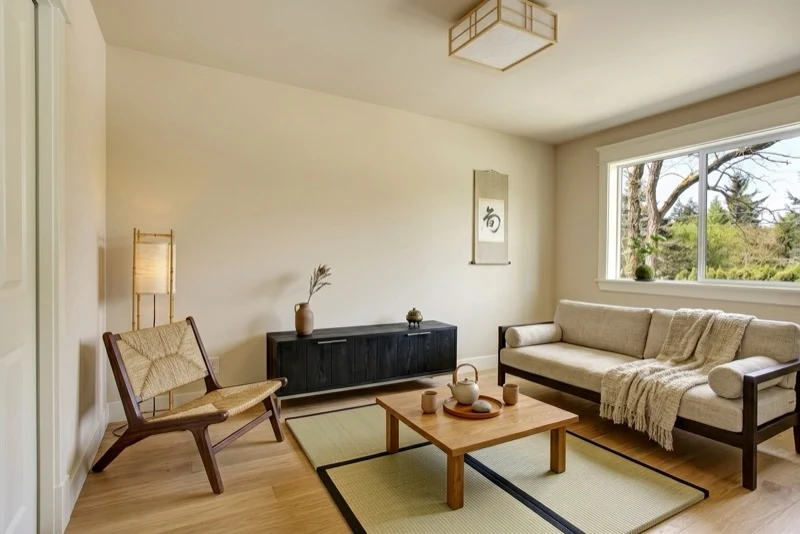
How to Preview Everything Before You Buy
Here is the reality: even with a solid plan, it is hard to imagine how everything will look together until it is all in the room. And at that point, you have already spent the money. A 2025 NRF report found that 41% of furniture buyers returned at least one piece in the past year, with an average restocking and return shipping cost of $125 to $350 per item.
This is where technology has genuinely changed the game. AI room design tools let you upload a photo of your empty room and see it furnished with real products at correct scale. You can test whether that 220cm sofa overwhelms the room, whether the rug is big enough, and whether the lighting placement makes sense, all before you spend anything.
With MeltFlex, you upload a photo or floor plan and place real furniture from brands like IKEA, Wayfair, and Amazon into your space. Every item shows the actual price and dimensions. You can try a full Scandinavian setup, swap it for Japandi, and compare both in 10 minutes. It is not a replacement for the 10 steps above, you still need a plan, but it eliminates the guesswork that makes decorating stressful and expensive.
Common Mistakes to Avoid When Decorating from Scratch
After walking through the 10-step process, here are the five most common mistakes that trip people up, even when they know better:
- Buying a rug that is too small. This is the number one decorating mistake according to virtually every interior designer surveyed by Houzz. A rug that does not reach under your furniture looks like a bath mat in the middle of the floor. When in doubt, go one size up. The price difference between a 160 x 230cm and a 200 x 300cm rug is usually only $50 to $100, but the visual difference is enormous.
- Pushing all furniture against the walls. It feels counterintuitive, especially in small rooms, but pulling furniture 10 to 15cm off walls makes the room feel larger and more intentional. A 2024 study in the Journal of Interior Design found that rooms with floating furniture were rated 34% more attractive than identical rooms with wall-hugging layouts. The only exception: rooms under 12 square meters where every centimeter counts.
- Matching everything too perfectly. A room where every piece is from the same collection in the same finish looks like a furniture store display, not a home. Mixing one or two different materials, finishes, or eras creates the visual interest that makes a space feel personal. A mid-century modern coffee table with a contemporary sofa and vintage side table looks more designed than a perfectly matched set.
- No focal point. Every room needs one spot that draws the eye when you walk in. In a living room, it might be the fireplace, a large piece of art, or a feature wall. In a bedroom, it is the headboard wall. Without a focal point, your eye wanders and the room feels unsettled. Your largest or most visually striking piece should face or frame the focal point.
- Forgetting about lighting until it is too late. A beautifully furnished room with bad lighting looks bad. A simply furnished room with good lighting looks great. Plan your lighting alongside your furniture, not after. Make sure every lamp has access to an outlet without running cords across walkways.
Frequently Asked Questions
How long does it take to decorate a room from scratch?
Most rooms take 4 to 8 weeks from first decision to final accessory, not because the work takes that long but because furniture delivery averages 2 to 6 weeks. IKEA in-stock items arrive in days. Custom upholstery from brands like Article or Interior Define takes 6 to 10 weeks. Plan your purchases in order so that anchor pieces arrive first and you can make secondary choices based on what they actually look like in the room.
Should I paint before or after moving in furniture?
Before. Always before. Painting around furniture is miserable and results in uneven coverage, paint on upholstery, and corners you cannot reach. If the room is empty, a standard room takes 3 to 5 hours to paint with one coat. A room full of furniture triples that time and halves the quality. Budget $50 to $150 for paint and supplies for a single room.
Can I mix different design styles in one room?
Yes, and in fact most well-designed rooms mix at least two styles. The key is having a dominant style (70% of the room) and an accent style (30%). A Scandinavian room with a few mid-century modern accent pieces looks curated and interesting. A room that tries to be equal parts farmhouse, industrial, and minimalist looks confused. Pick a primary direction and use other styles as seasoning, not the main course.
What is the most important piece of furniture to invest in?
The piece you use most. For most people, that is the sofa (used 3 to 4 hours daily) or the mattress (used 7 to 8 hours daily). A $1,500 sofa that lasts 10 years costs $150 per year. A $600 sofa that lasts 3 years costs $200 per year and looks worse the entire time. Invest in the daily-use pieces and save on everything else.
Do I need to hire an interior designer?
Not for a single room. Interior designers are most valuable for whole-home projects, structural renovations, or when you have a large budget and want a specific result. For a single room, a solid plan (like the 10 steps above), good measurements, and an AI visualization tool to preview your choices will get you 80% of the way to a designer result at a fraction of the cost. Professional designer consultations start at $200 per hour, with full room designs running $2,000 to $8,500 according to HomeGuide 2026 data.
Your Next Step
You do not have to do all 10 steps in one weekend. Start with steps 1 through 5 today, they cost nothing and take about an hour. Define your purpose, set a budget, find your style, measure the room, and choose a color palette. Once you have those five decisions made, the buying part becomes straightforward because you have a framework for every choice.
If you want to see how everything looks together before spending, upload your room photo and test furniture arrangements with real products. It takes five minutes and can save you hundreds in returns and regret.
Preview your room design with AI, free →
Related: 35+ interior design styles explained, how to choose paint colors with AI, furniture arrangement guide, interior design on a budget, and what it costs to furnish a house.



)