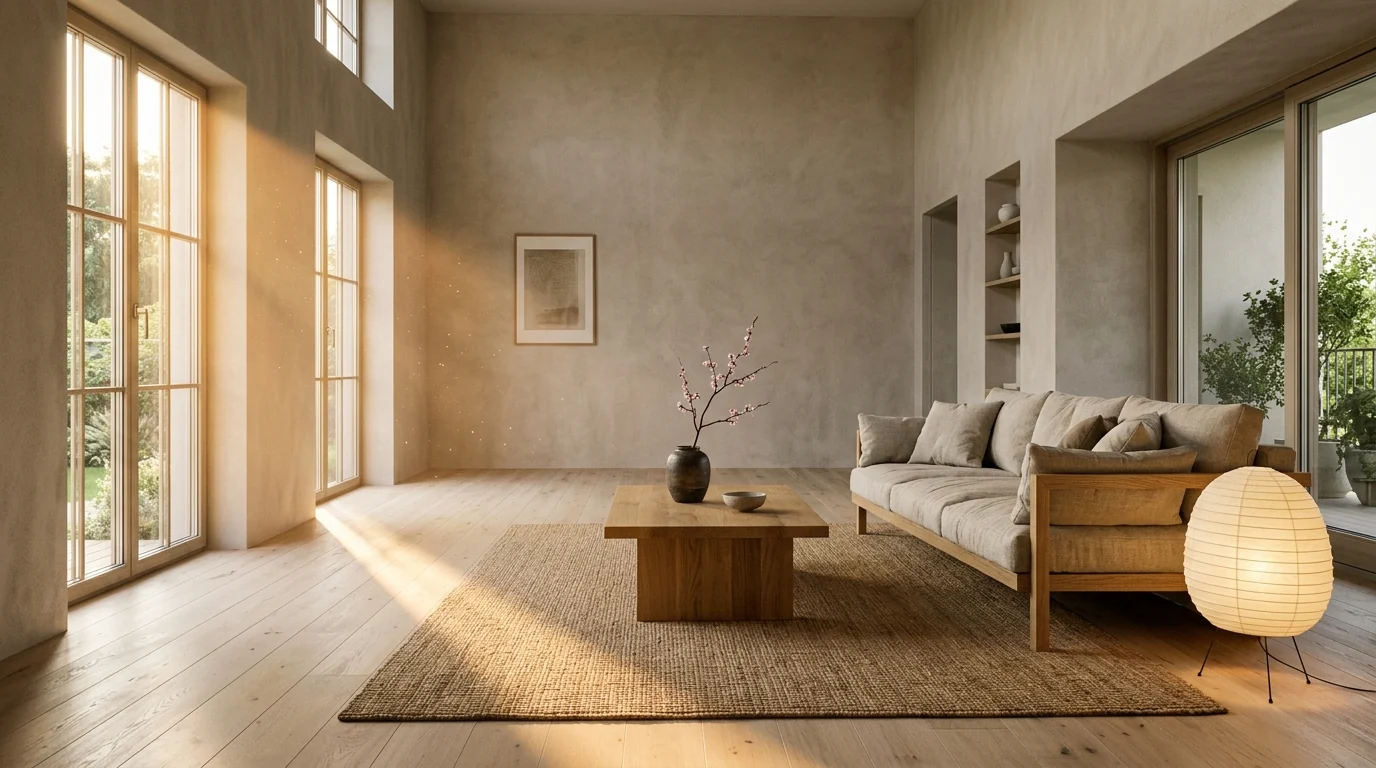
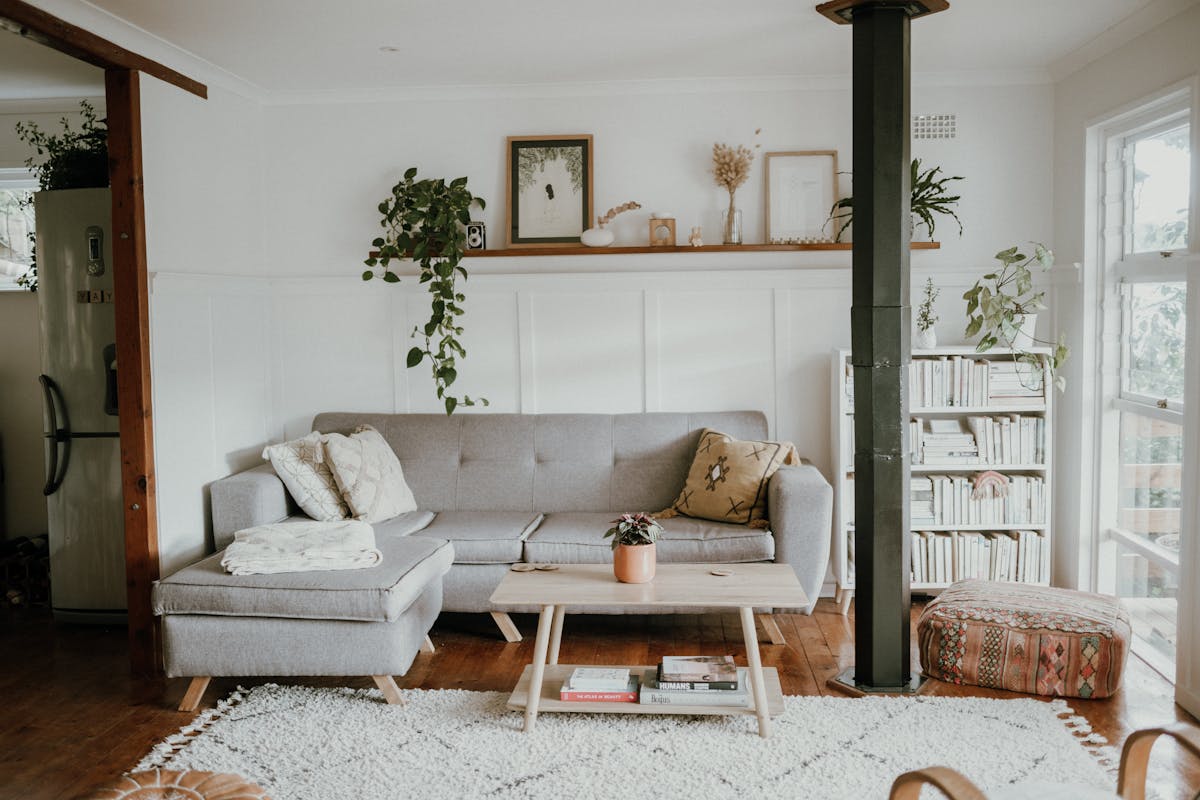
Japandi Interior Design: The Complete Guide to Japanese-Scandinavian Style in 2026

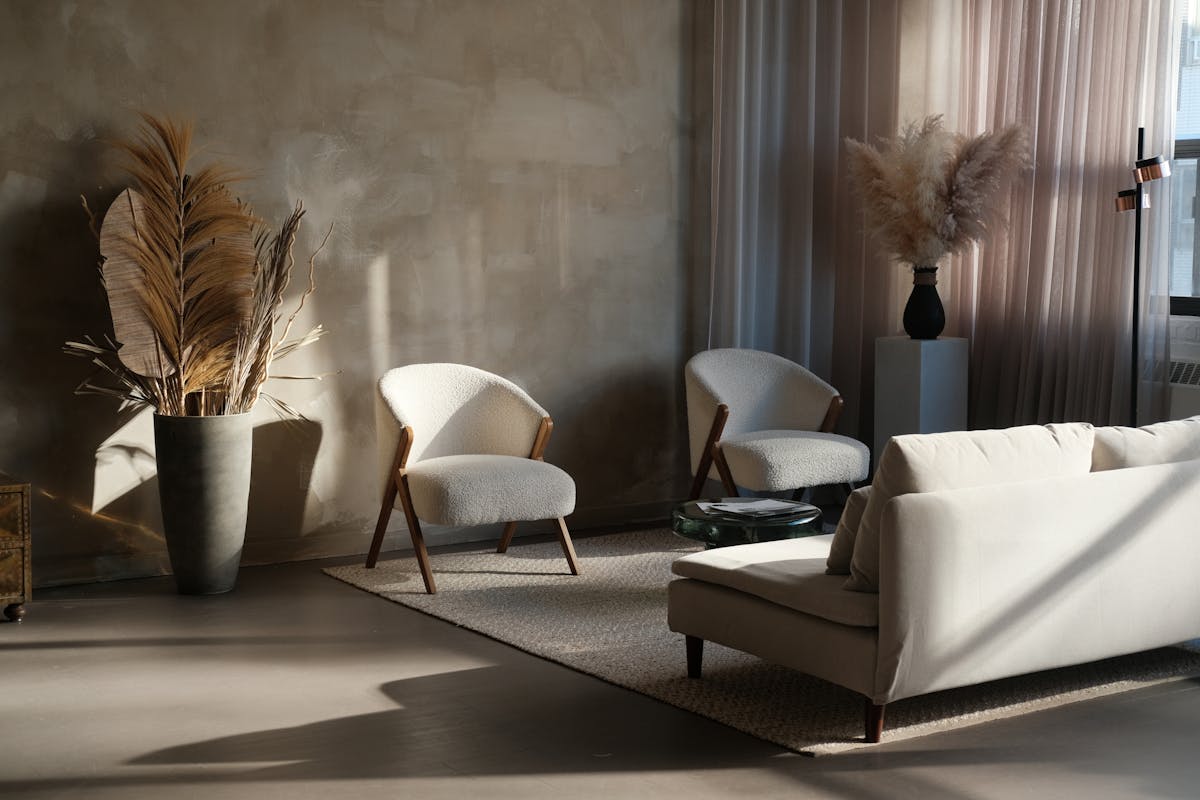
Short answer: Japandi blends Japanese minimalism with Scandinavian warmth. Its core ingredients are natural materials (wood, linen, stone, ceramics), a neutral palette warmed by earthy tones, low and functional furniture, generous negative space, and the wabi-sabi love of quiet imperfection. This guide covers the philosophy, the palette, and room-by-room ideas, and shows how to preview the look in your own space with MeltFlex.
Our articles are still written by humans!
Get human written articles in your Google feed.
Take the calm intentionality of a Japanese tea room. Add the cozy warmth of a Scandinavian living room. Remove everything that does not serve either beauty or function. What you get is Japandi, and it has become one of the most influential design movements of the 2020s.
Japandi is not just a trend that will disappear next season. It is a genuine design philosophy built on values that both Japanese and Nordic cultures share: respect for natural materials, belief in functional beauty, and a deep appreciation for simplicity. In 2026, the style is more popular than ever, and it is evolving in interesting directions.
This guide covers the philosophy behind Japandi, the specific elements that define the look, room-by-room design ideas, the 2026 evolutions of the style, and how to visualize it in your own home with AI.
 FreeUpload photo · freeRedesign my room in JapandiUpload a photo of your room and MeltFlex restyles it in Japandi, with furniture that fits the space. Your first AI design is free, no card needed.
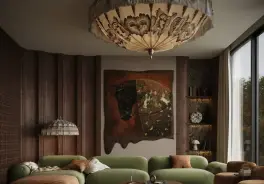
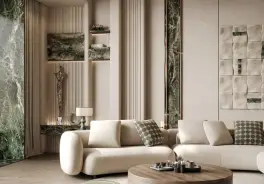
Watch: A Real Japandi Makeover, Before and After
Seeing the style applied to a real room makes the principles click. In this before and after client project, designer Julie Khuu transforms a space into a modern Japandi home and explains each choice along the way, which is a great reference before you plan your own.

Video: “HOUSE TOUR: Step Inside This Modern Japandi Makeover” by Julie Khuu.
The Philosophy: Where Japan Meets Scandinavia
At first glance, Japanese and Scandinavian design seem like they come from completely different worlds. One is rooted in centuries of Eastern philosophy. The other comes from 20th century Nordic functionalism. But the overlap is remarkable.
Both cultures value simplicity. In Japan, this comes from Zen Buddhism and the idea that a clear space creates a clear mind. In Scandinavia, it comes from a practical tradition of making the most of limited resources during long winters.
Both celebrate natural materials. Japanese interiors feature bamboo, rice paper, and natural wood. Scandinavian interiors feature oak, linen, wool, and stone. Neither style uses synthetic materials as a first choice.
And both believe that beauty and function are the same thing. A Japanese ceramic tea bowl is beautiful because it is perfectly shaped for holding tea. A Scandinavian chair is beautiful because it is perfectly shaped for sitting. Neither needs decoration added on top.
Japandi takes these shared values and creates something new. It is not half Japanese and half Scandinavian. It is the overlap between the two, amplified into its own distinct style.
The Wabi-Sabi Connection
You cannot understand Japandi without understanding wabi-sabi, the Japanese concept of finding beauty in imperfection and impermanence. A cracked ceramic bowl repaired with gold (kintsugi). A weathered wooden beam. A handmade vase that is slightly asymmetrical. These are not flaws. They are evidence of life, use, and time.
Wabi-sabi is what gives Japandi rooms their soul. Without it, you just have two minimalist styles mashed together. With it, you have spaces that feel organic, honest, and deeply human.
In practical terms, this means choosing materials that develop a patina over time. Solid wood that darkens with age. Linen that softens with every wash. Stoneware that chips gracefully. Avoid anything that tries to look perfect forever, because that is the opposite of wabi-sabi.
Japandi Color Palette
The Core Palette
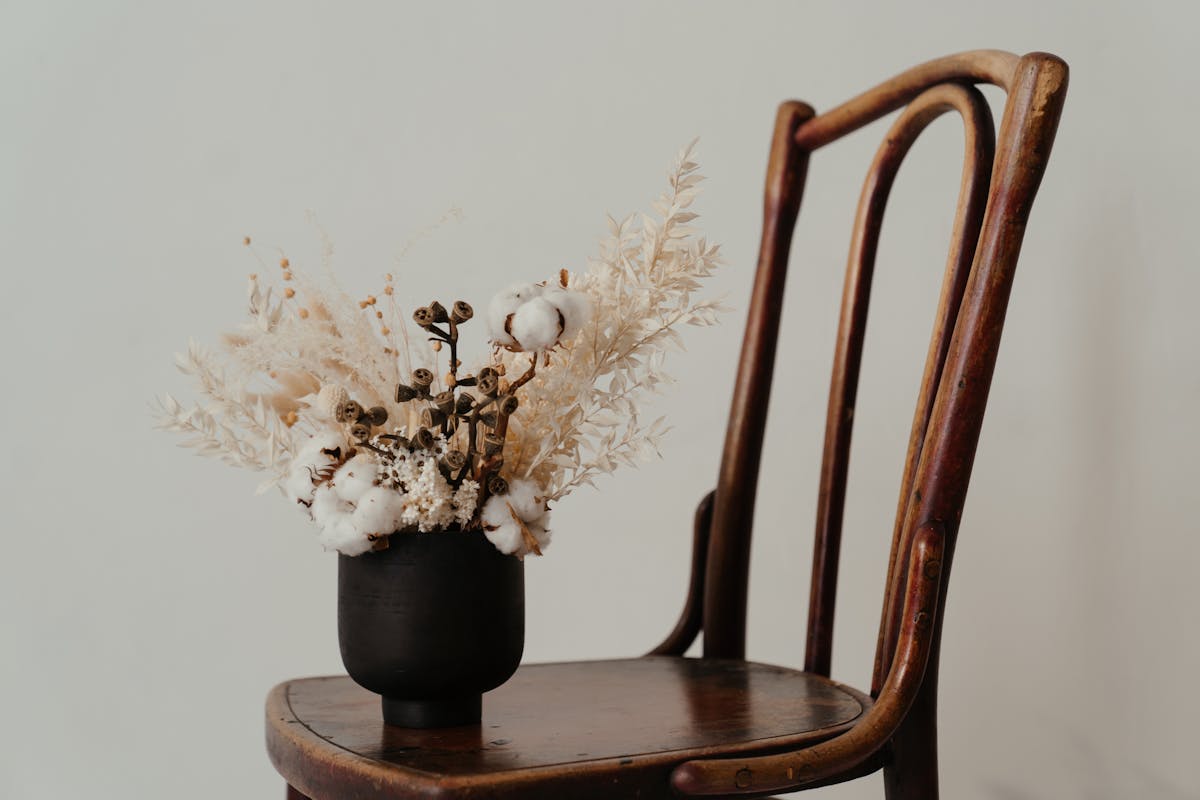
Japandi colors are warm, grounded, and inspired by nature. Think of the colors you see on a quiet morning walk: sand, stone, bark, moss, clay, mist. Nothing artificial, nothing loud.
- Base colors: Warm white, soft sand, light clay, warm greige
- Wood tones: Warm oak, walnut, dark ash, natural bamboo
- Accent neutrals: Soft charcoal, warm taupe, stone grey
- Accent colors: Muted sage green, terracotta, soft indigo, moss, rust
How Japandi Colors Differ from Scandinavian
Scandinavian palettes are cool and bright (white walls, light oak, pale grey). Japandi palettes are warm and grounded (cream walls, dark wood, earthy tones). Where Scandinavian rooms feel like a bright winter morning, Japandi rooms feel like a warm autumn afternoon.
The biggest color shift is in the wood. Scandinavian design defaults to the lightest possible wood (bleached oak, white ash, blonde birch). Japandi embraces medium and dark wood tones, especially walnut, smoked oak, and natural bamboo. This single change transforms the entire feeling of a room.
Dark Japandi (2026 Trend)
A new evolution gaining serious traction in 2026. Dark Japandi takes the grounded palette even further, using charcoal, deep olive, and nearly black wood finishes. The rooms feel dramatic and cocooning while keeping the clean-lined simplicity that defines the style.
- Walls: Deep charcoal, dark olive, warm black
- Wood: Dark walnut, ebonized oak, blackened bamboo
- Textiles: Cream and natural linen for contrast, dark wool, raw silk
- Metal: Matte black, aged bronze, blackened steel
Key Elements of Japandi Design
Low Furniture
Japanese design traditionally uses low furniture, and Japandi keeps this principle. Platform beds sit close to the floor. Coffee tables are lower than typical Western heights. Seating options include floor cushions alongside standard chairs. Low furniture creates more visual space above, making rooms feel taller and more open.
Negative Space
In Japanese design, empty space is not "unfilled." It is an active design element called ma. The blank wall next to a single piece of art is just as important as the art itself. Japandi rooms breathe because they do not try to fill every corner.
This is where Japandi pushes further than Scandinavian design. A Nordic room might have a gallery wall of framed prints. A Japandi room would have one large print surrounded by empty wall. Both work, but they create different feelings.
Craftsmanship Over Mass Production
Both Japanese and Scandinavian traditions value handmade quality. In a Japandi room, you notice the joinery on the wooden bench, the hand-thrown ceramic bowl, the woven texture of the linen curtain. These details replace decoration. Instead of adding ornaments, you choose objects made well enough to be beautiful on their own.
Indoor Plants as Architecture
Plants in Japandi are not decorative afterthoughts. They are structural elements. A single large plant (a fiddle leaf fig, a bird of paradise, a Japanese maple bonsai) anchors a corner the way a piece of furniture would. Smaller plants on shelves are grouped intentionally, not scattered.
Concealed Storage
Clutter is the enemy of both Japanese and Scandinavian design. Japandi rooms handle this through concealed storage: built-in cabinets, furniture with hidden compartments, closets behind sliding doors. Everything has a place, and most of those places are out of sight.
Room-by-Room Japandi Design Ideas
Japandi Living Room
Start with a low-profile sofa in a neutral fabric, either cream linen or soft grey. Place it on a natural fiber rug (jute, sisal, or flat-weave wool). Add a round or organic-shaped coffee table in solid walnut or stone. One or two floor cushions provide extra seating and reinforce the low-to-the-ground feel.
For the walls, keep it simple. One large piece of art or a single shelf with two or three curated objects. Leave the rest of the wall empty. A statement plant in the corner and a paper lantern or fabric pendant light complete the room.
- Key furniture: Low sofa, walnut coffee table, floor cushions, simple side table
- Textiles: Linen sofa cover, wool throw in cream, flat-weave rug
- Lighting: Paper lantern pendant, one floor lamp, candles
- Budget: $1,500-$4,500 full room, $300-$700 for a refresh
The living room is where japandi is hardest to hold together, so we gave it a dedicated deep dive: 18 rendered japandi living room ideas covering the low furniture line, limewash walls, the TV problem, budget builds and the mistakes that tip calm into kitsch.
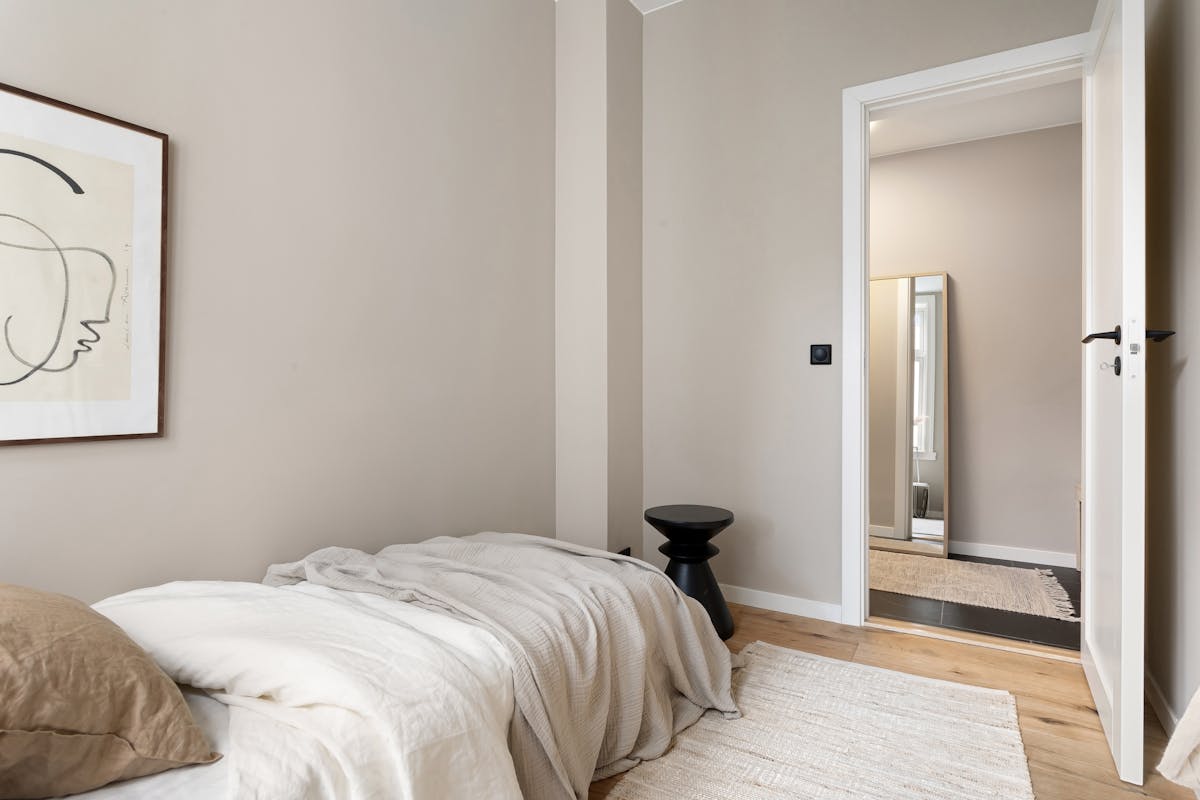
Japandi Bedroom
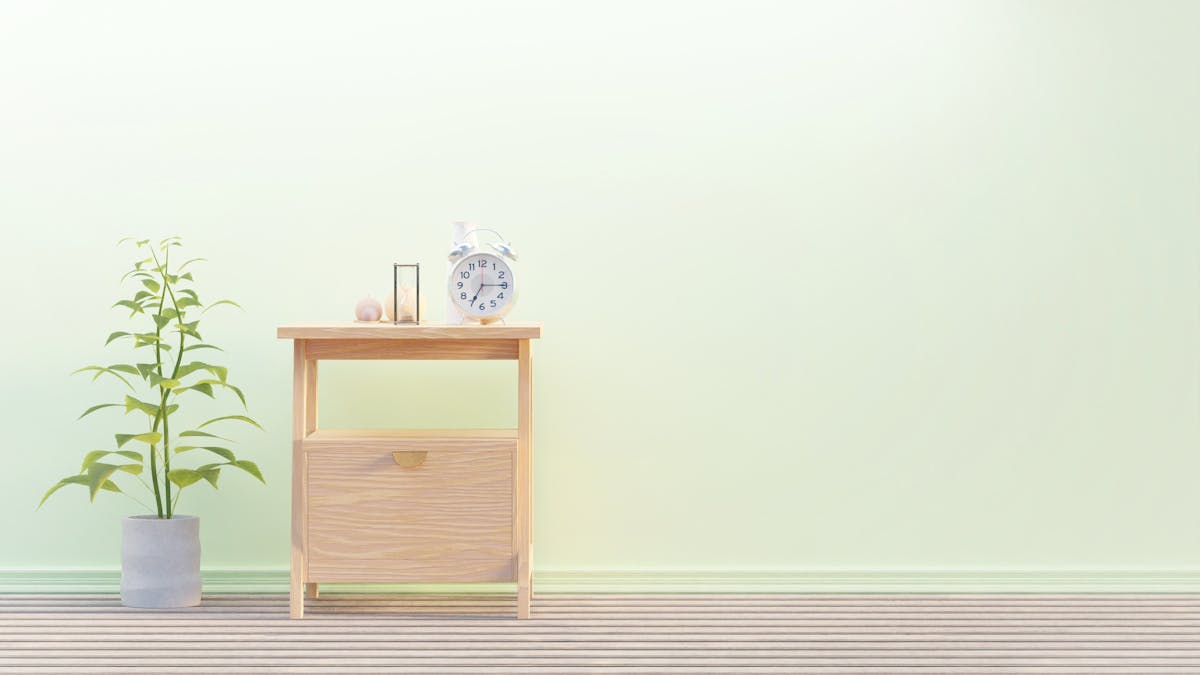
The bedroom is where Japandi truly shines. A low platform bed in dark wood (walnut or smoked oak) sits as the centerpiece. Bedding is simple: linen in white, cream, or soft charcoal. Two pillows per person, no more. A single nightstand on each side, ideally in a different but complementary wood or material (stone, ceramic).
Keep the bedroom almost empty compared to a typical Western bedroom. No TV, no desk if possible, no piles of clothes. This is a space for rest and nothing else. One plant, one piece of art, warm lighting, and absolute calm.
- Key furniture: Low platform bed, minimal nightstands, simple bench at foot of bed
- Textiles: Linen bedding, one wool or cotton throw, no excess pillows
- Lighting: Paper or fabric pendant, small ceramic bedside lamps
- Budget: $1,200-$3,500 full bedroom, $200-$500 refresh
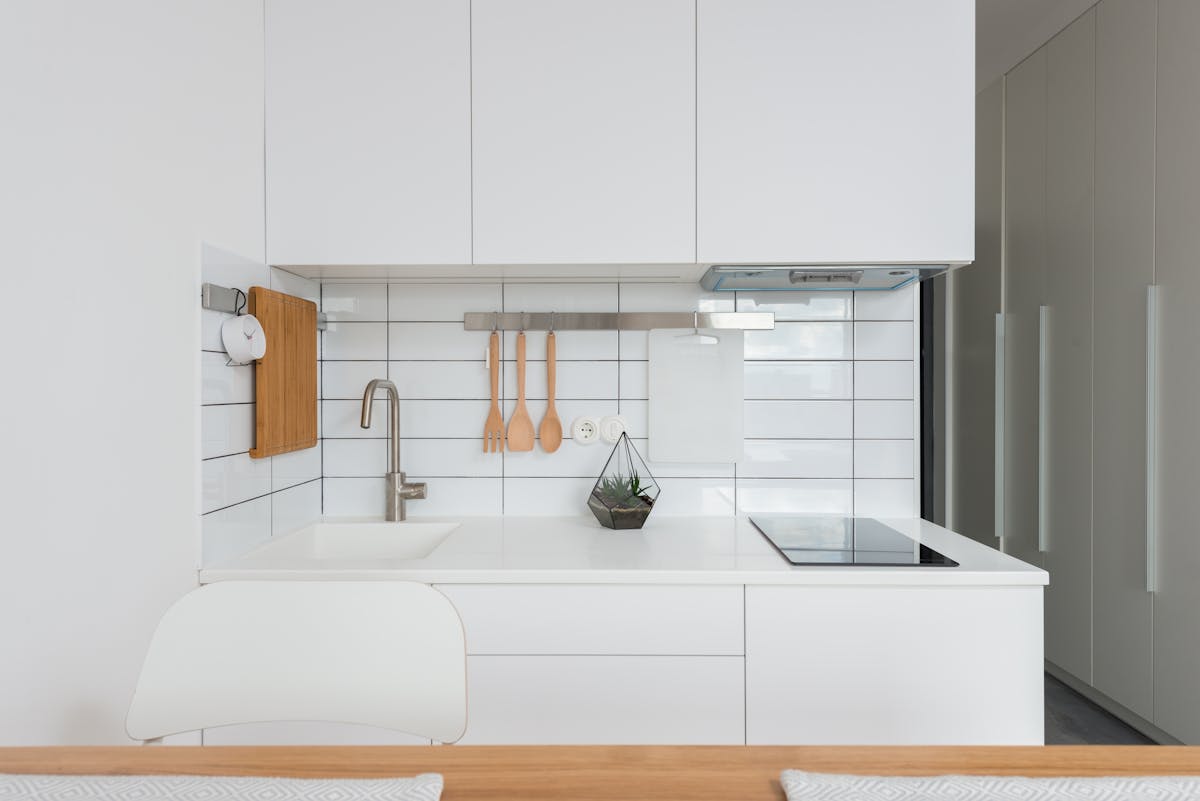
Japandi Kitchen
Japandi kitchens combine Scandinavian functionality with Japanese restraint. Flat-panel cabinets in natural wood or matte finish. Open shelving for everyday dishes, but only the ones you actually use. Clean countertops with only the essentials visible: a wooden cutting board, a ceramic container for utensils, maybe a simple kettle.
- Cabinets: Flat-panel in warm wood, dark oak, or matte sage/charcoal
- Countertops: Natural stone, dark concrete, or solid wood
- Hardware: Minimal, either integrated pulls or slim matte black handles
- Accessories: Handmade ceramic dishware, wooden serving boards, woven placemats
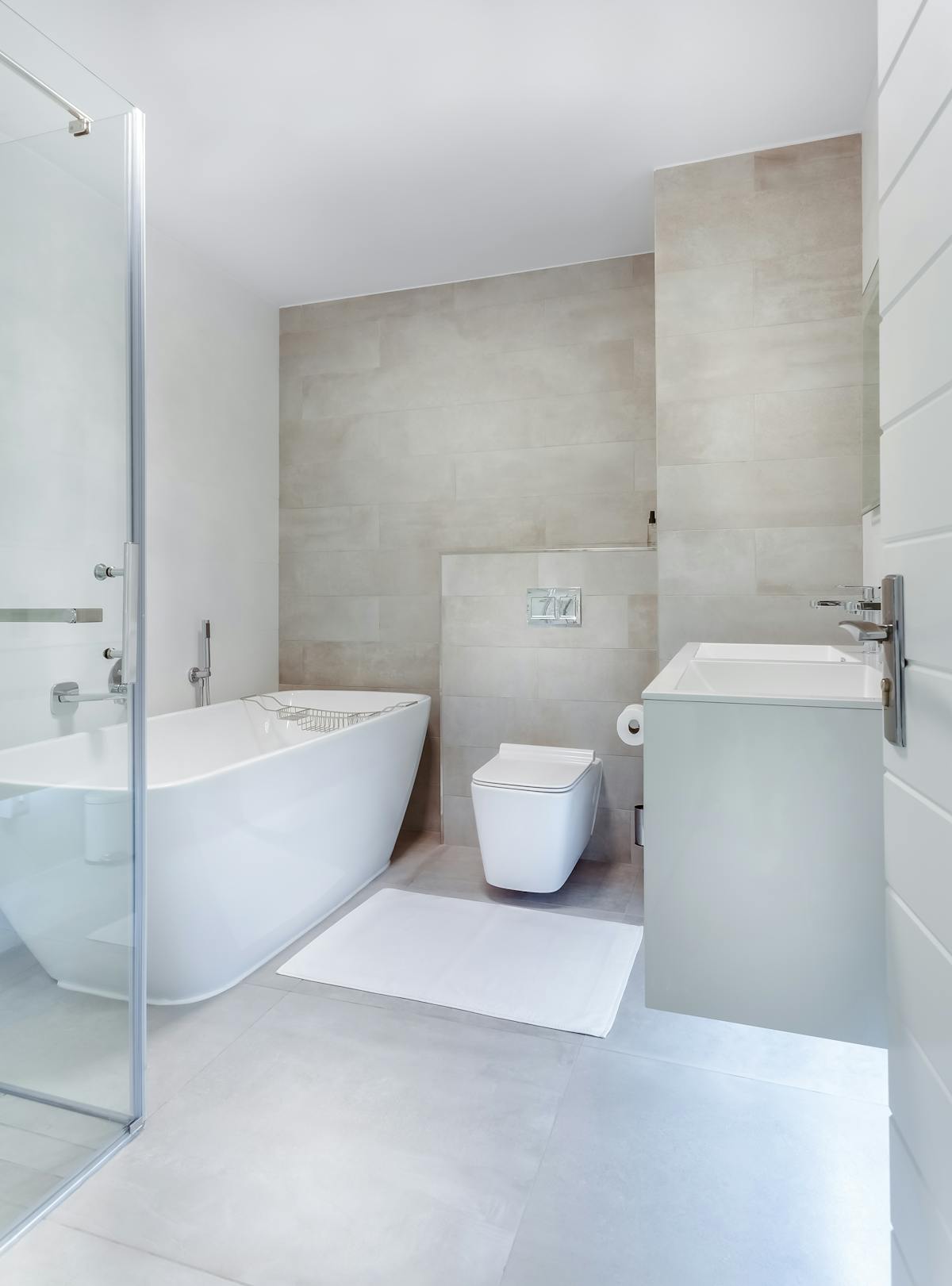
Japandi Bathroom
Think of a Japanese onsen combined with Nordic spa simplicity. Natural stone or wood-look tile for the floor. A freestanding or vessel basin in natural stone or concrete. A large, simple mirror. Warm lighting. A small stool or shelf in natural wood.
- Tile: Large-format stone, wood-look ceramic, or micro-cement
- Basin: Stone vessel sink or integrated concrete basin
- Storage: Concealed behind mirror cabinet or in wall niche
- Accessories: Wooden bath tray, linen towels in cream or grey, natural soap on stone dish
Japandi vs. Other Design Styles
Japandi vs. Scandinavian
Scandinavian is brighter, lighter, and cozier. Japandi is more grounded, warmer-toned, and more contemplative. Scandinavian uses light wood, Japandi uses medium to dark wood. Both love simplicity, but Japandi takes it further with more negative space and lower furniture. For a full side-by-side breakdown, see our Japandi vs. Scandinavian comparison.
Japandi vs. Minimalist
Minimalism can feel cold and impersonal. Japandi is warm and intentional. A minimalist room might have a single chair in an empty white box. A Japandi room has that same chair, but it is handmade, on a warm wooden floor, next to a plant, lit by soft natural light. Minimalism removes things. Japandi curates them.
Japandi vs. Wabi-Sabi
Wabi-sabi is a Japanese philosophy that inspires Japandi, not a competing style. Wabi-sabi focuses on imperfection and impermanence. Japandi incorporates this philosophy but also adds Scandinavian functionality and warmth. All Japandi has wabi-sabi influences, but not all wabi-sabi interiors are Japandi.
2026 Japandi Trends
Warm Japandi
The original Japandi palette was quite neutral and cool. In 2026, the trend is shifting warmer with richer earth tones, terracotta accents, aged brass hardware, and honey-toned wood finishes. Rooms feel more inviting and less austere.
Biophilic Japandi
Both Japanese and Nordic design traditions have deep connections to nature, and the 2026 trend amplifies this. More plants, more natural stone, more raw-edge wood, and even water features in larger spaces. The line between inside and outside blurs intentionally.
Textural Japandi
As the color palette stays muted, texture becomes the main source of visual interest. Bouclé fabric next to rough stone next to smooth wood next to woven linen. Every surface in the room has a different tactile quality, creating richness without adding color or pattern.
How to Try Japandi in Your Home with AI
Japandi is one of the hardest styles to get right without seeing it first. The balance between too sparse (just empty) and too busy (not Japandi anymore) is delicate. Colors that look perfect on a mood board can feel completely different in your actual room.
This is exactly where AI visualization saves time and money. Upload your floor plan or a photo of your room to MeltFlex and generate a photorealistic Japandi render in seconds. Try different wood tones. Test the dark Japandi palette versus the warm palette. See how a low platform bed looks in your bedroom or whether a paper pendant light works in your living room.
You can also browse real Japandi-style furniture in the MeltFlex catalog, place pieces in your 3D room, and check exact proportions and spacing before ordering. The style depends on precise proportions and negative space, so seeing it in your actual room first is not optional. It is essential.
Try Japandi design in your room with AI, free →
Frequently Asked Questions
What is Japandi interior design?
Japandi is a design style that blends Japanese minimalism with Scandinavian warmth. It combines the clean, intentional simplicity of traditional Japanese interiors with the cozy, natural-material focus of Nordic design. The result is a space that feels both serene and livable.
What is the difference between Japandi and Scandinavian design?
Both value simplicity and natural materials, but Scandinavian leans bright and cozy (white walls, warm lighting, hygge comfort) while Japandi is more restrained and contemplative (darker wood, lower furniture, more negative space, wabi-sabi imperfection). Scandinavian feels like a warm hug. Japandi feels like a deep breath.
What colors are used in Japandi design?
A grounded, earthy palette: warm white, sand, clay, soft charcoal, muted sage, and natural wood tones. Accent colors are subtle: terracotta, moss green, or soft indigo. The palette avoids bright whites and stark blacks, living instead in the warm, organic middle ground.
Is Japandi still trending in 2026?
Yes, strongly. It appears in virtually every major 2026 interior design trend report. The style has evolved from a niche trend to an established design language with new sub-trends like Dark Japandi and Biophilic Japandi. Its emphasis on sustainability, craftsmanship, and calm spaces aligns perfectly with how people want to live right now.
What furniture works for Japandi style?
Low-profile, natural, and simple. Platform beds close to the ground. Tables with clean lines and solid wood construction. Seating with neutral upholstery. The key is visible craftsmanship: hand-finished edges, natural wood grain, joinery details. Avoid anything ornate, shiny, or mass-produced looking.
Can I design a Japandi room with AI?
Yes. Upload your floor plan or room photo to MeltFlexand the AI generates a photorealistic render in Japandi style. Experiment with different wood tones, color palettes, and furniture arrangements to find the right balance for your space.
Start Designing Your Japandi Home
Japandi is not about buying Japanese and Scandinavian things and putting them in the same room. It is about understanding what both cultures value (simplicity, nature, craftsmanship, function) and letting those values guide every choice you make. When in doubt, choose the simpler option. Leave more space than you think you need. Pick the piece that was made with care, not the one that is cheapest.
Upload your floor plan to MeltFlex and see your room in Japandi style in seconds. Try the warm palette, the dark palette, and everything in between. Place real furniture, check proportions, and discover the right balance for your home. No design experience needed, no cost.
Design your Japandi room with AI, free →
Prefer the softer, earthier end of this look without the darker Japanese contrast? That is essentially warm minimalism, a close cousin of Japandi that leans fully into cream, oak, and layered texture.
Related guides: Scandinavian design guide, interior design styles, what it costs to furnish a house, bedroom design ideas, and living room ideas.