Interior Design API: Turn a Room Photo Into a Furnished Render With One Call

An interior design API is a REST endpoint that takes a room photo plus a style prompt and returns a photorealistic furnished render, typically in 10 to 30 seconds. Instead of building your own image model (roughly $250,000 in year one for an ML engineer, GPUs, and training data), you send one HTTP POST and get back a finished image you can drop into a listing, a product page, or a design app. The MeltFlex API currently exposes four endpoints: room generation and restyling, furniture placement with up to 10 reference product images, 2D floor plan to 3D model conversion, and video walkthroughs. This guide covers what each one does, what it costs, the full integration code, and how the main interior design APIs on the market compare.
Our articles are still written by humans!
Get human written articles in your Google feed.
First, the origin story, because it explains the design decisions. MeltFlex started as a web app. You uploaded a room photo, typed a style description, and got a photorealistic furnished room back in seconds. Interior designers used it. Real estate agents used it. Homeowners planning renovations used it. But every week, the same request kept coming in from a different type of user.
“Can I plug this into my own app?”
Developers building real estate platforms wanted virtual staging inside their listing flow. Furniture e-commerce companies wanted customers to see their products in their own rooms. Interior design startups wanted AI-powered room transformation without spending a year and a quarter million dollars building their own model.
Today, the answer is yes. The MeltFlex AI API is live. One endpoint. One request. One photorealistic room transformation in under 30 seconds.
One Photo In, One Furnished Room Out
The API does exactly one thing, and it does it extremely well. You send a room photo and a text prompt describing the interior design style you want. The AI analyzes the room geometry, walls, floor, ceiling, windows, doors, and lighting direction, then generates a completely new image with furniture, decor, materials, and colors placed naturally in the space.
It is not a filter laid over the photo. It is not clip art pasted onto a background. The AI understands depth, perspective, how light bounces off a marble surface versus a matte wall, how shadows fall from a window at a specific angle. The result looks like someone actually furnished the room and hired a photographer.
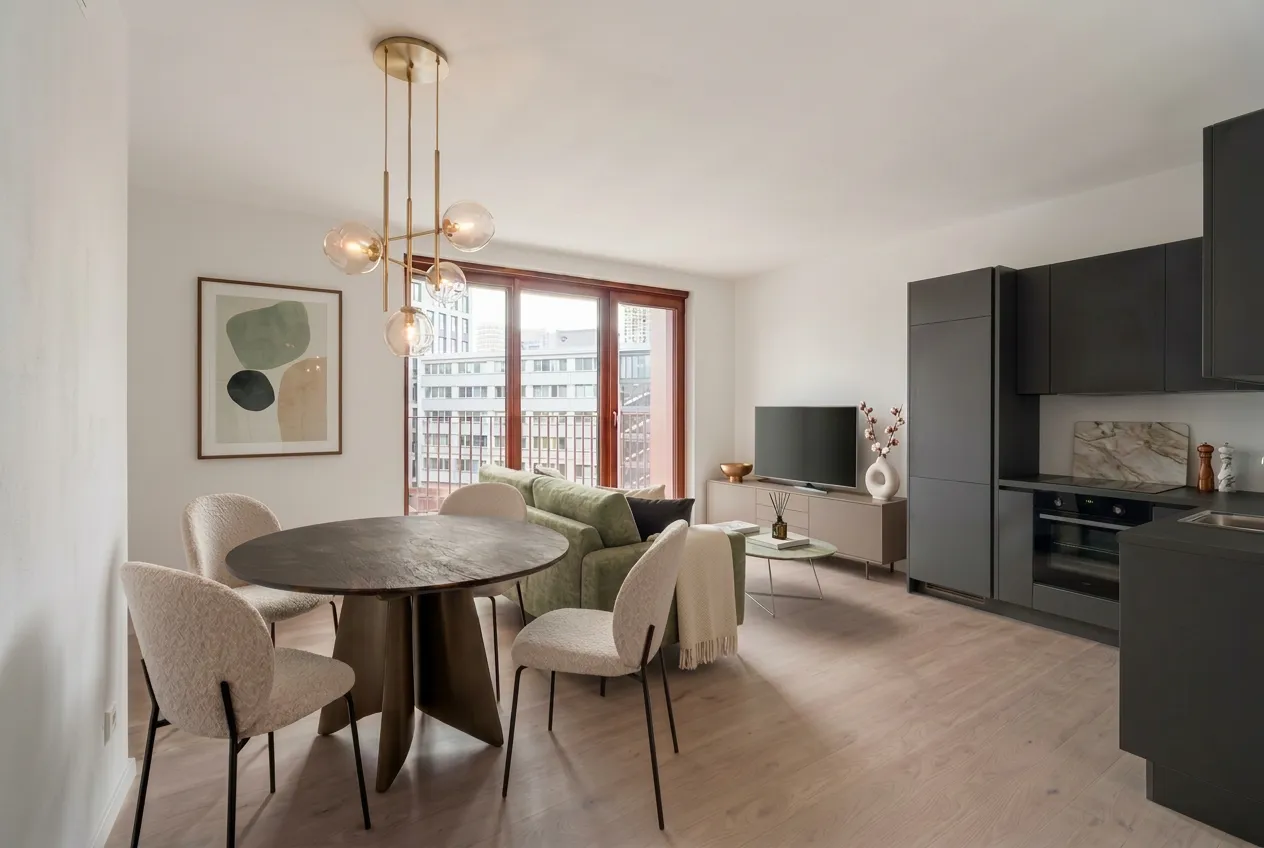
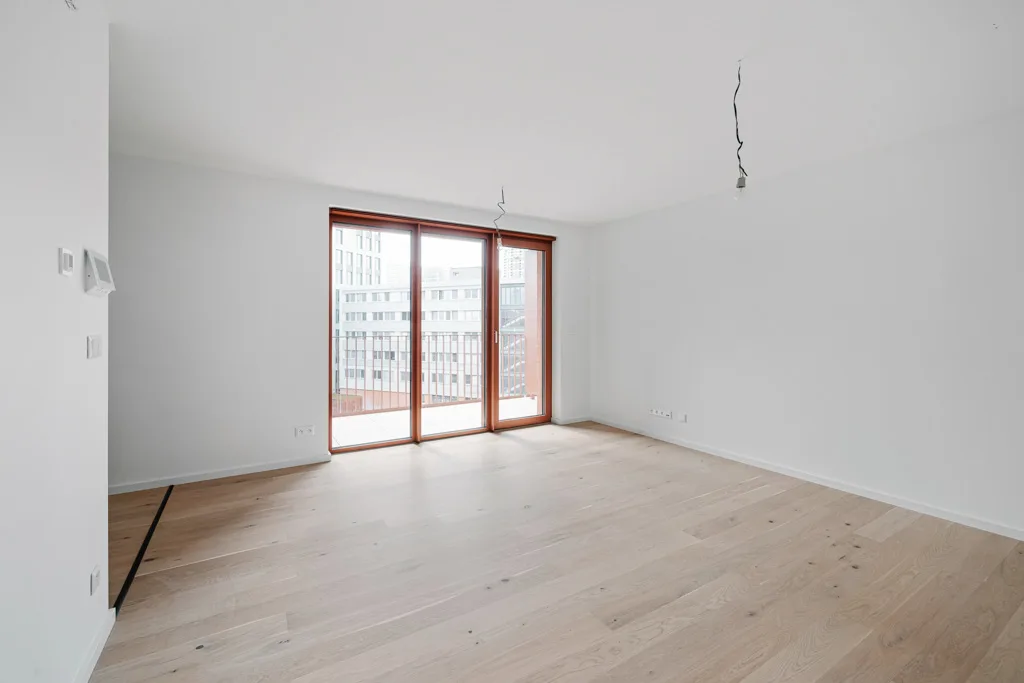
That transformation happened with a single API call. The empty room above became the furnished room in 22 seconds. No 3D modeling software. No rendering farm. No designer placing individual pieces for four hours.
Why We Built an API Instead of Keeping It a Web App
MeltFlex AI as a web app serves individual users well. But the technology behind it is far more valuable when it lives inside other products. Consider what becomes possible:
- A real estate platform where every new listing gets professionally staged photos within minutes of the agent uploading empty room shots. Not in a separate tool. Inside the listing workflow, automatically.
- A furniture e-commerce site where the “See It in Your Room” button actually works. The customer uploads their living room, and they see the exact sofa they are considering in their actual space, with correct lighting and scale.
- An interior design app where clients cycle through 20 different styles on their own room in a single session, narrowing down their vision before the first consultation even happens.
- A property management tool where landlords see what a dated apartment would look like after a modern renovation, with realistic numbers on how the upgrade affects rental price.
None of those experiences work if the user has to leave the app, go to a separate website, upload photos there, download results, and bring them back. The API makes AI interior design a native feature of whatever you are building.
What the API Covers in 2026
Since launch the API has grown from one endpoint to four. Everything runs over plain REST with a bearer key, and failed requests refund their credits automatically, so you never pay for errors.
Two related capabilities live outside the REST API. If your users need dimensions rather than renders, our room measurement from a photo guide covers how MeltFlex estimates wall lengths and floor area from a single photo inside the app; paired with the floor plan endpoint it covers most “photo to measured plan” workflows. And if you work in Claude or another AI assistant rather than your own codebase, the MeltFlex MCP server exposes the same generation pipeline as tools an agent can call directly.
Furniture Placement With Your Actual Products
Most AI interior design tools generate rooms with generic furniture. You say “Scandinavian living room” and you get a nice image with AI-invented furniture that does not exist in any catalog. That is fine for inspiration. It is useless for selling actual products.
The MeltFlex API accepts up to 10 reference images of specific furniture pieces. You send photos of your actual products (the exact sofa, the exact dining table, the exact accent chair) and the AI places those recognizable items in the customer’s room.
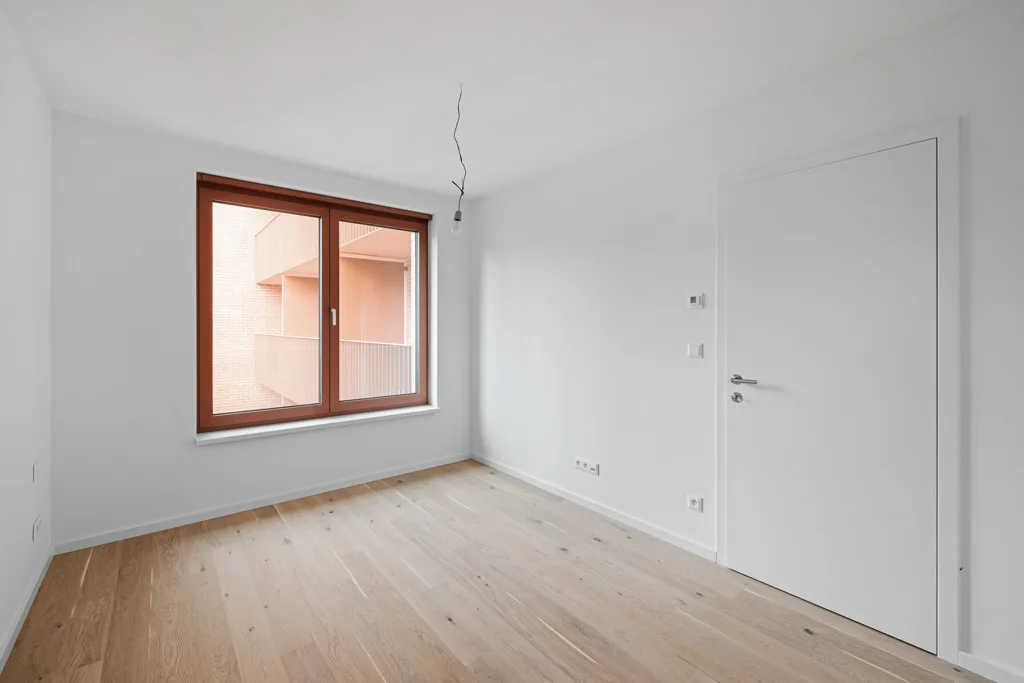
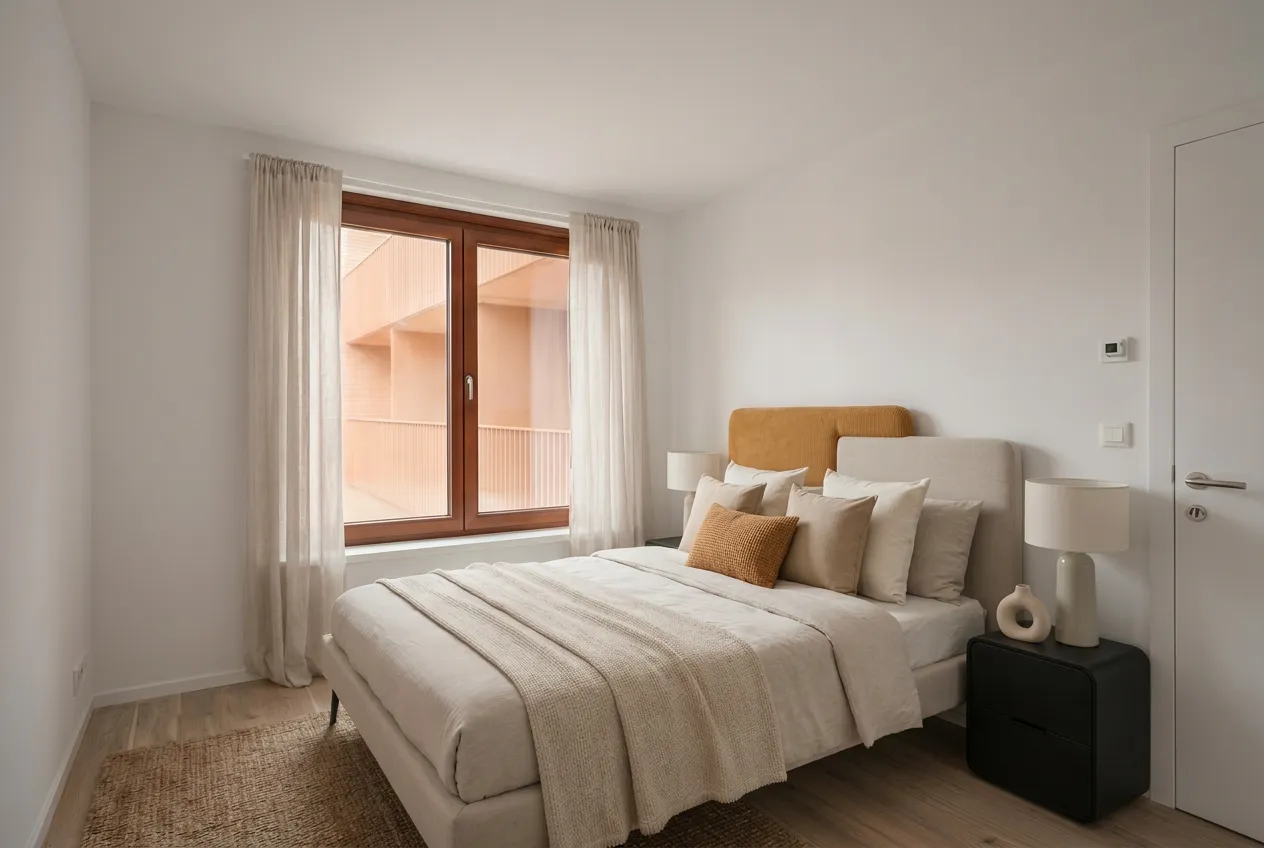
The AI understands each item’s shape, material, color, and scale, then positions them naturally in the target room. The customer sees their room with your products in it. That is the difference between “imagine how this might look” and “here is exactly how this will look.”
For furniture retailers, this solves the single biggest problem in online furniture sales: returns. Customers buy furniture based on a product photo against a white background, then discover it does not fit, does not match, or does not look right in their space. Showing the product in the customer’s actual room before purchase changes that equation entirely.
Restyle Without Starting Over
Interior design is iterative. Nobody picks the perfect style on the first try. The API supports restyling: you take a generated result and send it back with a new prompt. “Make it warmer.” “Switch to darker wood tones.” “Add more plants.” The AI adjusts the existing design instead of generating from scratch, preserving the spatial layout while changing the aesthetic.
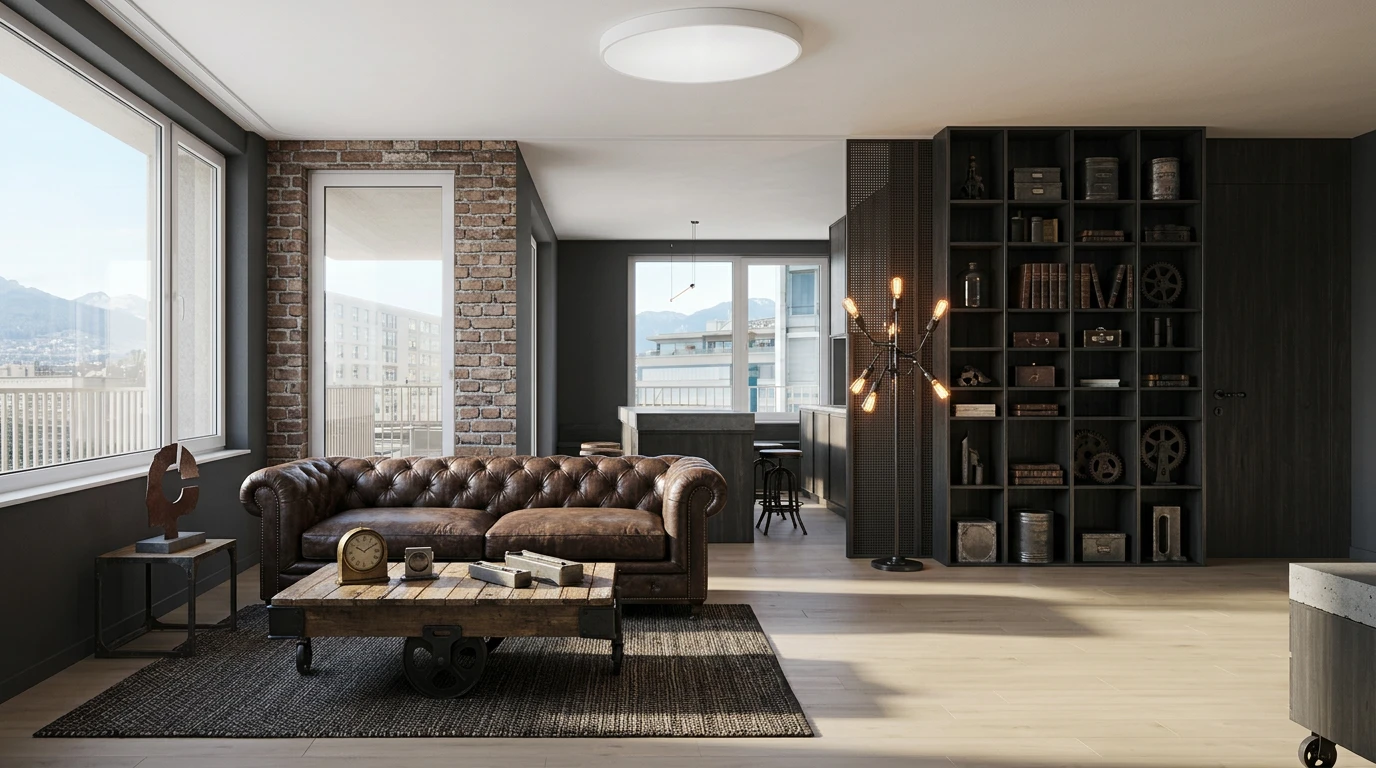
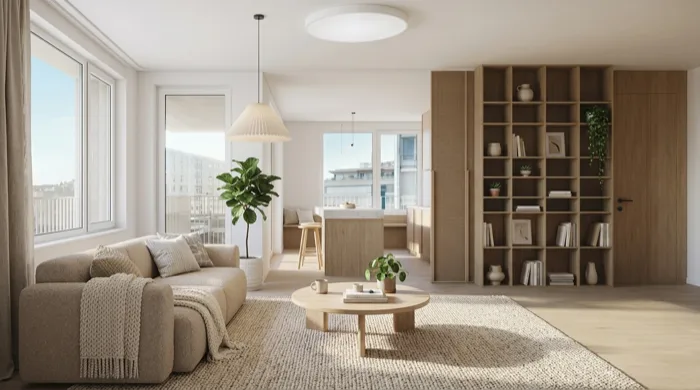
Same room. Same starting photo. Modern style on the left, Scandinavian on the right. Two API calls, two completely different design directions, both photorealistic. An interior design app built on this API can let clients explore styles at a pace that would be physically impossible with mood boards and 3D renders.
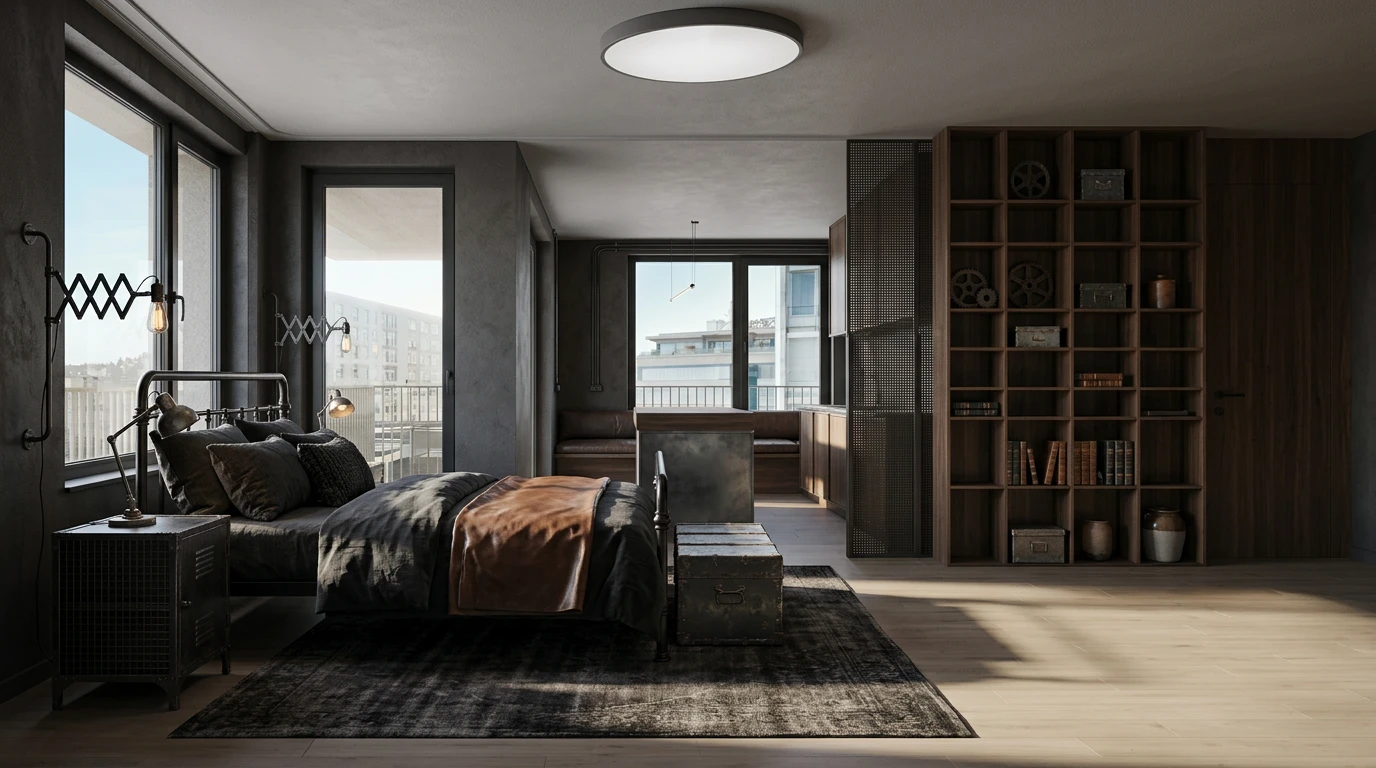
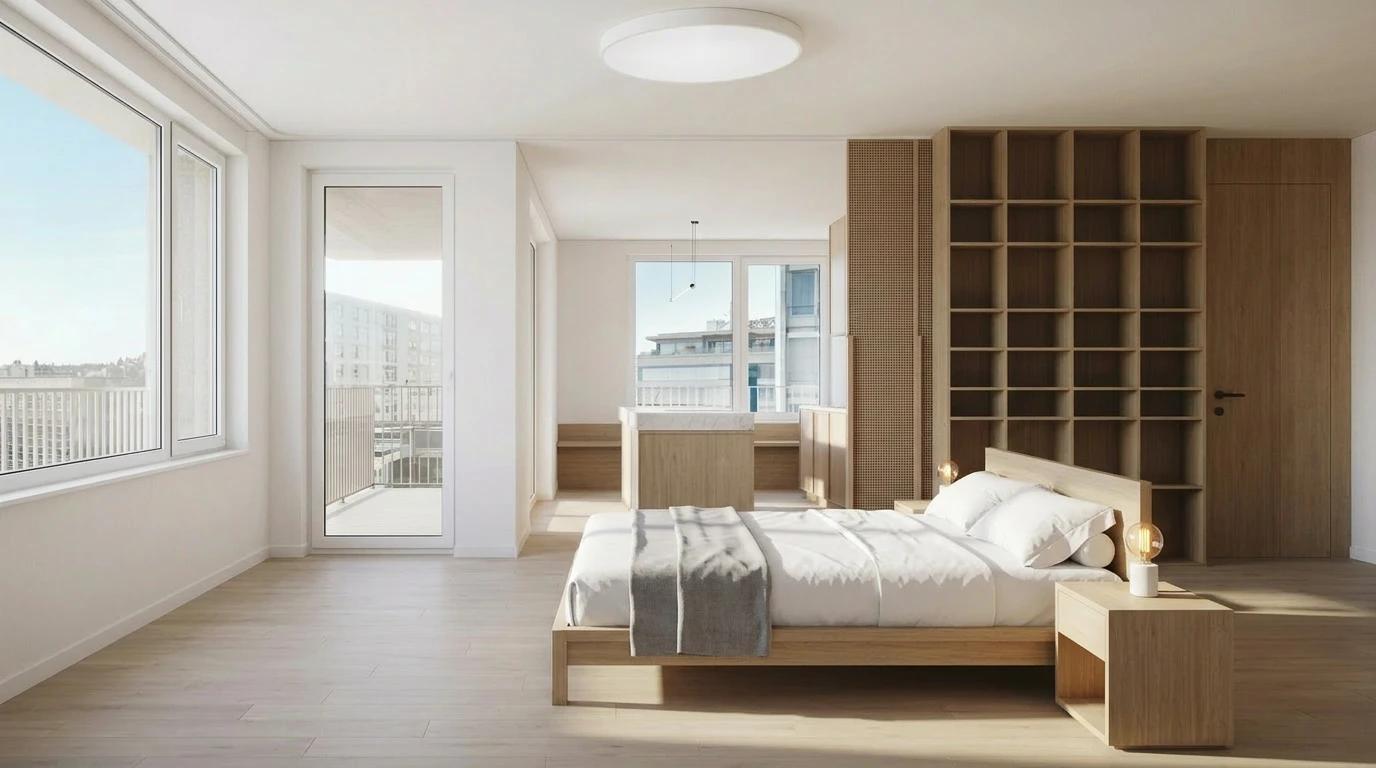
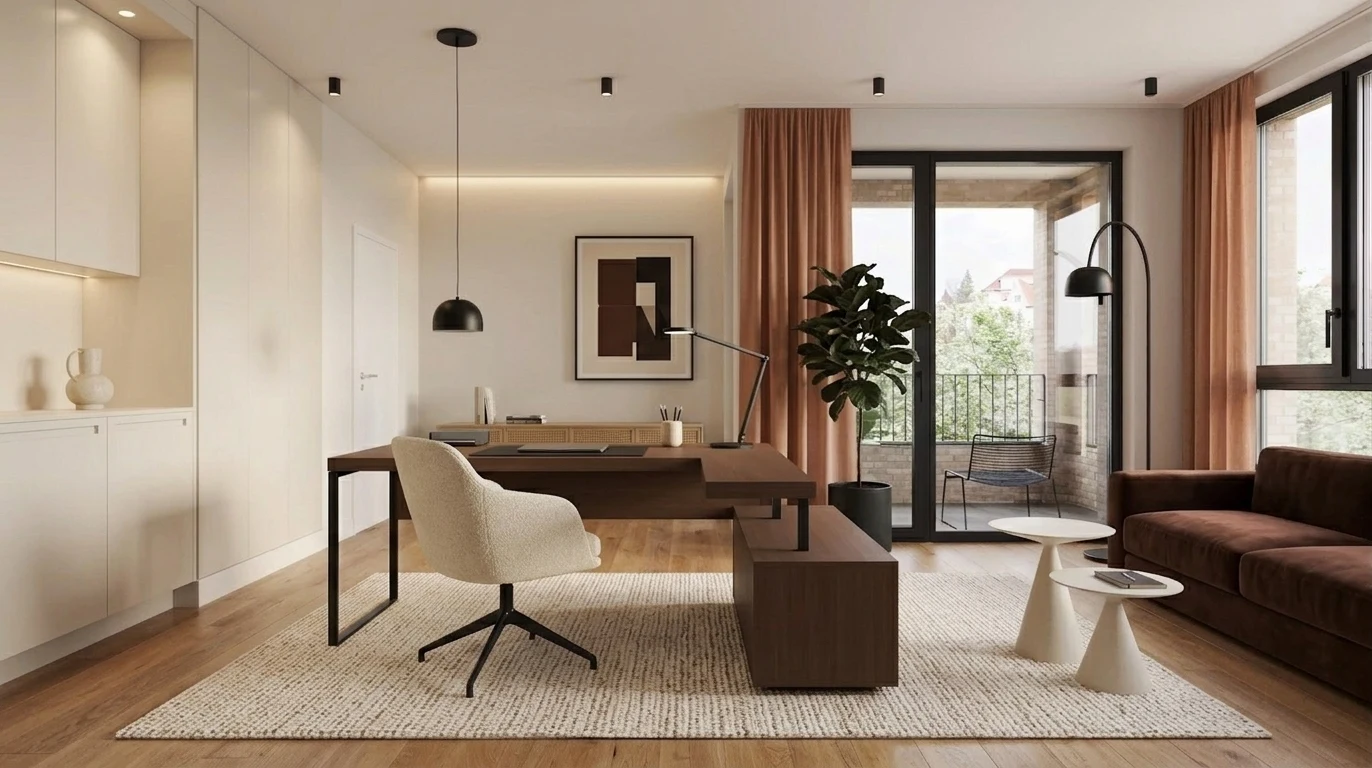
The same restyling works across every room type. Bedrooms, dining rooms, kitchens, offices. Each generation takes under 30 seconds and costs a fraction of what a 3D artist would charge for a single render.
The Numbers That Matter for Your Business Case
If you are building a case for integrating AI interior design into your product, here are the numbers that move decision-makers:
- Virtual staging impact: In the National Association of Realtors’ Profile of Home Staging, 49% of sellers’ agents said staging reduces a home’s time on market, 29% reported offers 1% to 10% higher, and 83% of buyers’ agents said staging makes it easier for buyers to visualize the property as their home. Even a 2% lift on a $400,000 listing is $8,000.
- Cost comparison: Physical staging runs $2,000 to $6,000 per property. Manual virtual staging by a 3D artist costs $50 to $200 per image with a 24 to 48 hour turnaround. The MeltFlex API delivers in under 30 seconds at a fraction of both.
- Development cost: Our estimate for building a custom room-transformation model in-house is roughly $250,000 in the first year (one ML engineer’s salary, GPU infrastructure, training data, monitoring) and $230,000+ annually after that. It is an estimate, not a quote, but the order of magnitude is what matters: an API integration takes one developer less than a day.
- Returns impact: US retail returns reached $890 billion in 2024, 16.9% of all sales, per the National Retail Federation, and furniture runs above average at roughly 19% to 23% of online orders. The top return reasons, wrong size and wrong look, are exactly what showing the product in the customer’s actual room attacks.
How Do You Integrate an Interior Design API?
The whole integration is four steps:
- Subscribe to any paid MeltFlex plan and generate an API key in account settings.
- Send a
POSTrequest to/api/v1/generatewith the room photo URL and a style prompt. - Read the
imagefield from the JSON response and display or store the render. - Poll
GET /api/v1/creditsto meter usage in your own dashboard.
Here is the complete code for step 2 and 3. This is not a simplified example. This is the actual integration:
const response = await fetch("https://www.meltflexai.com/api/v1/generate", {
  method: "POST",
  headers: {
    "Authorization": "Bearer YOUR_API_KEY",
    "Content-Type": "application/json"
  },
  body: JSON.stringify({
    prompt: "Warm minimalist living room with oak furniture, linen sofa, wool rug, and brass accents",
    imageUrl: "https://your-app.com/user-uploaded-room.jpg"
  })
});

const { image } = await response.json();
// image = data:image/...;base64 data URL of the furnished room
Eleven lines. That is the gap between “our app does not have AI design” and “our app transforms rooms with AI.” You handle the user experience. The API handles the intelligence.
What You Should Build With This
We built the API to be general enough for any room visualization use case. But based on the developers already using it, these are the five categories generating the most value:
Real Estate Virtual Staging
The highest-volume use case. Agents upload empty room photos, the API returns staged images, listings go live the same day. Some platforms are automating this entirely: photos uploaded to the listing trigger API calls in the background, and staged versions appear alongside the originals without the agent doing anything.
For a complete workflow guide, see our real estate virtual staging guide.
Furniture E-Commerce Product Visualization
The furniture placement feature makes “See It in Your Room” actually work. Retailers send their product images as references and the customer’s room photo as input. The result shows those exact products, not AI approximations, in the customer’s actual space. Our guide on buying furniture with AI room planning covers the consumer side of this.
Interior Design Platforms
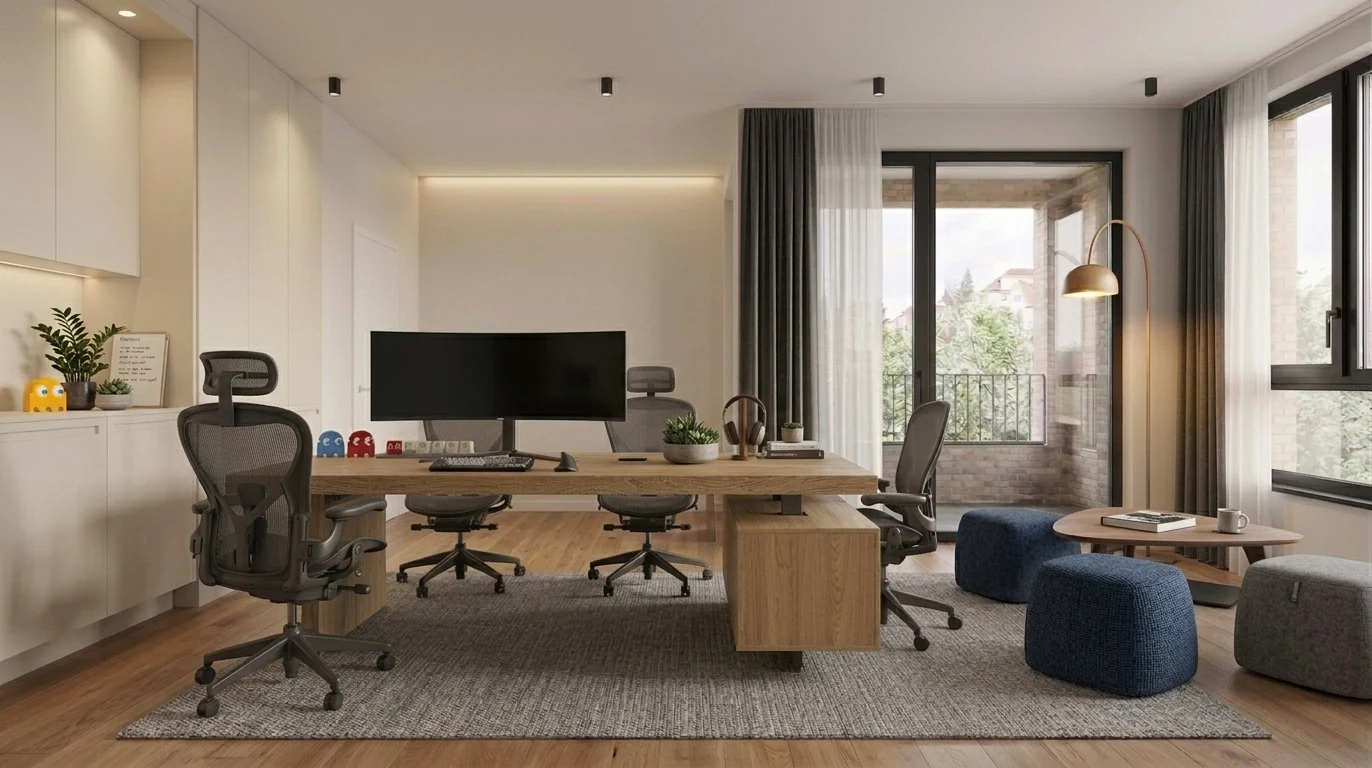
Design consultation apps use the API to let clients self-serve the exploration phase. Instead of paying a designer $200/hour to show mood boards, the client cycles through styles on their own room and arrives at the first meeting with a clear direction. The designer spends time on high-value detailed work instead of initial style discovery. Check our complete style guide for the range of styles the API handles.
Renovation Estimation Tools
Show the customer what the renovation will look like before they commit to the budget. A kitchen remodeling platform pairs its cost estimate with an AI-generated visualization of the finished kitchen. “Your $18,000 kitchen remodel will look like this” is a fundamentally more persuasive pitch than a spreadsheet of line items.
Property Management and Investment
Landlords and property investors use AI visualizations to evaluate renovation ROI before spending. Upload the current dated apartment, generate a modernized version, estimate the rental price increase. Make data-backed decisions about which properties to upgrade and how.
What the API Does Not Do (Yet)
Honest limits, because you will hit them faster than any sales page admits:
- No sketch-to-render. The API works from photos and floor plans, not hand sketches. If sketch input is your core workflow, HomeDesignsAI covers it and we currently do not.
- REST only, no official SDKs. Decor8 ships Python, JavaScript and Dart SDKs. With MeltFlex you write the fetch call yourself. It is 11 lines, but it is your 11 lines.
- Renders top out at 2K. There is no 4K output option, because generation above 2K became too unreliable in our testing to sell. For web listings and product pages 2K is plenty; for large-format print it is not.
- Latency varies. Most generations land in 10 to 30 seconds, but complex rooms with many reference images can take longer. Build your UX around an async result, not a spinner with a promise.
- Renders are visualizations, not measured plans. The AI preserves geometry convincingly, but it does not guarantee dimensions. If your users need measurements, pair it with the floor plan endpoint instead of trusting the picture.
How Does MeltFlex Compare to Decor8, HomeDesignsAI and SofaBrain?
We will be direct about the competitive landscape because you are going to research it anyway.
Decor8 AI has a solid API at $0.20 per image with SDKs in Python, JavaScript, and Dart. It is a good option for basic room redesign. It does not do furniture placement with reference images, and it does not support iterative restyling.
HomeDesignsAI offers a white-label API with multiple specialized endpoints (redesign, staging, furniture removal, sketch-to-render). Strong feature set, but requires custom enterprise pricing which means a sales process before you can test the integration.
SofaBrain has a credit-based API with solid documentation. Properties using their API reportedly sell 24% faster. They cover room redesign and virtual staging but not furniture placement with specific product references.
MeltFlex differentiates on three things: furniture placement with up to 10 reference images (critical for e-commerce), iterative restyle through a single endpoint (critical for design apps), and one clean endpoint instead of multiple fragmented APIs (less integration complexity). Failed requests get automatic credit refunds, so you never pay for errors.
The right choice depends on your use case. If you need furniture-specific placement for e-commerce, MeltFlex is the strongest option. If you need sketch-to-render, HomeDesignsAI covers that. If you want the simplest possible per-image pricing, Decor8 is straightforward.
Do not take our word on output quality; the engine behind the API is the same one in the web app, and independent reviewers test it regularly. Here is a recent hands-on review evaluating realism, furniture placement accuracy and speed on real room photos:
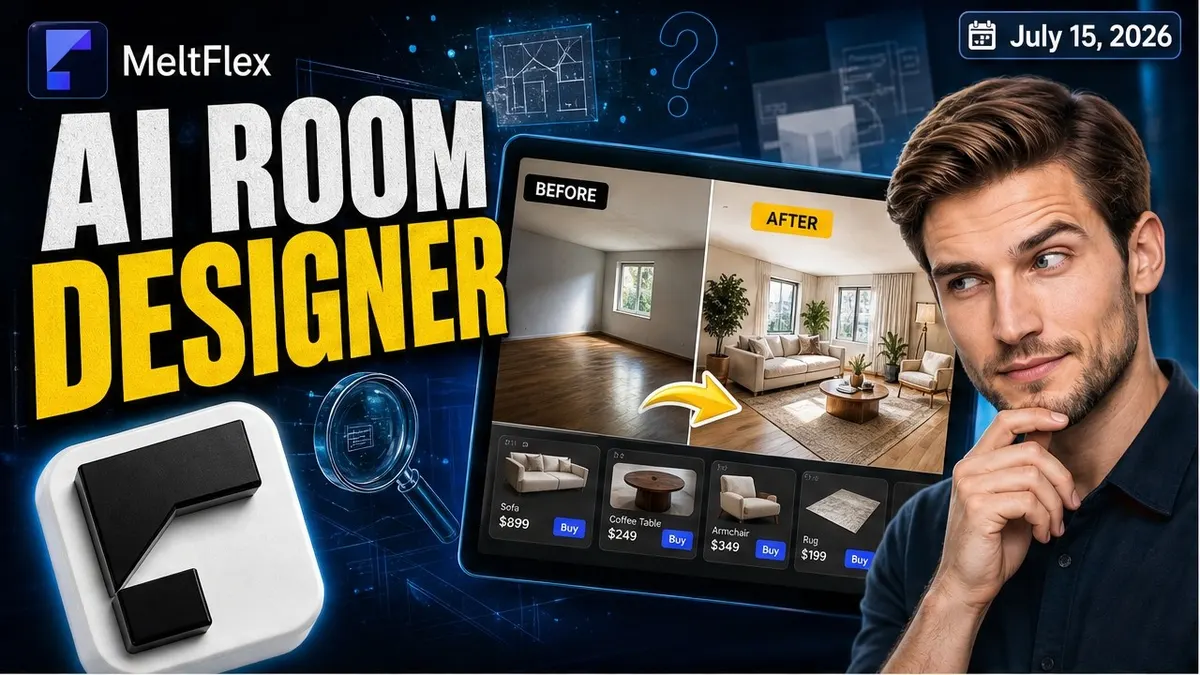
Video: “MeltFlex AI Review: The Best AI Interior Design Tool of 2026?”, an independent review of the generation engine behind the API.
Interior Design API: FAQ
What can you build with an interior design API?
Any application that needs room visualization. Real estate platforms use it for instant virtual staging of empty listings. Furniture e-commerce sites use it to show their products placed in the customer’s actual room. Interior design apps use it to let users try dozens of styles on their own space. Property management tools use it to show renovation potential. The API returns a photorealistic image, so the output works anywhere a photo works.
How fast does the API generate a room design?
Most generations complete in 10 to 30 seconds depending on complexity, which is fast enough for real-time user experiences. Compare that to manual virtual staging, which takes 24 to 48 hours per image, or physical staging, which takes days to arrange.
Do I need machine learning experience to use the API?
No. It is a standard REST endpoint. You send a room photo and a text description of the style you want, and the API returns a finished image. There is no model training, no GPU setup, no ML pipeline. A backend developer with no AI experience can have a working integration in under 30 minutes.
How much does an interior design API cost?
Pricing is either per image or credit-based. Decor8 AI charges around $0.20 per image, HomeDesignsAI quotes custom enterprise pricing, and MeltFlex uses credits: 10 credits per room generation, 10 per floor plan conversion, 100 to 150 per video clip, with automatic refunds on failed requests. MeltFlex API access comes with any paid plan.
Is there a free interior design API?
Not for production use; every request runs an expensive image model. The practical route is to evaluate output quality on the web app’s free tier first, then subscribe for API access once the quality fits your use case.
Is the MeltFlex API output good enough for professional use?
Yes. The API generates photorealistic images that are used in live real estate listings, client presentations, and e-commerce product pages. The AI understands room geometry, perspective, lighting direction, and material properties, so the output looks like a professional interior photography shoot rather than an obvious computer rendering. Output quality improves with higher resolution input images and more specific style prompts.
How does AI virtual staging compare to hiring a professional stager?
Professional physical staging costs $2,000 to $6,000 per property and takes several days to arrange. A professional 3D artist doing manual virtual staging charges $50 to $200 per image and needs 24 to 48 hours. The MeltFlex API generates a staged image in under 30 seconds at a fraction of the cost. The quality difference has narrowed to the point where AI-staged images perform comparably in real estate listings. In the National Association of Realtors staging research, 49 percent of sellers’ agents say staging reduces a home’s time on market and 29 percent report offers 1 to 10 percent higher.
Can the API place my specific furniture products into a room photo?
Yes. You can send up to 10 reference images of specific furniture pieces along with the room photo. The AI recognizes the shape, material, color, and scale of each piece and places them naturally in the room with correct perspective and shadows. This is the key feature for furniture retailers who need to show their actual catalog products, not generic AI furniture.
Start Building Today
The API is live. The full documentation covers every parameter, error code, and edge case. API keys come with any paid plan and are generated in account settings; if you want to judge output quality first, the web app gives you free generations to test before subscribing.
If you have been building room visualization features with manual processes, third-party render services, or your own ML infrastructure, try replacing one workflow with an API call and see what happens. Most developers ship a working prototype in under an hour.
Not a developer? Try the AI interior design tool directly. Upload a room photo and redesign it with AI in seconds, no code needed. For more on how AI is reshaping interior design, read our comparison of the best AI interior design tools in 2026.