Back to Blog

Interior Design: The Complete Guide to Every Style, Room & Trend in 2026

Interior Design: The Complete Guide to Every Style, Room & Trend in 2026

Interior design shapes how you experience every moment at home. It determines whether your living room feels inviting or cold, whether your bedroom promotes rest or restlessness, whether your kitchen inspires you to cook or order takeout. Great interior design is invisible — it simply makes a space feel right.

This is the most comprehensive interior design guide you will find anywhere. We cover 15 design styles with real examples, break down design principles room by room, analyze the 2026 trends reshaping how we live, and give you the practical tools to design any space — whether you are furnishing your first apartment or reimagining a home you have lived in for decades.

Bookmark this page. It is your reference for everything interior design.

Table of Contents

What Is Interior Design?

Interior design is the practice of planning, researching, coordinating, and managing the enhancement of the interior of a space. It goes far beyond decoration. While a decorator selects cushions and paint colors, an interior designer considers the entire environment: spatial planning, structural elements, traffic flow, lighting (natural and artificial), acoustics, material durability, color psychology, and how every element works together to serve the people who use the space.

The best interior design achieves three things simultaneously:

  • Function — the space works for its intended purpose. A kitchen enables efficient cooking. A bedroom promotes sleep. A home office minimizes distraction.
  • Aesthetics — the space looks and feels cohesive. Colors, textures, proportions, and lighting create a mood that matches the occupant’s personality.
  • Wellbeing — the space supports physical and mental health. Natural light, air quality, ergonomic furniture, and biophilic elements reduce stress and improve quality of life.

Whether you hire a professional or design it yourself, understanding these three pillars will transform how you approach every room in your home.

The 7 Fundamental Principles of Interior Design

Before choosing a style, you need to understand the universal principles that make any design work. These rules apply to every style, every room, and every budget.

1. Balance

Balance is the visual distribution of weight in a room. There are three types:

  • Symmetrical balance — mirror-image arrangement on either side of a central axis. Two matching nightstands flanking a bed. Two identical sofas facing each other. Creates formality and order.
  • Asymmetrical balance — different objects of similar visual weight on each side. A large floor lamp balanced by a cluster of small frames. Creates energy and modernity.
  • Radial balance — elements arranged around a central point, like chairs around a circular dining table. Creates intimacy and focus.

Most well-designed rooms combine symmetrical and asymmetrical balance. A symmetrical sofa arrangement with asymmetrical art and accessories feels structured yet alive.

2. Proportion and Scale

Proportion is how objects relate to each other in size. Scale is how objects relate to the room itself. A massive sectional sofa in a 3x4 meter living room will dominate the space. A tiny accent chair in a 6-meter-ceiling loft will disappear.

The golden ratio (roughly 60:30:10) applies everywhere: 60% dominant color, 30% secondary, 10% accent. 60% large furniture, 30% medium pieces, 10% small accessories. When something feels “off” in a room, the proportions are usually the reason.

3. Rhythm and Repetition

Rhythm creates visual flow that guides your eye through a space. Achieve it by repeating colors, shapes, textures, or patterns at intervals. Three round mirrors on a wall. The same wood tone on the floor, coffee table, and shelving. A color that appears in the rug, a cushion, and a piece of art.

Without rhythm, a room feels like a random collection of furniture. With it, every element feels intentional.

4. Emphasis and Focal Points

Every room needs a star — a focal point that draws attention and anchors the layout. In a living room, it might be a fireplace, a statement sofa, or a large window with a view. In a bedroom, it is almost always the bed and headboard wall.

Once you identify the focal point, arrange everything else to support it. Furniture faces it. Lighting highlights it. Colors frame it. A room without a focal point feels disorganized, no matter how beautiful the individual pieces.

5. Contrast

Contrast creates visual interest by juxtaposing opposites: light against dark, rough against smooth, curved against angular, matte against glossy. A room entirely in one tone and texture feels flat. Add a black-framed mirror to a white wall, a velvet cushion on a leather sofa, or a modern lamp next to a vintage side table — and the room comes alive.

The 2026 trend of “warm minimalism” relies heavily on textural contrast rather than color contrast — mixing bouclé, travertine, wood grain, and linen within a narrow color palette.

6. Harmony and Unity

While contrast adds interest, harmony ensures everything feels cohesive. Unity means every element belongs in the same room. Achieve it through a consistent color palette, repeated materials, and a clear design style. An industrial loft with a baroque chandelier creates dissonance (unless that contrast is the intentional focal point).

Unity does not mean everything matches — it means everything relates. A Scandinavian room might mix a white oak dining table, a gray linen sofa, and a black metal shelf. Different objects, same visual language.

7. Functionality

The most beautiful room in the world fails if you cannot live in it. Every design decision should pass the functionality test: does this serve the people using the space? A stunning all-white sofa with a toddler in the house is a design failure. A deep shelf too high to reach is wasted storage. An open floor plan without acoustic separation makes video calls impossible.

In 2026, functionality has expanded to include flexibility. Rooms need to serve multiple purposes — a dining table that becomes a workspace, a living room that converts for guests, a bedroom that includes a reading nook. The best designs anticipate how life actually happens, not just how a room looks in a photo.

15 Interior Design Styles Explained

Choosing a design style gives you a framework for every decision — from paint colors to furniture shapes to accessories. Here are the 15 most influential interior design styles, what defines each one, and how to achieve it in your home.

1. Modern Contemporary

Modern contemporary is the most popular interior design style globally and the default aesthetic of luxury apartments, boutique hotels, and design-forward homes. It is characterized by clean lines, neutral palettes with bold accents, and a mix of materials including glass, metal, and natural stone.

Key elements of modern contemporary design:

  • Clean, straight lines with minimal ornamentation
  • Neutral base palette (white, gray, beige) with one or two accent colors
  • Open floor plans and abundant natural light
  • Mix of materials: glass, polished metal, marble, wood
  • Statement furniture pieces as focal points
  • Minimalist but not sparse — curated accessories

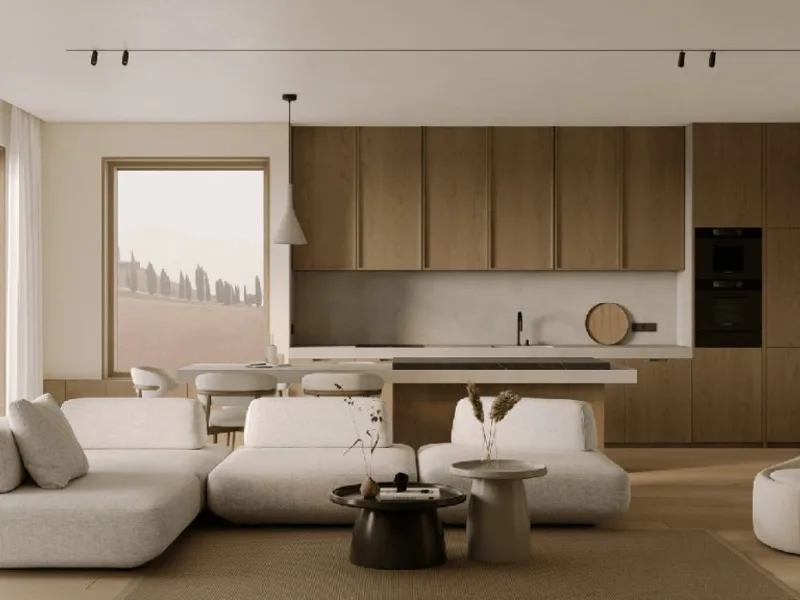
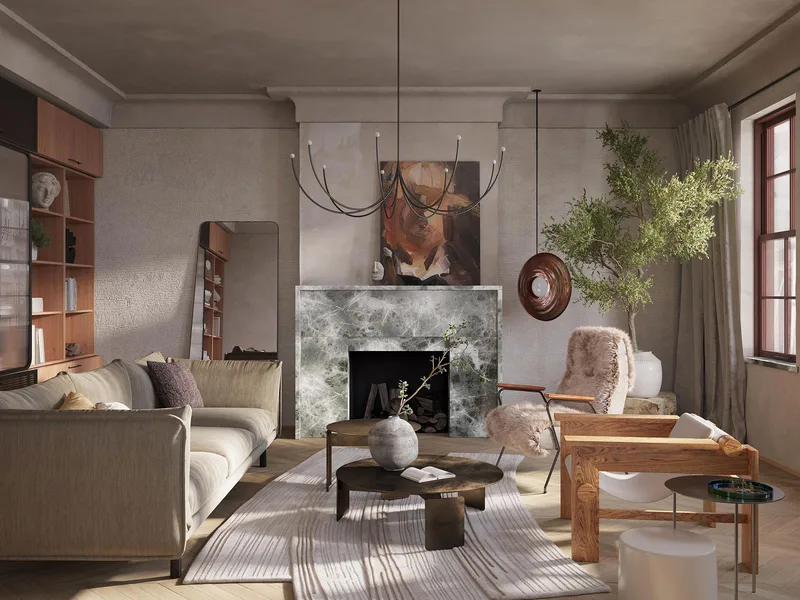
Unlike strict “modern” design (which refers to a specific mid-20th-century movement), contemporary design evolves with current trends. In 2026, contemporary spaces have warmed up significantly — replacing cool grays with warm taupes, adding curved furniture, and incorporating more texture through bouclé, travertine, and ribbed glass.

2. Scandinavian

Born from the Nordic necessity to create warm, bright interiors during long, dark winters,Scandinavian design centers on light, functionality, and craftsmanship. It is the single most searched interior design style online and has influenced virtually every other modern style.

  • Bright whites and soft neutrals as the base
  • Natural materials: light wood (oak, birch, pine), wool, linen, leather
  • Functional furniture with simple, elegant forms
  • Lots of natural light — minimal window treatments
  • Hygge elements: candles, throws, warm textures
  • Plants as natural decor
  • Clean surfaces with intentional, meaningful accessories

The 2026 evolution of Scandinavian design moves away from the “all-white IKEA” stereotype toward warmer “Scandi-warm” — incorporating more earth tones, dark accent walls, and richer wood finishes. Think warm oak instead of pale birch, mushroom beige instead of pure white.

3. Japandi

Japandi fuses Japanese minimalism with Scandinavian functionality — and it is one of the fastest-growing design styles in the world. Both cultures share a deep respect for craftsmanship, natural materials, and the beauty of simplicity, making this fusion natural rather than forced.

  • Muted, earthy color palette: charcoal, warm beige, sage, soft cream
  • Wabi-sabi influences: embracing imperfection and natural aging
  • Low-profile furniture (Japanese influence) with Scandinavian warmth
  • Natural materials: dark wood, bamboo, stone, handmade ceramics
  • Intentional negative space — every object has purpose
  • Indoor plants, particularly sculptural varieties
  • Handcrafted over mass-produced

The Japandi approach to interior design resonates in 2026 because it addresses what many people feel: an exhaustion with excess. It is not about having less for the sake of less — it is about having only what matters, and making those things beautiful.

4. Minimalist

Minimalist interior design strips a space to its essential elements. Every object serves a purpose — decorative or functional — and nothing exists simply to fill space. The famous “less is more” philosophy attributed to Mies van der Rohe is minimalism’s founding principle.

  • Strict color palette: monochromatic or no more than three colors
  • Clean lines, flat surfaces, no ornamentation
  • Hidden storage — clutter is the enemy of minimalism
  • High-quality materials and craftsmanship (fewer things, better things)
  • Open space as a design element itself
  • Functional artwork — one statement piece per room rather than gallery walls

Important distinction for 2026: cold minimalism is out. The stark white boxes of the 2010s have given way to warm minimalism — the same restraint and intentionality, but with softer colors, warmer materials (stone, wood, linen vs. glass and chrome), and a more human, lived-in feeling. This is the single biggest shift in interior design this decade.

5. Mid-Century Modern

Mid-century modern (roughly 1940–1970) remains one of the most enduring and recognizable design styles. Defined by designers like Charles and Ray Eames, Eero Saarinen, and Arne Jacobsen, it celebrates organic curves, functional innovation, and a connection between indoor and outdoor living.

  • Organic curves alongside clean lines
  • Tapered, splayed legs on furniture
  • Bold pops of color: mustard, teal, burnt orange against neutral backgrounds
  • Natural and manufactured materials: molded plywood, plastic, metal, walnut
  • Open layouts with large windows
  • Iconic furniture: Eames lounge chair, Saarinen tulip table, Nelson bench
  • Graphic patterns: geometric, atomic-age inspired

Mid-century modern mixes effortlessly with contemporary interiors. A single iconic piece — an Eames chair, a Noguchi coffee table — can anchor a room. In 2026, the style sees renewed interest through warm walnut finishes and the resurgence of warm browns and ambers in color trends.

6. Industrial

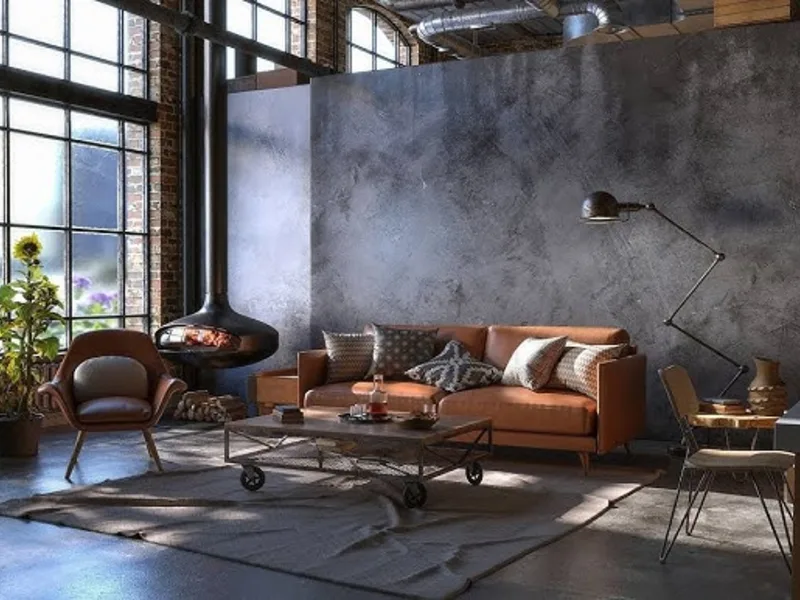
Industrial design emerged from the conversion of old factories and warehouses into living spaces. It celebrates raw, unfinished materials that other styles would hide: exposed brick, ductwork, concrete floors, and metal beams.

  • Exposed structural elements: brick walls, ceiling beams, pipes, ductwork
  • Raw materials: concrete, steel, reclaimed wood, iron
  • Open floor plans with high ceilings
  • Dark color palette: charcoal, black, dark brown, rust
  • Oversized, statement lighting (Edison bulbs, metal pendants)
  • Vintage and reclaimed furniture alongside modern pieces
  • Functional objects as decor: bookshelves from pipes, tables from industrial carts

The challenge with industrial design is keeping it warm enough to be livable. The 2026 solution: pair raw textures with warm textiles — a leather sofa against exposed brick, a Persian rug on a concrete floor, linen curtains softening steel-framed windows.

7. Bohemian (Boho)

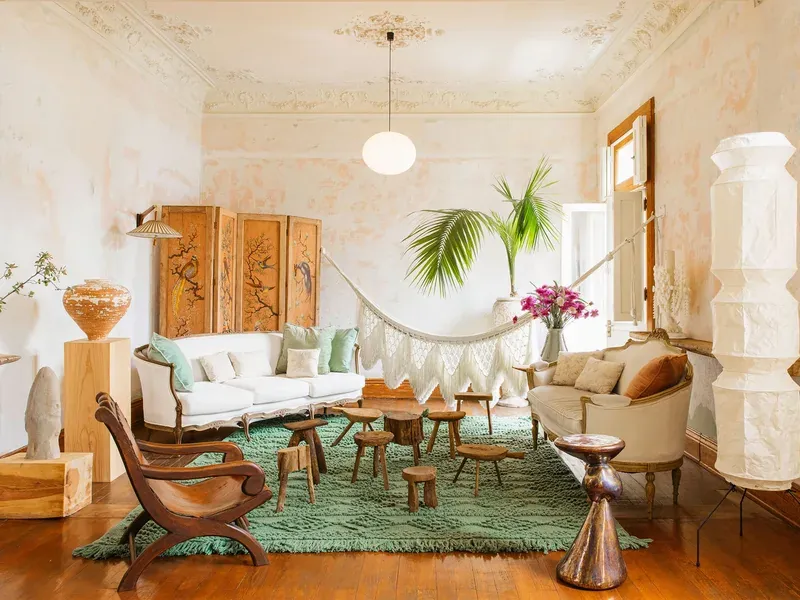
Bohemian design is the antithesis of minimalism — layered, textured, colorful, and deeply personal. It draws from global cultures, vintage finds, and the philosophy that more is more when each piece tells a story.

  • Rich, saturated colors: terracotta, deep teal, ochre, burgundy
  • Layered textiles: kilim rugs, macramé, embroidered cushions, woven throws
  • Eclectic mix of patterns: ikat, paisley, tribal, floral
  • Global influences: Moroccan lanterns, Indian textiles, African baskets
  • Abundant plants — the more the better
  • Vintage and handmade furniture, no matching sets
  • Floor seating, poufs, hanging chairs

In 2026, Bohemian design has evolved into “Boho Modern” — retaining the warmth and personality but editing down the clutter. Think curated collections rather than chaotic accumulation. Earthy tones (terracotta, sage, cream) have replaced the jewel tones of earlier boho, creating a more grounded, sophisticated version of the style.

8. Transitional

Transitional design bridges the gap between traditional elegance and modern simplicity. It is the “both/and” style — taking the comfort and warmth of traditional design while incorporating the clean lines and restraint of contemporary. It is the most popular style for homeowners who find modern too cold and traditional too formal.

  • Neutral color palette with subtle tonal variation
  • Traditional furniture silhouettes with simplified details
  • Luxurious fabrics: velvet, silk, cashmere in understated patterns
  • Mix of curved and straight lines
  • Minimal accessories — quality over quantity
  • Balanced use of wood, metal, and fabric
  • Calm, collected, sophisticated atmosphere

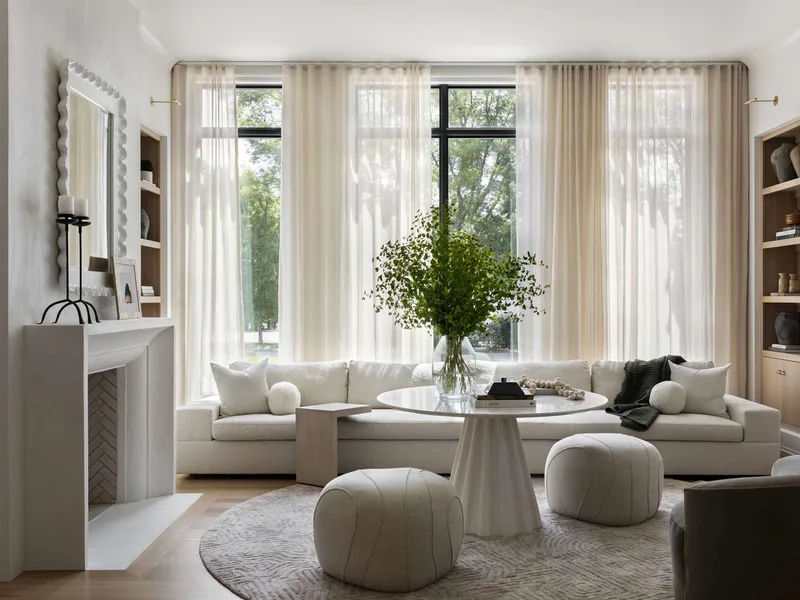
Transitional is the unsung hero of interior design styles. It does not photograph as dramatically as industrial or bohemian, but it is the style most people actually live with. If you are unsure which direction to go, transitional gives you a sophisticated foundation that works with virtually any home and can evolve over time.

9. Coastal and Mediterranean

Coastal design brings the relaxed beauty of seaside living indoors, whileMediterranean design adds the warmth and texture of Southern European villas. Together, they represent one of the most aspirational and livable design families.

  • Color palette inspired by sea, sand, and sky: whites, blues, sandy neutrals, terra cotta
  • Natural materials: rattan, wicker, jute, driftwood, linen, cotton
  • Light, airy spaces with maximum natural light
  • Mediterranean additions: arched doorways, terracotta tile, wrought iron, olive tones
  • Relaxed, comfortable furniture — slipcovered sofas, oversized armchairs
  • Natural textures: woven baskets, sisal rugs, shell accents
  • Indoor-outdoor flow through large windows and doors

The 2026 take on coastal moves away from the cliché “beach house” with shells and anchors toward a more sophisticated “coastal modern” — think Aegean blues with natural stone, whitewashed wood with black iron accents, and Mediterranean-inspired arches incorporated into modern architecture.

10. Art Deco

Art Deco is glamour distilled into geometry. Originating in 1920s Paris, it celebrates bold patterns, luxurious materials, and unapologetic opulence. It is the style for people who want their home to feel like an event.

  • Bold geometric patterns: chevrons, sunbursts, stepped forms
  • Luxurious materials: velvet, marble, brass, lacquer, mirror
  • Rich color palette: emerald green, sapphire blue, gold, black, cream
  • Statement lighting: crystal chandeliers, brass sconces, geometric pendants
  • Curved furniture with fluted or channeled upholstery
  • Symmetrical layouts for a sense of grandeur
  • Reflective surfaces: mirrored furniture, metallic wallpaper, polished stone

Art Deco is experiencing a strong revival in 2026, particularly through the fluted and ribbed texture trend. Fluted cabinet fronts, ribbed glass, and channeled velvet upholstery are all Art Deco elements that have crossed into mainstream design. Use them as accents in a contemporary space for glamour without the full commitment.

11. Wabi-Sabi

Wabi-sabi is the Japanese aesthetic philosophy of finding beauty in imperfection, impermanence, and incompleteness. In interior design, it means embracing the patina of age, the irregularity of handcrafted objects, and the quiet beauty of natural materials in their raw state.

  • Imperfect, organic forms: handmade ceramics, irregular shapes, raw edges
  • Muted, natural color palette: clay, stone, ash, moss, earth
  • Aged and weathered materials: worn wood, patinated metal, chipped plaster
  • Minimal but not empty — each object is deliberately chosen
  • Natural light valued over artificial illumination
  • Texture over color as the primary design tool
  • Seasonal elements: dried flowers, branches, natural arrangements

Wabi-sabi is one of the most philosophically rich design approaches and heavily influences the 2026 movement away from perfection. If Instagram-ready rooms feel oppressive to you, wabi-sabi might be your answer. It gives permission for your home to look lived-in, aged, and beautifully real.

12. Modern Farmhouse

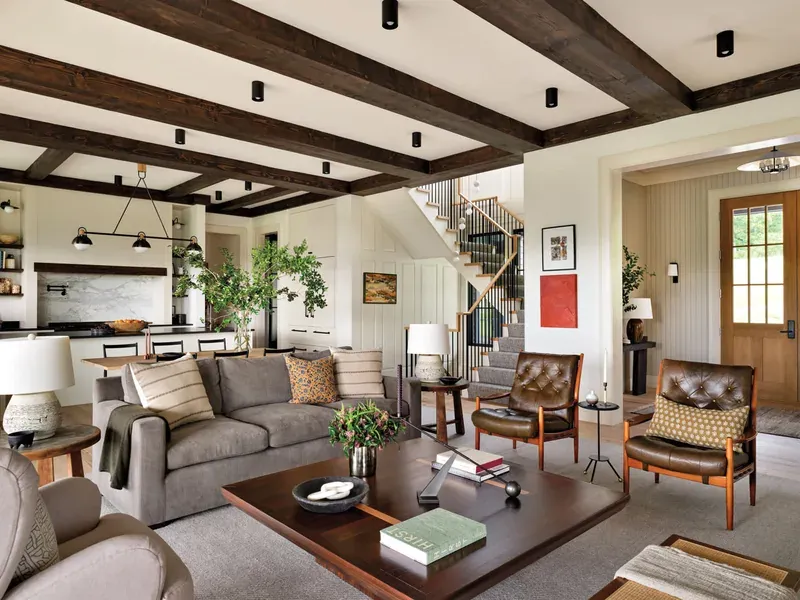
Modern farmhouse combines the warmth and nostalgia of rural living with contemporary simplicity. Popularized in the 2010s, it has matured significantly — moving past the “shiplap-everything” phase into a more refined, edited aesthetic.

  • White and cream base with warm wood accents
  • Reclaimed and distressed wood: beams, tables, shelving
  • Black metal hardware and light fixtures as contrast
  • Comfortable, oversized upholstered furniture
  • Mix of old and new: vintage pieces alongside modern clean lines
  • Open kitchen shelving, farmhouse sinks, butcher-block counters
  • Natural textiles: cotton, linen, burlap

In 2026, modern farmhouse is evolving into what designers call “refined rustic” — less of the distressed, painted-white look and more natural, undressed wood finishes, European-influenced simplicity, and a warmer, more tonal color palette replacing the stark black-and-white contrast of early modern farmhouse.

13. Luxury Contemporary

Luxury contemporary is about sophisticated materials, impeccable craftsmanship, and a sense of curated excess. It is what you see in high-end hotel lobbies, penthouses, and design magazines. The difference between contemporary and luxury contemporary is material quality and attention to detail.

  • Premium materials: marble, onyx, travertine, brushed brass, exotic wood veneers
  • Rich, moody color palette: deep charcoal, warm bronze, muted jewel tones
  • Statement furniture with architectural presence
  • Layered lighting: ambient, task, and accent working together
  • Bespoke or designer pieces — no mass-market furniture
  • Art as integral to the design, not an afterthought
  • Invisible technology: integrated speakers, motorized blinds, hidden screens

You do not need a penthouse budget to incorporate luxury contemporary elements. A single marble-topped side table, a well-chosen brass pendant, or high-quality velvet cushions can elevate an entire room. The principle is intentional investment in a few hero pieces rather than spreading budget thinly across everything.

14. Biophilic Design

Biophilic design integrates nature into the built environment — not just through houseplants, but through natural light, organic materials, water features, natural ventilation, and views of nature. Research consistently shows that biophilic spaces reduce stress, improve focus, and boost overall wellbeing.

  • Abundant natural light through large windows and skylights
  • Living plants at every scale: desk plants, floor planters, living walls
  • Natural materials: stone, wood, wool, clay, cork
  • Earth-inspired colors: greens, browns, blues, warm neutrals
  • Nature patterns: leaf motifs, organic shapes, fractal patterns
  • Water elements: tabletop fountains, indoor water walls
  • Views and connections to outdoor spaces

Biophilic design is one of the fastest-growing interior design movements in 2026, driven by post-pandemic awareness of how spaces affect health. It crosses every other style — you can have biophilic elements in a minimalist apartment, an industrial loft, or a traditional home. It is not a style but a layer that makes any style healthier.

15. Eclectic

Eclectic design is the art of mixing styles, periods, and influences into a cohesive whole. It is often misunderstood as “anything goes” — but good eclectic design requires the most skill of any style, because you are creating unity without relying on a single aesthetic framework.

  • Mix of furniture from different periods and styles
  • Bold color combinations balanced by neutral foundations
  • Diverse textures and patterns unified by a common thread (color, scale, or mood)
  • Personal collections and travel finds as focal points
  • Art from different genres and media
  • No matching sets — everything is individually chosen
  • A “collected over time” feeling rather than a “decorated all at once” feeling

The secret to eclectic design: choose a unifying element. It might be a color that appears in every room, a consistent material (like brass hardware throughout), or a mood (relaxed, dramatic, playful). Without that thread, eclectic becomes chaotic. With it, it becomes the most personal and interesting style of all.

Color Theory for Interior Design

Color is the single most powerful tool in interior design. It changes the perceived size of a room, affects mood and energy, and creates the first impression of any space. Understanding color theory will improve every design decision you make.

The 60-30-10 Rule

The most reliable color formula in interior design: 60% dominant color (walls, large furniture, rugs), 30% secondary color (accent furniture, curtains, bedding), and 10% accent color (accessories, art, small decor). This creates a balanced room that feels intentional without being monotonous.

Warm vs. Cool Tones

Warm colors (red, orange, yellow, warm browns) create energy, intimacy, and coziness. They make rooms feel smaller and more enclosed — ideal for large living rooms that need warmth, dining rooms where you want lively conversation, and bedrooms where you want to feel wrapped in comfort.

Cool colors (blue, green, purple, cool grays) create calm, spaciousness, and focus. They make rooms feel larger and more open — ideal for small rooms, home offices where you need concentration, and bathrooms where you want a spa-like feel.

2026 Color Trends

The major shift in 2026 is from cool to warm. The gray-everything trend of the 2010s has been fully replaced:

  • Mocha Mousse — Pantone’s 2025 Color of the Year, a rich warm brown that continues into 2026 as the new neutral
  • Olive and sage green — nature-inspired greens that work as both accent and main wall colors
  • Espresso brown — dark, rich brown replacing black as the grounding dark neutral
  • Warm terracotta — earthy orange-brown that brings warmth to any room
  • Deep indigo — replacing navy as the statement blue, richer and more dramatic
  • Burgundy and wine red — bold accent colors that add drama and sophistication
  • Creamy off-whites — replacing stark white with warmer, softer whites that feel lived-in

How Light Affects Color

The same paint color looks different in every room depending on natural light. North-facing rooms receive cool, bluish light — warm colors compensate. South-facing rooms get warm, golden light — cool colors balance it. East-facing rooms are warm in the morning and cool in the afternoon. Always test paint samples on multiple walls and observe at different times of day before committing.

Room-by-Room Interior Design Guide

Every room has unique requirements. Here is how to approach the five most important rooms in your home.

Living Room Interior Design

The living room is the social center of your home — where you relax, entertain, watch TV, and spend most of your waking hours. It sets the design tone for your entire home.

Key decisions:

  • Layout — Identify your focal point (TV, fireplace, window) and arrange seating to face it. Leave at least 45 cm between the sofa and coffee table, and 90 cm for walkways.
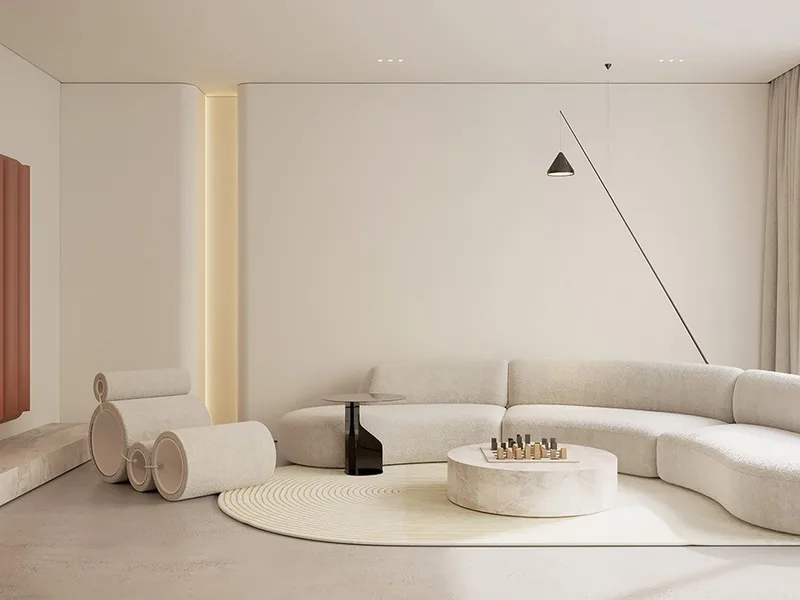
  • Sofa — The single most important purchase. Choose based on how you use the room: a deep sectional for movie nights, a tailored two-seater for formal living, a modular system for flexibility. In 2026, curved sofas are the statement choice.
  • Lighting layers — Overhead ambient (ceiling fixture or recessed), task (reading lamp), and accent (table lamp, LED strip behind the TV). Three layers minimum.
  • Rug size — The most common mistake: too small. Your rug should be large enough that all front legs of your furniture sit on it. For most living rooms, this means at least 200x300 cm.
  • Storage — TV units, bookshelves, and side tables should handle your actual stuff. Beautiful storage that hides clutter beats open shelving that displays it.

For detailed living room inspiration with AI-visualized examples, see our living room interior design ideas guide.

Bedroom Interior Design

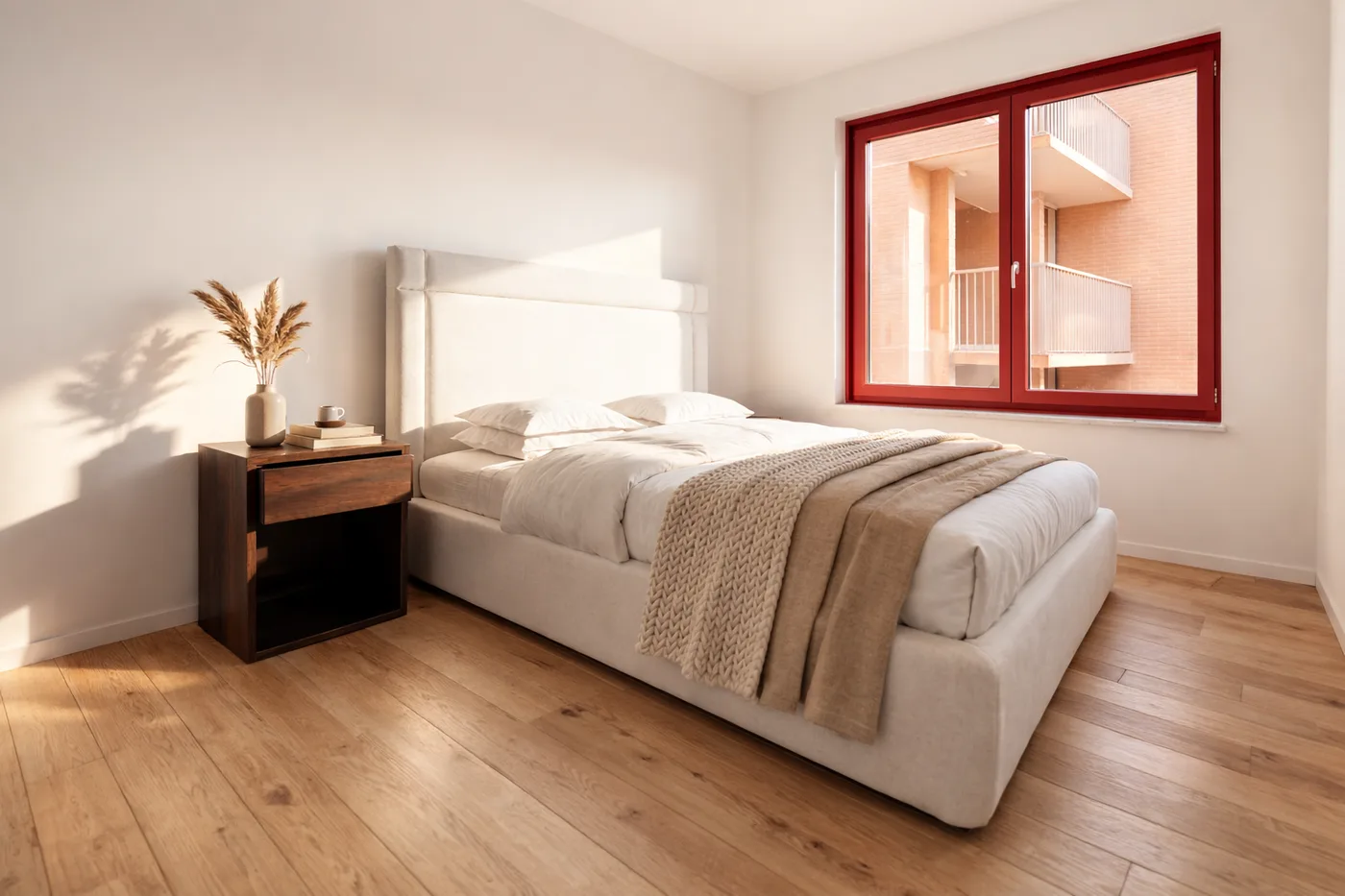
Your bedroom exists for one primary purpose: sleep. Every design decision should support rest, relaxation, and recovery. This is not the room for stimulating colors or distracting patterns.

Key decisions:

  • Bed placement — Center the bed on the longest wall, facing the door but not directly in line with it (this is both good design and feng shui). Ensure nightstand access on both sides.
  • Color palette — Soft, muted tones: warm whites, soft blues, sage green, dusty pink, warm grays. Avoid bright, stimulating colors like red or electric blue.
  • Lighting — Dimmable is non-negotiable. Warm light (2700K) in the evening helps your body prepare for sleep. Bedside lamps should be at reading height when you are propped up on pillows.
  • Textiles — Layer your bedding: quality sheets (cotton percale or linen), a duvet, and a throw at the foot. Add texture through cushions but keep it practical — you do not want to move ten cushions every night.
  • Storage — A clutter-free bedroom is a sleep-friendly bedroom. Built-in wardrobes, under-bed drawers, and wall-mounted nightstands keep surfaces clear.

Explore our complete bedroom interior design ideas guide for more.

Kitchen Interior Design

The kitchen is the hardest-working room in your home and the most complex to design. It involves plumbing, electrical, ventilation, appliance placement, workflow optimization, and significant structural decisions — all while being the room most likely to determine your home’s resale value.

Key decisions:

  • Layout — The work triangle (sink, stove, fridge) should have clear, unobstructed paths between all three points. Popular layouts: galley (efficient for small kitchens), L-shaped (versatile), U-shaped (maximum counter space), island (social cooking). In 2026, oversized islands are replacing traditional dining tables.
  • Cabinets — Upper cabinets to the ceiling or open shelving? Flat-panel or shaker? This choice defines the kitchen’s character. The 2026 trend: fluted or slatted cabinet fronts in natural wood tones, with some upper cabinets replaced by floating shelves.
  • Countertops — Quartz (durable, low-maintenance) dominates, but natural stone (marble, granite) makes a statement. Butcher-block adds warmth. Choose based on how you cook — marble stains with acid, butcher-block needs oiling.
  • Backsplash — The place to express personality. Zellige tile, subway tile variations (vertical, herringbone), natural stone slab, or fluted glass. In 2026, full-height backsplash from counter to ceiling is trending.
  • Lighting — Under-cabinet task lighting is essential. Pendant lights over the island for ambiance. Recessed ceiling for general illumination.

See our full kitchen design ideas and trends for 2026 guide.

Bathroom Interior Design

Bathroom design has evolved from purely functional to one of the most design-forward rooms in the home. The “spa bathroom” trend means homeowners now invest as much thought into their bathroom as their living room.

Key decisions:

  • Vanity — Floating vanities create visual space (essential in small bathrooms). Double vanity for shared bathrooms. Vessel sinks for a statement, undermount for practicality.
  • Tile — Large-format tiles minimize grout lines and create a seamless look. Natural stone (travertine, marble) for luxury. Zellige and handmade tiles for character. Floor-to-ceiling tile is the 2026 standard.
  • Shower — Walk-in showers with frameless glass have replaced tub-shower combos in most modern designs. Rain showerhead for the spa experience. Niches instead of shower caddies for clean lines.
  • Lighting — Backlit mirrors eliminate the need for overhead vanity lighting and create a soft, flattering glow. Warm light (3000K) is universally more flattering than cool.
  • Color — White remains practical for cleanliness, but 2026 sees warm stone tones (travertine, sandstone), sage green, and even dark dramatic bathrooms in charcoal and black.

Home Office Interior Design

The post-pandemic home office is now a permanent fixture in most homes. Designing it properly is not a luxury — it directly affects your productivity, posture, and mental health.

Key decisions:

  • Desk placement — Face a window if possible for natural light and visual rest. If that creates screen glare, place the desk perpendicular to the window. Never face a blank wall — it increases feelings of confinement.
  • Ergonomics — Chair with proper lumbar support, monitor at eye level, keyboard at elbow height. These are non-negotiable for anyone working more than 2 hours daily.
  • Acoustic separation — Rugs, curtains, bookshelves, and acoustic panels absorb sound. Critical for video calls and focused work in open-plan homes.
  • Background aesthetics — Your video call background is now part of your professional image. A styled bookshelf, a piece of art, or a clean plant wall behind you projects competence.
  • Dual-purpose design — If your office shares space with another room, use a Murphy desk (folds into the wall), a bookshelf as a room divider, or a closet conversion to define the work zone.

Interior design in 2026 is defined by a single overarching shift: from cold perfection to warm authenticity. After a decade of gray walls, white kitchens, and Instagram-ready minimalism, people are craving warmth, texture, personality, and spaces that feel genuinely lived-in.

The End of Cold Minimalism

The biggest trend in 2026 is not a style — it is the death of a style. Cold minimalism — the all-white rooms, the sterile concrete surfaces, the almost-empty spaces — is being replaced by warm minimalism. The restraint stays, but the coldness goes. Think linen instead of leather, oak instead of chrome, warm terracotta instead of cool gray. Rooms should feel calm and intentional, not clinical and uninhabited.

Earth Tones Everywhere

The color palette of 2026 is firmly rooted in the earth. Espresso brown, olive green, warm terracotta, mushroom beige, sage, clay — these are the colors defining the year. Cool grays and pure whites feel dated. Even accent colors have warmed up: burgundy instead of fuchsia, deep indigo instead of electric blue, amber instead of bright yellow.

Curves and Organic Shapes

Straight lines are sharing the stage with curves. Curved sofas, arched doorways, rounded mirrors, organic-shaped coffee tables, and wave-form shelving are everywhere. This is not just aesthetic — research shows that curved forms reduce stress and feel more inviting than sharp angles. Expect to see more cloud sofas, kidney-shaped tables, and sculptural lighting.

Natural and Sustainable Materials

Sustainability has moved from trend to expectation. In 2026, the materials defining high-end interiors are natural: travertine, terrazzo, lime-washed plaster, rattan, solid wood (not veneer), handmade ceramics, and natural stone. Plastic and synthetic materials are actively being designed out of luxury spaces. Reclaimed and upcycled materials carry added value — a vintage piece is more desirable than a new one.

Maximalist Accents

While the base of most 2026 interiors remains restrained, accent pieces are going bold. Statement wallpaper in one room. A deeply colored velvet sofa. An oversized piece of art. Patterned tile in the bathroom. The approach is “quiet base, loud moments” — neutral walls and floors providing the canvas for one or two bold design decisions per room.

Multifunctional Spaces

With remote work, rising real estate costs, and smaller apartments, rooms must do double or triple duty. The dining table is a workspace. The guest bedroom is a home gym. The living room transforms for movie night, yoga, or hosting dinner. Flexible, modular furniture that adapts to different uses is one of the fastest-growing furniture categories in 2026.

AI-Powered Design Visualization

The way people approach interior design is fundamentally changing. Instead of hiring a designer or guessing how furniture will look, homeowners are now using AI interior design tools to visualize changes before committing. Upload a photo of your room, describe what you want, and see the result in seconds.

This technology eliminates the most expensive part of interior design: mistakes. No more buying a sofa that does not fit. No more painting a wall a color you hate. No more spending thousands on furniture that looks wrong in your space. With tools like MeltFlex, you can test every idea — styles, colors, furniture, layouts — before spending a single dollar.

Interior Design on Any Budget

You do not need a large budget to achieve great interior design. You need a strategic budget. Here is how to approach each level:

Under $500 per Room: The Essentials

  • Paint — The highest-impact, lowest-cost change. A fresh coat of paint in a warm, current color transforms a room. Budget: $50–$150.
  • Textiles — New cushion covers, a throw blanket, and updated curtains change the entire feel. Budget: $100–$200.
  • Lighting — Replace a dated ceiling fixture with a modern pendant or add a floor lamp for ambient warmth. Budget: $50–$150.
  • Rearrange — Moving furniture costs nothing and can dramatically improve a room. Try the furniture away from walls — a sofa floating in the room creates better flow than pushed against the wall.
  • Edit — Remove what does not work. Taking things away is as powerful as adding them. Pack away clutter, outdated decor, and mismatched accessories.

$500–$3,000 per Room: Strategic Investment

  • One hero piece — A quality sofa, a beautiful dining table, or an impactful light fixture. Invest 50% of your budget in one piece that defines the room.
  • Quality rug — A rug ties the room together and is the most underinvested item in most homes. A good rug makes cheap furniture look expensive.
  • Upgraded hardware — New cabinet handles, switch plates, and door handles are small changes with outsized impact. Budget: $100–$300.
  • Art — One or two meaningful pieces of art add personality that no furniture purchase can match.

$3,000–$10,000 per Room: Full Redesign

  • Major furniture replacement — New sofa, dining set, bed frame, and storage. At this level, buy quality pieces that will last 10+ years.
  • Flooring — New flooring transforms a space entirely. Engineered hardwood, quality tile, or polished concrete.
  • Built-in storage — Custom shelving, wardrobes, and window seats maximize space and add permanent value.
  • Professional lighting plan — Recessed lighting, dimmers, and architectural fixtures. Lighting is the most underbudgeted element in most redesigns.

Regardless of budget, always plan before buying. Measure your space, create a floor plan, and visualize furniture placement before committing to purchases. AI visualization tools let you try furniture in your room before buying, eliminating costly mistakes at any budget level.

Small Space Interior Design

Small spaces require smarter design, not smaller ambitions. Some of the most beautiful interiors in the world are compact apartments and tiny homes. The constraints force creativity.

Visual Tricks to Expand Space

  • Mirrors — A large mirror on the longest wall doubles the perceived depth of a room. Position it to reflect a window for maximum light amplification.
  • Vertical lines — Tall bookshelves, floor-to-ceiling curtains (hung from the ceiling, not the window frame), and vertical paneling draw the eye up and make ceilings feel higher.
  • Continuity — Use the same flooring throughout to create visual flow. Fewer material transitions make a small home feel larger.
  • Legs over skirts — Furniture with visible legs reveals floor area, creating the illusion of more space. Floating vanities, legged sofas, and wall-mounted shelves all help.
  • Light colors — Light walls and ceilings reflect more light and recede visually. A small room in white feels twice the size of the same room in dark gray.

Multifunctional Furniture

  • Sofa beds for living rooms that double as guest rooms
  • Extendable dining tables: 4-seater daily, 8-seater for dinner parties
  • Storage ottomans: seating, footrest, and hidden storage in one piece
  • Wall-mounted drop-leaf desks for home offices in tight spaces
  • Beds with built-in drawers or hydraulic lift storage
  • Nesting tables: expand when needed, stack when not

Zoning Without Walls

In open-plan apartments, define zones without building walls:

  • Rugs — Different rugs define different zones (living area vs. dining area)
  • Lighting — A pendant over the dining table vs. a floor lamp by the sofa creates distinct spaces
  • Furniture placement — A sofa back facing the kitchen naturally divides living and cooking areas
  • Shelving — Open bookcases work as room dividers while allowing light through
  • Level changes — A slightly raised platform defines a zone (bedroom area in a studio)

How AI Is Changing Interior Design

Artificial intelligence is transforming interior design from an expensive, expert-dependent process into something anyone can do well. Here is what is now possible:

Upload a Photo, Redesign a Room

The most impactful AI interior design capability in 2026: virtual room redesign from a photo. Take a photo of any room — empty or furnished — and AI generates a redesigned version in your chosen style, with real furniture, accurate proportions, and photorealistic quality. What took a designer days of mood boards and mockups now takes seconds.

With MeltFlex, you can upload a room photo and transform it into any style: modern, Scandinavian, Japandi, industrial, bohemian, or anything you describe. The AI understands your room’s dimensions, windows, and layout, and generates a redesign that respects the actual space.

Virtual Staging for Real Estate

Empty properties are hard to sell because buyers cannot visualize the potential. AI virtual staging fills empty rooms with photorealistic furniture at a fraction of the cost of physical staging. Data shows virtually staged homes receive 90%+ more online views and sell significantly faster.

Read our detailed comparison: AI virtual staging vs. physical staging.

Try Before You Buy

One of the biggest pain points in interior design is buying furniture that looks wrong once it arrives. AI visualization tools let you place specific furniture pieces in your actual room — seeing the exact sofa, table, or shelf in your space with accurate scale and proportions before you spend a dollar.

This is not a gimmick — it fundamentally changes the economics of interior design. When you can see exactly how everything looks before buying, the return rate drops, satisfaction increases, and the total cost of designing a room goes down because you eliminate expensive mistakes.

Browse real furniture and see it in your room with MeltFlex.

Floor Plan to 3D Model

For new apartments, renovations, or construction projects, AI converts 2D floor plans into interactive 3D models automatically. Upload an architect’s drawing, a hand sketch, or even a photo of a floor plan — and get a walkable 3D environment where you can change wall colors, flooring, and furniture. This used to require expensive 3D modeling software and professional skills. Now it is instant and free.

Learn more: convert floor plan to 3D model with AI.

10 Interior Design Mistakes to Avoid

Even with the best intentions, these common mistakes undermine otherwise good design:

1. Buying Furniture Before Measuring

The number one interior design mistake. That beautiful sofa you fell in love with might overwhelm your living room or leave awkward gaps. Always measure your room and plan furniture placement before buying anything. Draw a floor plan, mark door swings and traffic paths, and verify that every piece fits with proper clearance.

2. Choosing the Wrong Rug Size

A rug that is too small floats awkwardly in the center of the room and makes the space feel disjointed. Rule: in a living room, all front legs of major furniture should sit on the rug. In a dining room, the rug should extend at least 60 cm beyond the table on all sides so chairs remain on the rug when pulled out.

3. Pushing All Furniture Against the Walls

It seems logical — push furniture to the walls to maximize floor space. But this creates a bowling alley effect with a dead center. Pull furniture in from the walls, create conversational groupings, and let the room breathe. Even in small rooms, pulling the sofa 15 cm from the wall and adding a console behind it creates more visual interest.

4. Ignoring Lighting

A single overhead light is the fastest way to make any room feel flat and unwelcoming. Layer your lighting: ambient (overhead or recessed), task (reading lamps, under-cabinet), and accent (table lamps, LED strips, candles). Install dimmers everywhere. The ability to change light levels transforms how a room feels throughout the day.

5. Matching Everything

A fully matched furniture set — same wood, same finish, same manufacturer — looks like a showroom, not a home. Mix materials, woods, and finishes. Pair a walnut dining table with metal-and-leather chairs. Mix a velvet sofa with a rattan accent chair. Harmony, not uniformity.

6. Hanging Art Too High

Art should be at eye level — the center of the piece at approximately 145 cm from the floor. Above a sofa, leave 15–20 cm between the top of the sofa and the bottom of the frame. Most people hang art too high, which disconnects it from the furniture below and creates an awkward floating effect.

7. Forgetting About Scale

A room filled with same-sized furniture feels monotonous. Vary heights and sizes: a tall floor lamp next to a low sofa, a large piece of art above a small console, a substantial bookshelf balanced by delicate side tables. Scale variation creates visual rhythm and makes a room feel designed rather than assembled.

8. Neglecting Negative Space

Not every surface needs something on it. Not every wall needs art. Not every corner needs furniture. Empty space is a design element — it lets the eye rest and gives your room breathing room. Overcrowded rooms feel stressful regardless of how beautiful the individual items are.

9. Following Trends Blindly

Trends inspire, but building your entire home around the trend of the moment guarantees it will feel dated in two years. Use trends in easily changeable elements (paint, cushions, accessories) and invest in timeless fundamentals (sofa, dining table, bed frame). A classic Scandinavian sofa with trendy olive-green cushions gives you the best of both worlds.

10. Not Having a Plan

Buying furniture piece by piece without a cohesive vision leads to rooms that feel like a random collection. Before you buy anything: define your style, choose your color palette, create a mood board, and plan the layout. This applies at every budget level. A well-planned room at $2,000 will always look better than a planless room at $20,000.

Getting Started: Your Interior Design Action Plan

You have the knowledge. Here is how to put it into action:

  1. Define your style. Read through the 15 styles above and identify which 1–2 resonate most. Create a mood board (Pinterest, Instagram saves, or a physical board) with 20–30 images that feel like “you.”
  2. Set your budget. Be realistic. Prioritize the rooms you use most. A well-designed living room you are in for 4 hours daily matters more than a perfect guest bedroom used twice a year.
  3. Measure everything. Room dimensions, window positions, door swings, outlet locations. Draw a floor plan. This prevents every mistake on the list above.
  4. Start with the floor plan. Arrange furniture on paper (or digitally) before buying. Focus on traffic flow, focal points, and proportions.
  5. Visualize before committing. Use AI tools to see your design choices in your actual space. Upload a photo of your room to MeltFlex and test different styles, colors, and furniture arrangements in seconds.
  6. Invest in the big pieces first. Sofa, bed, dining table. Get these right and everything else falls into place around them.
  7. Layer in the details. Lighting, textiles, art, plants, accessories. These are the elements that make a house feel like a home.
  8. Live with it. Good interior design evolves. Move in, see what works and what does not, and adjust. The best rooms are collected over time, not completed in a weekend.

Interior design is not about perfection. It is about creating a space that works for your life, reflects your personality, and makes you feel good every time you walk through the door. Start with one room, apply the principles in this guide, and build from there.

Try MeltFlex free — upload a room photo and redesign it with AI in seconds. See your interior design ideas come to life before you spend anything. Browse real furniture from real brands and visualize it in your space.

For more guides, explore: interior design styles quiz, best AI interior design tools compared, house interior design guide, virtual staging for real estate, and new build apartment design.

Ready to design your home with AI?

Upload your floor plan and see your space in 3D — for free.

Try MeltFlex Free →

More articles

7 Steps to Furnish Your First Apartment with AI (Without Wasting Money)

9 min read

15 Small Living Room Ideas That Make Tiny Spaces Feel Twice as Big (2026)

12 min read

Shopping Cart

Your cart is empty