
Two founders from Slovakia, Matúš Koleják and Braňo Hrivňák, have built MeltFlex, an AI interior design tool now used by more than 213,000 people worldwide and adopted by businesses from furniture brand Kondela to real estate developers YIT Slovakia, JTRE and VI GROUP. The tool turns a single photo of an empty room into a photorealistic, fully furnished space built from real, shoppable furniture, and lets anyone restyle the whole room with one sentence.
Our articles are still written by humans!
Get human written articles in your Google feed.
Here is a thing that still feels strange to write: a tool two of us built in Slovakia is now sitting on the phones of homeowners, realtors and interior designers all over the United States. People in Austin, Brooklyn and the suburbs of Phoenix are using MeltFlex to figure out what their living room should look like, and most of them have no idea it was made by two guys who grew up a few hours from Vienna.

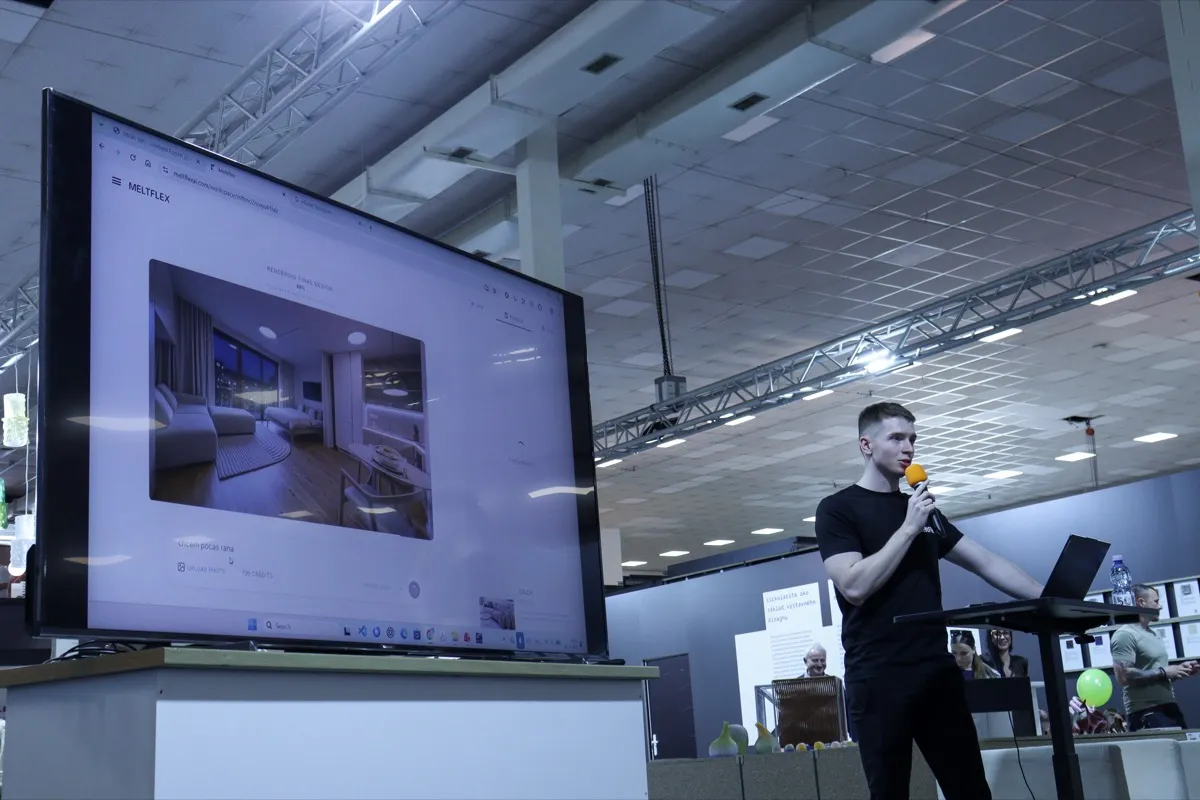
The two of us, Braňo on the left and Matúš on the right, at a startup event in front of a wall of names we grew up reading about. Building from Slovakia, shipping to America.
What began as a two-person project in a small Slovak town now reaches a long way from home. More than 213,000 people around the world have used MeltFlex to reimagine their homes, from a first apartment in Bratislava to a brownstone in Brooklyn.
FreeUpload photo · freeRedesign my room for freeUpload a photo and let MeltFlex design your space. Your first AI design is free, no card needed.
From a Slovak grant to American living rooms
We did not set out to build something for the US. We set out to solve a problem we both kept running into from opposite directions. Matúš came from software engineering, computer science at FIIT STU, eight first-place hackathon wins, and a Student of the Year award. Braňo came from the other side of the table entirely: eight years working with property developers in London and a Real Estate Masters from LSE, watching buyers struggle to picture an empty flat as a home.
The idea started small, funded by a modest grant from the Tatra Banka Foundation, shown off at SlovakiaTech and on Slovak national television. It would have been easy to stay a local project. But the moment we put MeltFlex online, something we did not plan for happened: the people who kept coming back were American. Realtors staging listings. Homeowners deciding between two sofas. People furnishing a first apartment who did not want to spend $3,000 on a designer to find out the couch was too big.
So we leaned into it. Today MeltFlex runs full-time, the furniture comes from the retailers Americans actually shop, and the United States is our biggest market. Two people from Slovakia, quietly furnishing rooms across an ocean.
“We never tried to build an American product. We tried to build an honest one. It turns out honesty travels well.”Matúš Koleják, co-founder of MeltFlex
We got on a plane and sold it in New York
We did not want to be two guys reading American sign-up numbers off a dashboard in Slovakia. So we got on a plane and went to New York, the hardest, most design-literate furniture market in the world, to put MeltFlex in front of the people who do this for a living.

We walked into furniture showrooms, sat down with architects, and demoed the tool to property developers, the three groups whose entire job is helping people picture a finished space. We showed them how a bare room becomes a furnished, shoppable design in twenty seconds, and how the same room restyles into any look with one sentence. The reaction in the room, every time, was the thing that told us we had something real.
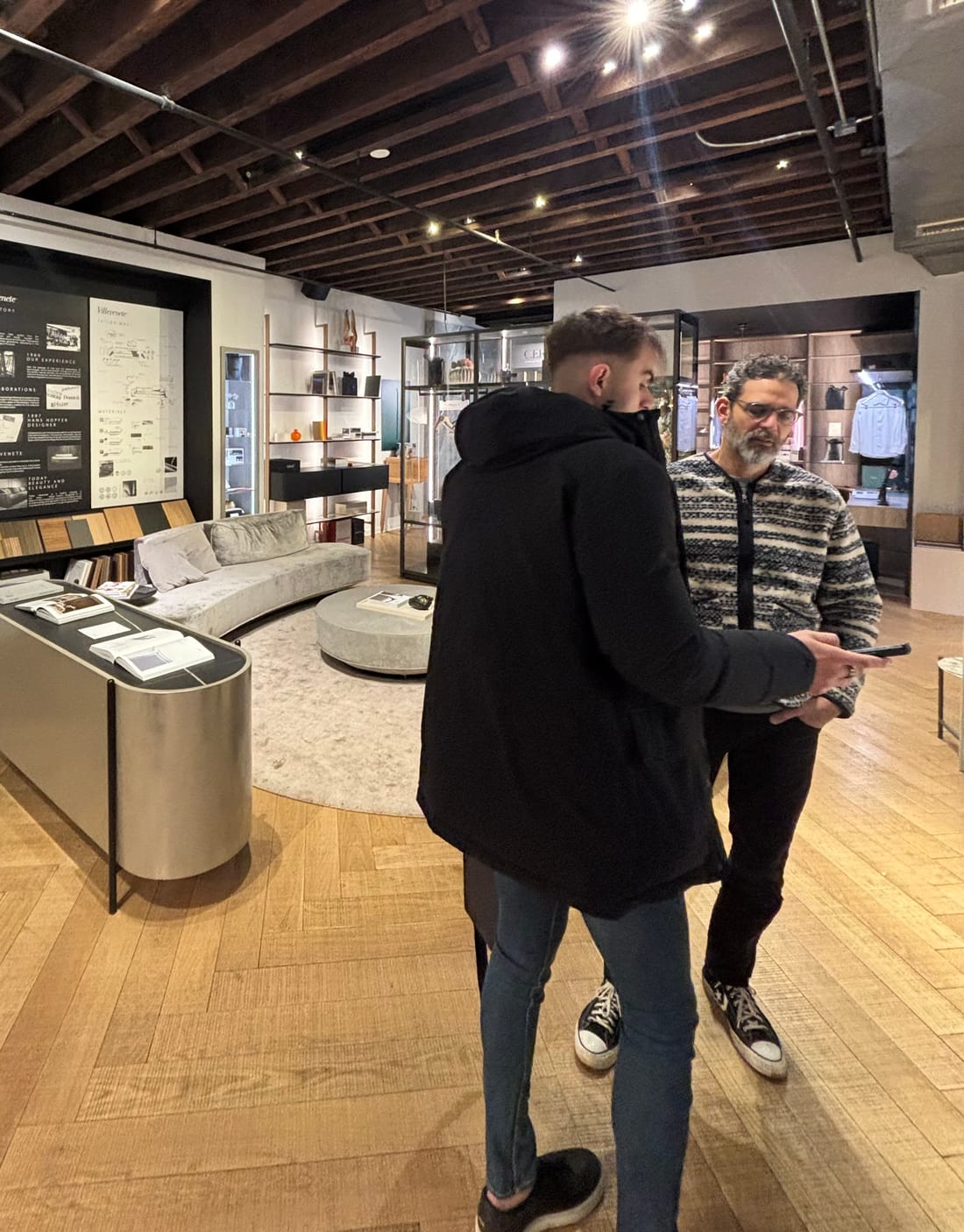

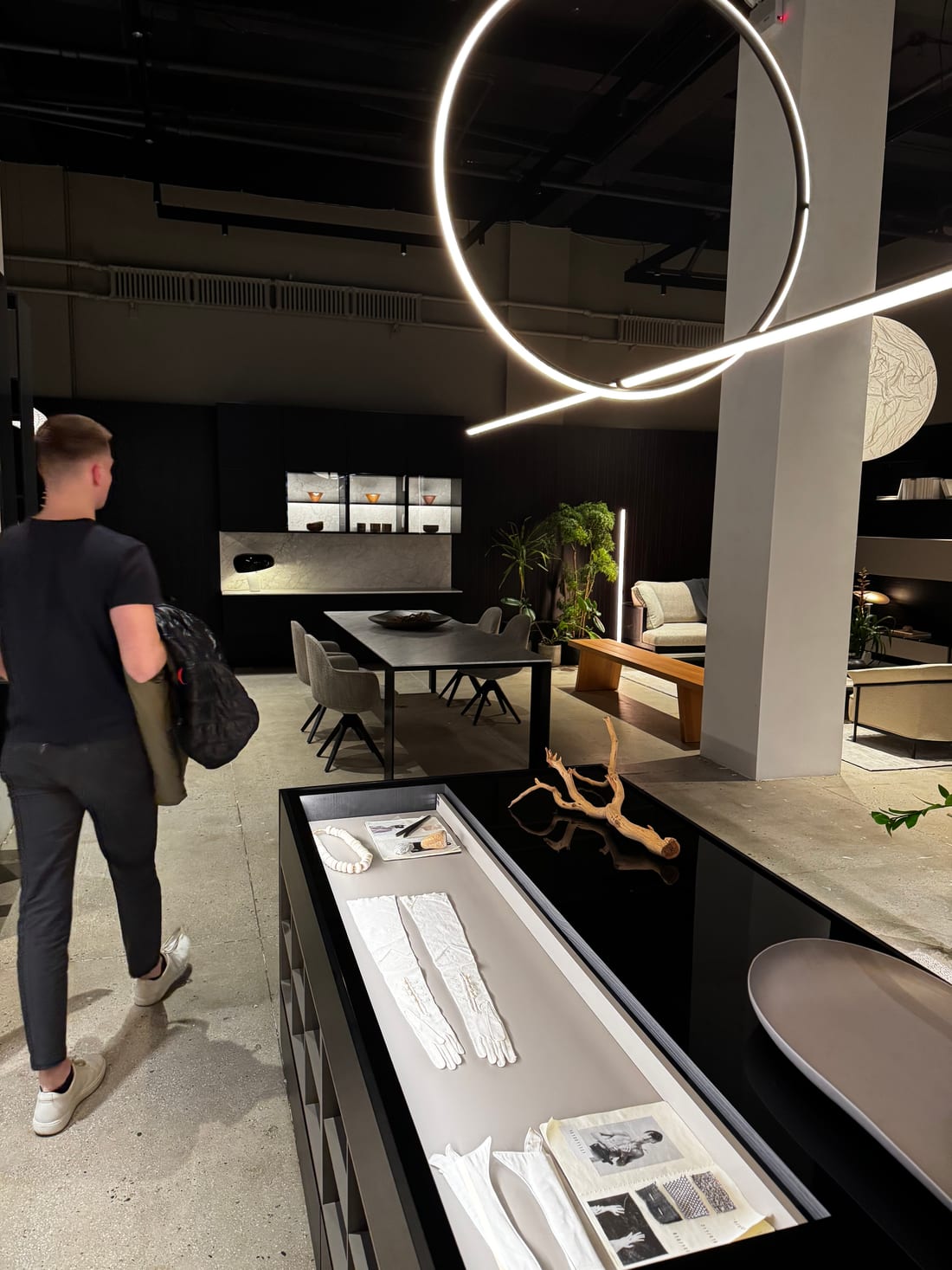
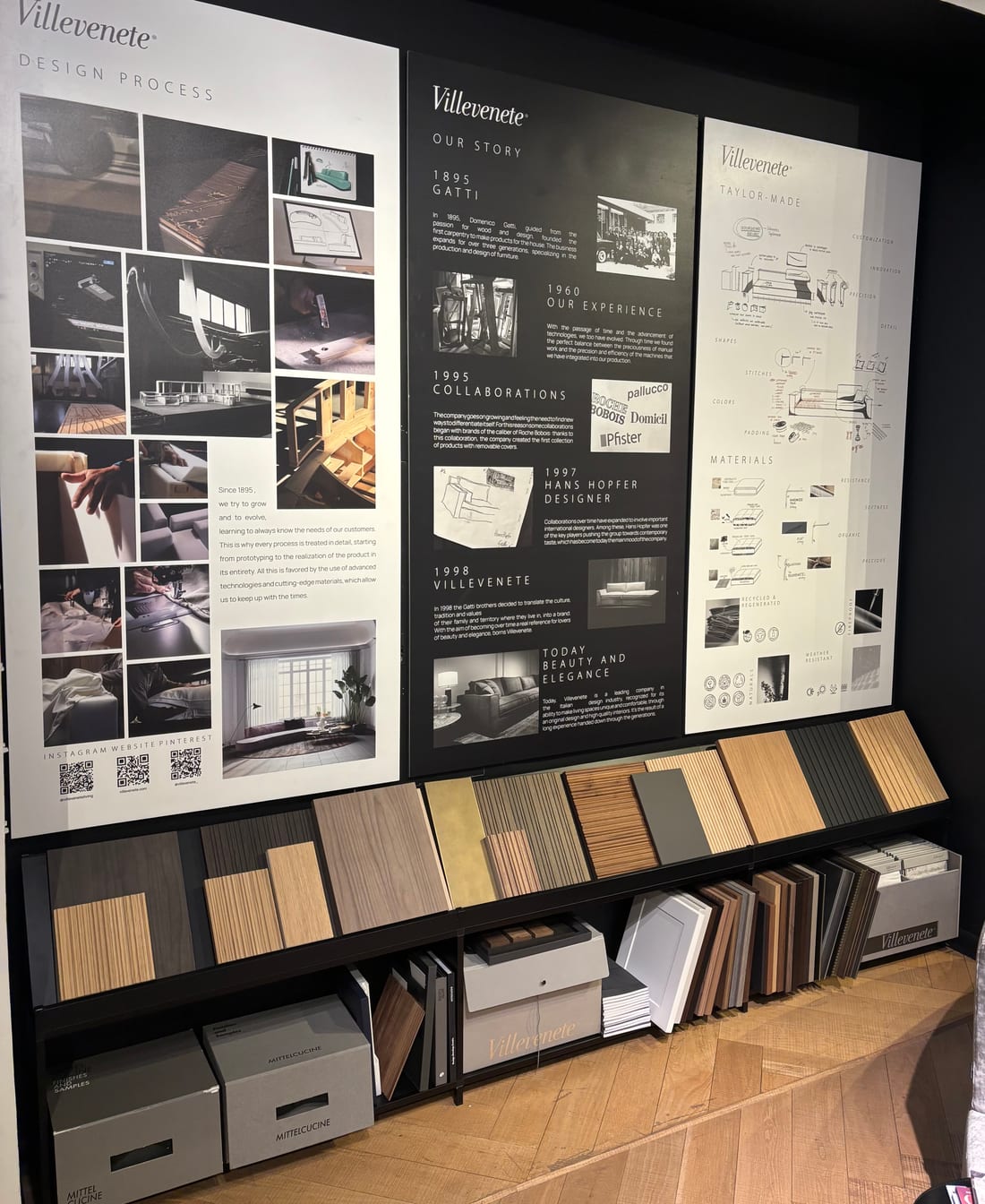
Furniture retailers, architects and developers do not buy nice demos. They buy tools that close sales and save hours. As cofounders, leaving those meetings with real interest from American businesses, not just American downloads, was the moment we knew MeltFlex AI was no longer a side project.
Picture it: an empty room and a pile of furniture
Imagine you just got the keys to a new place, a small one-room studio, and it looks like this. Bare floor, a kitchen on the right, balcony doors on the left, and no idea how any furniture is supposed to fit. Most people stand in an empty room like this with no clue where the bed, the sofa or the table could even go. A blank box.
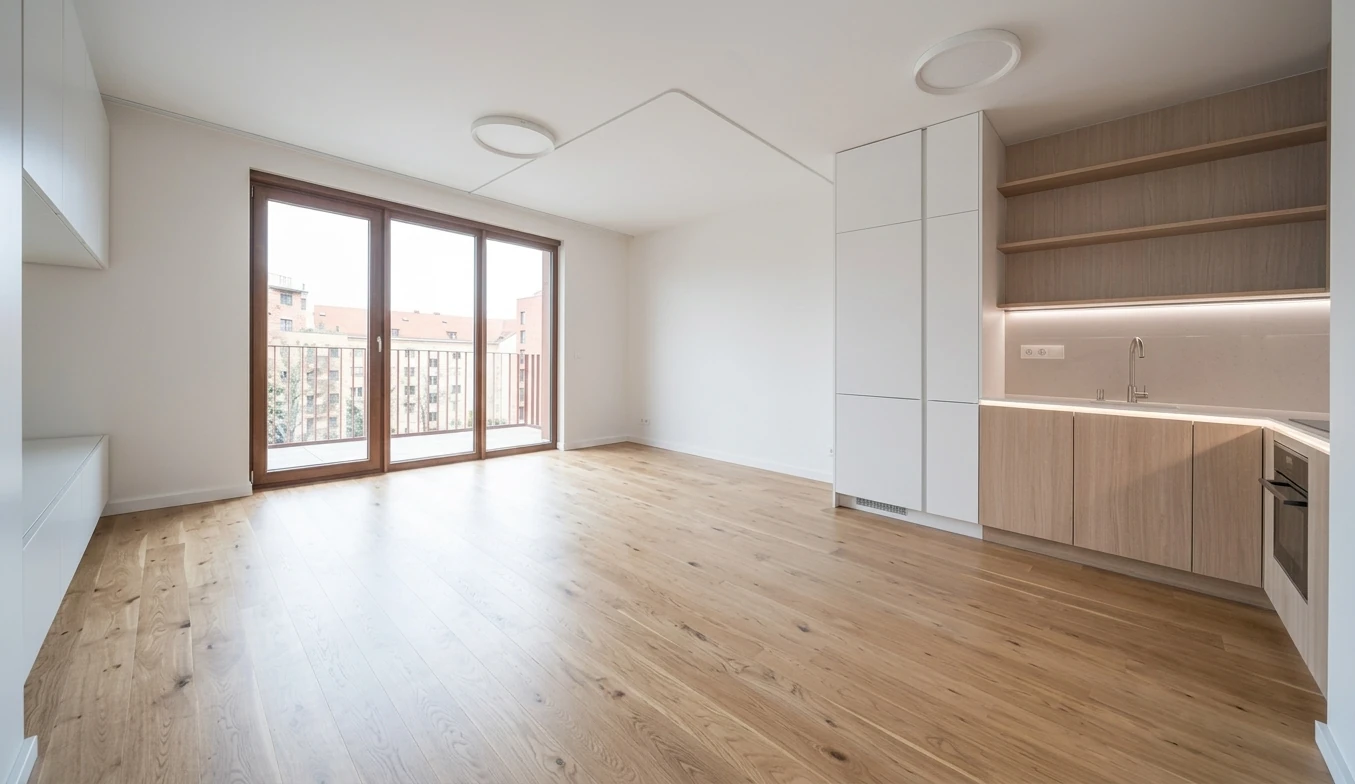
Now imagine you have also been saving furniture you actually like. A modular sofa. An upholstered bed. A dining table. A set of oak chairs. Real pieces, with real prices, sitting in browser tabs and a shopping cart somewhere. The pieces you saved might look something like this.
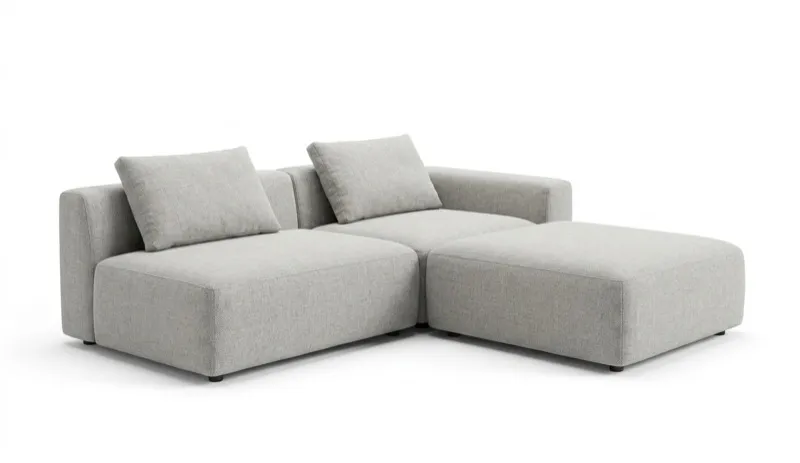
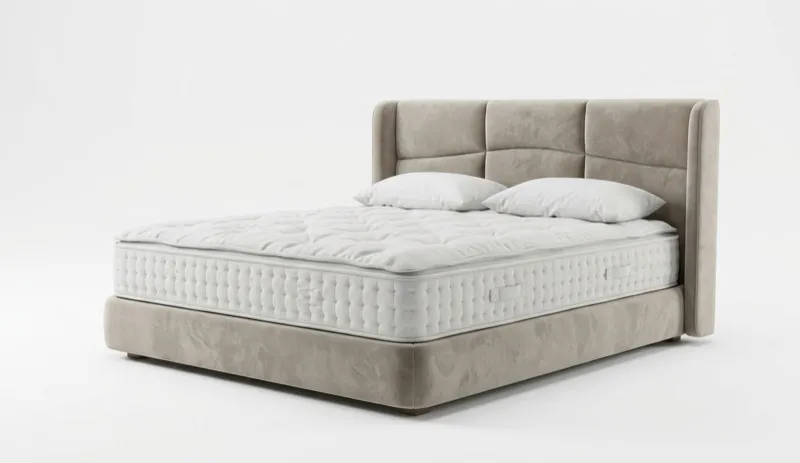
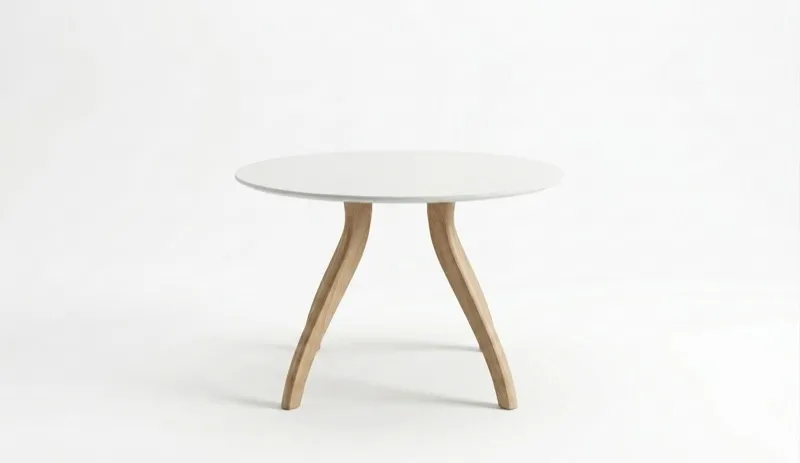
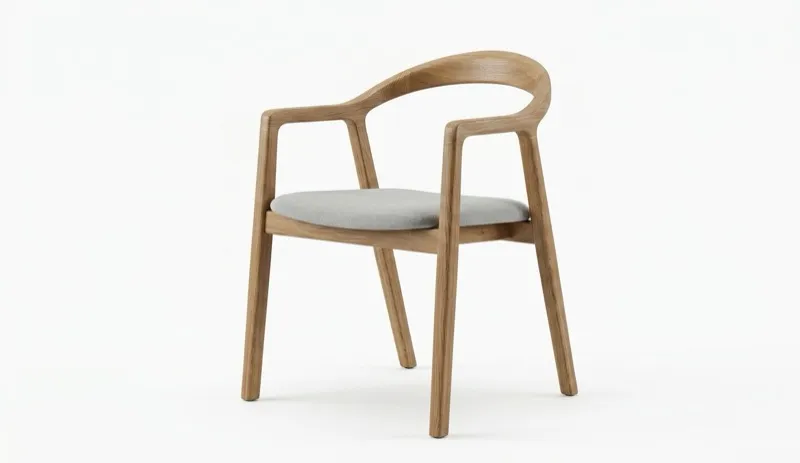
Here is the problem everyone hits. Laid out flat like a catalog, you have no idea how any of it actually looks in your room. Does the sofa swallow the space? Does the bed fit under the window? Will the wood tones fight each other? You cannot picture it, and that uncertainty is exactly why people overspend, buy the wrong size, and end up returning half of it.
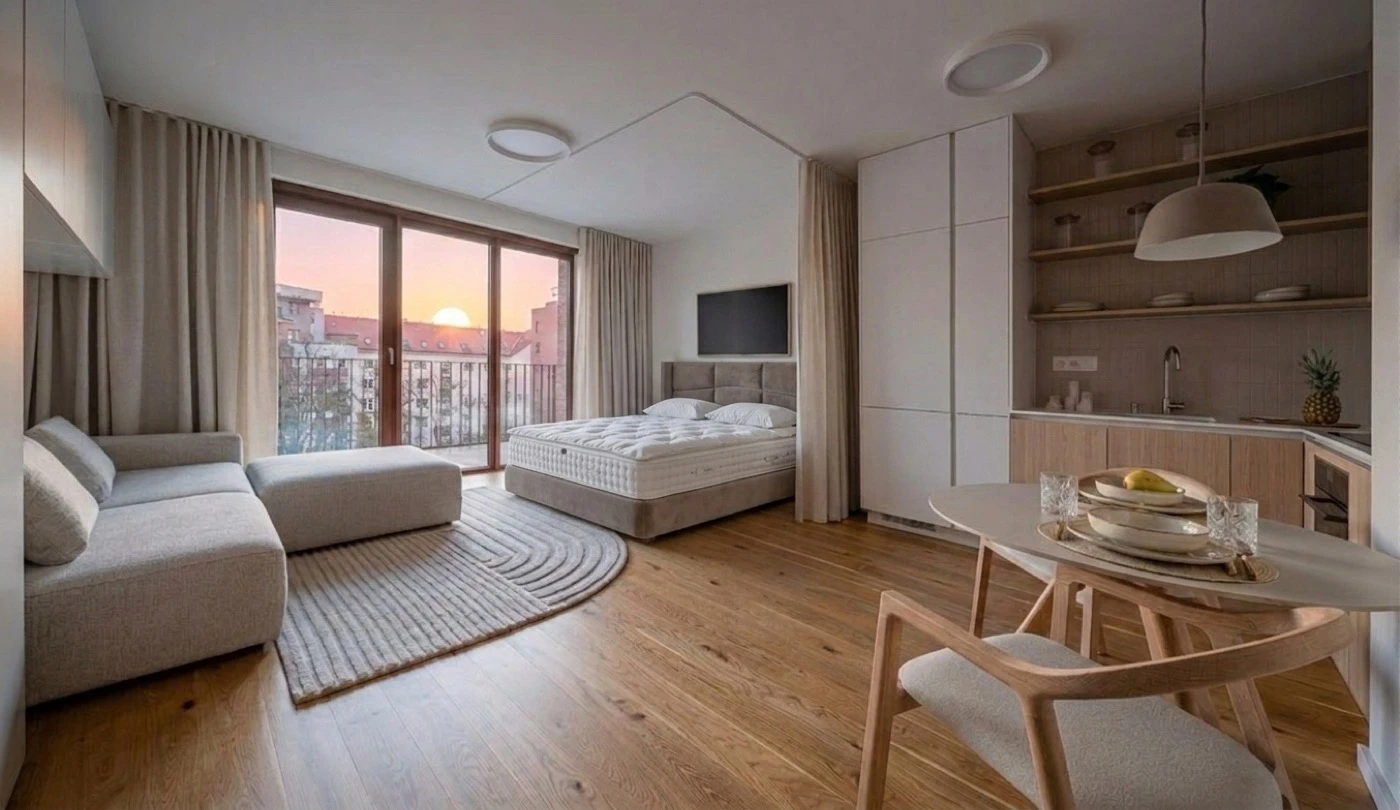
This is the moment MeltFlex was built for. It takes your empty room and the pieces you picked, and it shows you the finished space, photorealistic and to scale, in about twenty seconds. Here is how that exact furniture would actually look in the room.
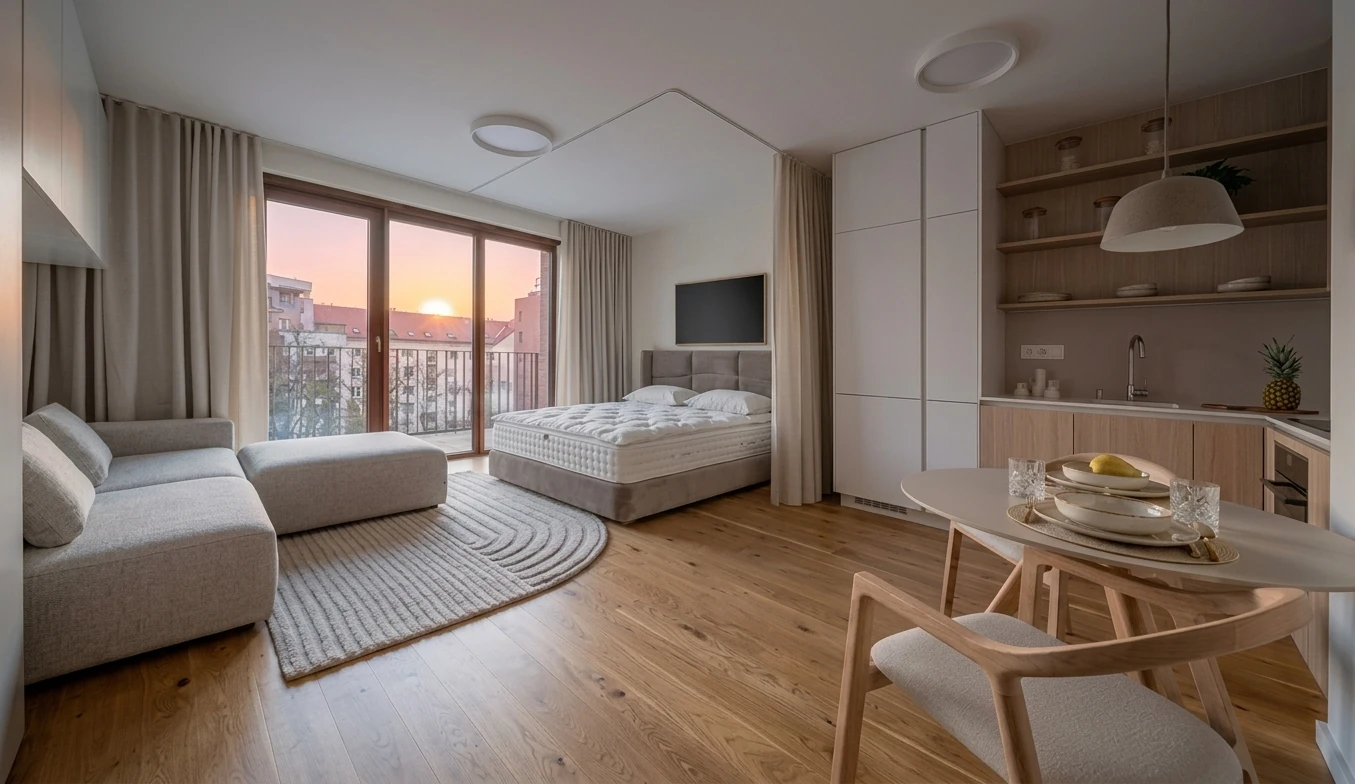
Same windows, same kitchen units, same sunset through the balcony. The modular sofa anchors the seating area, the upholstered bed sits against the wall, the dining table and oak chairs land by the kitchen. Suddenly the blank box is a home you could move into tomorrow.
And here is the part we are most stubborn about. A lot of AI tools generate gorgeous rooms full of furniture that does not exist, so you fall in love with a sofa and then spend a weekend finding out it was never real. We think that is borderline cruel. MeltFlex only uses real, shoppable products, so every single piece in that render maps to something you can actually put in your cart.
And once you can see it, change it with one sentence
This is the part people screenshot and send to their friends. Once your room is furnished, you do not have to start over to try a different look. You take that result and restyle it with a single prompt. Same room, same layout, new soul.
Design this room as Italian contemporary
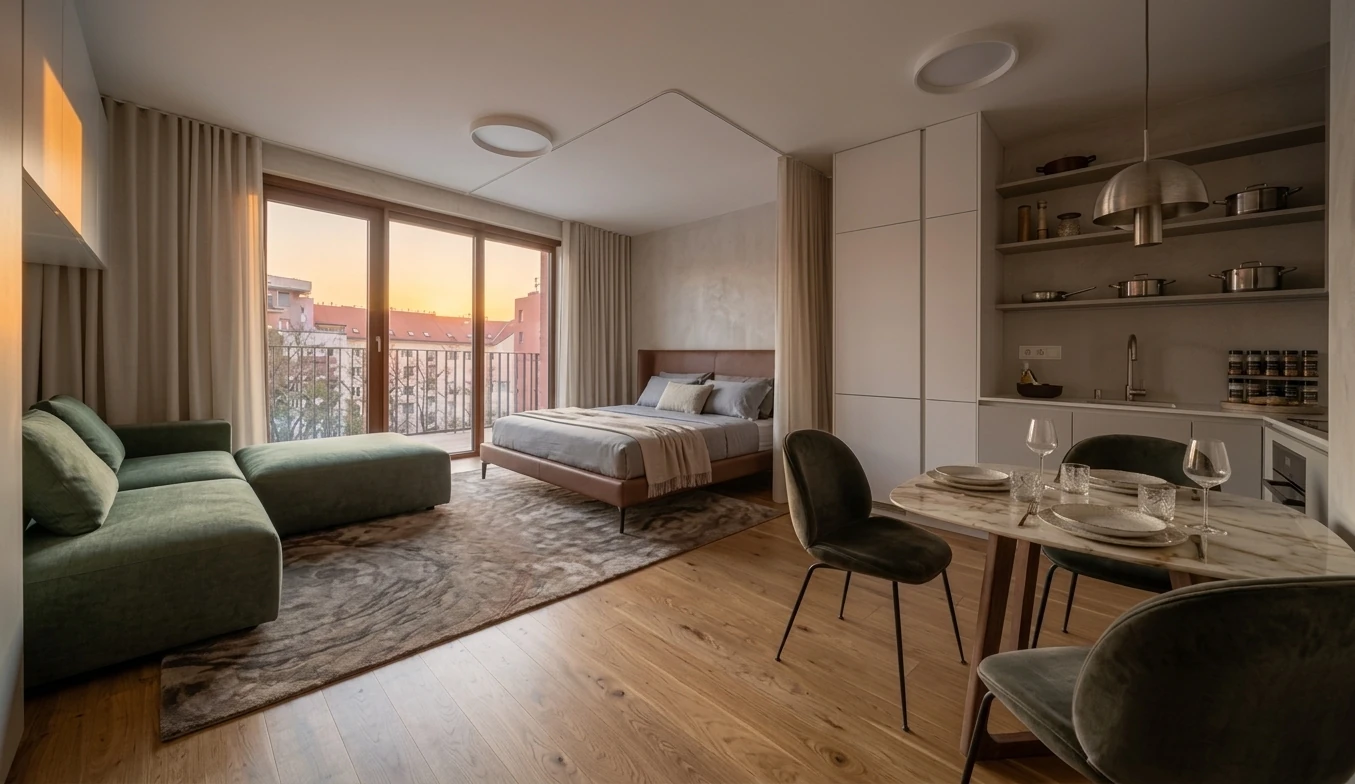
Deeper tones, a moody green sofa, a sculptural dining setup, and the lighting warms up to match. Now watch the same room go the other way.
Design this room as Japanese
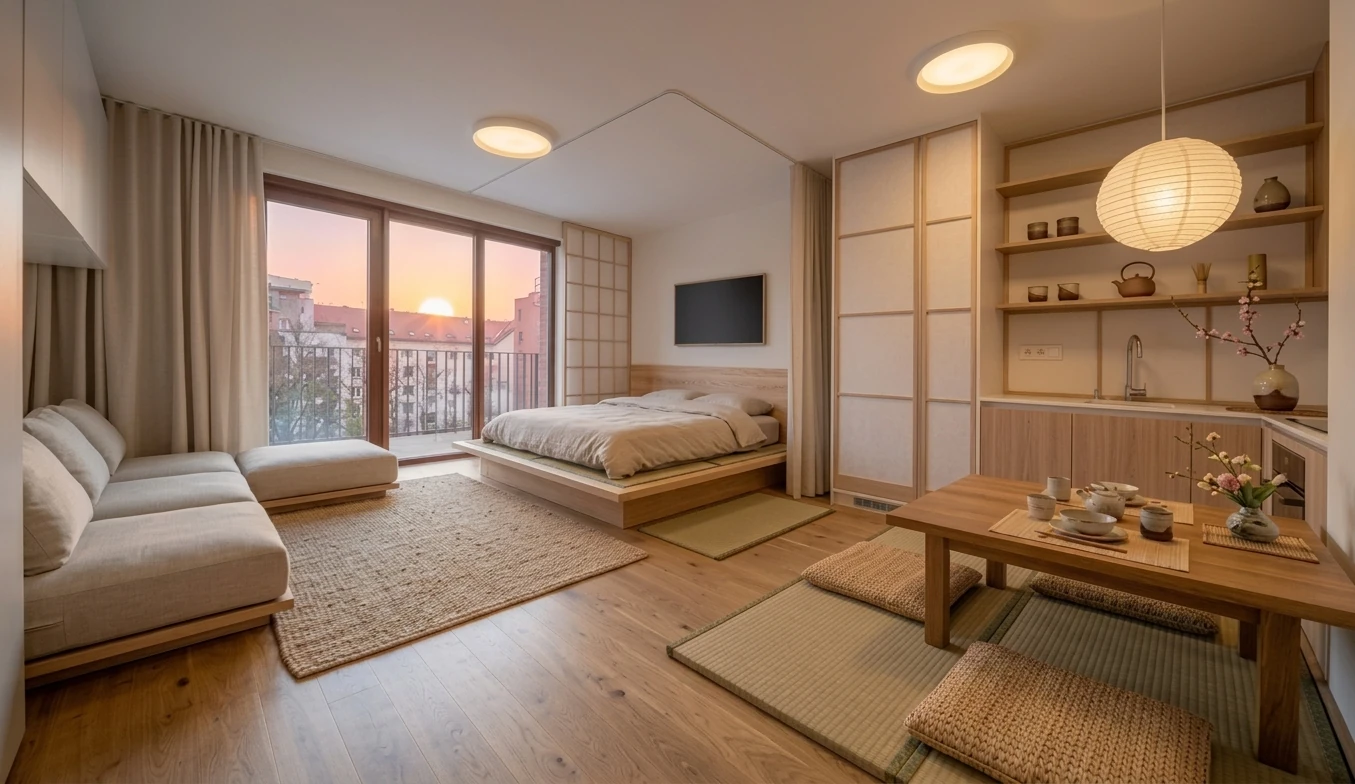
Low platform bed, tatami floor seating, shoji-style screens, a paper lantern overhead. It is unmistakably the same room, the same balcony and kitchen, wearing a completely different style. Being able to A/B test a look this fast, on your actual space, is why people stop comparing Pinterest boards and just start here.
Who uses it, and exactly what for
MeltFlex is not one tool for one person. The same engine solves a different, concrete problem for each group that touches a room before money changes hands.
- Homeowners: before buying a $1,500 sofa, drop in a photo of your room and see that exact sofa in it, at scale. No more guessing the size or returning the wrong piece.
- Realtors and home stagers: stage an empty listing in minutes instead of paying $2,000 or more for physical staging. Staged listings photograph better and sell faster.
- Furniture retailers (like Slovak brand Kondela): let a shopper see your product in their own room before checkout. That means higher conversion and fewer returns on the items that cost the most to ship back.
- Interior designers and architects: turn a client brief into three finished concepts in the time it used to take to render one, then restyle on the spot when the client says “what about warmer?”
- Property developers: furnish entire buildings of off-plan apartments for the sales gallery at a fraction of per-unit staging cost, so buyers see a home instead of a concrete shell.
The same engine runs through the app, an API, a CLI and an MCP server, so any of these teams can plug MeltFlex into their own workflow and stage rooms at scale.
And here is the part that matters for most people. Hiring a real interior designer is wonderful and, for the average person, completely out of reach. They charge somewhere between $75 and $200 an hour, and a single furnished room usually runs $2,000 to $5,000 in design fees alone, before you have bought a single piece of furniture. Not everyone has that kind of money lying around for one room. That is exactly the gap MeltFlex closes: you get the finished, to-scale vision a designer would hand you, in about twenty seconds, for a price anyone can afford.
Trusted by furniture brands and property developers
The clearest proof it earns its keep is who pays for it. And it is not only used abroad, the tool is already used here in Slovakia by exactly these kinds of businesses. Kondela, one of Slovakia’s best-known furniture brands, uses MeltFlex, interior designers lean on it to put concepts in front of clients faster, real estate agencies such as HERRYS use it to present listings, and leading Slovak and Central European residential developers use it to furnish off-plan apartments.





The logic is the same for all of them. For a furniture brand like Kondela, MeltFlex puts its products in the customer’s own room before checkout, which lifts conversion and cuts returns. For developers like YIT Slovakia, JTRE and VI GROUP, a render costs a fraction of the thousands per unit a staging studio charges and ships in seconds, not weeks. Same tool a homeowner uses for one room, pointed at a whole catalog or a whole building.
The whole thing lives at meltflexai.com. You upload one photo of your room, empty or already furnished, and the platform hands back a furnished, photorealistic version built from real, shoppable furniture, then lets you restyle it into any look with a single sentence. It is free to start, no credit card, and the first design is ready in about twenty seconds. If you have a room you cannot picture, that is the page to open.
There is a longer origin story behind all of it, the grants, the hackathons, the awards, but honestly the fastest way to understand what we built is to try it on your own room at meltflexai.com.