
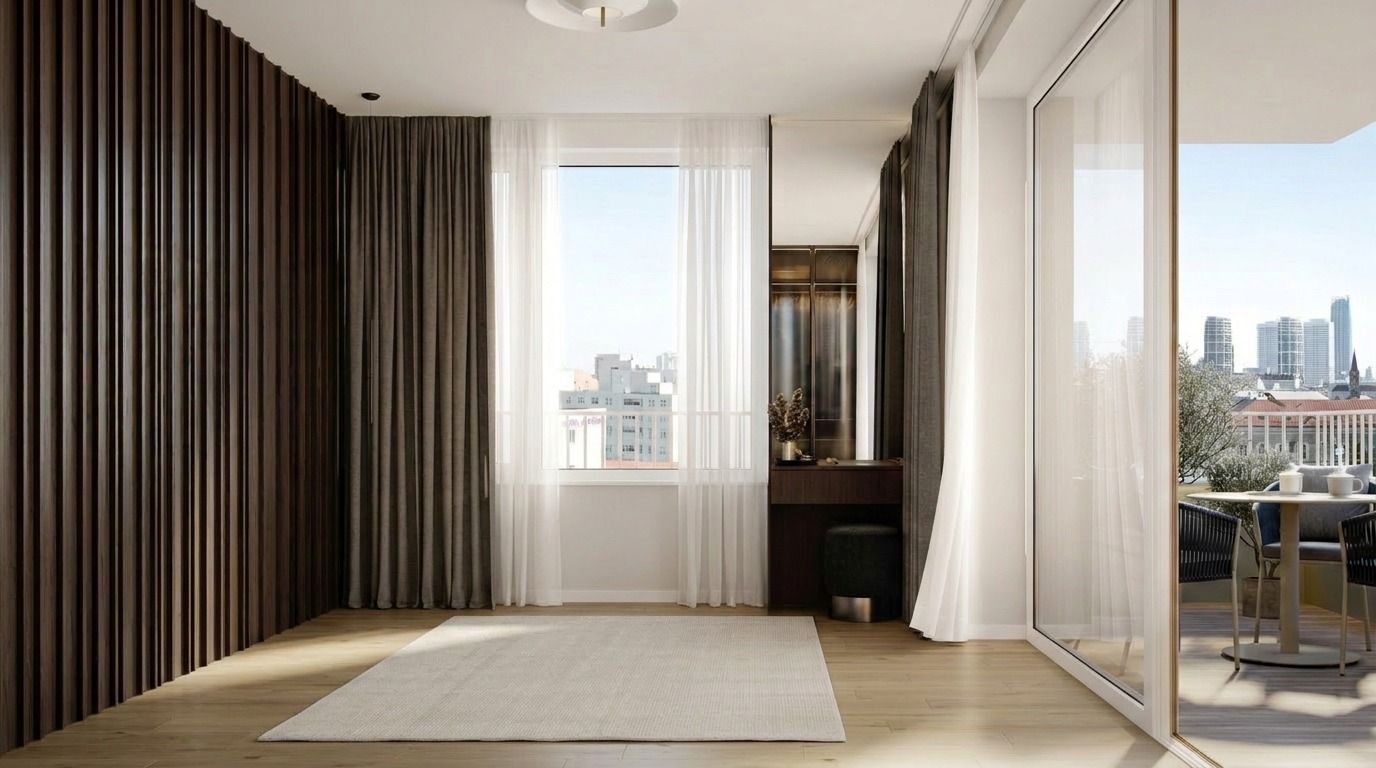
AI virtual staging has turned what used to be a €5,000 logistics operation into something you can do from your laptop in under a minute. Upload a photo of an empty room, pick a style, and get back a photorealistic image of that room fully furnished. No delivery trucks. No furniture rental contracts. No monthly fees.
But physical staging hasn't gone anywhere. Nearly half of sellers' agents say staging reduces time on market, and about 3 in 10 report it leads to higher offers. The question isn't whether staging works. It's whether digital staging delivers the same results as putting real furniture in a real room:and when the difference actually matters.
This guide breaks down the real costs, the real data, and the honest trade-offs between virtual and traditional physical staging. No fluff, no sales pitch for either side:just what you need to decide which approach fits your listing, your budget, and your market.
What Physical Staging Actually Involves
Physical staging isn't just "putting furniture in a house." It's a logistics operation.
It starts with a consultation, typically 1–2 hours, where a professional stager walks through the property and creates a plan. They assess each room, decide what needs to go (your family photos, the mismatched bookshelves, the exercise equipment in the dining room) and what needs to come in.
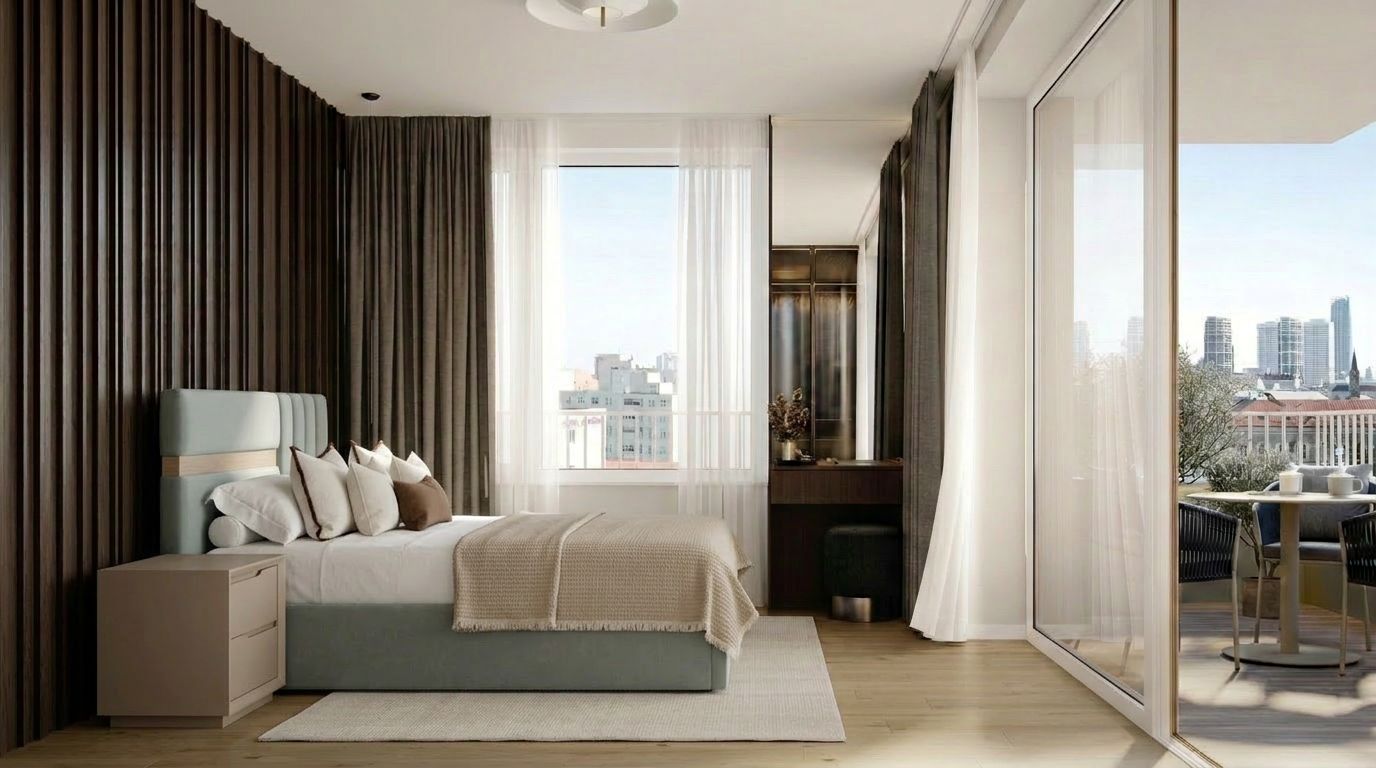
Then comes the actual staging. Furniture gets rented from a staging company or the stager's own inventory. A crew delivers couches, beds, dining sets, rugs, artwork, lamps, throw pillows, and sometimes even fake food for the kitchen counter. Setup takes several hours to a full day for most homes. Larger or luxury properties can take two days.
Here's what most people don't think about: the furniture doesn't stay forever. Rental contracts are typically 30 days. If your home doesn't sell within that window, you're paying an extension fee of 10–30% of the original contract for each additional month. That €3,000 staging job becomes €3,900 after two months.
When the home sells (or when you decide to pull the staging), the same crew returns to remove everything. That's another half-day of logistics to coordinate around showings, inspections, and closing timelines.
It's a real production. For the right property, it's worth every euro. But it's important to understand what you're actually signing up for.
What AI Virtual Staging Looks Like in 2026
The technology has changed dramatically in the last two years. Early virtual staging:even as recently as 2023:was often easy to spot. Furniture looked pasted in. Shadows went the wrong direction. Scale was off. It looked like someone used Photoshop with enthusiasm but not skill.
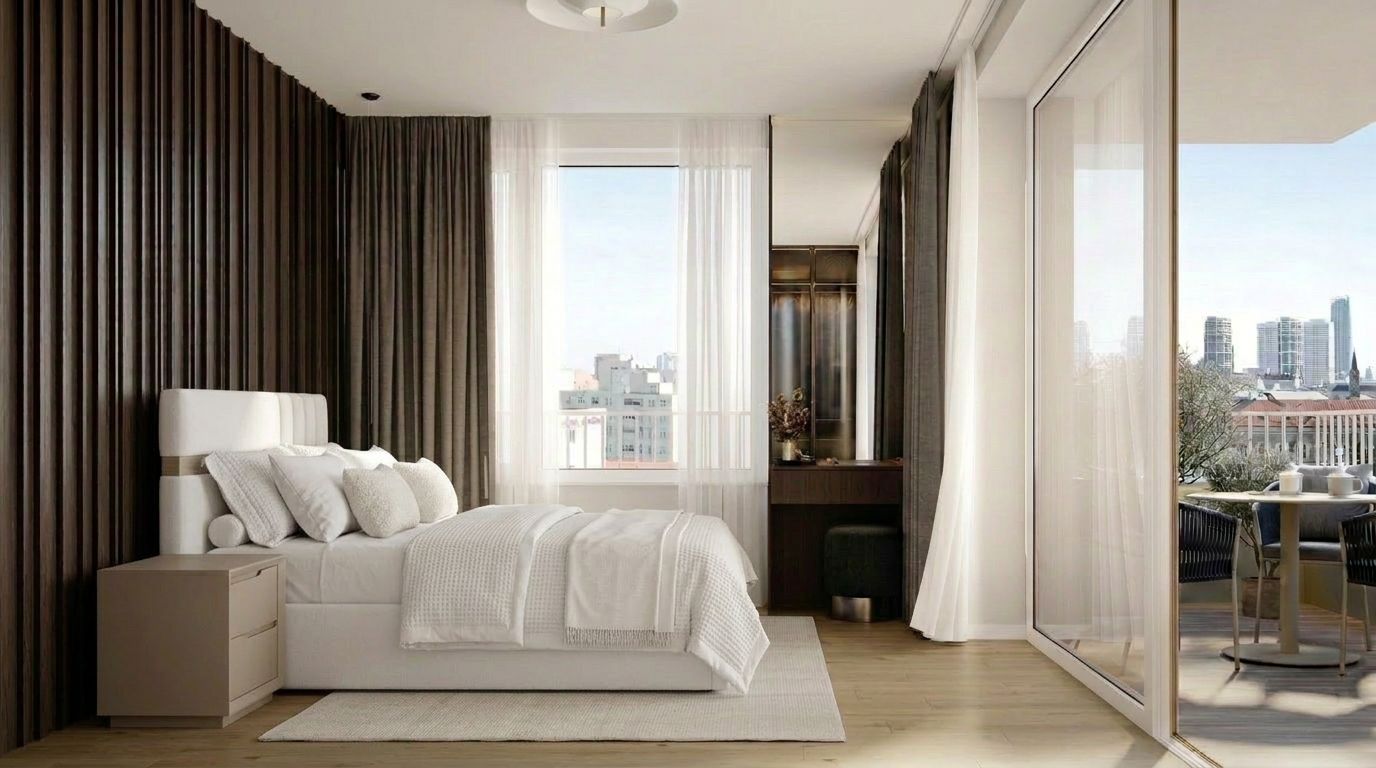
Today's digital staging technology is a different story entirely. Modern tools like MeltFlex use advanced AI to generate photorealistic images where furniture, rugs, artwork, and decor are placed with accurate perspective, lighting direction, and spatial proportions.
AI-Powered Virtual Staging
You upload a photo of an empty room, select a style (modern, Scandinavian, mid-century, farmhouse — whatever fits the listing), and the AI produces a photorealistic image with furniture placed appropriately in seconds.
- Cost: €5–€25 per photo. A full listing (5–8 photos) runs €25–€200.
- Turnaround: Seconds to minutes.
Designer-Based Virtual Staging
A human designer manually places furniture into your photos using professional editing software. The results are typically more polished and intentional. A designer can match specific furniture brands and handle tricky angles that AI sometimes struggles with.
- Cost: €50–€150 per photo. A full listing runs €250–€1,200.
- Turnaround: 24–48 hours.
Many services now combine both: AI generates the initial staging, then a designer reviews and refines. This hits a middle ground on cost and quality.
The Real Cost Breakdown
Numbers don't lie, but they do need context. Here's what each approach actually costs for a typical 3-bedroom listing, based on 2025–2026 industry data:
Physical Staging Costs
| Line Item | Typical Range |
|---|---|
| Initial consultation | €150–€600 |
| Staging + furniture rental (first month) | €3,000–€6,000 |
| Monthly extension (after 30 days) | +10–30% of original contract |
| Luxury property staging | €5,000–€10,000+ |
| Per-room average | €300–€700/room |
AI Virtual Staging Costs
| Line Item | Typical Range |
|---|---|
| AI virtual staging per photo | €5–€25 |
| Designer virtual staging per photo | €50–€150 |
| Full listing (5–8 photos, AI) | €25–€200 |
| Full listing (5–8 photos, designer) | €250–€1,200 |
| Monthly fees | None (one-time cost) |
The Compounding Factor
This is the part that makes the math really diverge. Physical staging is a recurring cost. Virtual staging is a one-time expense.
If a home sits on the market for 3 months with physical staging, you might spend €5,000–€8,000 total. The virtual staging version costs the same €100 whether the home sells in a week or six months.
For agents managing multiple listings simultaneously, this difference multiplies fast. Staging five properties physically could easily run €15,000–€25,000 at any given time. Virtually staging the same five properties costs under €1,000 total.
What the Data Says About Selling Impact
Here's where the conversation gets more nuanced than most articles admit.
The NAR 2025 Profile of Home Staging is the most comprehensive industry report on staging effectiveness. The key findings:
- 83% of buyer's agents said staging makes it easier for buyers to visualize a property as their future home
- 49% of sellers' agents said staging reduced time on market
- 29% of agents reported staging led to 1–10% higher offers
- The living room was the most important room to stage (37%), followed by the primary bedroom (34%) and kitchen (23%)
Separately, the Real Estate Staging Association (RESA) found that homes staged before listing spent 73% less time on the market compared to non-staged properties.
The Honest Caveat
Most of this data measures staging broadly. It doesn't cleanly separate virtual staging from physical staging. When an agent says "staging helped sell the home faster," they might mean a €200 virtual staging job or a €5,000 physical staging project. The data lumps them together.
One important insight: the first impression happens online. According to NAR, 97% of homebuyers use the internet to search for homes. If the listing photos don't grab attention, buyers never schedule the showing. Virtual staging wins the online battle. Physical staging wins the in-person battle. Which one matters more depends entirely on the property, the market, and the buyer.
Where Physical Staging Still Wins
Let's give physical staging its due. There are situations where it's not just better — it's necessary.
Luxury and High-End Properties
Buyers spending €1 million or more expect a curated in-person experience. They're not making a €1.5M decision based on photos. They want to sit on the sofa, feel the space, experience the proportions. For these properties, physical staging is a marketing cost that pays for itself.
Open Houses in Competitive Markets
In hot markets where multiple offers are common, the open house becomes a performance. Physical staging sets the emotional tone. Buyers walk in and immediately project their life into the space. That's harder to achieve with empty rooms, even if the online photos were virtually staged.
Unusual Layouts
Some homes have quirky floor plans that confuse buyers. A room that's technically 15×20 can feel like a hallway if it's empty. Physical staging solves this by showing exactly how a king bed fits, where a dining table goes, and that yes, a full-size sectional works in that oddly-shaped living room.
Where AI Virtual Staging Has the Clear Advantage
Digital staging isn't just "physical staging but cheaper." It has genuine advantages that the traditional approach can't match.
Speed to Market
In a market where timing matters, waiting 5–7 days for staging coordination is a real cost. Virtual staging can have your listing photos ready in seconds with tools like MeltFlex. For agents who need to get a property live immediately, this is a significant edge.
Multiple Style Options
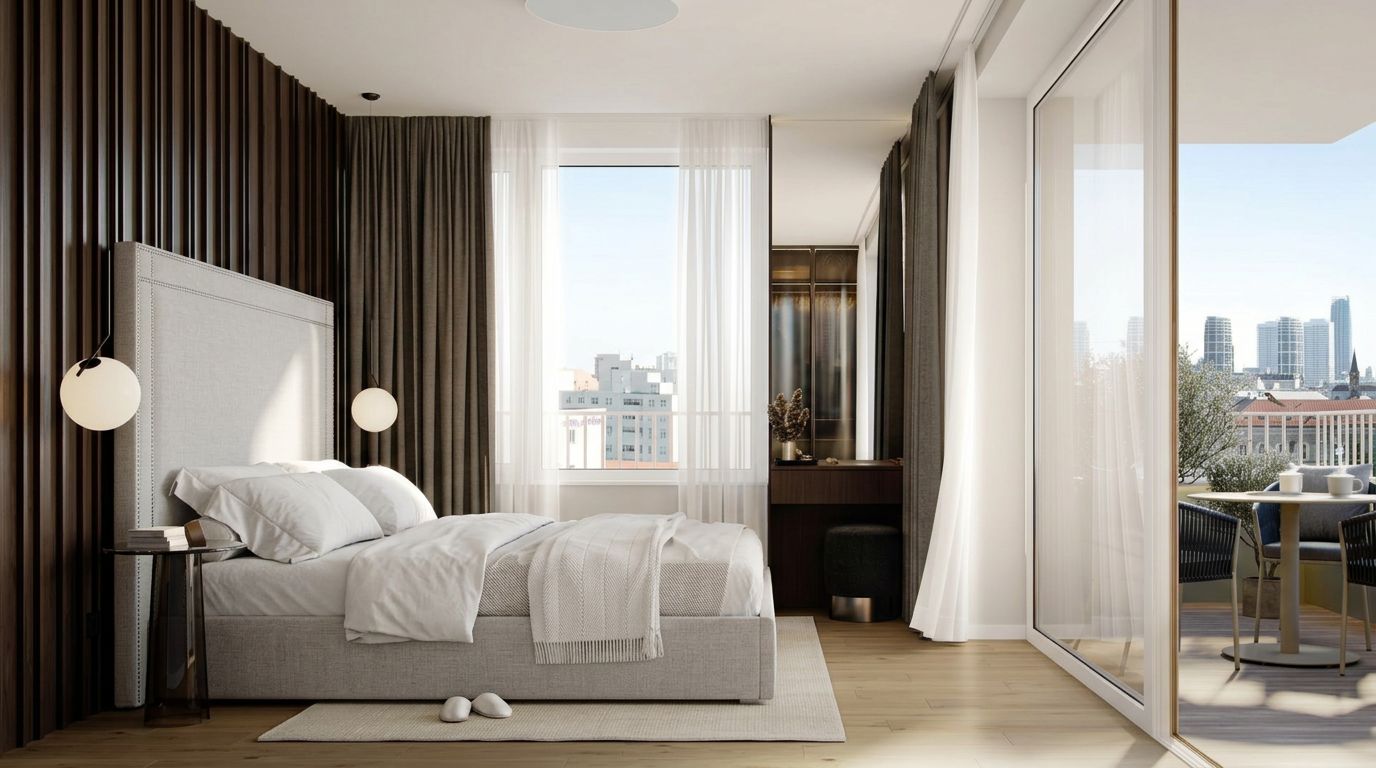
Want to show the same living room styled for young professionals AND families? Physical staging means choosing one direction. Virtual staging lets you create multiple versions:modern minimalist, cozy farmhouse, mid-century:and test which resonates with your target buyer pool.
For style inspiration, check out our guide to the 8 most popular interior design styles.
Volume Listings
An agent managing 8–10 active listings can't physically stage them all. The cost would be €30,000–€50,000 at any given time. Virtual staging makes it possible to present every listing with furnished photos, not just the expensive ones. This consistency improves your brand and gives every seller equal marketing treatment.
Occupied Homes with Dated Furniture
Some sellers have furniture that's… not helping. The floral couch from 1997. The dark wood entertainment center that dominates the living room. Physical staging means asking the seller to remove everything:an awkward and expensive conversation.
Virtual staging can digitally remove existing furniture and replace it with updated pieces using tools like AI room redesign. The seller doesn't need to move a thing, and the listing photos show the home's potential without the baggage.
The Hybrid Approach: Best of Both Worlds
The either/or framing is actually a false choice. Many of the most effective agents use both.
The strategy: AI virtual staging for all online listing photos (because that's where 97% of buyers start their search), plus selective physical staging for 1–2 rooms that matter most during in-person showings. Usually that means the living room and the primary bedroom.
This approach captures attention online at low cost, then delivers the emotional punch in person where it counts. You're spending €3,000–€5,000 on physical staging instead of €6,000–€10,000, because you're only staging key rooms rather than the entire home.
It also solves the "expectation gap" problem. If every photo is virtually staged but the buyer walks into empty rooms, the disconnect can feel like a bait-and-switch. When the key rooms are physically staged, the in-person experience matches the online promise.
AI Virtual Staging Isn't Magic: Know the Limitations
The Expectation Gap
This is the biggest risk. A buyer falls in love with the warmly staged photos, schedules a showing, and walks into an empty room with scuffed hardwood and dusty blinds. That emotional whiplash can kill a deal faster than no staging at all.
The solution: always disclose that photos are virtually staged. Include unstaged photos in the listing alongside the staged versions. And keep the property clean, well-lit, and presentable for showings.
Quality Varies Wildly
Not all virtual staging is equal. Cheap AI tools can produce results where furniture floats above the floor, shadows are inconsistent, or the style doesn't match the home's architecture. Bad virtual staging looks worse than no staging because it signals laziness.
This is why choosing the right tool matters. MeltFlex produces photorealistic results with accurate lighting and perspective:and lets you iterate with different styles until the result matches the property perfectly.
Disclosure Is Non-Negotiable
Most MLS systems require disclosure of virtually staged photos. Failing to disclose isn't just unethical:it's a fast path to violations, fines, and reputation damage that's hard to undo. Always label virtually staged images clearly.
It Only Works for Photos
Virtual staging improves your online listing presence. It does nothing for the physical showing. If in-person experience matters for your listing (and for most properties it does), virtual staging alone won't close the deal. This is why the hybrid approach makes sense for many agents.
Beyond Staging: Renovation Visualization
There's a third scenario that neither virtual staging nor physical staging addresses well: the property that needs work.
Maybe the kitchen has cabinets from 1992 and laminate countertops. Or the bathrooms have pink tile and brass fixtures. The home is structurally fine, priced reasonably, but buyers walk in and only see euro signs in renovation costs.
Renovation visualization takes photos of the existing space and shows what it could look like with updated finishes:new cabinets, modern countertops, contemporary fixtures — without any physical work. Buyers can see the potential instead of just the problems.
Tools like MeltFlex can handle this through AI room redesign from a photo, showing buyers a realistic preview of what the space could become.
How to Decide: A Simple Framework
Instead of arguing which is "better," ask yourself these questions:
| Question | If yes… |
|---|---|
| Is the property above €750K in a competitive market? | Consider physical staging for key rooms |
| Managing 3+ active listings simultaneously? | Virtual staging makes more financial sense |
| Unusual layout that confuses buyers? | Physical staging helps them understand the space |
| Need listing photos within 48 hours? | Virtual staging is your only option |
| Occupied home with dated furniture? | Virtual staging can digitally replace it |
| Frequent open houses planned? | Physical staging creates stronger in-person impact |
| Property needs cosmetic updates? | Renovation visualization may be more valuable |
| Staging budget under €500? | Virtual staging is the clear choice |
For most agents handling a mix of listings across different price points, the practical answer is: default to digital staging for online photos on every listing, and add physical staging selectively for higher-value properties where in-person showings will make or break the sale.
Real Results: 7 Agents, 30 Days of AI Staging
Industry averages are one thing; controlled results are another. We gave 7 real estate agents across different markets (starter, suburban, and upper-mid) access to AI staging for 30 days and compared their staged listings against their own recent unstaged ones.
- 74% more showing requests in the first 14 days (range 45%-120% — every agent saw a gain).
- 38% faster sales: 18 days to accepted offer on average vs. 29 days for the same agents' unstaged listings.
- 52% more online views in the first 7 days on Zillow, Realtor.com, and local MLS.
- Sale price +1.2% vs. asking (vs. -0.3% unstaged) — but with this sample size this difference is not statistically significant. Staging clearly drives speed and engagement; its effect on final price needs more data.

Cost per listing during the test ran $50-$200 for all rooms across multiple style tests, against physical-staging quotes of $2,500-$5,000 per property. If $100 of AI staging sells a home 11 days faster, the seller saves roughly $1,500-$4,000 in carrying costs alone — a 15-40x return. The lesson agents repeated: stage the living room first (it is the cover photo and drives most of the click-through), match the style to the buyer, and always add a "virtually staged" disclosure.
Conclusion
The staging debate isn't really about virtual vs. physical. It's about matching the right tool to the right situation.
Physical staging creates an emotional, in-person experience that can tip a buyer from "interested" to "making an offer." For luxury homes, open houses, and properties with unusual layouts, that physical presence is hard to replace.
AI virtual staging wins on speed, cost, and scale. For agents handling multiple listings, for properties that need to go live fast, and for occupied homes where the current furniture isn't doing anyone any favors, it's the practical choice that delivers real results at a fraction of the cost.
The smartest agents don't pick sides. They use virtual staging for every online listing and add physical staging where the in-person experience matters most.
Try MeltFlex free:upload a photo of any empty room and get a photorealistic staged image in under 30 seconds. Browse real furniture from real brands and see exactly what each piece looks like in your space before you buy.
For more, explore our guides on AI virtual staging for real estate, trying furniture before buying with AI, and the best AI interior design tools compared.

