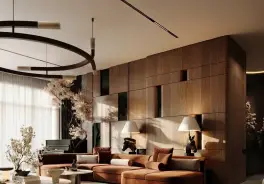
You walk into your living room and something is just… off. You cannot point to it. The furniture is fine, the colours are fine, you spent real money on the sofa, and yet the room never quite feels finished or calm or cosy the way the ones in photos do. It is one of the most common and most frustrating feelings in a home, precisely because you cannot name the problem.
Our articles are still written by humans!
Get human written articles in your Google feed.
Here is the good news, and it is genuinely good news: a room feeling off is almost never about taste or money. It is almost always one of five specific, boring, fixable things working against each other. Once you can see them, you cannot unsee them, and most of the fixes cost nothing but an afternoon of moving things around. Let us diagnose your room.
The five usual culprits
- The rug is too small. The fastest, most common offender.
- Everything is pushed against the walls. The room reads as a waiting area.
- There is only one light, the ceiling. Flat and cold, especially at night.
- The scale is off. Art too high, lamp too small, proportions fighting each other.
- There is no focal point. Your eye has nowhere to land.

A 30-second self-diagnosis
Stand in the doorway, where you first see the room, and ask three questions. Where does my eye land first? If the answer is “nowhere, it just drifts”, you have a focal-point problem. Does the furniture feel connected, like a group, or scattered like strangers at a bus stop? That is layout and rug. And is the light coming from one bright source overhead, or from several soft sources around the room? Hold those answers while we go through the five.
1. The rug is too small (the number one culprit)
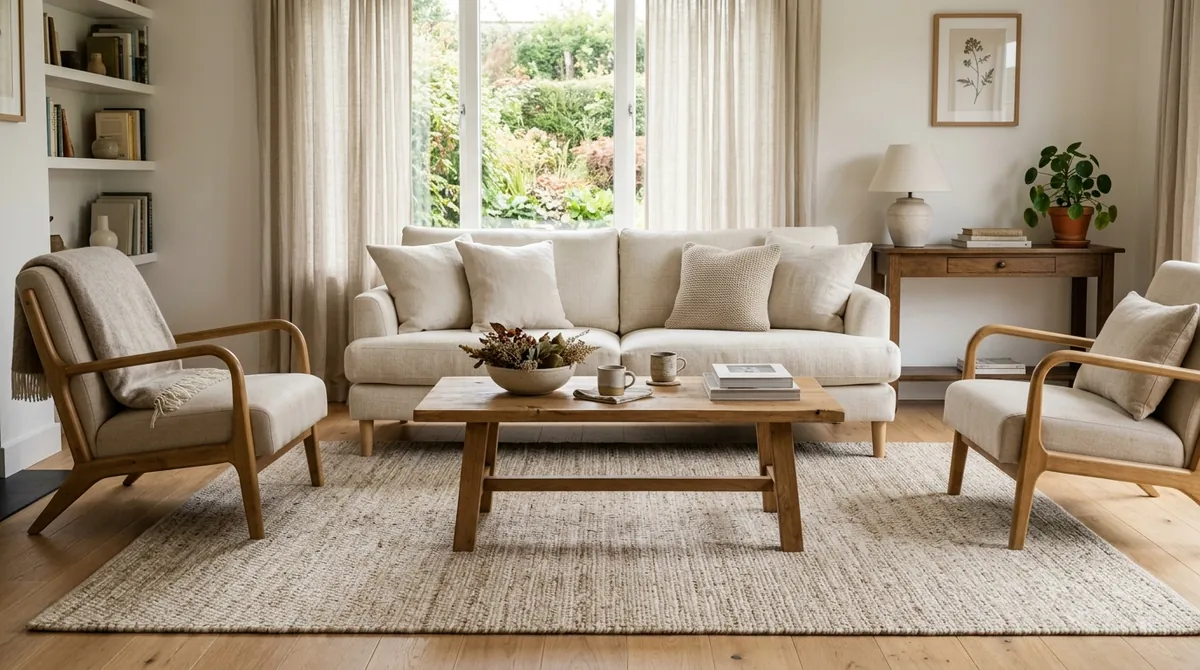
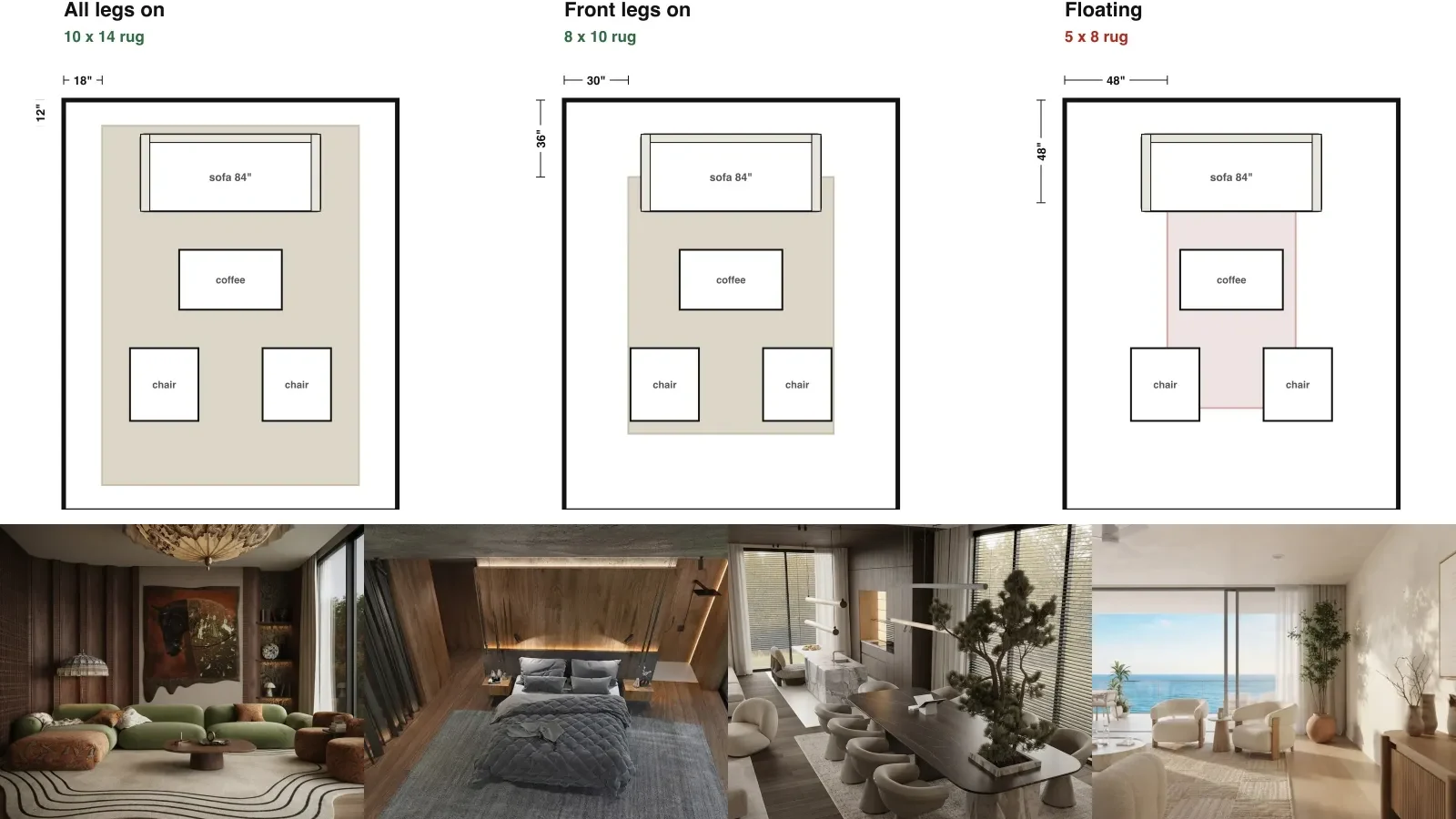
A correctly sized rug pulls the seating into one group. The front legs of every seat sit on it.
If you fix one thing, fix this. A rug that is too small is the single most common reason a living room feels cheap and disconnected, and it is everywhere, because small rugs are cheaper and people buy by price. A little rug floating in the middle of the floor with all the furniture marooned around it chops the room into pieces and makes even nice furniture look accidental.
The fix: go bigger than feels natural. The rule is simple. At least the front legs of the sofa and every armchair should sit on the rug, and the coffee table should sit fully on it. For most living rooms that means an 8 by 10 or 9 by 12 foot rug, not the 5 by 7 that felt safe. Leave roughly 18 to 24 inches of bare floor between the rug and the walls. This one change does more than any cushion ever will.
2. Everything is pushed against the walls
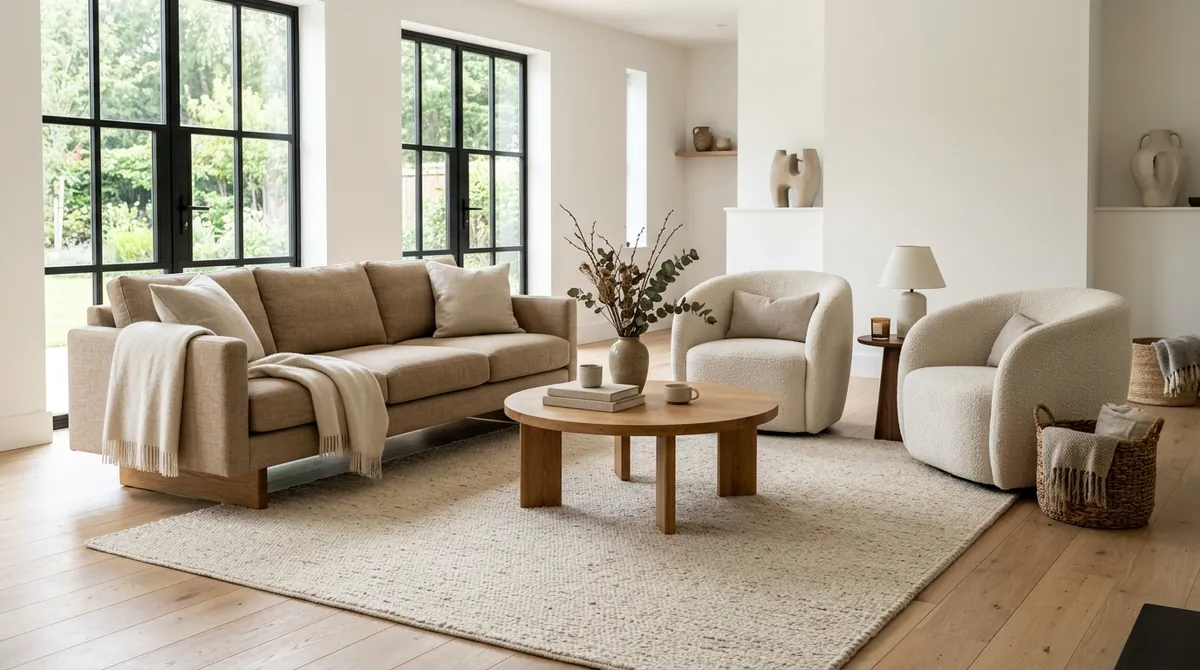
Float the seating into a conversation. Even a few inches off the wall changes how the room feels.
We all do it. We shove every piece flat against the walls, thinking it makes the room feel bigger. It does the opposite. It creates a dead, empty hole in the middle and makes the space feel like a doctor’s waiting room, all backs and no conversation.
The fix: pull the seating in and turn it toward itself. A sofa with two chairs facing it across the coffee table, angled slightly inward, instantly reads as intentional and inviting. You do not need a big room, even floating the sofa a few inches off the wall and adding a console behind it gives the layout depth. Aim for about 14 to 18 inches between the sofa and the coffee table, close enough to reach a cup without leaning. If the room itself is the problem, our guide to arranging living room furniture walks through seven layouts that actually work, and AI living room design prompts covers tight spaces.
3. You only have one light, and it is on the ceiling
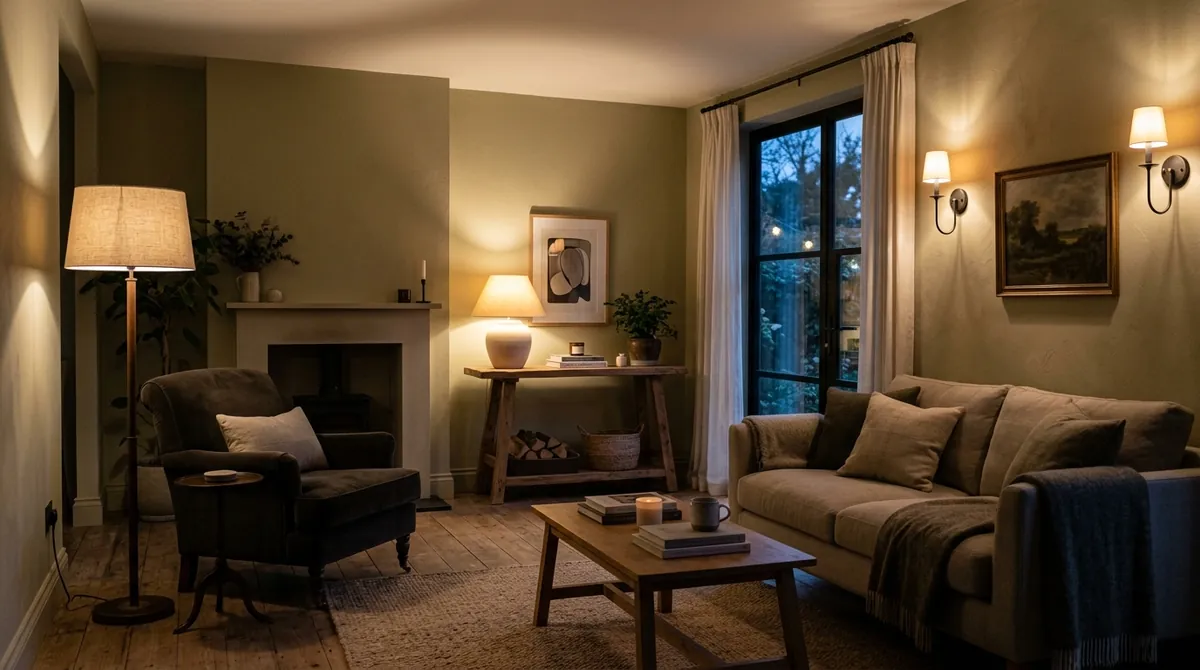
Three layers of warm light at different heights. This is what makes a room feel cosy at night.
This is why your room feels lovely in the afternoon and cold and clinical at night. One bright ceiling light flattens everything and throws hard shadows. Hotels and the rooms you envy never do this. They light from several low, warm sources.
The fix: aim for three layers. Ambient (the general fill), task (a reading lamp by the chair), and accent (a table lamp, a picture light, candles). Practically, that means turning the big light off and switching on two or three lamps at different heights instead. Put them on warm bulbs, around 2700K, and ideally on a dimmer. Soft pools of light at eye level are the whole secret to a cosy room.
4. The scale is off
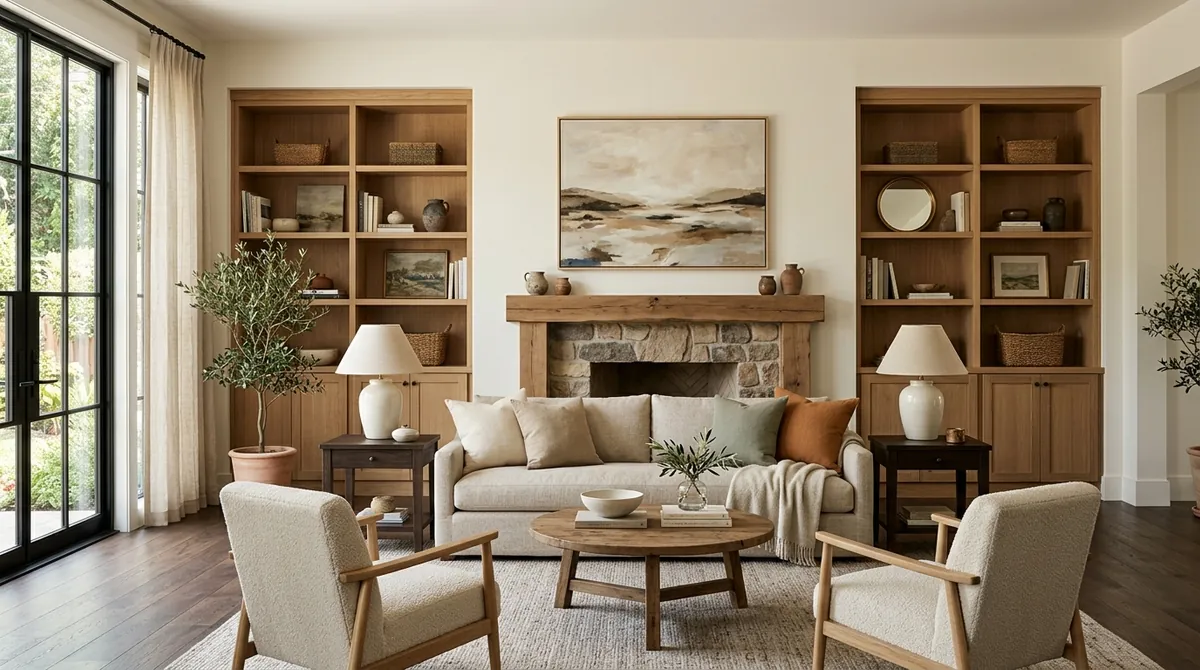
When the scale is right, nothing shouts. Art sized to the wall, lamps to their tables, sofa to the room.
Scale is the invisible one. No single piece looks wrong, but together they feel slightly awkward, and you cannot work out why. It is usually a few small mismatches: a tiny piece of art stranded on a big wall, a lamp too short for its table, a coffee table that disappears next to a deep sofa.
The fix, by the numbers: hang art so its centre sits at 57 to 60 inches from the floor, and above a sofa make it about two thirds the width of the sofa, hung 6 to 10 inches above the back. Keep the coffee table within a couple of inches of the seat height, and the TV centre at seated eye level, roughly 42 inches. Hang curtains high and wide, rod 4 to 6 inches above the window and panels brushing the floor. Suddenly everything relates.
Art is the one people get wrong most often, and it is nearly always too small. Our guide to standard picture frame sizes has the chart of what actually fits a given wall, plus the two thirds arithmetic worked out for every common sofa and bed width.
5. There is no focal point
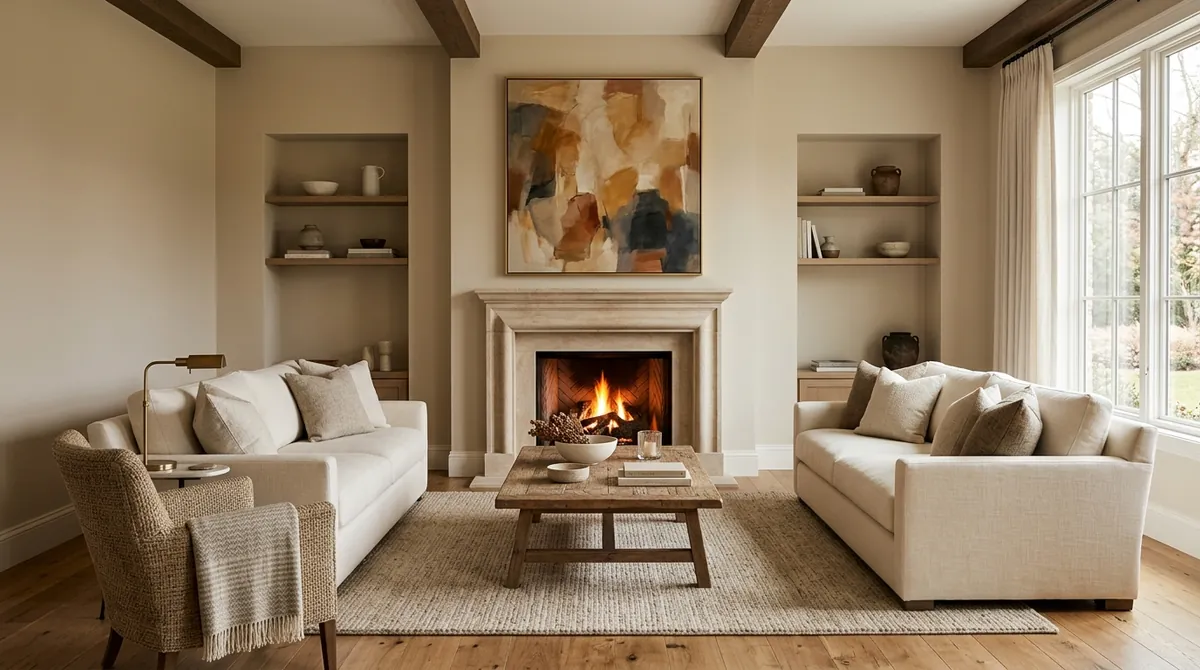
One clear anchor, a fireplace with art above it, with the seating turned to face it. Now the eye has somewhere to land.
When your eye walks into a room it wants somewhere to land. If there is no anchor, a fireplace, a big piece of art, a bed, a striking window, a media wall, the eye drifts and the room feels restless and unfinished even when everything in it is nice. This is the vague “something is missing” feeling.
The fix: pick one focal point and commit. If you have a fireplace or a great window, arrange the seating to face it. If you do not, create one: a large piece of art, a bold media unit, a gallery wall, or a statement sofa in a confident colour. Then let everything else be calmer and supporting. One thing leading, everything else following, is most of what “designed” actually means.
The living room measurements cheat sheet
Most of fixing an “off” room comes down to a handful of numbers designers keep in their heads. Here they are in one place. Save this.
| What | The rule of thumb |
|---|---|
| Rug size (most living rooms) | 8 by 10 or 9 by 12 ft; front legs of all seating on it |
| Rug gap from walls | 18 to 24 inches of bare floor |
| Art height | Centre at 57 to 60 inches (eye level) |
| Art above a sofa | About 2/3 the sofa width, 6 to 10 inches above the back |
| Sofa to coffee table | 14 to 18 inches gap |
| Coffee table height | Within 2 inches of the seat height |
| TV height | Centre at seated eye level, around 42 inches |
| Sofa to TV distance | Roughly 7 to 9 feet for comfortable viewing |
| Curtains | Rod 4 to 6 inches above the frame, panels to the floor |
| Light temperature | Warm, around 2700K, on dimmers, 2 to 3 sources |
- Most living rooms
- 8 by 10 or 9 by 12 ft, front legs on it
- Gap from walls
- 18 to 24 inches
- Height
- Centre at 57 to 60 inches
- Above a sofa
- 2/3 sofa width, 6 to 10 inches above
- Gap to sofa
- 14 to 18 inches
- Height
- Within 2 inches of seat height
- Height
- Centre around 42 inches
- Viewing distance
- 7 to 9 feet
- Rod
- 4 to 6 inches above the frame
- Length
- Panels to the floor
- Temperature
- Warm, around 2700K
- Sources
- 2 to 3, on dimmers
Test the fix before you move a thing
Here is the honest catch with all of this. Some fixes are free and instant, turn off the big light, pull the sofa forward, rehang the art lower. But the bigger ones, a larger rug, a new layout, a different sofa, mean spending money or hauling heavy furniture across the room, and it is genuinely deflating to do all that and find it still feels off.
That is the one place a tool earns its keep. With MeltFlex you upload a photo of your actual living room and try the change on screen first: see the room with a properly sized rug, with the seating floated into a conversation, with a real sofa you are considering actually in your space, before you buy or move anything. It keeps your real room, windows and proportions and all, so what you see is your room fixed, not a generic showroom. Test two or three options, pick the one that finally feels right, then do it once in real life.
See the fix on your own room first
- Keeps your real room. Upload a photo and try changes on your actual space.
- Test the big calls. A bigger rug, a new layout, a different sofa, before you spend or lift.
- Real, shoppable furniture. Swap in pieces you can actually buy.
- Seconds, not weekends. Compare options side by side, then do it once.
Frequently asked questions
Why does my living room feel empty?
Usually a rug that is too small, bare walls or art hung too high, and no focal point. Go bigger on the rug, bring art down to eye level, and give the room one clear anchor.
Why does it feel cold at night?
You are lighting it from one ceiling fixture. Switch to two or three warm lamps at different heights and the room warms up instantly.
What size rug do I need?
For most living rooms, 8 by 10 or 9 by 12 feet, with the front legs of all the seating sitting on it. Too small is the most common rug mistake.
How high should art go?
Centre at 57 to 60 inches, and above a sofa about two thirds the sofa width, 6 to 10 inches above the back.
Keep reading
- How to arrange furniture in a living room, seven layouts that fix the dead-middle problem.
- Interior design mistakes to avoid, the wider list beyond the living room.
- Small living room ideas, if the issue is square footage, not styling.
- Awkward room layout solutions, if the L-shape, the narrow footprint or the dark corner is the real culprit.
- Best AI interior design tools compared, to test these fixes on your room.
- Try MeltFlex in the app, upload a photo and see your room fixed before you lift a thing.



)