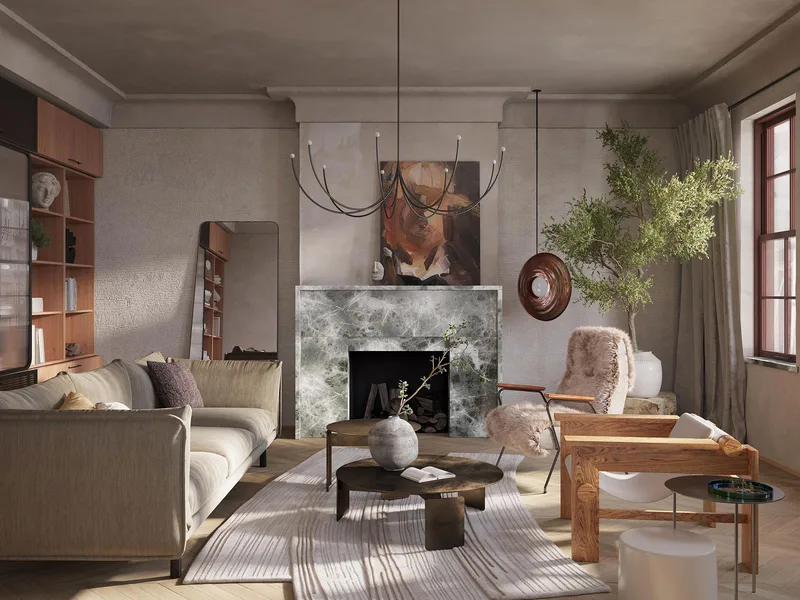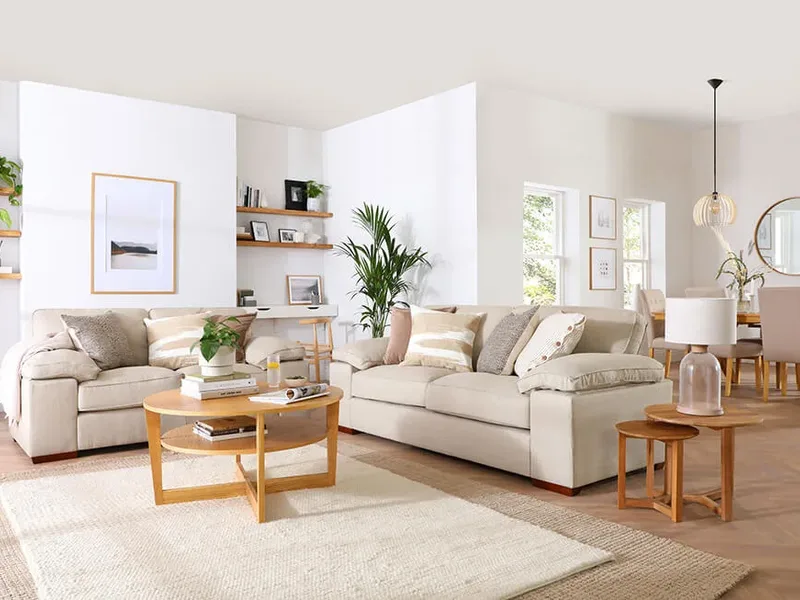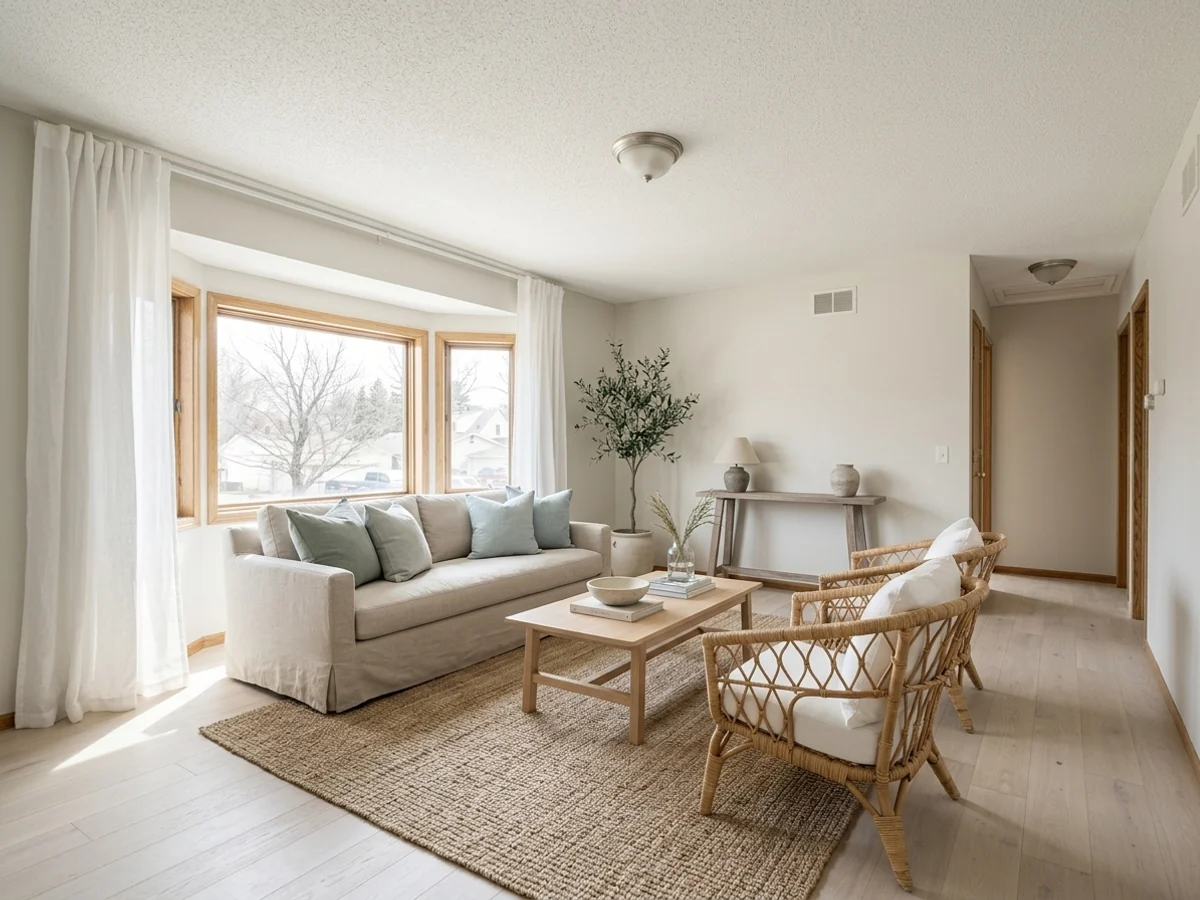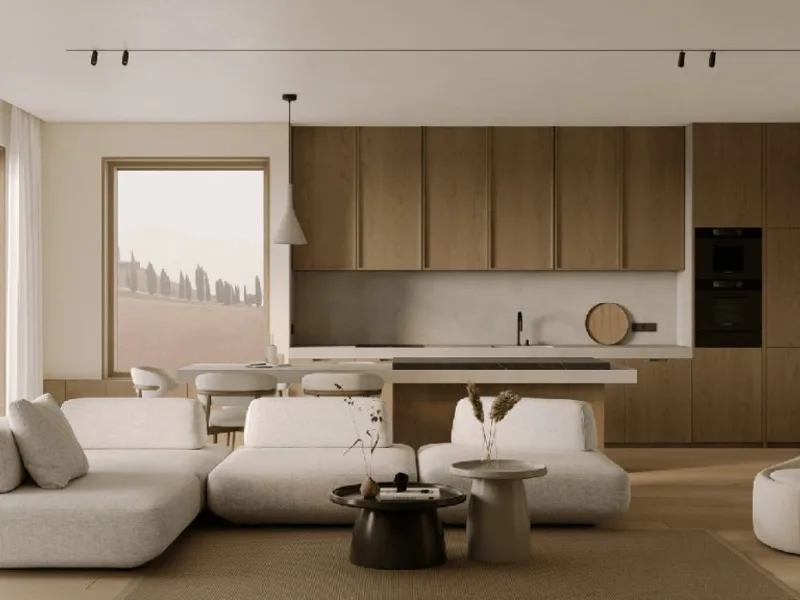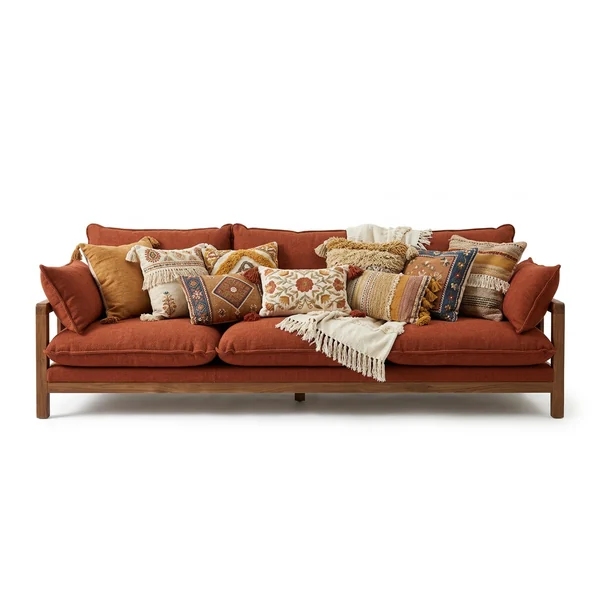
Cushion-layered sofa
A low, relaxed sofa in terracotta or rust, piled with mismatched fringed and embroidered cushions. The warm, inviting anchor.
Layered textures, rattan, vintage rugs, and a relaxed, collected-over-time feel built on warm earthy tones. Here is what defines bohemian design in 2026, what it costs, the trends shaping it now, and how to get the look.
Try Bohemian on your room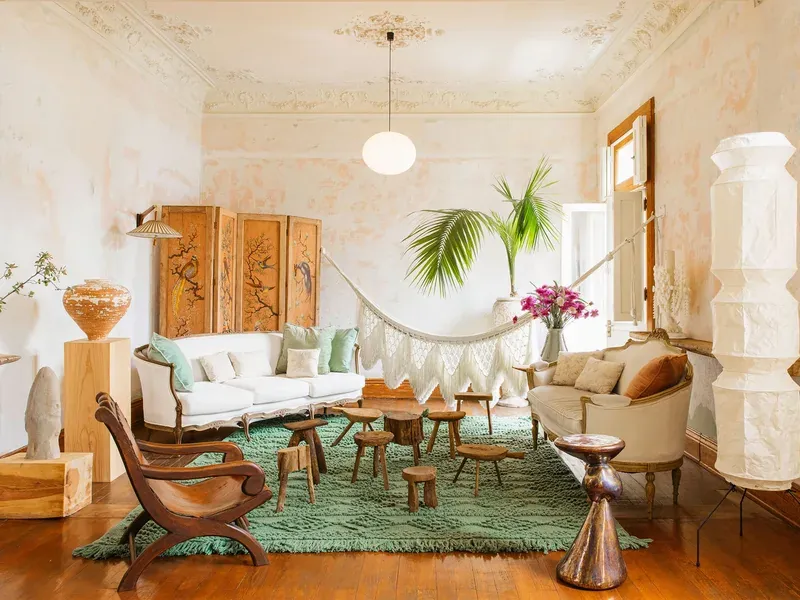
Boho is built from natural materials and characterful, collected pieces. These are the textural, earthy staples that read as bohemian instantly:
A low, relaxed sofa in terracotta or rust, piled with mismatched fringed and embroidered cushions. The warm, inviting anchor.
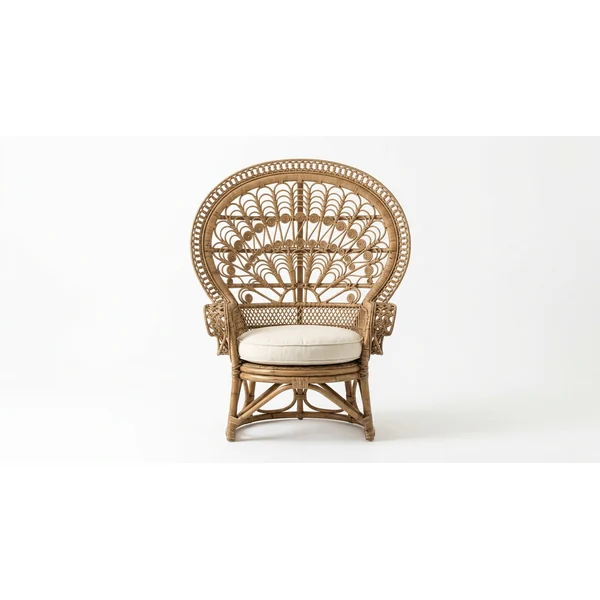
A woven rattan chair with a tall fan-shaped back, the most iconic boho accent seat there is.
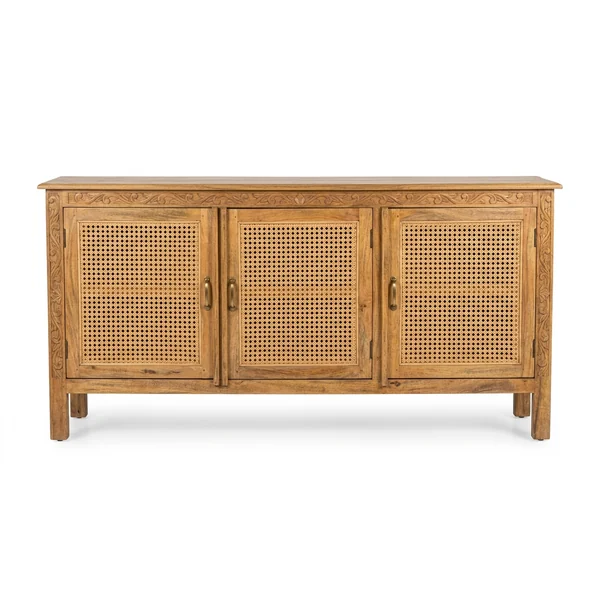
Carved wood with rattan-webbing doors, storage that adds instant handcrafted, collected character.
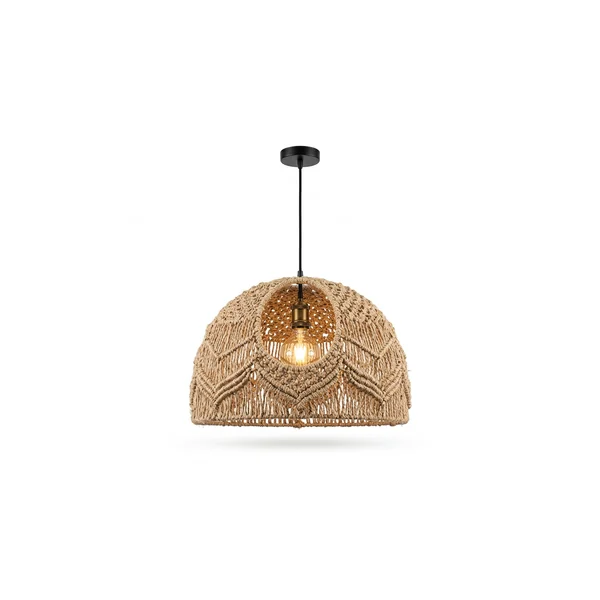
A natural basket-weave shade that casts warm, textured light and adds an organic layer overhead.
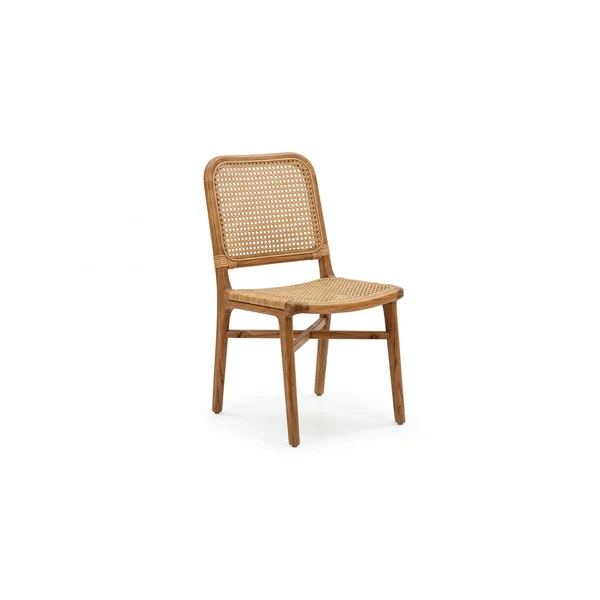
A natural cane-and-wood seat with woven texture, relaxed and handcrafted.
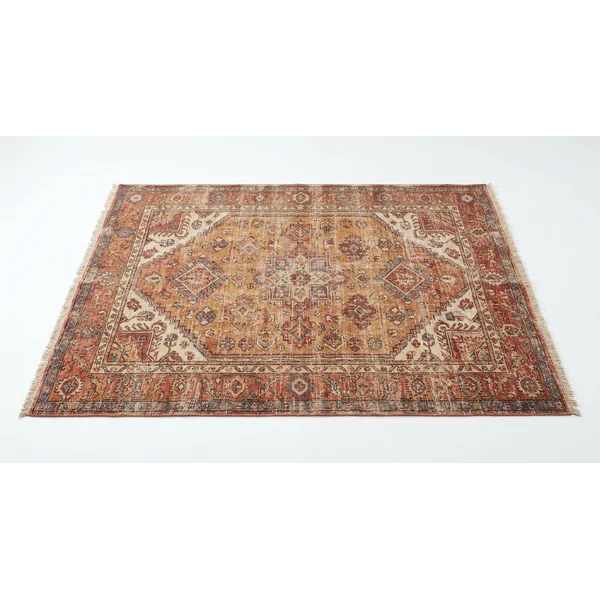
A faded terracotta-and-ochre pattern to layer underfoot and anchor the earthy palette.
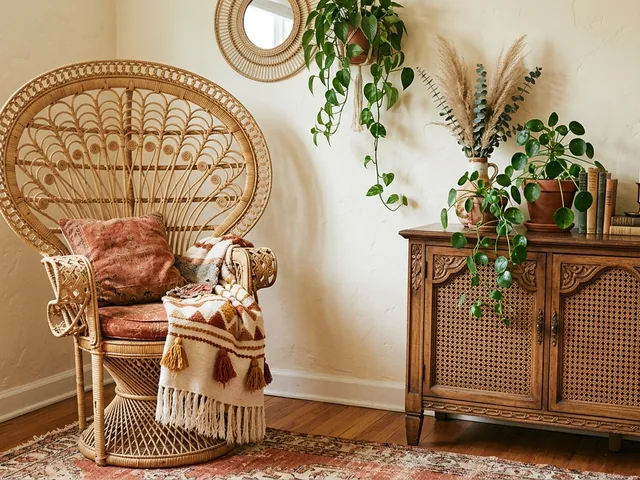
Woven rattan, cane webbing, and bamboo run through the furniture, the textural backbone of every boho room.
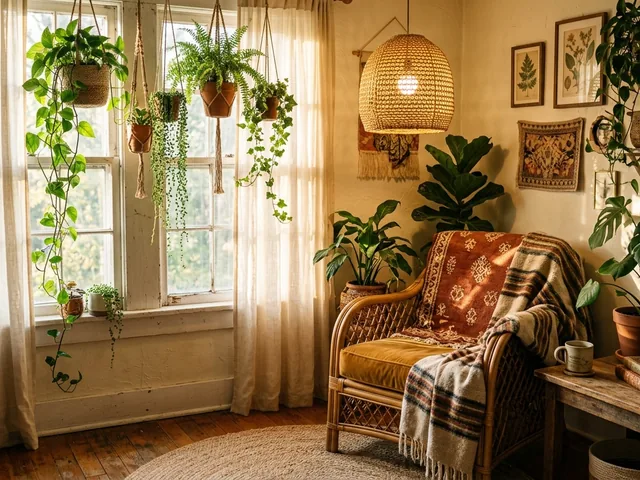
Woven pendants, beaded and macrame shades, and plenty of soft, warm light over an easy, sun-washed space.
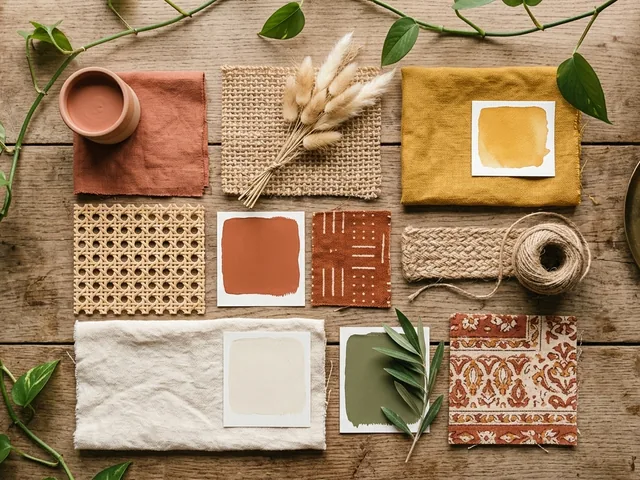
Terracotta, ochre, rust, and cream form the base, grounded with olive and warm browns rather than bright primaries.
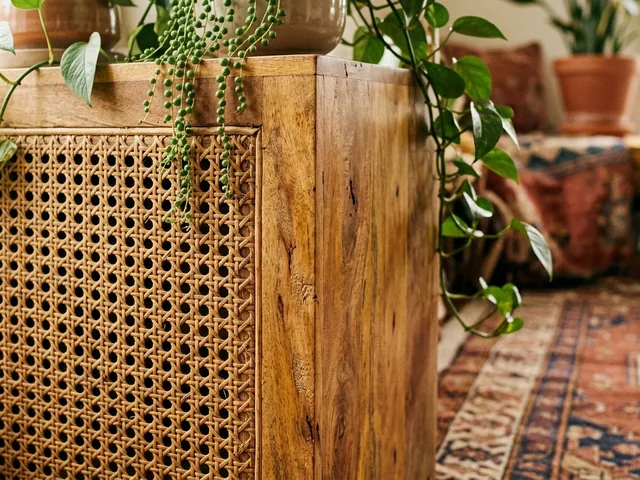
Carved wood, vintage finds, and handmade objects give the room its lived-in, gathered-over-time character.
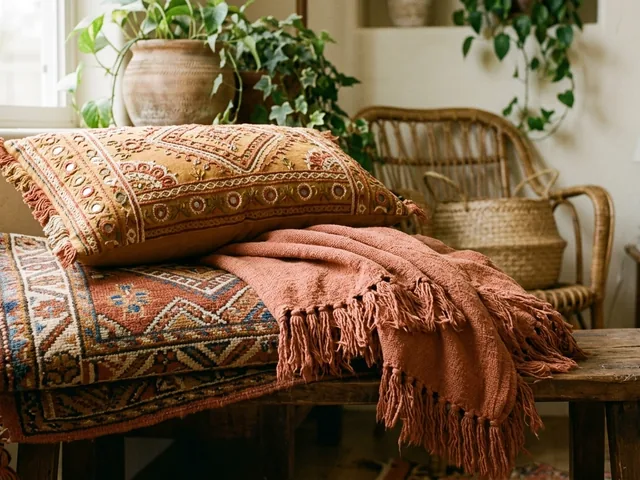
Mismatched cushions, fringed throws, kilims, and global prints are stacked and mixed for warmth and depth.
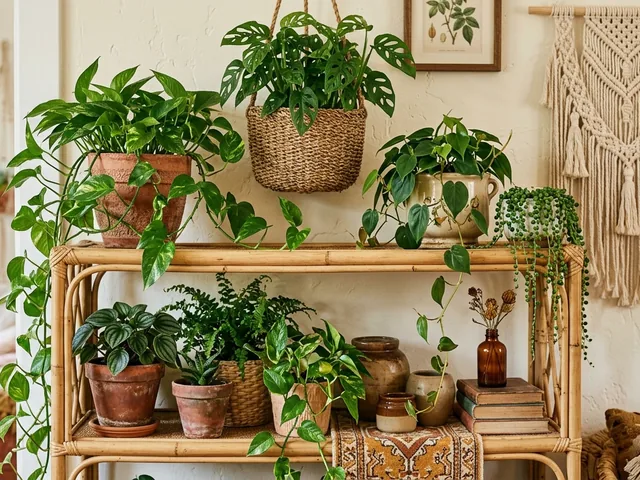
Trailing plants, hanging baskets, and clustered pots bring life and are central to the boho look, not an afterthought.
Bohemian rooms loosen the 60-30-10 rule rather than follow it strictly, but the idea still helps: keep around 60 percent a warm earthy base (cream, sand, or terracotta walls), about 30 percent natural materials and wood (rattan, jute, aged timber), and roughly 10 percent richer accents (rust, ochre, olive, or a jewel tone in a rug or cushion). The trick is keeping everything warm and earthy, so even a lot of layered pattern reads as cohesive rather than busy.
Bohemian in 2026 is more grown-up and grounded than the busy, anything-goes boho of a decade ago. The layered, plant-filled warmth stays, but it is calmer, earthier, and more curated. These are the shifts shaping boho rooms this year:
The palette has settled into warm, muted earth tones, terracotta, clay, olive, and rust, for a calmer, more sophisticated take than the bright, scattered boho of the 2010s.
Maximal layering stays, but with intention. Fewer, more meaningful pieces with breathing room are replacing the everything-everywhere look.
Rattan, cane, jute, clay, and reclaimed wood are the heart of the style now, prized for sustainability as much as for looks.
Japandi-boho and Scandi-boho are big in 2026, pairing boho warmth and texture with cleaner lines for a more liveable, less busy result.
Large statement plants and full green corners are used almost like furniture, structuring the room rather than just decorating it.
Bohemian is one of the more budget-friendly styles, because thrifted, vintage, and handmade pieces suit it perfectly and wear and imperfection are a feature, not a flaw. A light refresh runs $300 to $800; a fuller living room makeover lands around $3,500 to $7,500 mid-range. Here is where the money goes (rough 2026 US estimates):
| Item | Budget | Mid-range | High-end |
|---|---|---|---|
| Large rug (vintage / jute) | $150–400 (jute / vintage-look) | $600–1,500 (quality vintage) | $2,500+ (antique kilim / Persian) |
| Sofa (relaxed, 3-seat) | $500–900 (flat-pack) | $1,200–2,500 | $3,500+ (artisan) |
| Rattan & cane furniture (chair, sideboard) | $200–500 | $700–1,500 | $2,500+ (vintage / artisan) |
| Lighting (woven / macrame) | $80–250 | $350–800 | $1,200+ (handmade) |
| Textiles (cushions, throws, wall hangings) | $100–300 | $350–700 | $1,000+ (handwoven) |
| Plants, baskets & decor | $80–250 | $300–600 | $900+ (large statement plants) |
Where to spend: one good vintage rug and a quality rattan piece, the textural anchors everything else layers onto. Where to save: textiles, plants, and thrifted decor, which build up the collected look cheaply over time.
Start with warm neutral or terracotta walls and a natural-fibre or vintage rug. This earthy foundation is what keeps all the later layering feeling cohesive.
Add rattan, cane, jute, and aged wood through furniture and baskets. These textures are the backbone of the style and stop it feeling like random clutter.
Pile on mismatched cushions, a fringed throw, and a kilim or two. Mix patterns and eras, but keep them within the warm earthy palette so they still feel of a piece.
Bring in trailing plants, a large statement plant, and clustered pots. Greenery is central to boho, not a finishing touch, so be generous with it.
Add travel finds, handmade ceramics, vintage art, and a macrame hanging. These personal objects are what make a boho room feel collected over time rather than bought in a set.
Bohemian design, or boho, grew out of an unconventional, free-spirited way of living, and the aesthetic follows the same logic: a room that looks gathered over years of travel and life rather than bought in one go. It throws out the rulebook on matching, mixing patterns, eras, and global influences into a warm, personal, layered whole. The thread that holds it together is texture and an earthy palette, not a strict colour scheme or a single period.
In practice that means natural materials everywhere, rattan, cane, jute, and aged wood, piled-on textiles, vintage rugs, and a lot of greenery. It is one of the few styles where more is genuinely more, but good boho is curated, not chaotic. The skill is layering pieces that each mean something while keeping a loose earthy base, so the room feels relaxed and collected rather than cluttered.
Boho is one of the cheaper styles to pull off, because thrifted and vintage pieces suit it perfectly. A light refresh with textiles, plants, and a vintage rug runs around $300 to $800. A fuller makeover with a sofa, rattan furniture, and layered textiles typically lands at $3,500 to $7,500 mid-range. The biggest single spend is usually a good vintage rug.
Bohemian design is a relaxed, eclectic style that looks collected over time rather than bought as a set. It layers natural materials like rattan and jute, mismatched textiles and patterns, vintage finds, and abundant plants over a warm, earthy palette. The unifying thread is texture and warmth rather than a strict colour scheme.
The palette is warm and earthy: terracotta, ochre, rust, and cream as the base, grounded with olive green and warm browns. Richer jewel tones can appear in rugs and textiles, but the scheme stays warm overall, which is what keeps a lot of layered pattern feeling cohesive.
The secret is a calm, earthy base and intentional layering. Keep walls and large surfaces warm and neutral, repeat a few colours and natural materials so the pieces relate to each other, and leave some breathing room rather than filling every surface. Curated boho, the 2026 approach, looks collected, not chaotic.
Natural, tactile materials are the heart of boho: rattan, cane, jute, seagrass, and aged or carved wood for furniture, plus layered textiles like cotton, wool, and vintage kilims. Macrame, clay and earthenware, and lots of living plants round it out. Natural fibres and handmade textures are what make the style feel authentic.
Modern boho is the cleaner, more grounded 2026 version of the style. It keeps the layered textures, natural materials, and plants, but uses a calmer, more muted earthy palette and a more curated, less cluttered approach. It often blends with Scandinavian or japandi for a more liveable, sophisticated result.
Yes, though it pays to edit. In a small room, lean on texture and a few natural-material pieces rather than piling on every layer, keep the palette light and warm, and use vertical space for hanging plants and macrame. A vintage rug and one rattan piece can read as boho without crowding the room.
There is no magic number, but plants are genuinely central to the style rather than optional. Aim for a generous, layered presence: a large statement plant, a few trailing plants up high, and a cluster of smaller pots. Grouping them, rather than dotting one here and there, is what gives boho its lush, lived-in feel.
Boho may be the most budget-friendly style there is. Thrift stores, markets, and hand-me-downs suit it perfectly because wear and patina are a feature, plants are cheap and multiply, and textiles can be layered up over time. You can also upload a photo of your room to MeltFlex to preview the look before spending anything.
Yes, and it has grown up. In 2026 boho has moved toward a calmer, earthier, more curated look: muted terracotta and olive tones, natural materials front and centre, plants used almost like architecture, and frequent blends with Scandinavian or japandi. The relaxed, collected, personal spirit at its core is as popular as ever.
Not sure this is your style? Take the free style quiz