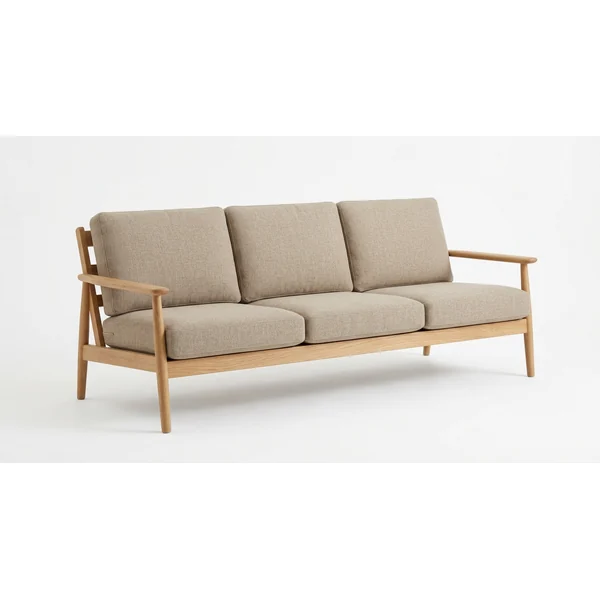
Low oak-frame sofa
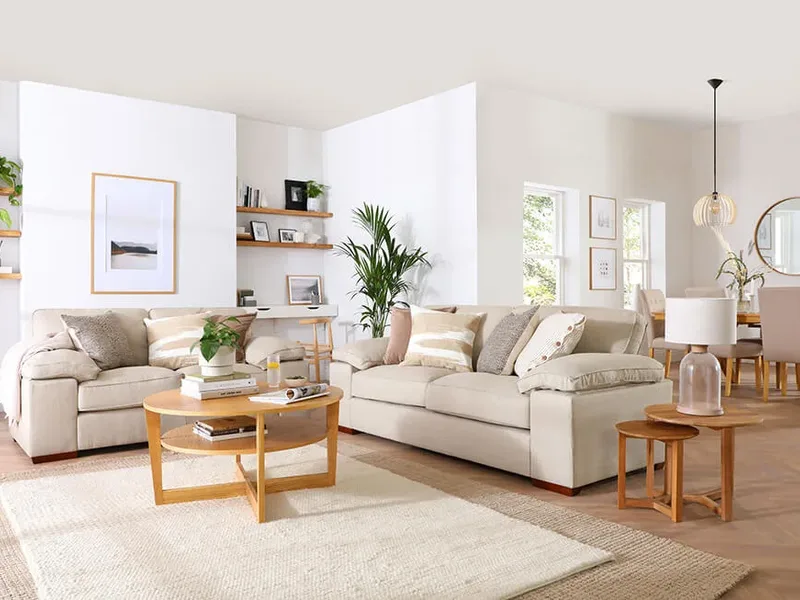
A low sofa with an exposed oak frame and beige linen cushions. Scandinavian warmth on a Japanese-low silhouette.
Japanese minimalism meets Scandinavian warmth: calm, intentional rooms where nothing is wasted and craftsmanship shows. Here is what defines japandi design in 2026, what it costs, the trends shaping it now, and how to get the look.
Try Japandi on your room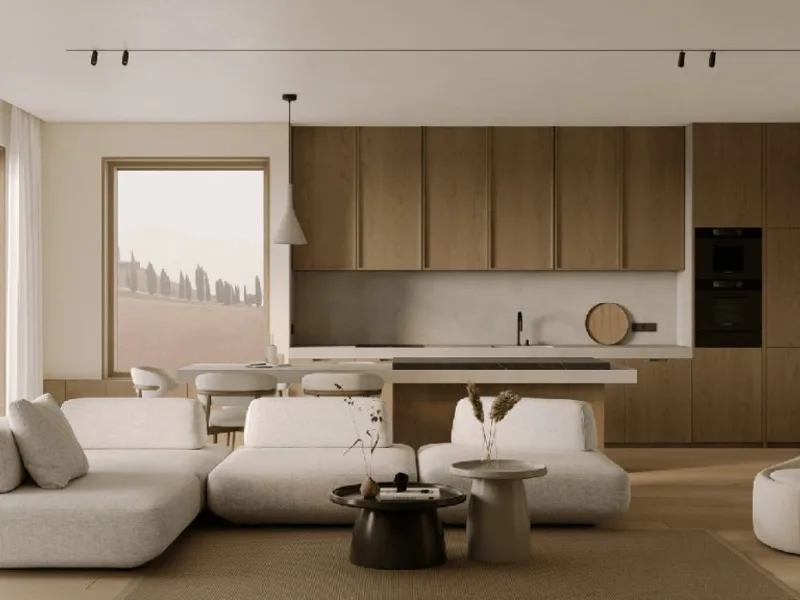
Japandi is built from low, honest, beautifully made pieces. These are the calm, crafted staples that read as japandi instantly:
A low sofa with an exposed oak frame and beige linen cushions. Scandinavian warmth on a Japanese-low silhouette.
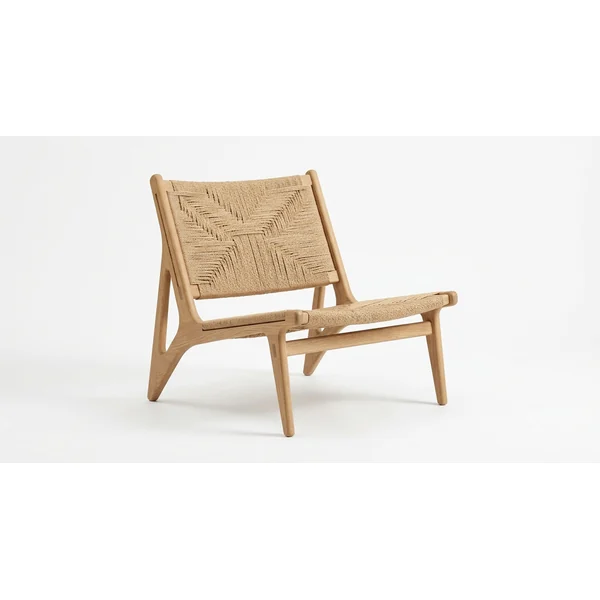
A low oak chair with a hand-woven paper-cord seat, craftsmanship on full display.
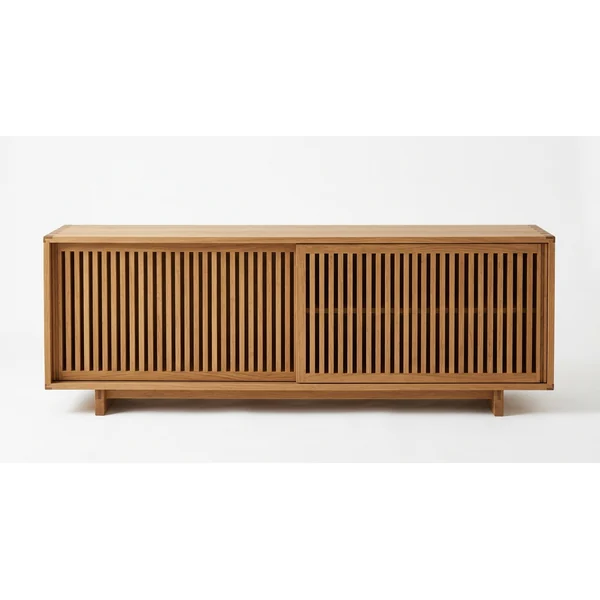
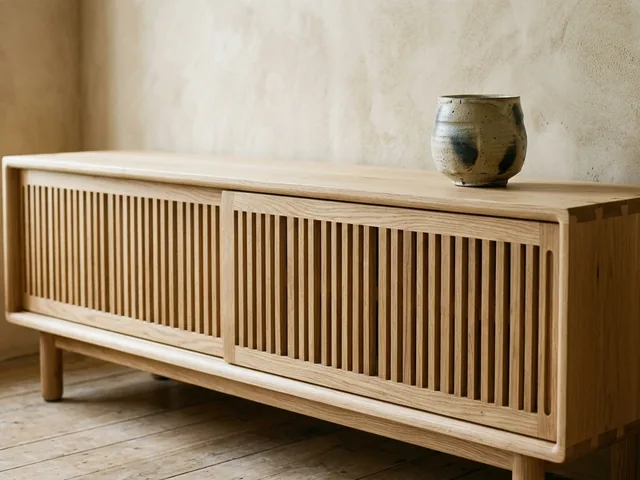
A low, handleless cabinet with fine slatted fronts and visible joinery. Quiet, crafted storage.
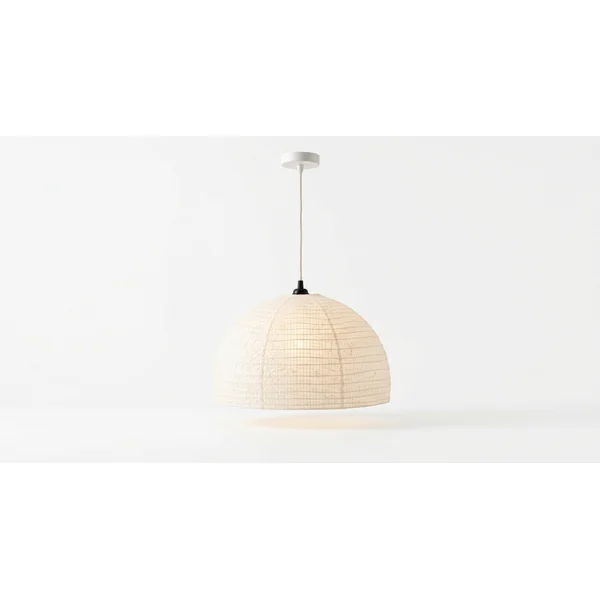
A bamboo or rice-paper shade that diffuses soft, warm light, a nod to the Japanese lantern.
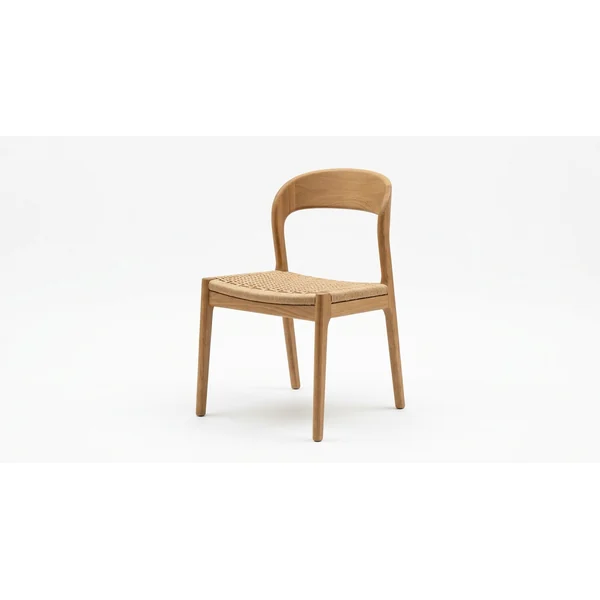
Solid oak with a woven paper-cord seat and a low rounded back, honest and finely made.
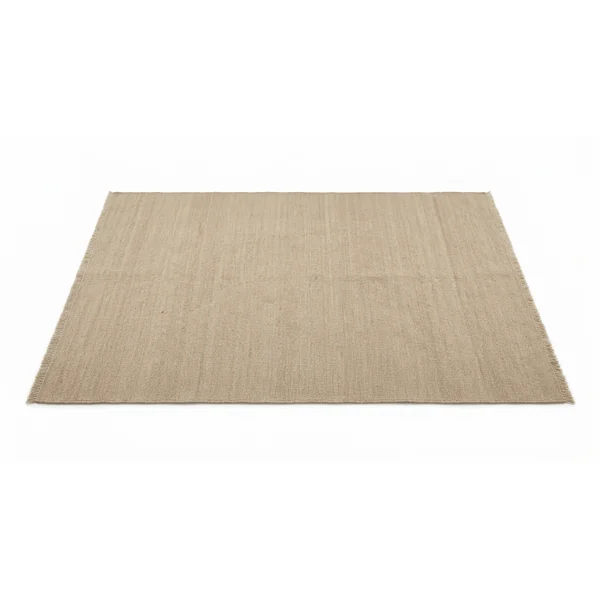
A plain clay or beige wool rug with subtle texture to ground the room without adding pattern.
Low-slung sofas, benches, and tables with simple, honest lines keep the room calm, grounded, and close to the floor.
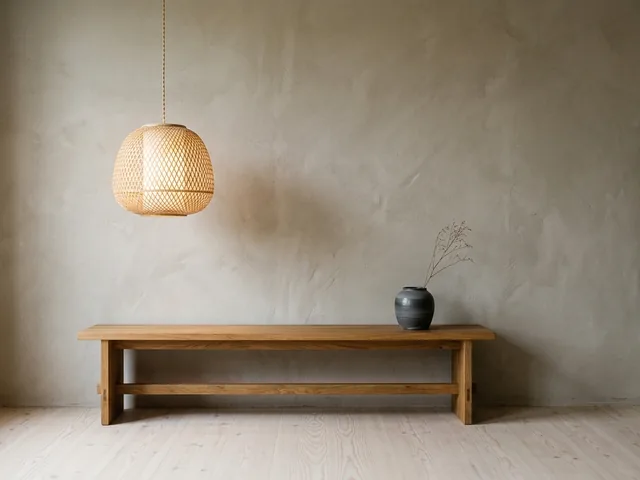
Paper, bamboo, and linen shades scatter warm light gently, echoing Japanese lanterns and Scandinavian calm.
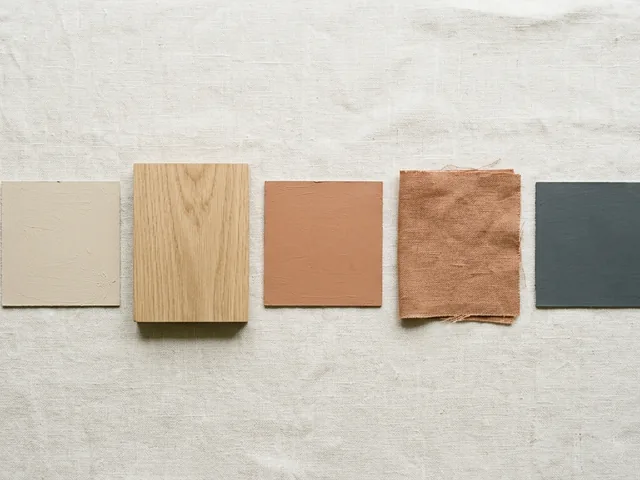
Beige, clay, warm oak, and soft charcoal form a quiet, grounded scheme with no bright or jarring colour.
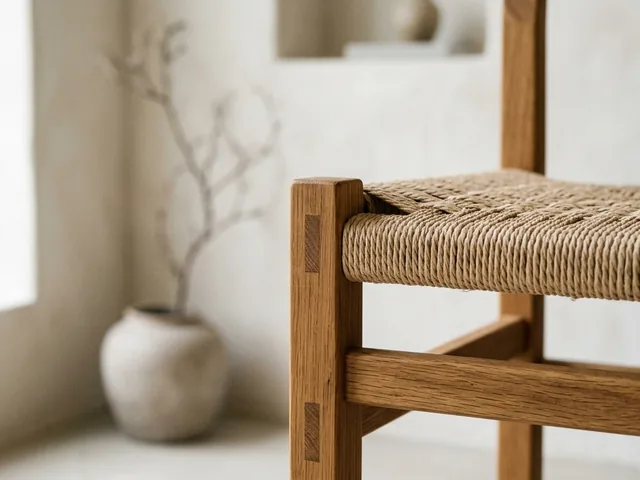
Fine joinery, woven paper cord, and honest natural materials are shown off rather than hidden, the mark of both traditions.
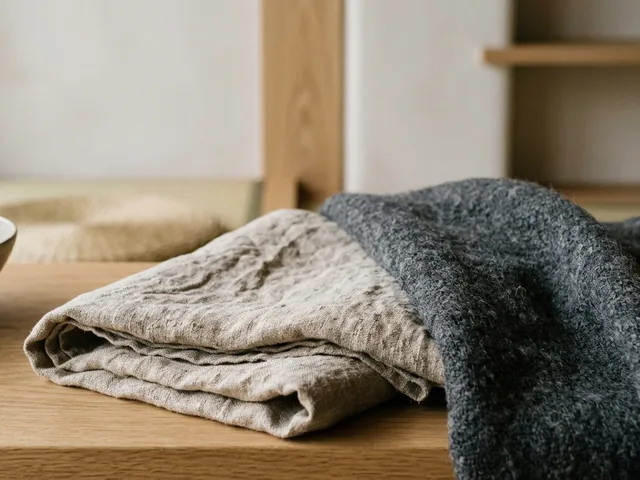
Linen, wool, and matte ceramics add depth through texture, since colour and pattern are kept to an absolute minimum.
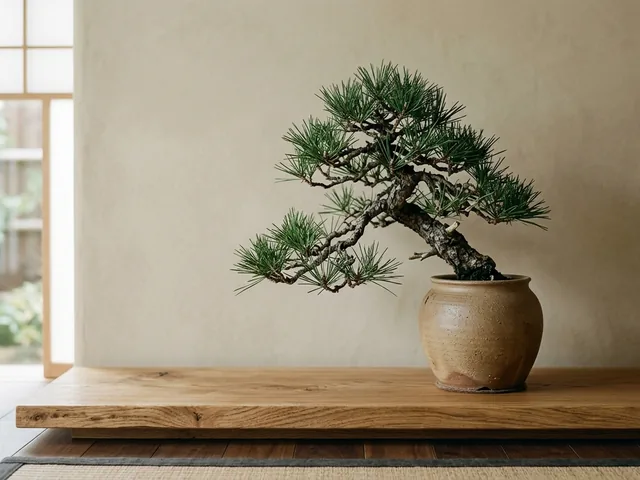
Considered negative space, a single branch, and one handmade, imperfect object give the room its serene, intentional feel.
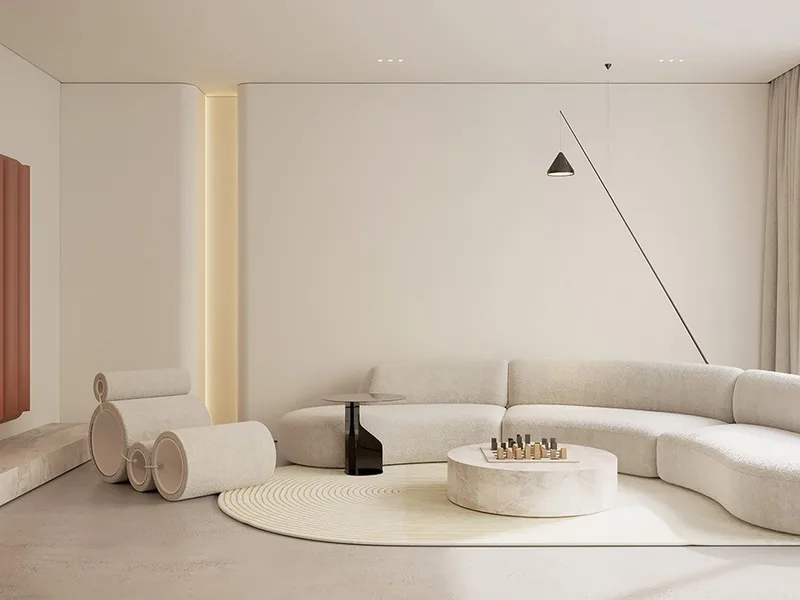
Japandi keeps the palette muted and natural, blending the warm neutrals of Scandinavian design with the deeper, grounding tones of Japanese interiors. Use the 60-30-10 rule, but quietly: around 60 percent is a soft neutral base (beige or clay walls), about 30 percent is warm wood, and the final 10 percent is a grounding darker tone like charcoal or black, usually on fine details. There are no bright accents here, the contrast comes from light wood against deep charcoal, not from colour.
Japandi has gone from niche to mainstream, and in 2026 it is the calm, grounded answer to busier trends. The blend of Japanese restraint and Scandinavian warmth stays, but it is getting warmer and more tactile. These are the shifts shaping japandi rooms this year:
Japandi is leaning further into warmth and imperfection, handmade ceramics, raw plaster, and natural irregularity, so it feels soulful rather than strict.
Clay, terracotta-tinged neutrals, and richer browns are joining the pale base, adding depth while keeping the muted, natural feel.
Visible joinery, woven seats, and artisan pottery are celebrated as the quiet stars of the room, with quality clearly chosen over quantity.
Soft, rounded silhouettes and sculptural shapes are softening the clean lines, making the calm even more inviting.
Oak, bamboo, linen, stone, and a few carefully placed plants ground the room and reinforce the strong connection to nature at the style's core.
Japandi sits in the mid-to-higher range, because the look depends on a few well-made, natural pieces rather than many cheap ones, and quality craftsmanship costs. A light refresh runs $400 to $1,000; a fuller living room makeover lands around $4,500 to $9,500 mid-range. Here is where the money goes (rough 2026 US estimates):
| Item | Budget | Mid-range | High-end |
|---|---|---|---|
| Flooring (warm oak / natural) | $500–900 (laminate / LVT) | $1,500–3,000 (engineered oak) | $4,000–8,000 (solid oak) |
| Sofa (low, clean-lined, 3-seat) | $600–1,000 (flat-pack) | $1,500–3,200 | $4,000+ (artisan / designer) |
| Crafted seating (paper-cord chair) | $200–450 (repro) | $700–1,500 | $3,000+ (Wegner-era icon) |
| Slatted oak storage | $300–600 | $900–2,000 | $3,500+ (solid oak / custom) |
| Lighting (paper / bamboo) | $100–250 | $400–900 | $1,500+ (design pieces) |
| Textiles, ceramics & one object | $100–280 | $350–700 | $1,000+ (handmade) |
Where to spend: one beautifully crafted seat and a solid oak piece, the honest, well-made objects the whole calm room is built around. Where to save: textiles, ceramics, and decluttering, since empty space costs nothing and does half the work.
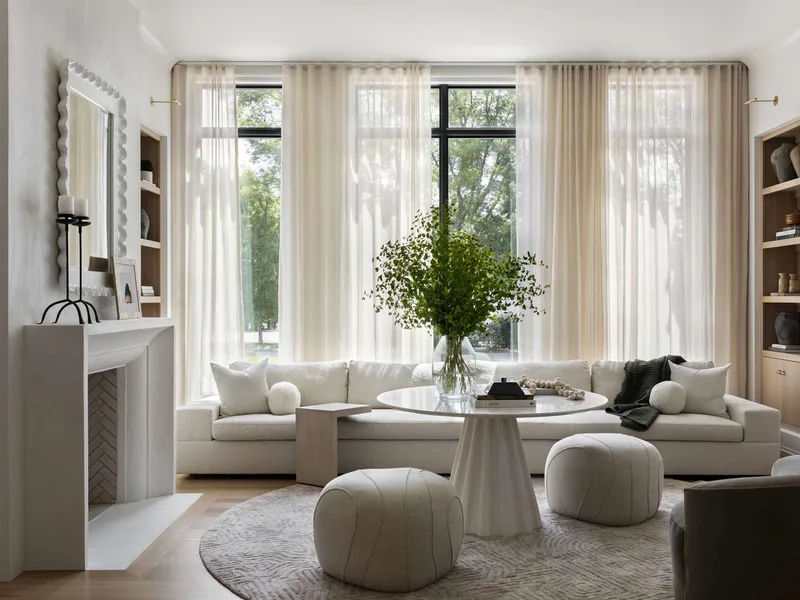
Paint walls a soft beige or clay and use a warm oak floor. This quiet, natural backdrop is what lets the few pieces and the empty space speak.
Pick low, clean-lined pieces in honest materials, ideally with visible craftsmanship like woven seats or fine joinery. Quality matters far more than quantity here.
Stay within warm neutrals and wood, then add a grounding charcoal or black on fine details. Resist bright accents, the contrast should come from wood against dark, not colour.
Leave clear surfaces and open floor, and treat that negative space as part of the design. The calm of japandi comes from what you leave out as much as what you put in.
Finish with a handmade ceramic, natural linen and wool, soft diffused lighting, and a single branch or plant. One imperfect, handmade object is worth more than a shelf of decor.
Japandi is a hybrid of two philosophies that turned out to share a soul: Japanese minimalism and Scandinavian functionality. Both value clean lines, natural materials, and craftsmanship, and both believe a calm, uncluttered home supports a calmer life. Japandi takes the warmth and comfort of Scandinavian hygge and grounds it with the discipline and quiet of Japanese design, including the wabi-sabi idea that finds beauty in imperfect, handmade, and natural things.
The result is a room that feels intentional and serene: low furniture, a muted natural palette, fine craftsmanship on show, and deliberate empty space treated as a design element. It looks simple, but every piece is chosen with care and nothing is there by accident. The structure is balance, the warmth of Scandi and the restraint of Japanese, so it never feels cold like strict minimalism or busy like a fuller style.
A light refresh with muted paint, natural textiles, one crafted piece, and some decluttering runs around $400 to $1,000. A fuller makeover with oak flooring, a low sofa, crafted seating, and slatted storage typically lands at $4,500 to $9,500 mid-range. Because japandi favours a few well-made pieces over many cheap ones, the budget usually concentrates on quality.
Japandi is a hybrid style that blends Japanese minimalism with Scandinavian warmth. It pairs clean lines, low furniture, and deliberate empty space with natural materials, a muted palette, visible craftsmanship, and a wabi-sabi appreciation of handmade, imperfect objects. The result is calm, intentional, and serene without feeling cold.
The palette is muted and natural: warm beige and clay as the base, warm oak for the wood, and soft charcoal or off-black as a grounding accent. There are no bright colours, at most a whisper of muted sage from a plant or ceramic. The contrast comes from light wood against deep charcoal rather than from colour.
They overlap heavily, but japandi is warmer and more grounded. Strict minimalism can feel cool and clinical, while japandi adds the warmth of Scandinavian wood and textiles plus the Japanese wabi-sabi love of handmade, imperfect, natural pieces. Japandi also tends toward lower furniture and slightly deeper, earthier tones.
Wabi-sabi is a Japanese idea that finds beauty in imperfection, impermanence, and the natural, the marks of a handmade ceramic, the grain of raw wood, the patina of age. In japandi it is what keeps the minimalism from feeling sterile: one slightly irregular, handmade, soulful object gives a pared-back room genuine warmth and character.
Low, clean-lined furniture in honest natural materials: solid oak and other warm woods, with visible joinery, hand-woven paper-cord or rush seats, and bamboo or rice-paper lighting. Add linen and wool textiles, matte handmade ceramics, and natural stone. Quality and craftsmanship matter far more than quantity.
Lean on the Scandinavian half of the blend. Use warm wood tones, soft beige and clay rather than cool greys, natural textures like linen and wool, and soft, diffused warm lighting. A handmade ceramic or a single plant adds soul. The warmth and the wabi-sabi imperfection are exactly what separate japandi from cold minimalism.
Yes, it is excellent for small spaces. Low furniture, clear surfaces, a muted palette, and deliberate empty space all make a room feel calmer and larger. The discipline of choosing only a few well-made pieces means a small space never feels crowded.
Yes, though it rewards patience over quick shopping. The first move, decluttering and protecting empty space, is free, and a muted paint colour costs little. From there, add one or two quality natural pieces over time rather than filling the room cheaply, and lean on affordable repro paper-cord seating. You can also upload a photo of your room to MeltFlex to preview the look before spending anything.
Yes, and it is more popular than ever. As a calm, grounded antidote to busier trends, japandi has gone fully mainstream, and in 2026 it is leaning warmer and more tactile: deeper earthy tones, more visible craftsmanship, soft curved forms, and a stronger wabi-sabi embrace of handmade imperfection. The balance of Japanese restraint and Scandinavian warmth at its core is as relevant as ever.
Not sure this is your style? Take the free style quiz