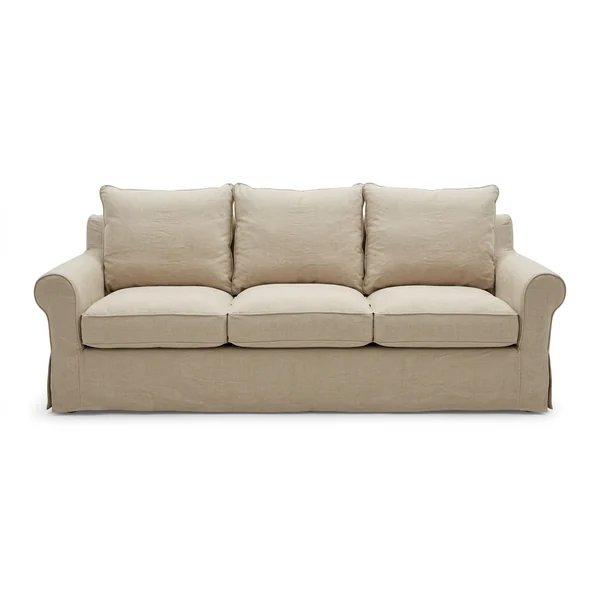
Slipcovered linen sofa
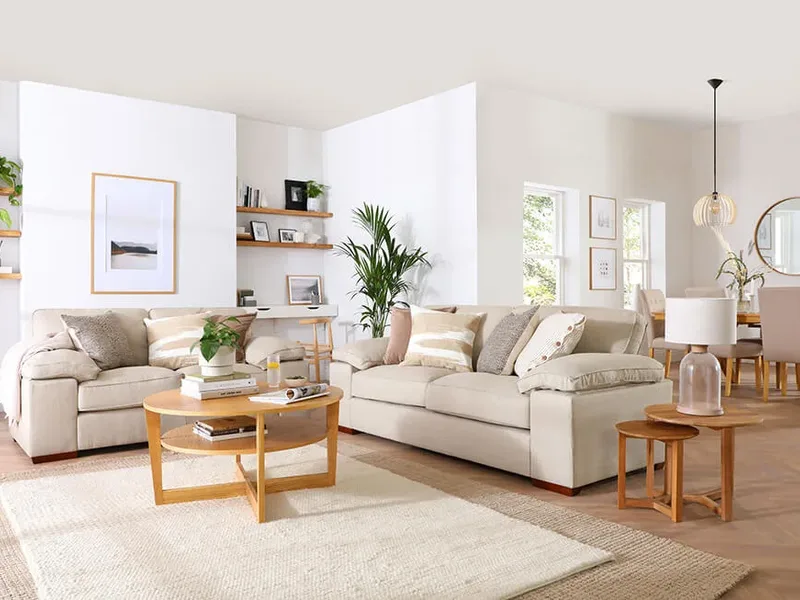
A relaxed white or sand sofa with loose, washable covers. The casual, breezy anchor of the room.
Airy whites, natural fibers, driftwood, and soft ocean blues that bring the calm of the shore indoors. Here is what defines coastal design in 2026, what it costs, the trends shaping it now, and how to get the look.
Try Coastal on your room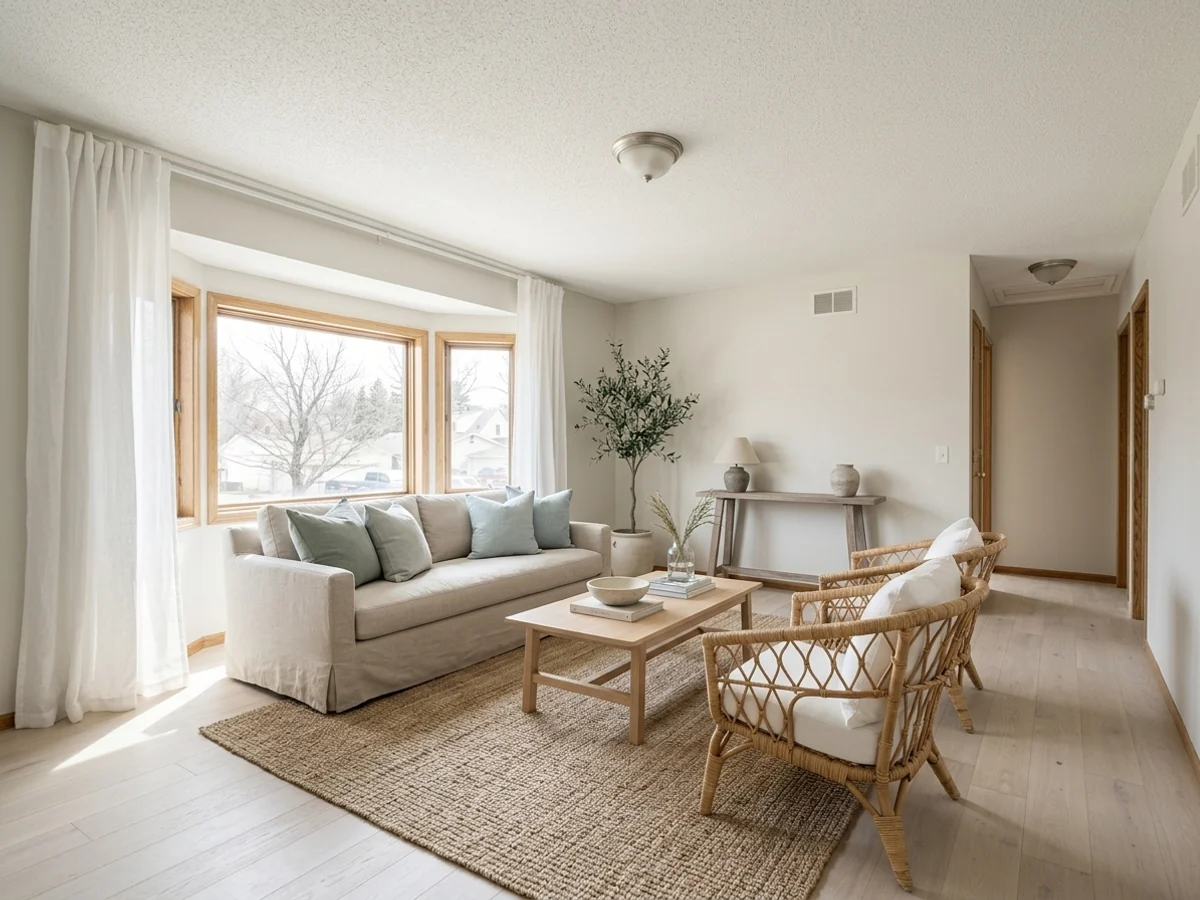
Coastal is built from light, casual, natural-fibre pieces. These are the breezy, weathered staples that read as coastal instantly:
A relaxed white or sand sofa with loose, washable covers. The casual, breezy anchor of the room.
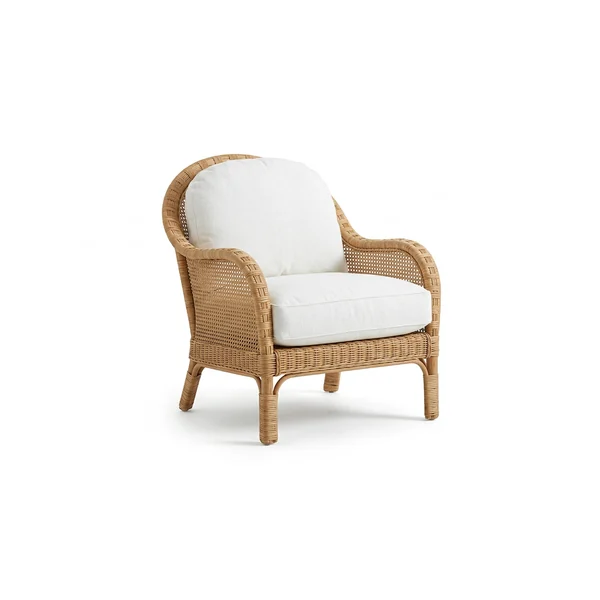
A woven rattan or wicker frame with a plump white cushion, light, airy, and unmistakably coastal.
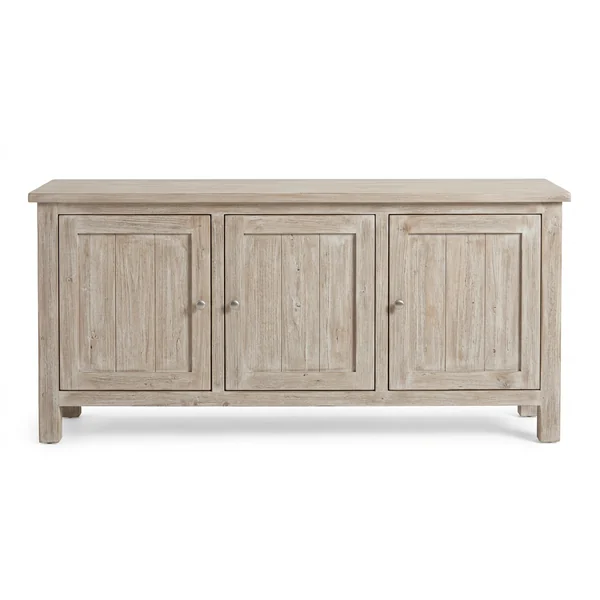
Weathered, driftwood-tone storage that adds soft texture and a by-the-sea feel.
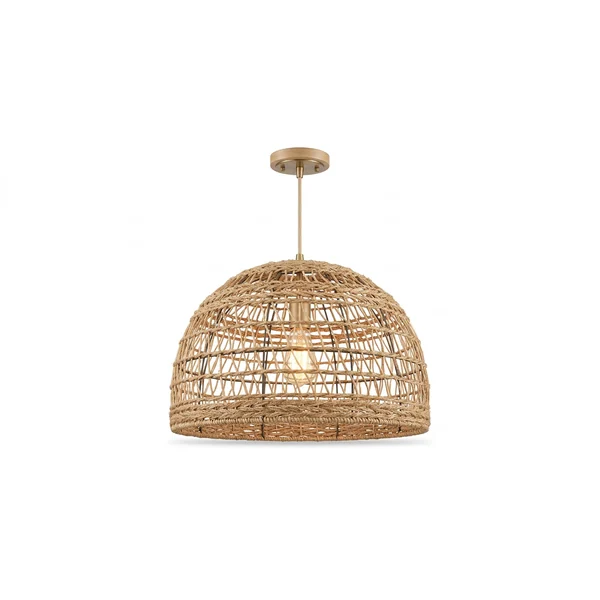
A natural open-weave shade that filters light softly and brings organic, beachy texture overhead.
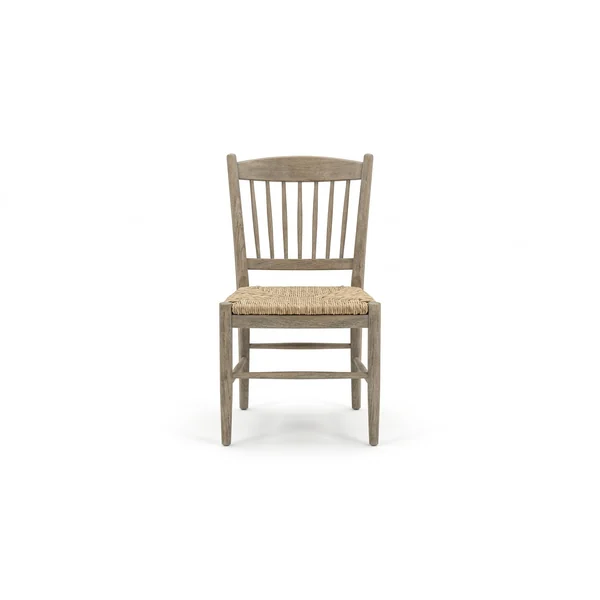
Light, sun-bleached wood with a woven rush seat, relaxed and casual.
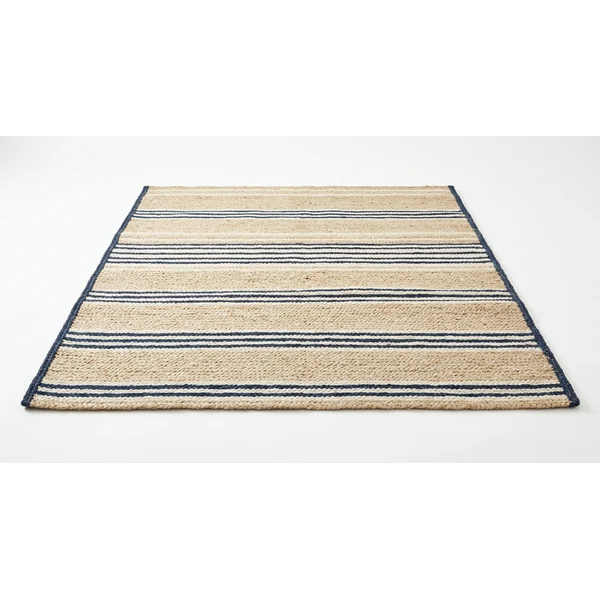
A pale woven jute or a white-and-navy stripe to ground the room with relaxed, natural texture.
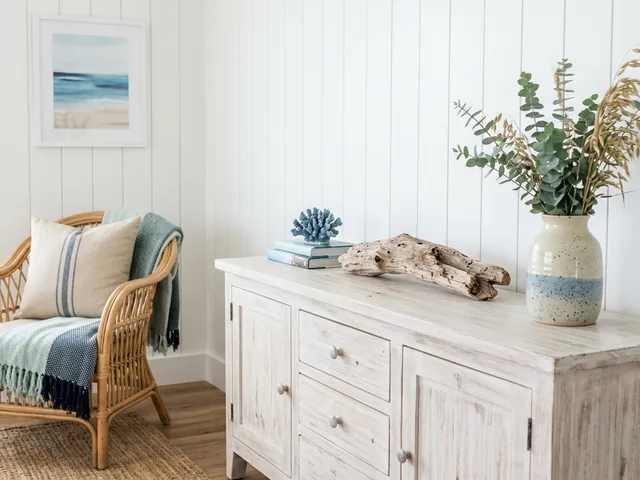
Relaxed white and sand linen sofas and slipcovered seating keep the room casual, breezy, and easy to live in.
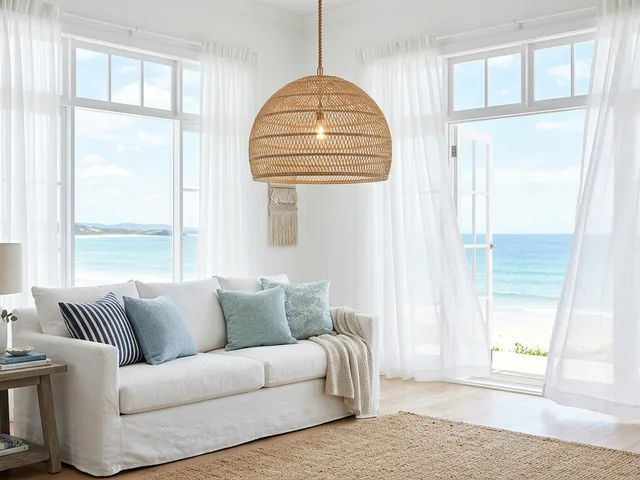
Big windows, sheer curtains, and a light palette maximise daylight for that fresh, sunlit, open feeling.
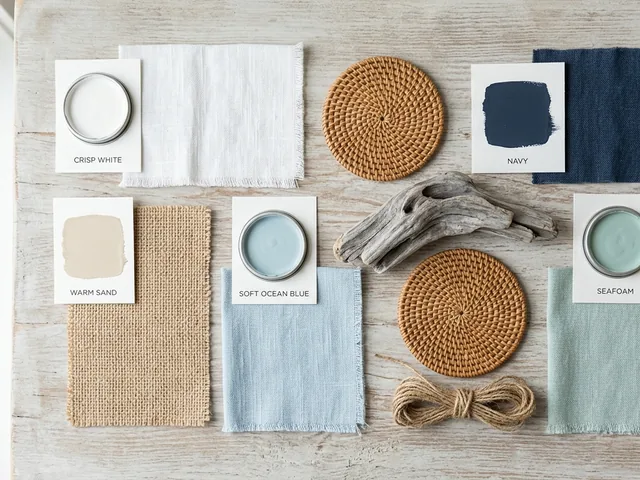
Crisp whites and warm sand neutrals form the base, kept light so the whole room feels open and breezy.
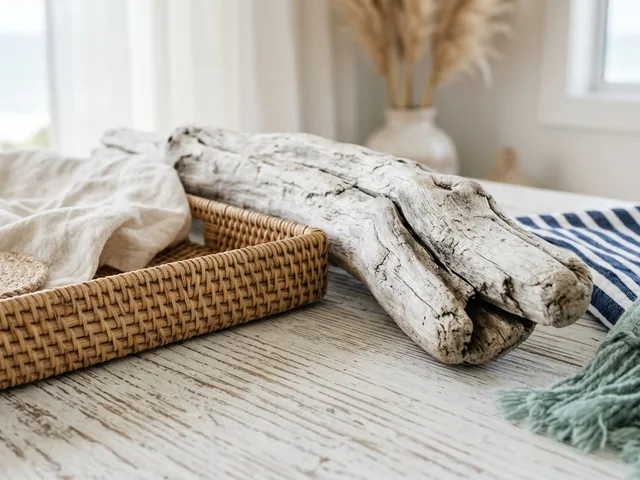
Pale, sun-bleached, and whitewashed woods bring the gently weathered, by-the-sea texture central to the look.
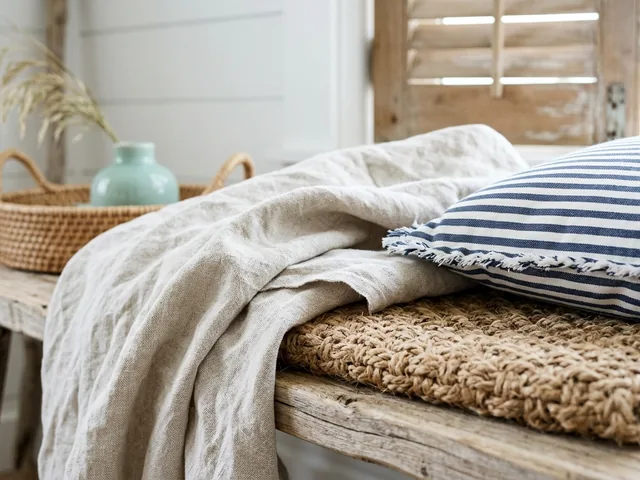
Linen, cotton, jute, and rattan add relaxed texture, with soft navy and seafoam coming in sparingly to echo the water.
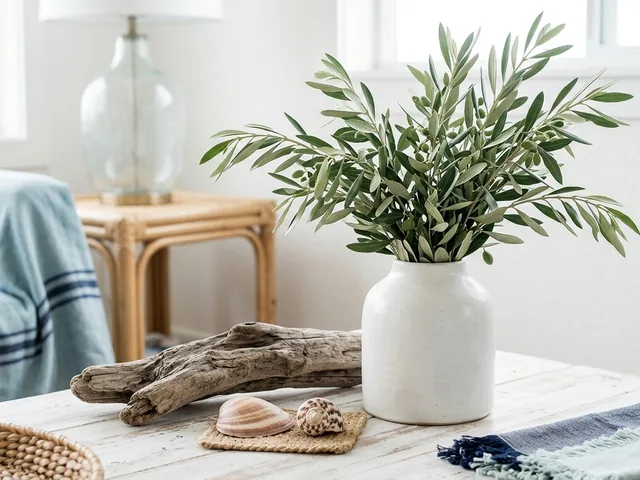
Palm, olive, and a few natural objects like driftwood add life without tipping into a literal seaside theme.
Coastal lives or dies on staying light and airy, so the 60-30-10 rule leans heavily on the base. Around 60 percent is crisp white and warm sand, about 30 percent is natural-fibre texture (rattan, jute, weathered wood), and the final 10 percent is the ocean accent: soft blue, navy, or seafoam. The most common mistake is overdoing the blue, so treat it as a spritz, not a flood, and let the white and natural textures carry the room.
Coastal in 2026 is fresher and more grown-up than the themed beach-house look of the past. The airy, natural base stays, but the literal nautical decor is long gone. These are the shifts shaping coastal rooms this year:
Anchors, ropes, and seashells are out. The 2026 look is subtle: airy neutrals, natural texture, and a hint of blue that suggests the sea rather than spelling it out.
Cool blue-and-white is giving way to warmer sand, oatmeal, and driftwood tones, for a cosier, more liveable take that still feels light.
The relaxed, slipcovered, comfortable look popularised online stays strong: deep sofas, linen everywhere, and an easy, lived-in calm.
Rattan, jute, seagrass, and weathered woods are central, both for the texture and for a more sustainable, natural feel.
Rather than wall-to-wall blue, 2026 coastal uses navy or soft sky blue in small, deliberate doses against a mostly neutral room.
Coastal is mid-priced and flexible, since the casual look forgives flat-pack and thrifted pieces but rewards natural materials. A light refresh runs $400 to $900; a fuller living room makeover lands around $4,000 to $8,500 mid-range. Here is where the money goes (rough 2026 US estimates):
| Item | Budget | Mid-range | High-end |
|---|---|---|---|
| Flooring (pale wood / whitewashed) | $500–900 (laminate / LVT) | $1,400–2,800 (engineered light wood) | $3,500–7,000 (solid / limewashed) |
| Sofa (slipcovered, 3-seat) | $600–1,000 (flat-pack) | $1,400–2,800 | $3,500+ (artisan) |
| Rattan & natural-fibre furniture | $200–500 | $700–1,500 | $2,500+ (quality / vintage) |
| Lighting (woven / rattan) | $100–250 | $400–900 | $1,500+ (statement) |
| Rugs & textiles (jute, linen) | $120–300 | $400–800 | $1,200+ |
| Decor (driftwood, ceramics, art) | $80–250 | $300–600 | $900+ |
Where to spend: a comfortable slipcovered sofa and a good natural-fibre rug, the two pieces you feel and see every day. Where to save: rattan accents, textiles, and coastal decor, which are easy to swap and cheap to thrift.
Paint walls white or warm sand and keep flooring pale, light wood, whitewashed, or a natural-fibre rug. The bright base is what gives coastal its breezy, open feel.
Bring in rattan, jute, seagrass, and weathered wood through furniture and baskets. This relaxed, organic texture is what stops the airy room from feeling plain.
Use washable linen and cotton in white and sand for sofas, bedding, and curtains. Sheer curtains in particular keep the light flooding in.
Add soft sky blue, navy, or seafoam through a few cushions, some ceramics, or one piece of art. Keep it to that final 10 percent so the room stays fresh, not themed.
Maximise daylight, add a leafy plant, and place one or two natural objects like driftwood or a simple bowl. Skip the literal seashells and anchors, restraint is what makes modern coastal work.
Coastal design takes its cues from the beach: light, air, water, and sand. The goal is a relaxed, breezy room that feels like a deep breath by the sea, built on a bright, airy base and natural textures that look gently weathered by sun and salt. It is calm and casual rather than formal, and at its best it feels effortless, the kind of room you could walk into straight off the beach.
The modern version has moved well past the literal seashells-and-anchors look. Today's coastal, sometimes called coastal grandmother or modern coastal, leans on crisp whites and sand neutrals, linen and cotton, rattan and driftwood, and soft ocean blues used sparingly. The structure is simple: keep the base light and airy, layer in natural fibres for warmth, and let blue be an accent rather than the whole story.
A light refresh with paint, linen textiles, a jute rug, and a few natural accents runs around $400 to $900. A fuller makeover with flooring, a slipcovered sofa, and rattan furniture typically lands at $4,000 to $8,500 mid-range. The slipcovered sofa and a good natural-fibre rug are the two pieces worth budgeting for first.
Coastal design brings the relaxed, airy feeling of the seaside indoors. It is built on a light base of white and sand, natural fibres like rattan and jute, weathered or driftwood-tone wood, and soft ocean blues used as accents. The modern version is subtle and breezy rather than a literal beach theme.
The base is crisp white and warm sand, with driftwood greige for grounding. Accents come from the sea: soft sky blue, deep navy, and seafoam green, used sparingly. Keeping blue to roughly 10 percent of the room is what makes coastal feel fresh rather than themed.
Nautical is the literal, themed version, navy-and-white stripes, anchors, ropes, and ship motifs. Coastal is softer and more abstract: it suggests the sea through light, airy neutrals, natural textures, and a hint of blue, without the on-the-nose decor. Modern coastal in 2026 leans firmly away from nautical.
Coastal grandmother, a look that went viral online, is a relaxed, comfortable, slightly classic take on coastal: deep slipcovered sofas, linen everywhere, natural textures, fresh flowers, and an easy, lived-in calm. Modern coastal is the broader current version, lighter and more pared back than older beach-house decor, with warmer neutrals and subtle blue accents.
Skip the literal seashells, anchors, and ship wheels. Instead, build the feeling with a light white-and-sand base, natural fibres like rattan and jute, weathered wood, sheer curtains for plenty of light, and just a few soft blue accents. Suggesting the sea, rather than spelling it out, is the whole trick of modern coastal.
Natural, light, breezy materials: linen and cotton for upholstery and curtains, rattan, wicker, and seagrass for furniture and lighting, jute for rugs, and pale or whitewashed driftwood-tone wood. These relaxed, gently weathered textures are what give coastal its calm, by-the-sea feel.
Yes. Coastal is really about light, airiness, and natural texture, none of which require an ocean view. In a city flat or inland home, the white-and-sand palette, natural fibres, and good light still create that calm, breezy feeling. Just keep the blue subtle so it reads as fresh rather than costume.
Absolutely. A coat of warm white paint, washable slipcovers, a jute rug, and a few thrifted rattan and driftwood pieces get you most of the way for very little, and plants and natural textures cost little. You can also upload a photo of your room to MeltFlex to preview the look before spending anything.
Yes, and it has matured. In 2026 coastal has moved away from themed nautical decor toward a fresher, warmer look: sandier neutrals, natural and organic materials, the comfortable coastal grandmother feel, and blue used only as a quiet accent. The airy, relaxed, sea-inspired calm at its core remains as popular as ever.
Not sure this is your style? Take the free style quiz