AI 3D Furniture Generatordesign your SofaArmchairDining TableCoffee TableBedSideboardAny Piece


AI 3D Furniture Generatordesign your SofaArmchairDining TableCoffee TableBedSideboardAny Piece




1200+ reviews
Turn a Furniture Photo into a 3D Model
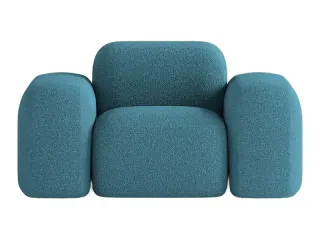
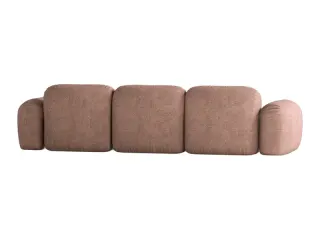
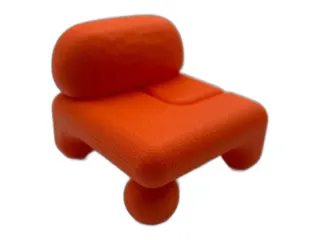
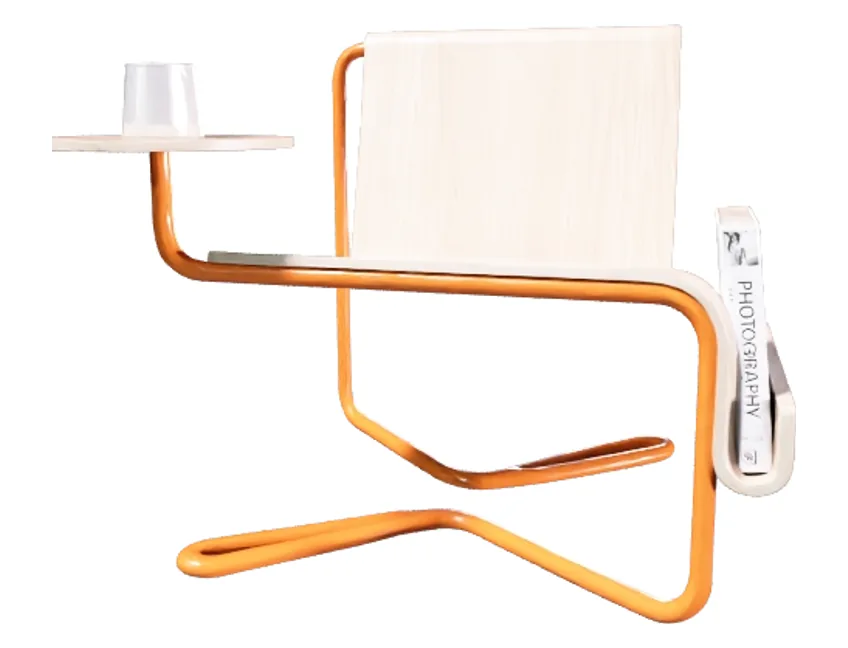
Real 3D Furniture Models Generated by This Tool
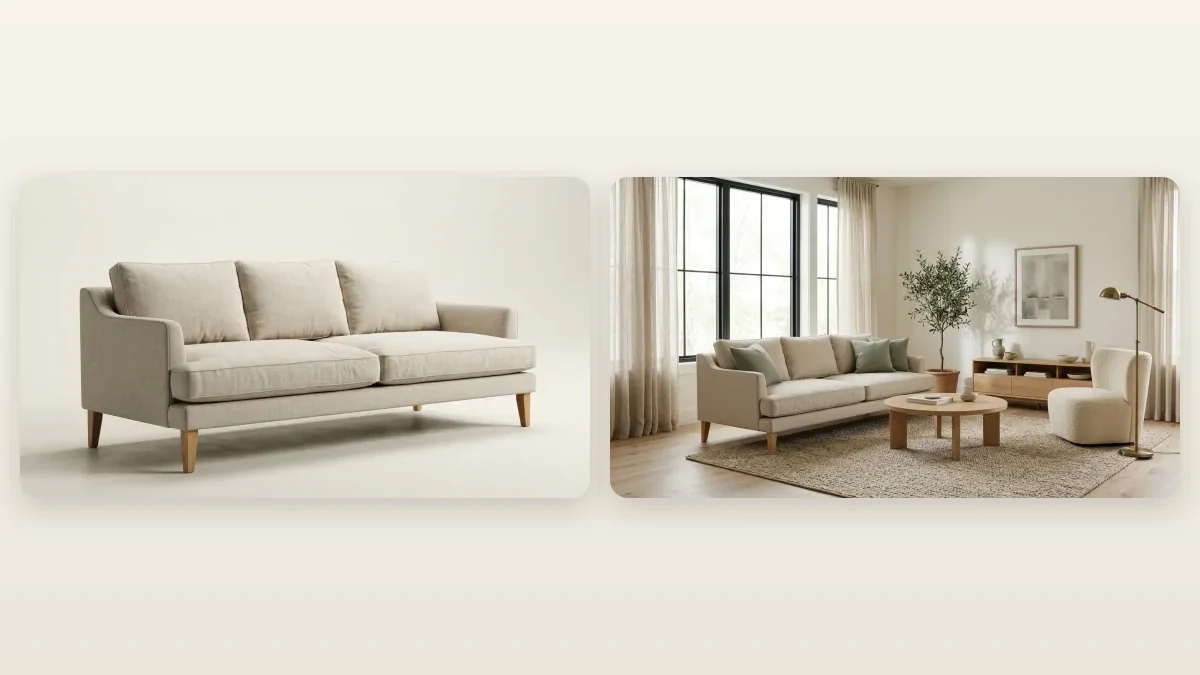
Each photo below is the exact photograph we uploaded. Tap View in 3D and the model it produced loads in place, ready to orbit and download as GLB or USDZ.
Furniture Is the Most Expensive Thing You Buy Without Seeing It First
A sofa runs $1,000 to $8,000, a custom dining table more, and both get chosen from a showroom with different light, different floors and different walls than yours. The design questions that actually matter, curved or straight, leather or bouclé, walnut or oak against your floor, get answered on delivery day, which is the one day it is too late.
Homeowners
The piece you own is the right size and the wrong design, or the piece you want exists only in your head. Either way, you are choosing between a fabric square in your hand and a four-figure order form, with nothing in between showing the actual piece in your actual room.
Furniture Makers & Upholsterers
Every commission starts with a client who cannot draw what they mean. Quoting against a mood board invites revisions; quoting against a render of their own piece, in their own room, in the agreed materials, closes in one conversation.
Designers & Brands
Concept development eats the budget before anything gets built. Twenty generated directions cost minutes; the two worth keeping go to CAD, the rest never burn a modelling hour.
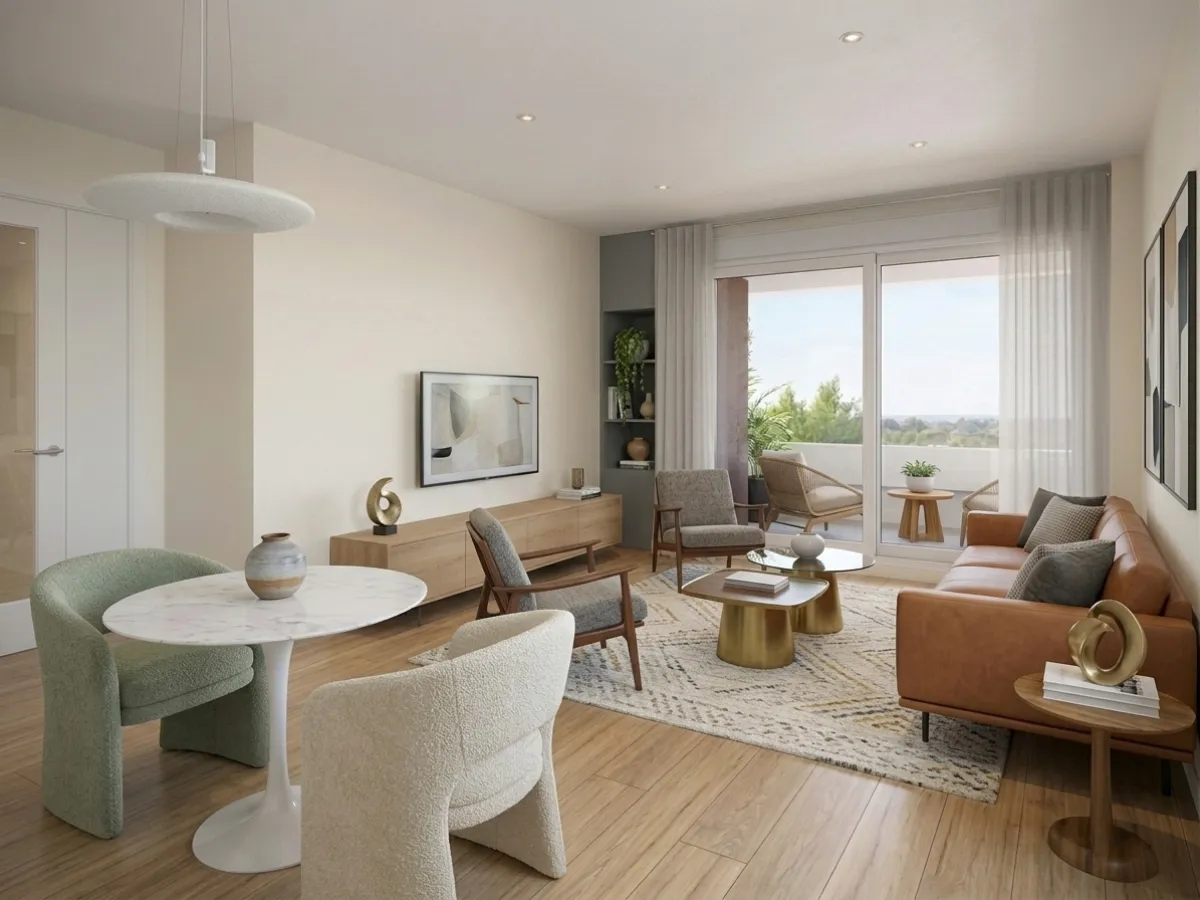
Skip the guessing. Upload a photo of the piece and MeltFlex AI regenerates it in the style and materials you choose, in under 30 seconds, keeping your room, your light and the piece's real position and scale. Compare Mid-Century against Organic Curved, bouclé against leather, walnut against oak, before anyone builds, reupholsters or orders anything.
Trusted by 213,000+ Homeowners, Makers & Designers

“I build custom pieces. A client brief used to be a mood board and hand waving. Now they send me the render and I quote against a picture we both agree on.”

“One phone photo of our old armchair and I had a 3D model of it spinning in the browser. We 3D printed a mini version before reupholstering the real one.”

“I design furniture for a small brand. Twenty concept variations before lunch instead of two sketches a day. The ones that survive go to CAD.”

“Wanted a walnut dining table but could not say what kind. Generated eight, showed the joiner one picture, and got exactly that table.”
“The armchair I inherited from my grandmother now exists as a 3D model. If anything ever happens to it, a maker can rebuild it from the file.”
“Tried the same sideboard in oak, walnut and black steel against our actual wall. The wall decided, not the showroom lighting.”

“I stage apartments. When a listing needs one hero piece, I generate it in the room photo first and then hunt for the closest real match.”
“The coffee table was always wrong and I could never say why. Turns out it was the height. The render made it obvious in one comparison.”
“Bouclé looked like a trend I would regret. Generated it on our own sofa, in our own light, and it looked right. Two years later it still does.”
“I make one-off tables from reclaimed timber. Clients pick from three generated versions of their own commission now. Deposits come in faster.”

“Furniture retail. We show a customer their own living room photo with the piece they are holding a swatch for. It ends the guessing.”
“I photographed a chair in a boutique in Milan and had the 3D model before my flight home. My architect dropped it straight into the apartment plan.”
- AI Furniture ChangerSwap the sofa, chairs or rug in a photo
- AI Interior DesignRedesign any room from a photo
- AI Layout BoostOptimize your furniture layout
- AI Style TransferRestyle your room to match a reference
- Virtual Staging AIStage empty listing photos in seconds
- AI Wall TextureTry paint colors & wall finishes


For interior designers
Become our interior designer and get clients
Publish your design so clients can find you.

3D Furniture Design You Can Test on Your Own Photo
Furniture design is four decisions wearing one price tag: the silhouette, the materials, the dimensions and whether it belongs in the room it is going into. A showroom answers none of them in your context. Upload a photo and the generator answers all four on your real floor, against your real walls, in your real light.
The photo decides the model
The 3D engine reconstructs exactly what it can see, so the photo is the whole brief. One piece per photo, the full piece in frame, and even light without harsh shadows. A plain or white background, the way furniture brands shoot their catalogues, gives the cleanest mesh, because nothing else competes for the silhouette. A three-quarter angle beats dead-on front, since it shows the engine two sides at once. Reflective chrome and glass are the hardest materials, and even those come out usable, as the chrome side table in the gallery above shows.
Furniture dimensions that decide whether it works
A generated piece keeps the footprint of the piece in your photo, which is exactly why the render is trustworthy: the design changes, the size that already fits your room does not. When you brief a maker from the render, these are the figures to write next to it.
| Measurement | Imperial | Metric | Why it matters |
|---|---|---|---|
| Sofa seat height | 17–18 in | 430–460 mm | Lower reads loungey and is harder to stand up from; bar-height legs read formal |
| Sofa depth | 35–40 in | 890–1015 mm | Deeper than 40 in needs cushions to sit against or it swallows everyone |
| Coffee table height | 16–18 in | 400–460 mm | Within 2 in of the sofa seat height, or every cup becomes a reach |
| Sofa to coffee table | 14–18 in | 355–460 mm | Close enough to reach, far enough to walk through |
| Dining table height | 29–30 in | 735–760 mm | The one figure that almost never varies; chairs are designed against it |
| Dining width per seat | 24 in | 610 mm | Six seats need roughly 72 in of table edge, whatever the shape |
| Sideboard height | 30–36 in | 760–915 mm | Counter-ish height keeps it usable for serving and lamps |
| Nightstand height | 24–28 in | 610–710 mm | Level with the top of the mattress, not the bed frame |
| Desk height | 29–30 in | 735–760 mm | Same rule as dining; the chair does the adjusting |
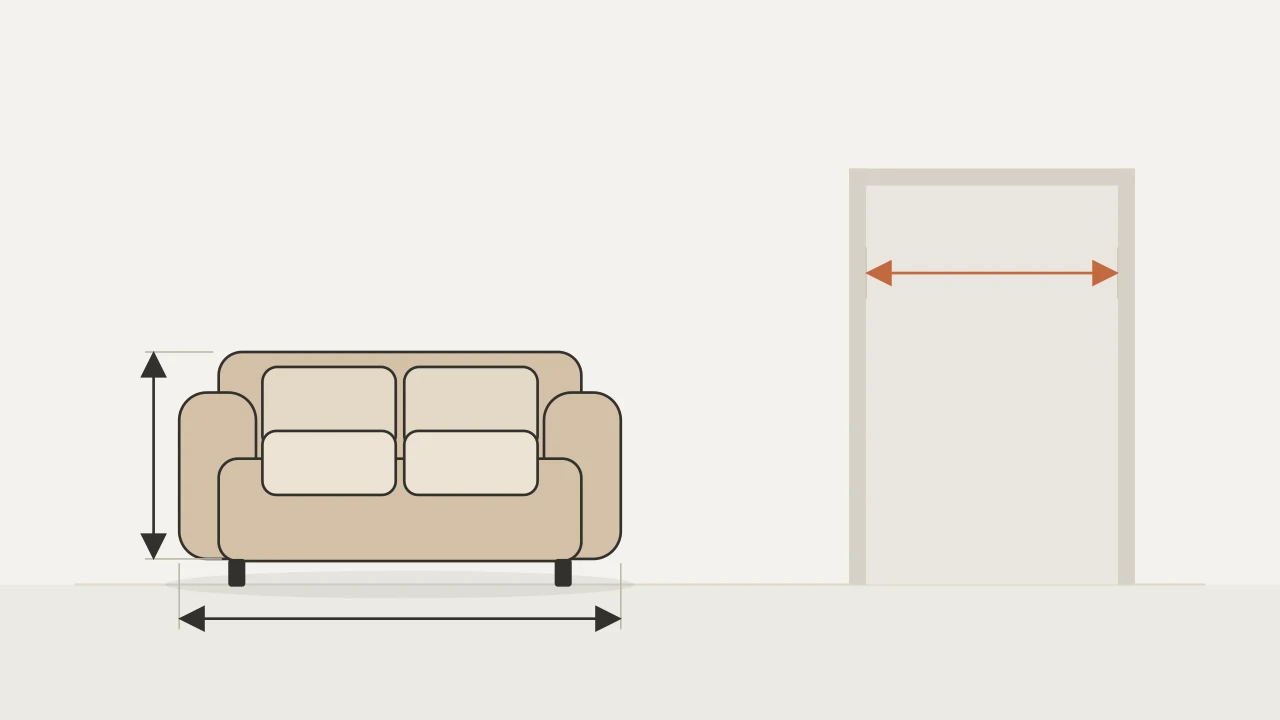
Typical residential figures. If the piece has to come through a hallway first, check it with the sofa-through-the-door calculator before anyone builds it.
3D renders and 3D models: this tool makes both
When people search for AI 3D furniture, they mean one of two things, and the two modes above split exactly along that line. The photo mode makes a photorealistic image of a piece, with real lighting, materials and perspective, which is what you need to decide on a design, brief a maker or match a purchase. The Text to 3D mode makes an actual mesh, a GLB you can orbit in the browser, download, texture with a refine pass and open in Blender, CAD software, a game engine or a 3D print slicer. The workflow for makers is both, in order: iterate the design as renders in seconds, then generate the winning concept as a mesh once, instead of modelling twenty concepts that will never be built.
Redesign the piece, or replace it
Two different jobs, two different tools. If the shape of your sofa is right and the design is wrong, this generator redesigns the piece itself, which is also the render an upholsterer or a joiner can work from. If the piece itself is wrong and you want a different one in its place, the AI furniture changer swaps it for a real product while holding the room fixed. And if the pieces are fine but the room still does not work, the problem is usually the arrangement, which is what AI layout boost is for.
From render to real piece
A render of your own commission is the shortest brief a furniture maker can receive: the silhouette, the materials, the proportions and the room it must live in, in one image. Makers quote against it, upholsterers pull the fabric direction from it, and clients approve it before a single board is cut. If you are matching a real sample instead, upload a photo of the fabric, leather or veneer and the AI applies it to just the upholstery, just the frame, or the whole piece.
Finish the room around it
The same photo workflow restyles everything around the piece: match it to your floors with the AI flooring visualizer, test the wall colour behind it with the AI wall texture tool, check the whole arrangement with AI layout boost, or redesign the entire room in the AI interior design studio. Your first furniture render is free, no credit card needed.
Live now
Weekly Creator Contest $10,000
Make your design in MeltFlex and submit by Sunday. Any room, any style.
Frequently Asked Questions
How does the AI 3D furniture generator work?
Upload one photo of a furniture piece and press Generate. The 3D engine reads the shape from the photo, rebuilds it as a real 3D mesh and bakes the materials on, in about three minutes. You can orbit the result in the browser and download it as GLB or USDZ. If you have no photo, describe the piece in text and the engine builds it from the description instead. Try it free.
Can AI generate 3D images of furniture?
Yes. AI can generate photorealistic 3D-quality images of furniture from a photo or a text description in under a minute: full lighting, materials, shadows and perspective, so the piece looks like a professional product render. That is different from generating a 3D mesh file for CAD software, which is a separate class of tool.
Does it produce 3D model files like GLB or OBJ?
Yes. The Text to 3D mode generates a real 3D mesh from your prompt in about a minute: a downloadable GLB (plus USDZ for AR) you can orbit in the browser, refine with baked PBR textures, and open in Blender, CAD software, game engines or a 3D print slicer. The photo mode is separate and produces photorealistic images of a redesigned piece in your own room.
What furniture can it generate?
Any piece a photo can hold: sofas, sectionals, armchairs, dining tables and chairs, coffee and side tables, beds and headboards, sideboards, media consoles, desks, bookshelves and dressers. The generator keeps the type of piece and its footprint, and redesigns the piece itself.
Can I generate furniture from a text description?
Yes. Describe the piece in the text field, like a curved 3-seater sofa in cream bouclé or a walnut dining table for six, and it goes into the brief word for word. Uploading a photo of your room or your existing piece gives the AI the position, scale and lighting to build against, which is what makes the result look real.
What is the difference from the AI Furniture Changer?
The Furniture Changer swaps a piece for a different product, like replacing your sofa with a catalog sofa, and holds the room fixed. The 3D Furniture Generator redesigns the piece itself: same type of furniture, same position and scale, new design, materials and construction. Use the changer to shop, the generator to design.
Can I match a real fabric or wood sample?
Yes. Alongside the eight preset palettes you can upload a photo of a real fabric, leather, veneer or stone sample and choose whether it applies to the upholstery, the frame and legs, the surfaces or the whole piece. The AI matches its colour, grain and sheen instead of guessing from a name.
Is the AI furniture generator free?
Yes. You can upload a photo and generate furniture designs for free. No account is required to get started, just upload and pick a style or a material.
What are the standard furniture dimensions?
The figures that matter most: sofa seat height 17 to 18 inches, sofa depth 35 to 40 inches, coffee table height within 2 inches of the sofa seat and 14 to 18 inches away, dining and desk height 29 to 30 inches, 24 inches of table edge per diner, sideboard height 30 to 36 inches, and a nightstand level with the top of the mattress at roughly 24 to 28 inches. The full table is in the guide above.
Is this useful for furniture makers and brands?
Very. Makers use it to turn a client conversation into an agreed picture before quoting, brands use it to explore twenty concept directions before committing one to CAD, and upholsterers work straight from a render of the client's own piece in the new fabric. The high-resolution output drops straight into a proposal.

