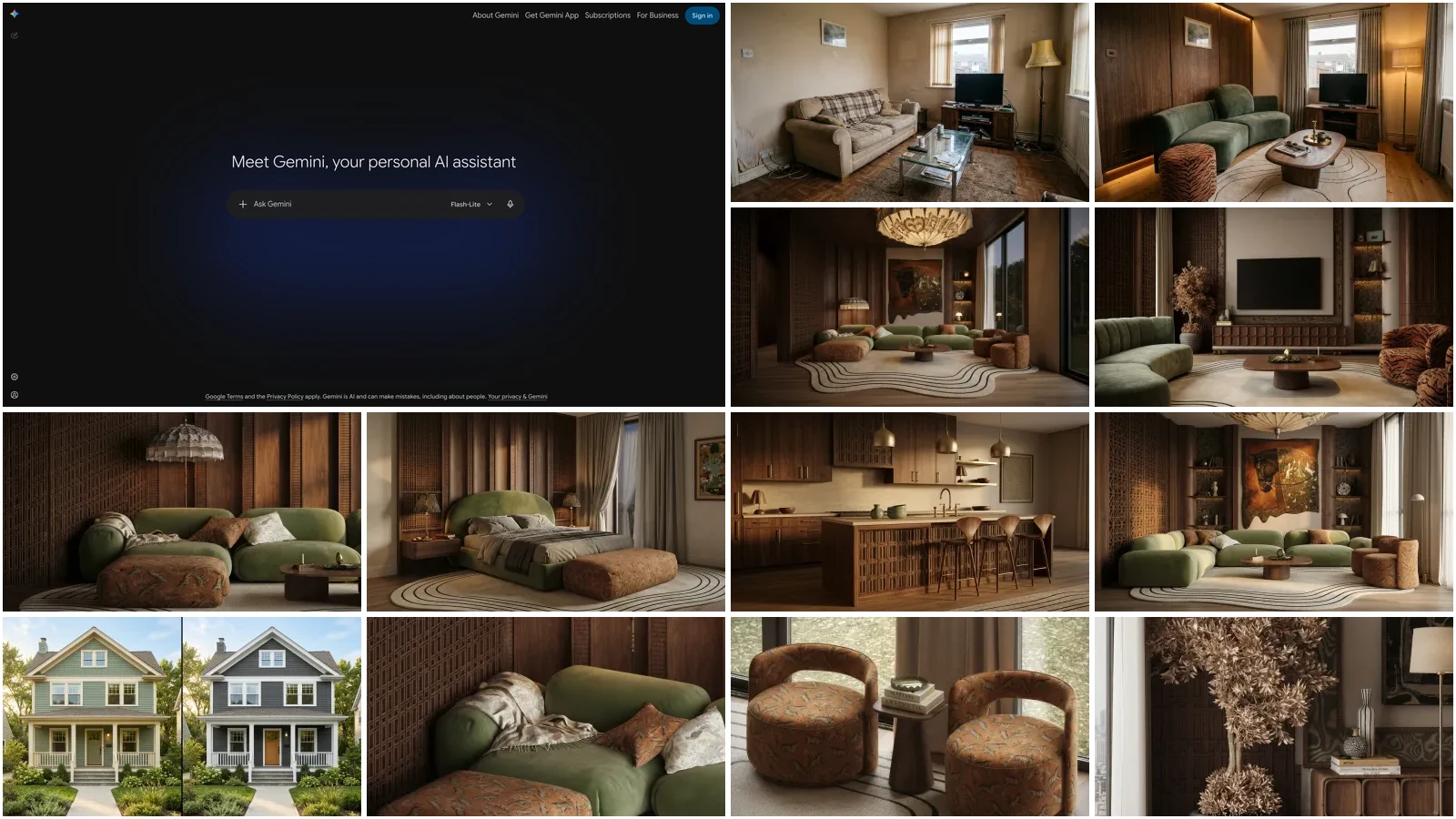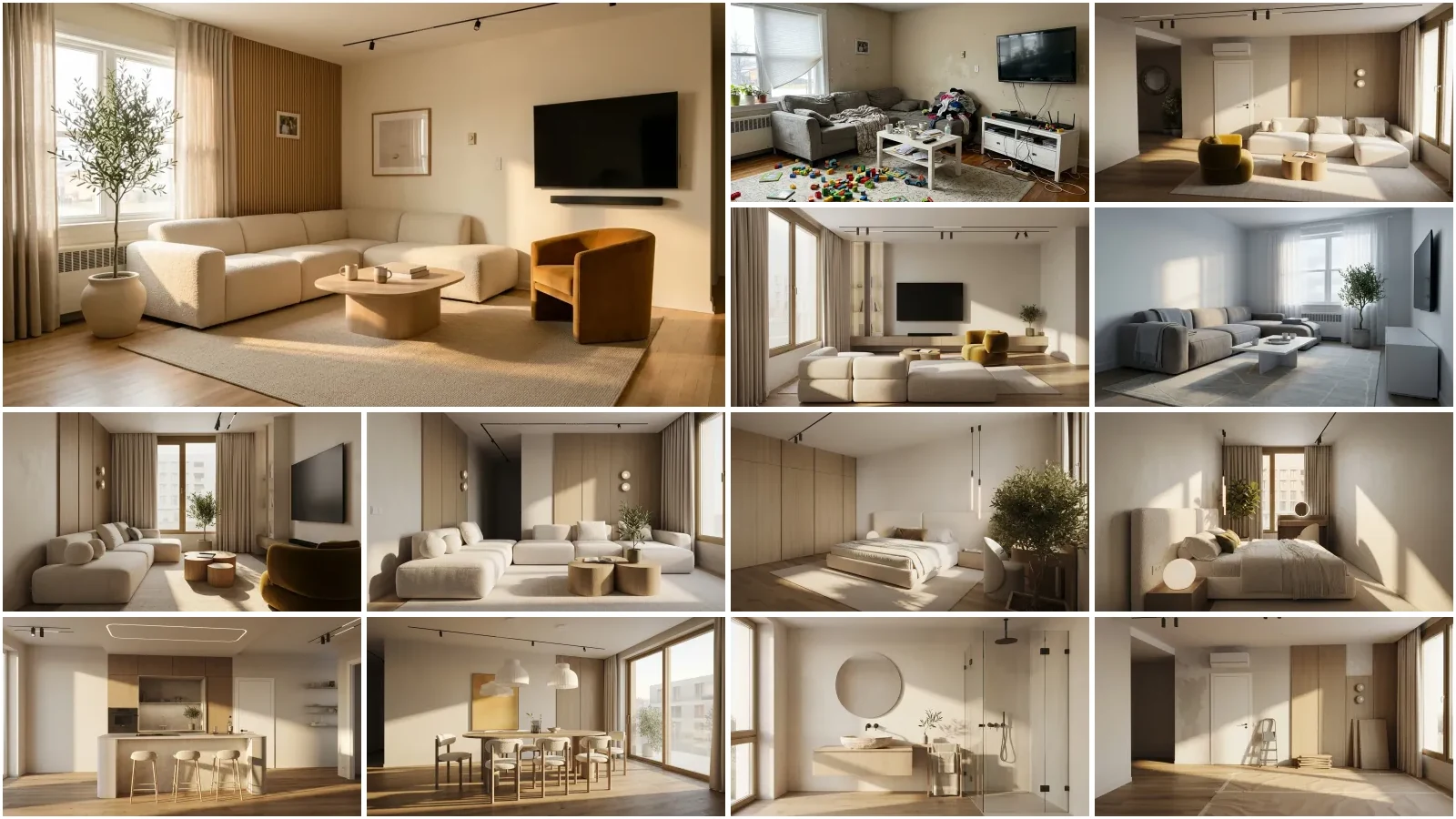
A room makeover prompt is one specific sentence that turns a photo of your room into a redesigned version of the same room, and the difference between a prompt that works and one that disappoints is a single clause almost everyone leaves out: what must stay the same. We build an AI interior design tool, MeltFlex, where restyling a photographed room is the core workflow, so we see daily which phrasings survive contact with real rooms. This guide is the distilled version: 40 copy and paste makeover prompts organised by what you actually want to change, a free generator that also writes the JSON format, and an honest section on why makeover prompts fail.
Our articles are still written by humans!
Get human written articles in your Google feed.
“People collect fifty prompts and skip the one clause that matters. Tell the model what it is not allowed to change. A mediocre style prompt with a good keep clause beats a beautiful style prompt without one every single time, because only one of them is still your room.”
Matúš Koleják, Co-Founder, MeltFlex
The short version
- Four parts, one sentence: room + style recipe with named materials + keep clause + lighting.
- The keep clause is the makeover. Without “keep the existing layout, walls and windows” you get a nice random room, not yours.
- Decoration prompts are the safest. The more real room the AI keeps, the less it can get wrong.
- JSON prompts hold up in long sessions. Structure survives refinement where sentences get rewritten.
- Prompts are model-agnostic. Everything here runs in ChatGPT, Gemini or a dedicated room tool unchanged.
- Two or three directions, then refine. Ten styles on one room burns credits and teaches nothing.
Jump to: The formula · Generator · Whole room · Aesthetic · Decoration · Rental safe · JSON prompts · Where to run them · Why they fail · FAQ
FreeUpload photo · freeRedesign my room for freeUpload a photo and let MeltFlex design your space. Your first AI design is free, no card needed.
The room makeover prompt formula
Every working makeover prompt in this guide is the same four-part sentence with different nouns. Learn the parts once and you can write an unlimited supply of your own:
The keep clause deserves the emphasis, because it is the part search results and prompt packs consistently omit. An image model asked to “make over this room” will happily draw a beautiful room that is not yours: wider, differently lit, window moved. The keep clause pins the makeover to the geometry in your photo, and stronger versions of it can protect your flooring, your furniture or, for renters, everything that cannot be changed without a landlord. The What-stays selector in the generator below writes these locks for you, and our ChatGPT room design tutorial shows the same principle applied step by step on one real room.
Free room makeover prompt generator
Pick a room, a style, what stays and the light, and copy the result as a plain sentence or as a JSON prompt. Every option is wording we have run ourselves, so any combination produces a prompt that renders well:
Interactive calculator
Loading… if it does not appear, refresh the page.
Whole room makeover prompts
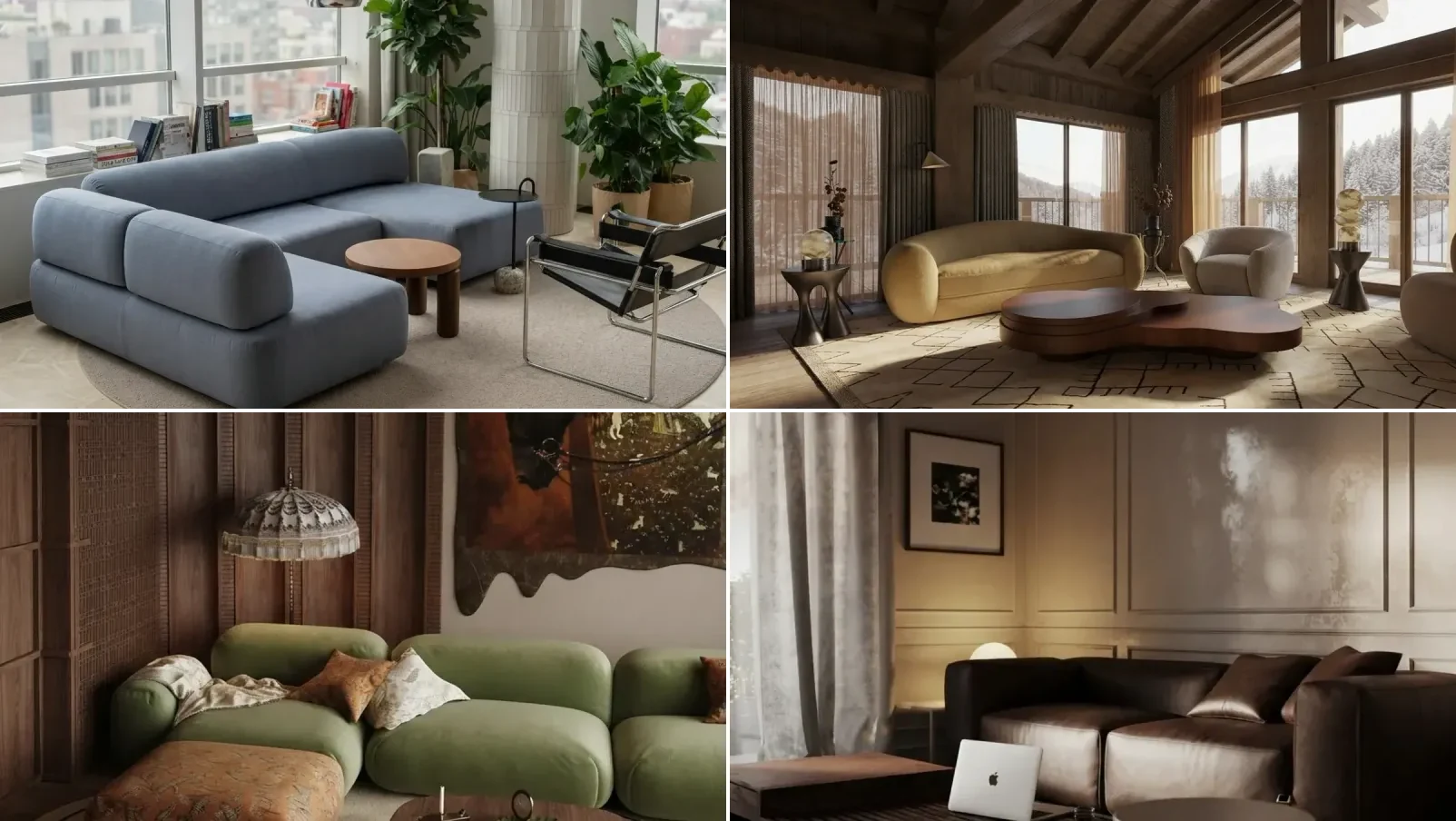
The full treatment: new furniture, new materials, new light, your geometry. Attach a wide photo of the room and run one of these unchanged, or swap the nouns for your own taste. The renders through this section are from our creations gallery and show the level of finish this kind of specific prompt aims at.
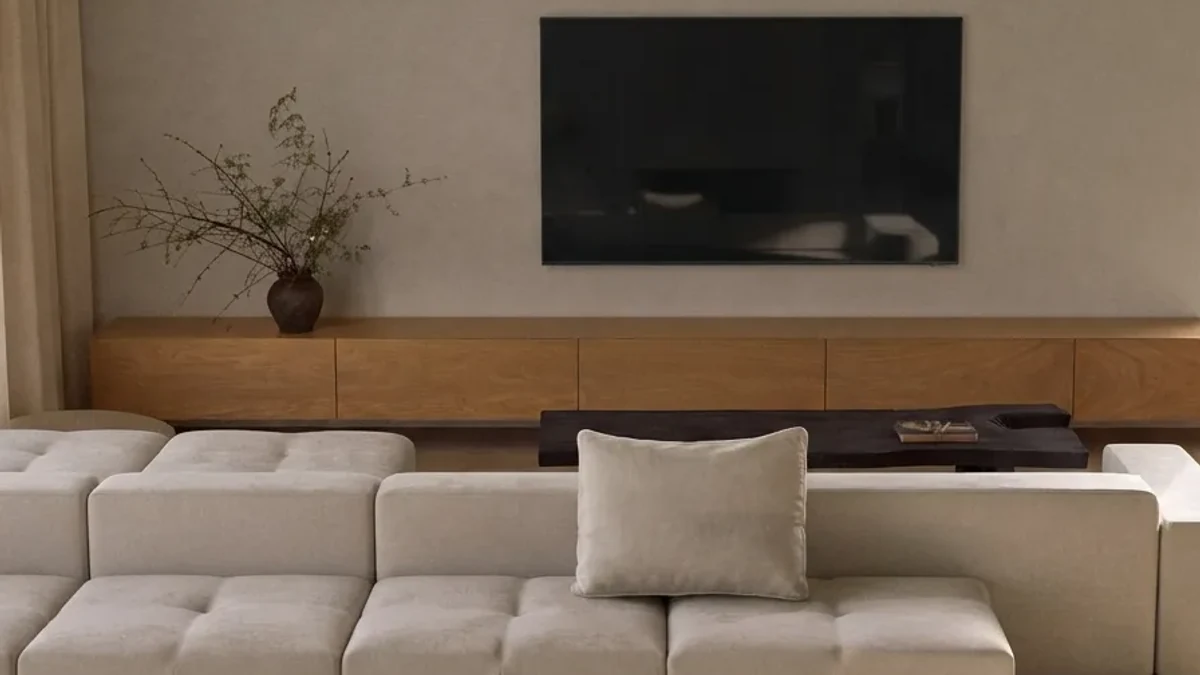
“Redesign this living room in a warm minimal style. Keep the existing layout, walls and windows. Cream modular sofa, full-width oak media wall, pale stone floor, one dried arrangement, warm afternoon light, photorealistic.”
“Redesign this living room in a warm modern organic style. Keep the existing layout, walls and windows. Low cream boucle sofa, round travertine coffee table, jute rug on pale oak flooring, linen curtains, one olive tree, bright natural daylight, photorealistic.”
“Redesign this living room in a Japandi style. Keep the existing layout, walls and windows. Low walnut-framed sofa with off-white cushions, black-stained oak slab coffee table, woven paper floor lantern, tatami-toned rug, soft diffused daylight, photorealistic.”
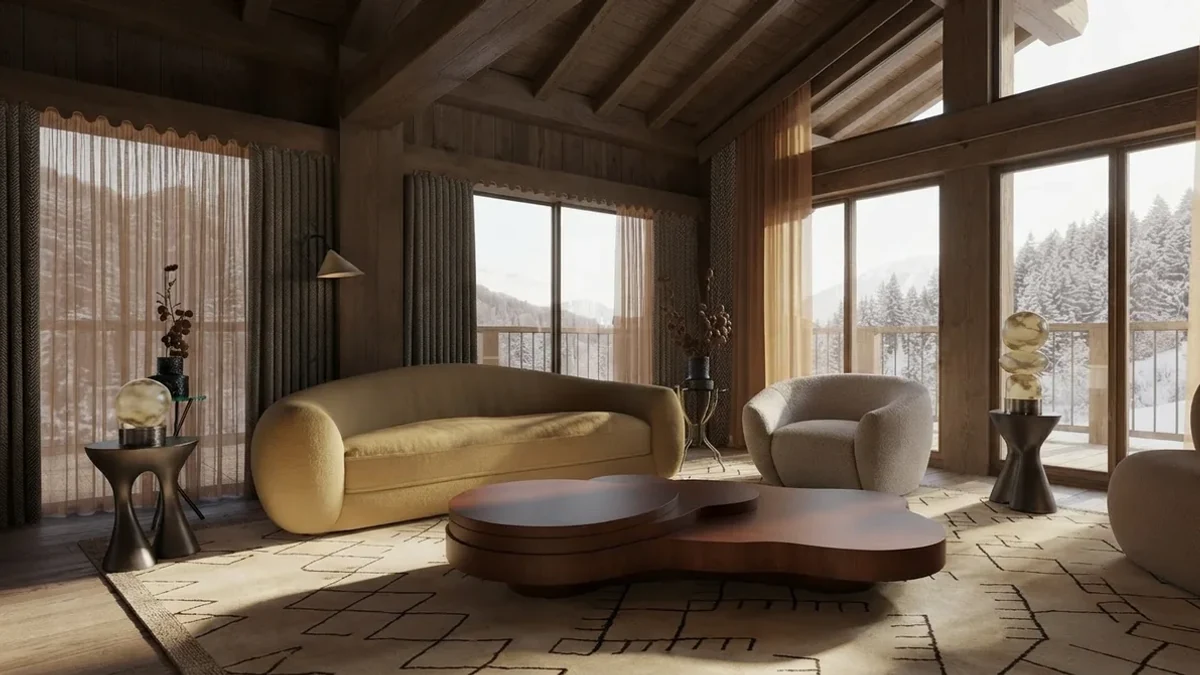
“Redesign this living room as a warm modern chalet. Keep the existing layout, walls and windows. Curved butter yellow sofa, cream boucle lounge chairs, low organic-shaped wood coffee table, timber ceiling, sheer curtains, low golden afternoon sun, photorealistic.”
“Redesign this bedroom in a calm classic-modern style. Keep the existing layout, walls and windows. Cream panelled walls, low bed with washed grey linen bedding, slim brass wall reading lights, dark timber floor, soft morning side light, photorealistic.”
“Redesign this small bedroom to feel larger. Keep the existing layout, walls and windows. Wall-mounted nightstands, a low platform bed, full-height sheer curtains, one large mirror opposite the window, pale palette, bright airy daylight, photorealistic.”
Bedrooms deserve their own drawer of these: the dedicated bedroom design prompt library goes 35 deep, from small rooms and couples to kids and guest rooms.
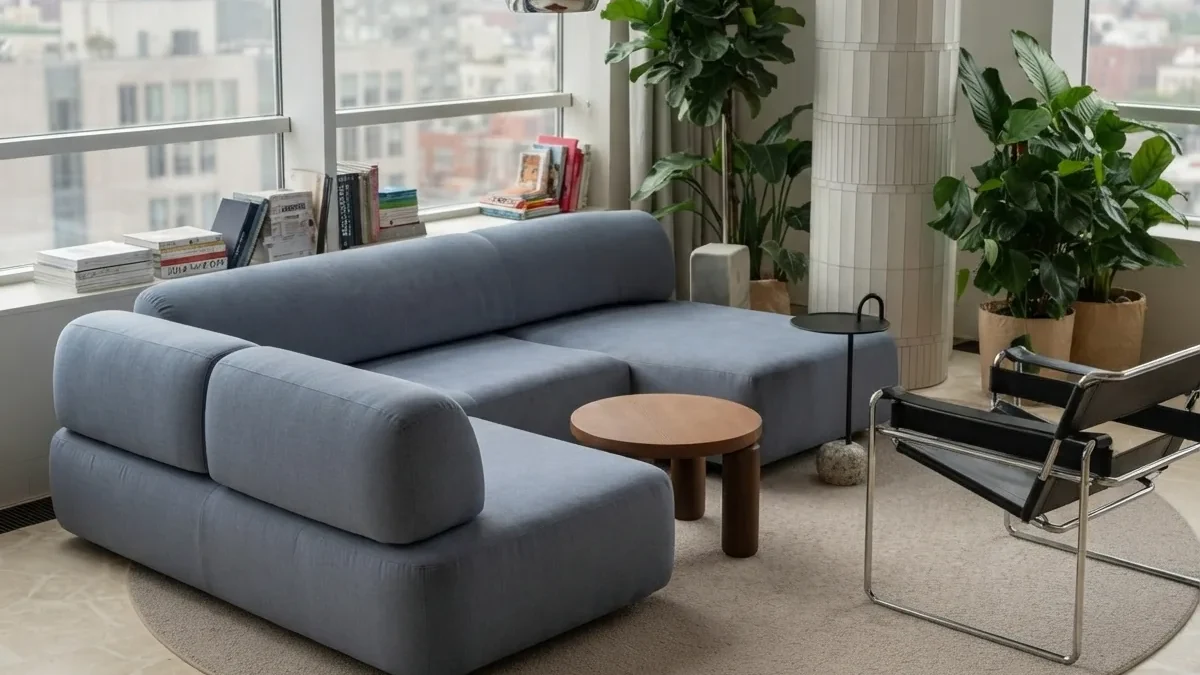
“Redesign this living room as a bright modernist loft. Keep the existing layout, walls and windows. Blue fabric modular sofa, round wood coffee table, chrome accent chair, tall potted plants by the glazing, pale timber floor, bright diffused daylight, photorealistic.”
“Redesign this studio apartment with clear zones. Keep the existing layout, walls and windows. A low open shelf dividing sleep from living, one sofa, one small round dining table for two, warm consistent wood tones throughout, bright morning light, photorealistic.”
“Redesign this home office for deep work. Keep the existing layout, walls and windows. Wide oak desk facing the window at an angle, closed storage instead of open shelves, one comfortable reading chair, muted green accent wall, soft daylight, photorealistic.”
“Redesign this dining room around one long table. Keep the existing layout, walls and windows. Oval oak dining table, mixed boucle and leather chairs, one low pendant centred over the table, large calm artwork, warm early evening light, photorealistic.”
If the artwork is the part you want to see properly, the AI wall art prompts hang a specific painting on a photo of the wall, with the frame count written in.
“Redesign this kids room to grow with the child. Keep the existing layout, walls and windows. A proper single bed instead of a toddler bed, low open storage the child can reach, a reading corner with a small armchair, warm neutral base with one color accent, bright daylight, photorealistic.”
“Redesign this living room for a family with a toddler. Keep the existing layout, walls and windows. Rounded furniture edges, a washable slipcover sofa, a large low-pile rug, closed storage for toys, nothing fragile below one meter, bright practical daylight, photorealistic.”
Aesthetic and mood makeover prompts
Sometimes the brief is not a style name but a feeling: cozier, moodier, calmer, more expensive looking. These prompts lead with the mood and let the materials serve it. They are also the answer to the “aesthetic room makeover” searches: an aesthetic is just a mood plus a consistent palette, named precisely.
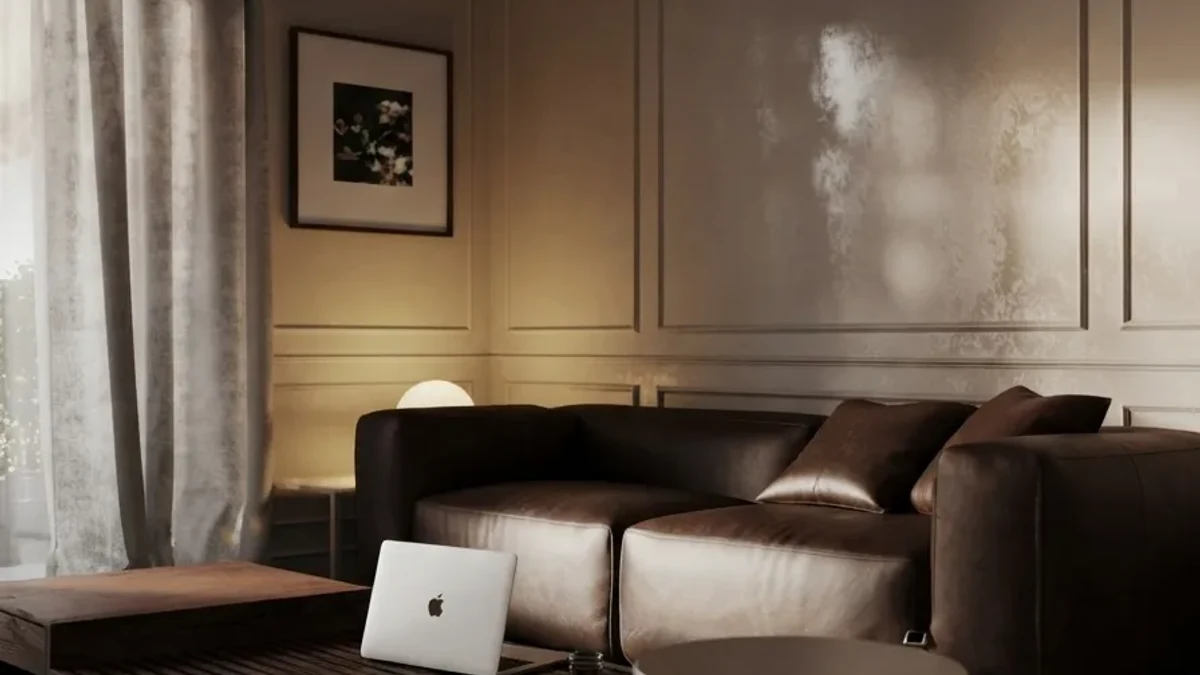
“Make this living room moodier and more intimate. Keep the existing layout, walls and windows. Deep brown leather sofa, warm panelled walls, layered low lamplight instead of overhead light, dark rug, evening atmosphere, photorealistic.”
“Make this living room feel cozier without making it smaller. Keep the existing layout, walls and windows and the main furniture. Add a chunky knit throw, layered cushions in warm rust tones, a larger rug, warm 2700K lamplight, sheer curtains, photorealistic.”
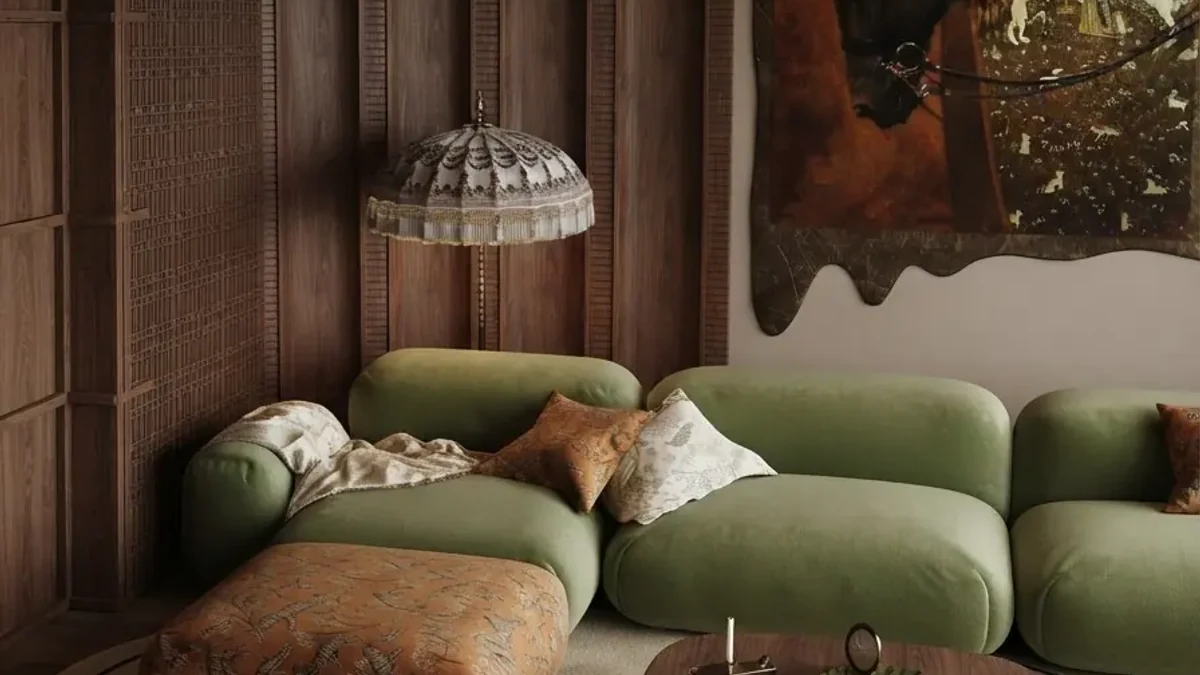
“Give this living room an earthy seventies aesthetic. Keep the existing layout, walls and windows. Moss green modular sofa, rust and patterned cushions, dark wood panelling, a woven pendant light, warm enveloping lamplight, photorealistic.”
“Make this bedroom feel like a quiet luxury hotel. Keep the existing layout, walls and windows. Crisp white bedding with a folded camel throw, symmetrical nightstands and lamps, full-height curtains, no visible cables or clutter, soft warm side light, photorealistic.”
“Give this living room a bright airy coastal aesthetic. Keep the existing layout, walls and windows. White slipcover sofa, whitewashed oak coffee table, pale blue and sand accents, light woven rug, sheer white curtains, bright morning light, photorealistic.”
“Make this room feel calmer and less visually noisy. Keep the existing layout, walls, windows and furniture. Reduce the palette to three colors, remove small objects, group what remains into fewer larger arrangements, soft diffused daylight, photorealistic.”
“Give this living room a dark academia aesthetic. Keep the existing layout, walls and windows. Forest green walls, floor-to-ceiling bookshelves, a cognac leather sofa, a brass reading lamp, burgundy Persian rug, warm low evening light, photorealistic.”
“Make this room look more expensive without changing the furniture. Keep the existing layout, walls, windows and furniture. Full-height curtains hung close to the ceiling, one large piece of art instead of many small ones, matching metal finishes, hidden cables, warm layered lighting, photorealistic.”
Room decoration prompts, the furniture stays
For the tools rather than the wording, we ranked nine of them in best AI for decorating a room, scored on whether they can leave your furniture alone.
The most searched and least served version of the makeover: everything big stays, and the AI restyles only what you could change in a weekend with a modest budget. These are the prompts to run first, for two reasons. They are the cheapest to execute in real life, and they are the most reliable to render, because the more of the real room the model keeps, the less it can get wrong.
“Redecorate this living room without changing any furniture. Keep the existing layout, walls, windows and all furniture. Change only cushions, throws, curtains, rug, lamps and wall decor, in a warm neutral palette with rust accents, photorealistic.”
“Restyle this shelf and wall decor only. Keep everything else in the room exactly as it is. Fewer, larger objects, books stacked both ways, one trailing plant, matted frames in one finish, photorealistic.”
“Change only the textiles in this bedroom. Keep the existing layout, walls, windows and furniture. New washed linen bedding in sage, layered blanket at the foot, two more cushion sizes, a larger rug under the bed, photorealistic.”
“Change only the wall color in this room. Keep the existing layout, windows, flooring and furniture. Repaint in a warm off-white with a subtle limewash texture, adjust nothing else, photorealistic.”
“Redecorate this living room for autumn. Keep the existing layout, walls, windows and furniture. Swap textiles to amber, rust and chocolate tones, add one seasonal arrangement, warm the lighting, no pumpkins or lettered signs, photorealistic.”
“Update only the lighting in this room. Keep the existing layout, walls, windows and furniture. Replace the single overhead light with three layers: a floor lamp by the seating, a table lamp on the sideboard, and a picture light over the art, warm evening scene, photorealistic.”
“Add plants to this room, nothing else. Keep the existing layout, walls, windows and furniture. One statement tree in a ceramic pot, two mid-size plants, one trailing plant on the shelf, placed where the light from the window actually reaches, photorealistic.”
“Declutter this room without redesigning it. Keep the existing layout, walls, windows and furniture. Remove visible cables, papers and small objects, close the storage, straighten the textiles, leave three decorative objects per surface maximum, photorealistic.”
If a decoration pass solves the room, you never needed the full makeover. If it does not, you now know the problem is the furniture or the layout, and that is exactly what the furniture placement guide and a room-accurate tool are for.
Rental safe and renovation makeover prompts
Two opposite constraints, one principle: say explicitly what is off limits. A rental prompt forbids everything permanent; a renovation prompt is the one place the keep clause loosens.
“Make over this rental living room. Keep the existing layout, walls, windows, wall color and flooring, nothing drilled or painted. New sofa cover, large rug over the existing floor, freestanding shelving, plug-in wall lamps with cable covers, leaning mirror instead of hung, photorealistic.”
“Make over this rental bedroom. Keep the existing layout, walls, windows, wall color and flooring. A freestanding headboard effect using a large leaning frame, new bedding, clip-on reading lights, a folding screen as a wardrobe divider, photorealistic.”
“Show this living room renovated with one wall opened to the kitchen. Keep the window positions and flooring. Widen the opening between the rooms to about two meters with a clean square edge, and restyle the furniture to suit the new sightline, bright daylight, photorealistic.”
“Show this room with the ceiling and trim renovated. Keep the existing layout, windows and flooring. Add simple square wall panelling painted with the wall, a slim cornice, and replace the ceiling light with a plaster half-dome, photorealistic.”
“Show this bathroom renovated in warm minimal style. Keep the window and door positions. Pale oak floating vanity, stone basin, large round mirror, warm off-white microcement walls, matte black tapware, photorealistic.”
“Show this kitchen renovated with the same footprint. Keep the window and door positions and the appliance locations. Oak cabinetry with a stone-topped island, integrated appliances, a linear ceiling light, photorealistic.”
“Renovate this room's floor only. Keep the existing layout, walls, windows and furniture. Replace the flooring with wide pale oak planks laid toward the window, matching skirting, photorealistic.”
“Show this attic room converted to a bedroom. Keep the roof line and window positions. A low bed under the slope, built-in eaves storage, warm white walls between timber rafters, one dormer reading corner, soft morning light, photorealistic.”
JSON room transformation prompts
A growing slice of makeover searches asks for JSON prompts, and the reason is practical rather than fashionable: over a long refinement session a chat model gradually rewrites a sentence prompt, and your keep clause is usually the first casualty. Structure survives. A JSON prompt keeps the lock, the materials and the output settings in named fields the model treats as constraints rather than prose to improvise around:
{ "task": "room makeover from the attached photo", "room": "living room", "keep_unchanged": ["layout", "walls", "windows", "flooring"], "style": { "name": "warm modern organic", "materials": "pale oak, travertine, oatmeal linen", "furniture": "low cream boucle sofa, round travertine coffee table, one olive tree" }, "lighting": "bright natural daylight", "output": { "photorealistic": true, "camera": "same angle as the photo" } }
{ "task": "room makeover from the attached photo", "room": "bedroom", "keep_unchanged": ["layout", "walls", "windows", "wall color", "flooring"], "style": { "name": "quiet luxury hotel", "materials": "crisp white cotton, camel wool, antique brass", "furniture": "existing bed restyled with new bedding, symmetrical lamps" }, "lighting": "soft warm side light", "output": { "photorealistic": true, "camera": "same angle as the photo" } }
{ "task": "decoration only, furniture stays", "room": "living room", "keep_unchanged": ["layout", "walls", "windows", "all furniture"], "change_only": ["cushions", "throws", "curtains", "rug", "lamps", "wall decor"], "palette": "warm neutrals with rust accents", "lighting": "warm early evening, lamps on", "output": { "photorealistic": true, "camera": "same angle as the photo" } }
{ "task": "iterate on the previous render", "change": ["swap sofa color to moss green", "add one large round brass mirror", "switch to evening light"], "keep_unchanged": ["everything else from the previous image"], "output": { "photorealistic": true } }
The generator above writes this format for any combination you pick, so you do not need to hand-edit braces. One honest caveat: JSON does not make a weak model strong. It preserves your instructions; it does not improve what the model can do with them.
Where to run makeover prompts: ChatGPT, Gemini or a room tool
Every prompt in this guide runs unchanged in all three. For the model-specific photo workflow, use the dedicated walkthroughs: the ChatGPT room design tutorial covers the audit-first photo chain, and the Gemini room design guide covers Google’s side including the reusable Gem setup. For bigger prompt libraries beyond makeovers, the ChatGPT interior design prompts and Gemini prompts collections go 70 and 52 deep, and the general prompt playbook covers every room type. Free-tier image caps move over time; OpenAI publishes the current ones in its image generation rate limits article.
Watch a makeover run on a real photo
This is the execution end of the workflow, shown rather than described: one photo of a real living room goes in, the layout stays, and the furniture placed in the result is real and shoppable:
A MeltFlex makeover of a real living room from one photo, at true scale, with every piece matched to a buyable product.
Why makeover prompts fail
1. No keep clause. The number one failure. The model draws a lovely room that is not yours, and the makeover is useless because nothing in it maps onto your actual space.
2. Adjectives instead of nouns. “Modern, cozy, stylish” hands every decision to the model’s averages: a grey sofa, a glass table, hotel-lobby art. Name the materials and the anchor pieces; steal nouns from the prompts above if they do not come naturally.
3. A dark, cropped photo. The model can only preserve what it can see. Half a room in, half a room invented.
4. Restarting instead of refining. Each new full prompt is a new room. After the first decent render, change one or two things per reply, or use the iterate-style JSON prompt that names only the changes.
5. Trusting the render’s dimensions. No general model measures. The sofa it draws may not fit through your door, let alone the wall it sits on. When a direction wins, run it through a tool that works at true scale before you buy anything; that is the entire reason the MeltFlex step exists in this workflow.
How we made the images in this article
The interiors in this article are AI renders from our own creations gallery, produced with the MeltFlex engine, and the cover is a collage of four of the same rooms you see in the sections above. They show the level of finish a specific, well-built makeover prompt aims at rather than the output of any single chat session. The video is our own demo of a real room makeover from one photo.
Room makeover prompt FAQ
What is a room makeover prompt?
A room makeover prompt is a short instruction you give an AI together with a photo of your room, describing the restyle you want while locking what must stay the same. A working one has four parts: the room, a style recipe with named materials and furniture, a keep clause such as “keep the existing layout, walls and windows”, and the lighting. The keep clause is what separates a makeover of your room from a random generated room.
How do I write a prompt for a room makeover?
Use one specific sentence with four parts: name the room, name the style with two or three concrete materials and anchor furniture pieces, state what must not change, and set the lighting. For example: “Redesign this living room in a warm modern organic style. Keep the existing layout, walls and windows. Low cream boucle sofa, round travertine coffee table, pale oak floor, linen curtains, bright natural daylight, photorealistic.” Vague prompts like “make it nicer” hand every decision to the model and return a generic room.
What is the best free AI for a room makeover?
For quick experiments, Gemini currently stays closest to your uploaded photo and ChatGPT writes the best plans around the image, and both run makeover prompts free with daily image caps. For a makeover you intend to act on, a dedicated room tool is the stronger free start: MeltFlex keeps your exact layout and places real, buyable furniture at true scale on its free tier, so the render doubles as a shopping list.
What is a JSON room transformation prompt?
It is the same makeover request written as structured data instead of a sentence: fields for the room, what to keep, the style, materials and lighting. Chat models respect the structure when refining, so your keep clause and materials survive long editing sessions where a plain sentence gets gradually rewritten. It is a real trend in makeover prompting, and the generator in this guide writes the JSON version of any prompt you build with one toggle.
Can I make over a room without changing the furniture?
Yes, that is a decoration prompt rather than a full makeover. Tell the AI to keep the existing furniture and layout and change only textiles, wall color, lighting, curtains and decor. It is the cheapest makeover to actually execute, and it is also the most reliable prompt type, because the more of the real room the AI keeps, the less it can get wrong.
Why does the AI change my room layout during a makeover?
Because general image models generate a new picture guided by your photo rather than editing it pixel by pixel. Run the same makeover twice and the window can move or the room can widen. A keep clause in every prompt reduces the drift a lot but does not eliminate it. If the makeover must sit inside your exact room, run the prompt in a purpose-built room tool that locks the geometry instead of a general chatbot.
Are room makeover prompts different for ChatGPT and Gemini?
The prompt structure is identical, so every prompt in this guide works in both. The difference is behavior: Gemini tends to stay closer to the uploaded photo, while ChatGPT is the stronger planner and writer around the makeover. We keep dedicated walkthroughs for each, with the model-specific photo workflow, in our ChatGPT room design and Gemini room design tutorials.
How many makeover prompts should I try on one room?
Two or three directions, then refine the winner. Running ten different styles burns free-tier image credits without teaching you anything, because the decision is rarely between ten looks. Pick two contrasting directions and one wildcard, compare them against the same photo, then spend your remaining generations refining the one that fits the room and your budget.