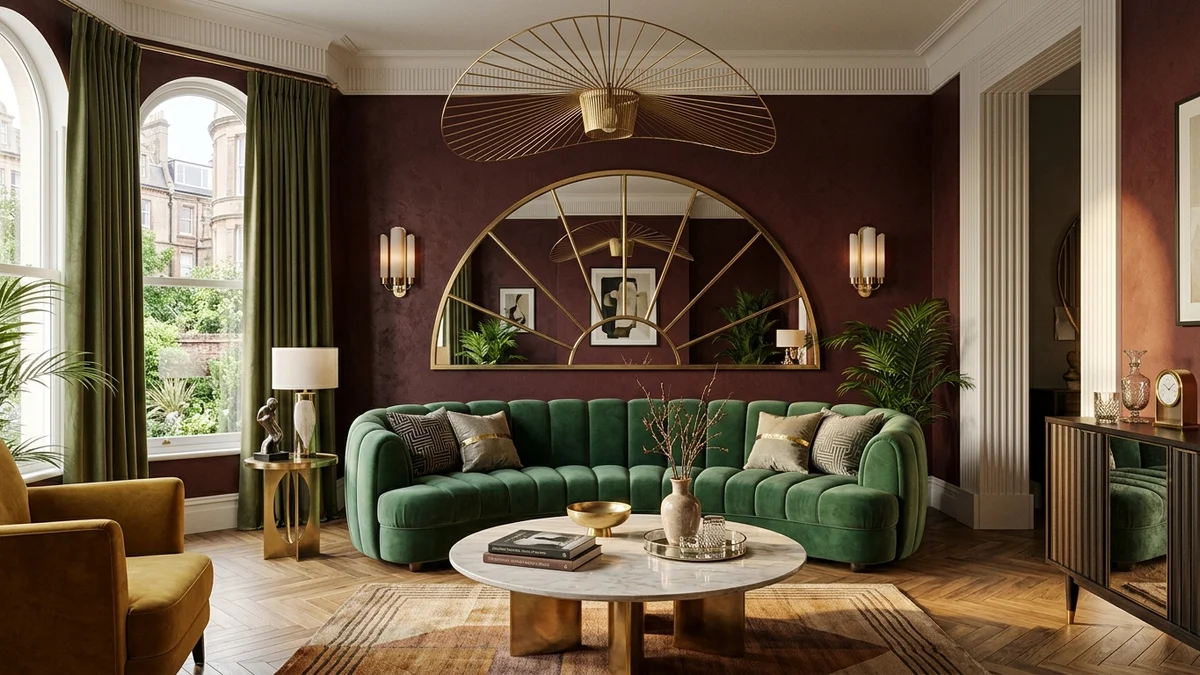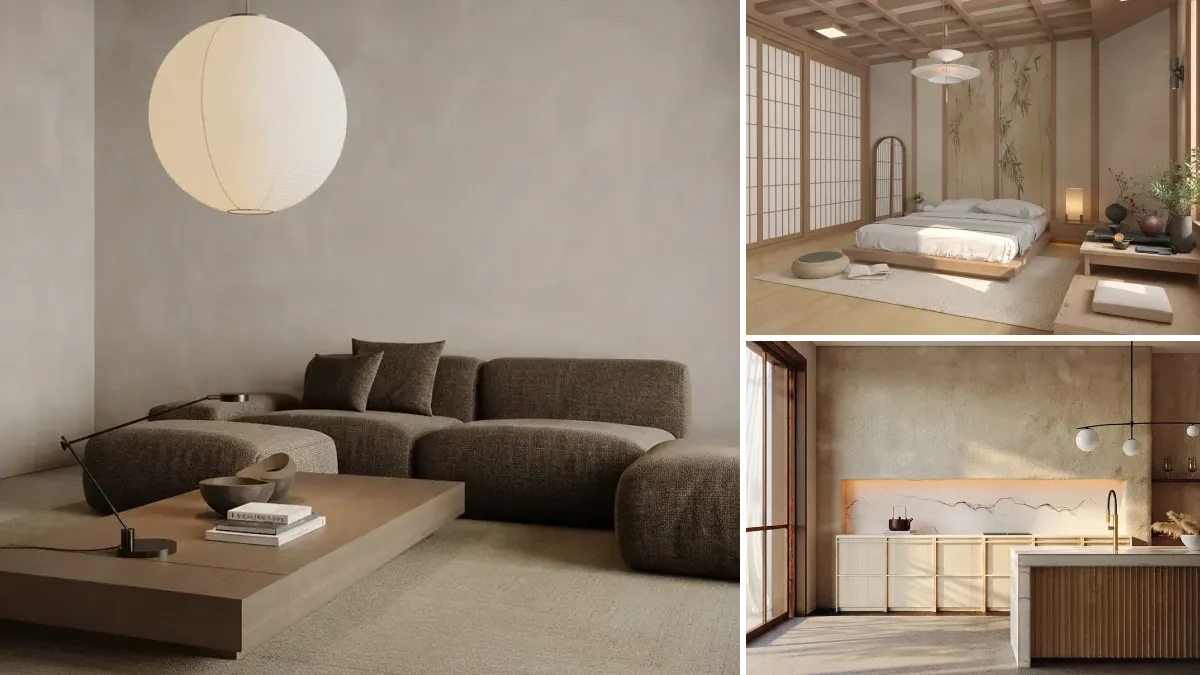
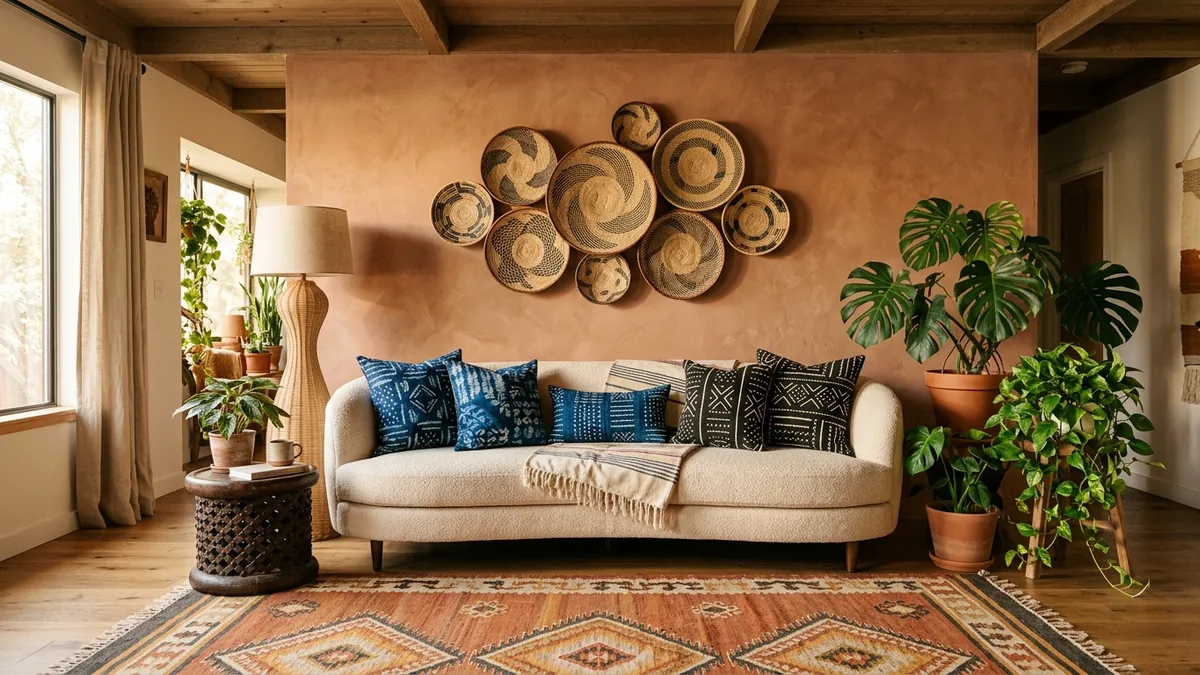
For most of the last decade, interiors got cooler and quieter. Grey walls, matched sofas, a single macrame hanging as the token “boho” gesture. Afrohemian is the warm, soulful correction, and right now it is one of the fastest-rising looks of the year. Pinterest named it in its Pinterest Predicts 2026 report, and the search data behind it is loud: heading into 2026, searches for afrobohemian home decor rose around 220% and Adire fabric around 130%.
Our articles are still written by humans!
Get human written articles in your Google feed.
Here is the part most trend articles skip: knowing the recipe is the easy half. Picturing it in your own room, with your own light and your actual walls, is the hard half, and it is where a rich, layered look like this goes wrong. So every room photo in this guide is a render, and every one was generated in MeltFlex AI. Read it, pick the version you like, then upload a photo of your real room and watch it turn Afrohemian before you buy a single basket.
FreeUpload photo · freeRedesign my room in AfrohemianUpload a photo of your room and MeltFlex restyles it in Afrohemian, with furniture that fits the space. Your first AI design is free, no card needed.
Why Afrohemian Is Everywhere in 2026
Afrohemian is riding the same wave that ended the all-grey era. After years of stripped-back, sand-everything-down minimalism, people want warmth, texture, and rooms that feel like a person actually lives there. Pinterest describes the 2026 direction as a decisive shift away from safe minimalism toward interiors that are expressive, immersive, and personal. Afrohemian is that idea with a specific accent.
It also rides the return of craft. The 2026 mood everywhere is handmade over mass-made: natural fibres, visible weave, imperfect finishes, objects that carry a story. Afrohemian is craft-forward by definition, which is why it landed on the 2026 interior design trend lists next to warmer, more tactile looks like the Neo Deco revival, organic luxe, and warm minimalism. Different vocabularies, same instinct: people are done with rooms that look like rental listings.
What Is Afrohemian, Exactly?
Afrohemian, sometimes written Afro-bohemian, is a style that fuses African design heritage with relaxed bohemian warmth. Think handwoven cloth, carved wood, woven baskets, terracotta and indigo, and a lot of plants, arranged so the room feels collected over years rather than bought in one afternoon.
The single most important element is textiles. The richness of an Afrohemian room comes from cloth: the layering of rugs, cushions, throws and wall hangings that give a space depth. Everything else, the rattan, the baskets, the greenery, is there to support those textiles and the earthy palette they live in.
The practical takeaway is that you do not need to renovate. Afrohemian lives in soft goods and accessories. A neutral room can become Afrohemian with a rug, a few cushions, a basket wall, and a warm coat of paint. The look is in the layering, not the architecture.
Afrohemian vs Boho: What Actually Changed
Afrohemian gets called “just boho” a lot, and that misses the point. The mid-2010s boho that flooded feeds was cool-toned, macrame-heavy, and mostly fast-fashion pattern piled up until it read as busy. Afrohemian is warmer, more disciplined, and rooted in real craft traditions.
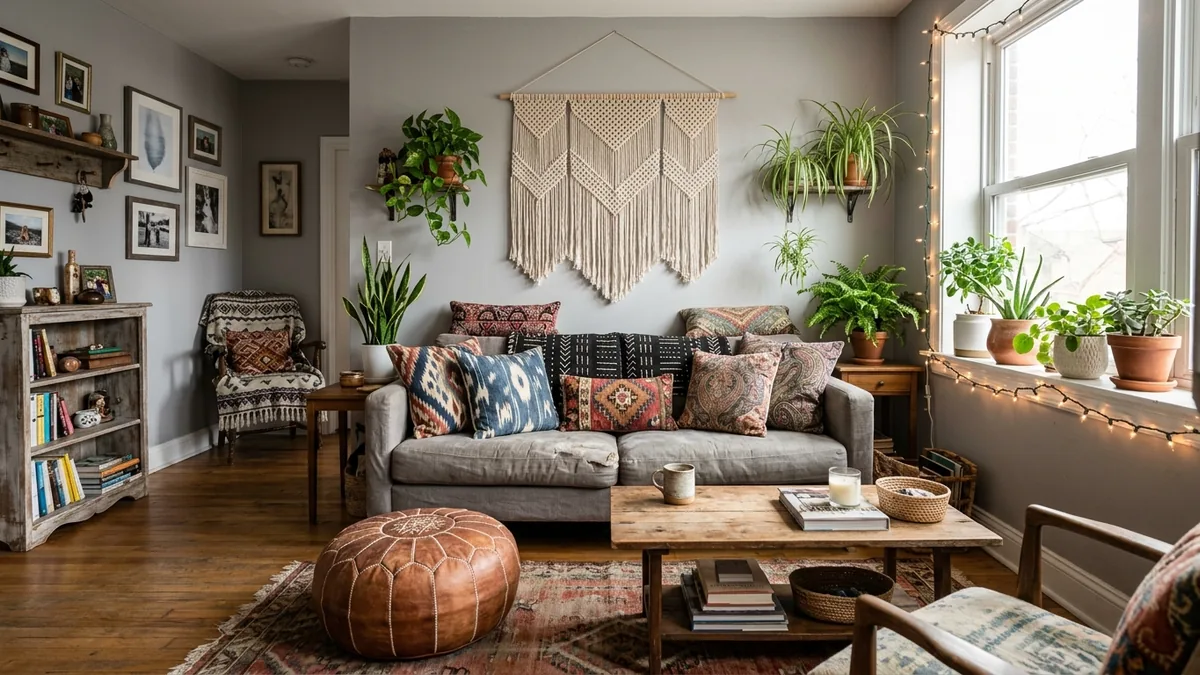
Then: generic 2010s boho, cool greys, macrame, string lights, and mismatched fast-fashion pattern
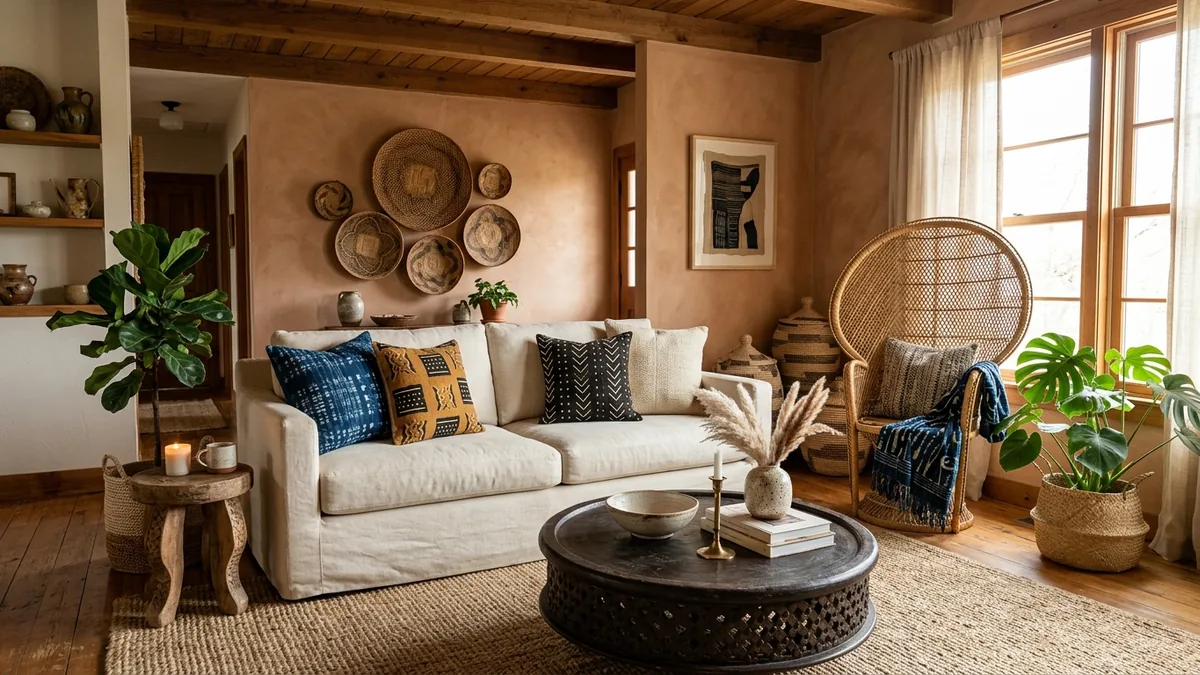
Now: Afrohemian generated in MeltFlex, warm terracotta, real Adire and mudcloth, rattan and baskets
The Afrohemian Color Palette for 2026
The palette is the fastest way to get Afrohemian right, and the easiest way to get it wrong. The whole thing should feel sun-washed and earthy, like warm light on clay. Cool greys and stark whites are what pull a room back toward generic boho, so keep them out.
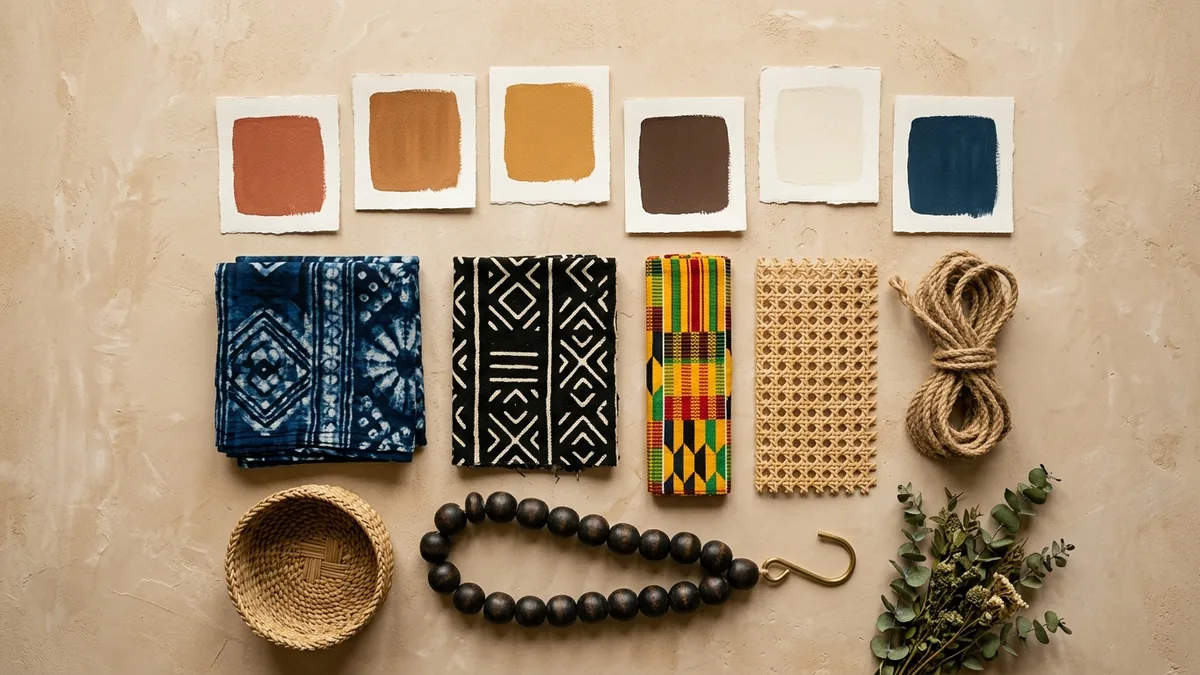
The Afrohemian palette in real materials: warm earth tones, indigo, and natural woven texture
If you want a structured way to test these against your own light before committing to a whole wall of terracotta, our guide to choosing paint colors with AI walks through it. Several of the 2026 colors of the year land in exactly this warm, earthy territory, so the shades are easy to source. Limewash and clay-look paints, with their soft mottled finish, suit this look far better than flat modern emulsion.
The Textiles That Define Afrohemian
If you learn one thing here, learn the cloth. The textiles are what make an Afrohemian room specific rather than vaguely global. Adire searches alone rose about 130% into 2026, and it is the layering of these fabrics that gives the style its depth.
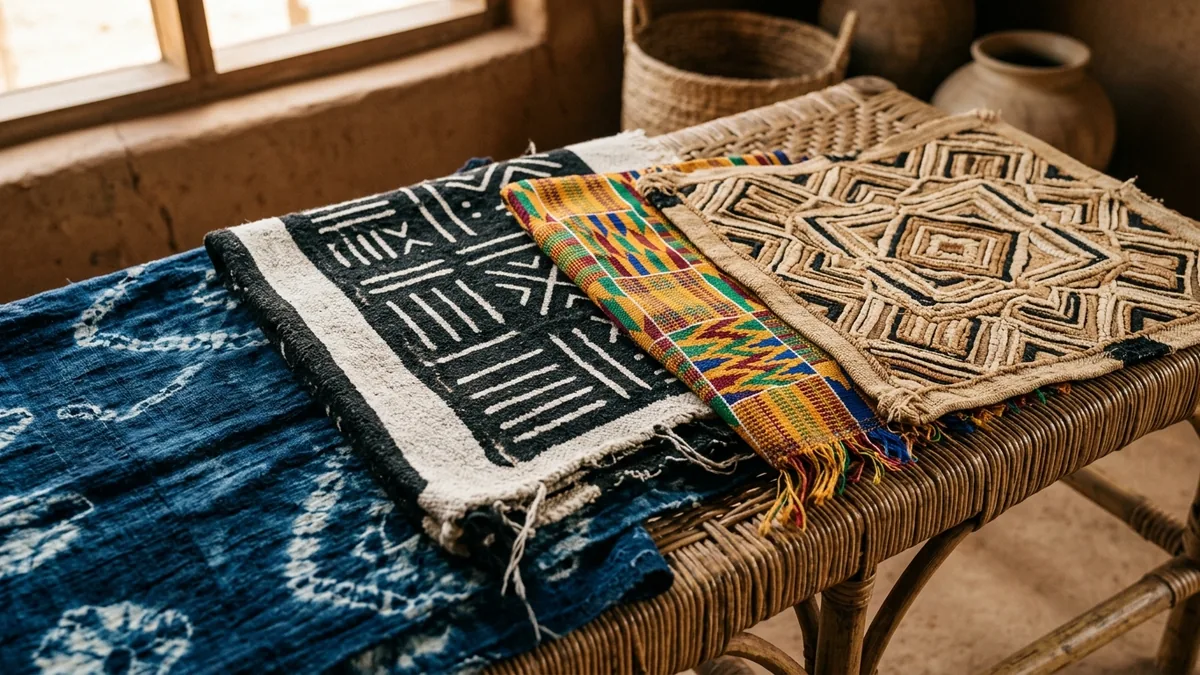
The four signature cloths: Adire, mudcloth, Kente, and Kuba, the heart of the whole look
- Adire. Yoruba indigo resist-dye cloth from Nigeria, hand-folded or tied before dyeing to create organic patterns. The deep-blue-on-white that reads as instantly Afrohemian.
- Mudcloth (bogolan). Hand-painted with fermented mud on woven cotton strips in Mali, in geometric black, white and ochre. The most versatile piece: throws, cushions, framed art.
- Kente. Woven silk-and-cotton strip cloth from the Ashanti and Ewe peoples of Ghana, with vibrant interlocking geometry and real symbolic meaning. A little goes a long way.
- Kuba cloth. Raised, embroidered geometric texture from Central Africa. Beautiful framed, or as a single cushion.
- Berber-style flat-weave. Diamond and chevron rugs that anchor the floor in terracotta, ochre and cream.
The rule designers keep repeating: you do not need dozens of patterned pillows, you need a few really good, textural pieces that tell a story. Two or three authentic cloths beat a dozen printed lookalikes every time.
Baskets, Rattan, and Natural Texture
Around the textiles, Afrohemian is built almost entirely from natural materials. The more the room looks handmade and grown rather than manufactured, the better it works.
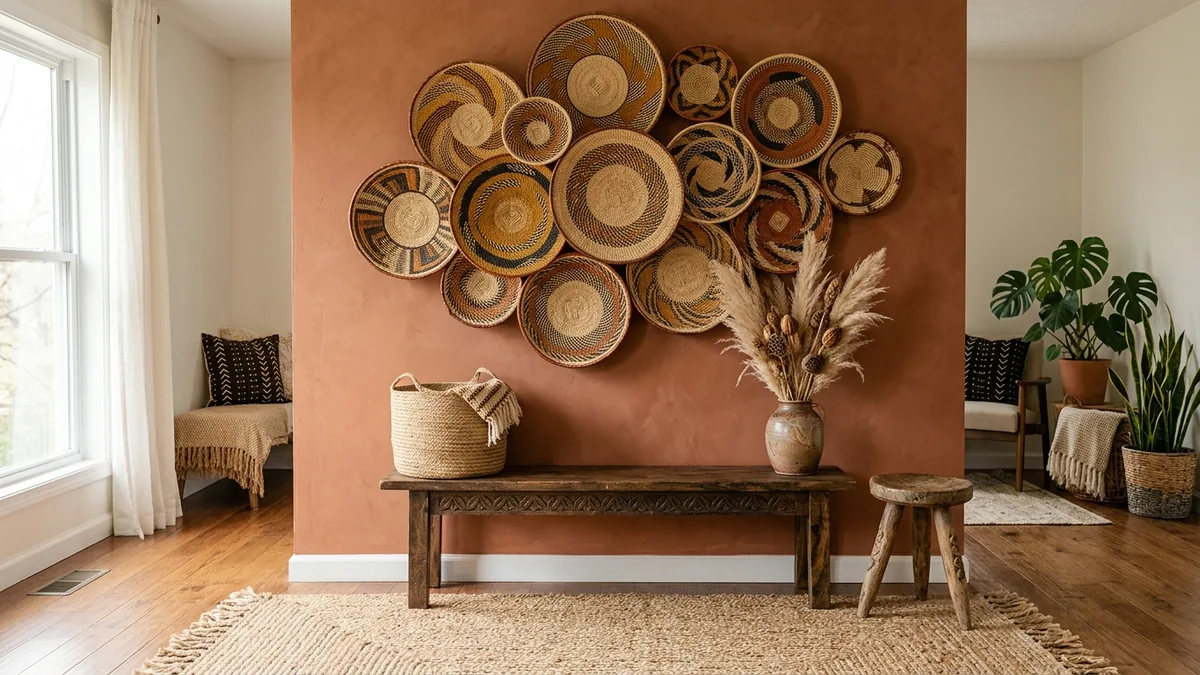
Generated in MeltFlex: a woven basket wall, the single highest-impact Afrohemian move
- Woven baskets. Tonga and Bolga baskets clustered on a wall are the signature Afrohemian statement, and one of the highest-impact feature wall ideas going. Overlap them in odd numbers for an organic, collected look.
- Rattan and cane. A peacock chair, a fan headboard, cane cabinet fronts, or a woven pendant. Rattan brings the curves and the airy lightness.
- Jute and sisal. A jute rug under everything grounds the palette and adds tactile warmth underfoot.
- Carved wood. Stools, tripod side tables, benches, and beads in dark, warm timber. These are the sculptural notes.
- Clay and terracotta. Hand-thrown pottery, terracotta planters, and matte ceramics repeat the wall color in three dimensions.
- Plants. Lots of them. A monstera, a fiddle-leaf, trailing pothos. Greenery is half the reason the style feels alive.
Afrohemian Room by Room
The formula barely changes between rooms: a warm earthy backdrop, a few authentic textiles, natural materials, and greenery, with one textural hero per space. What changes is the hero. Every photo below is a MeltFlex render, the same kind of image you get back when you drop in a photo of your own room.
Living Room
Start neutral and layer up. A cream or oatmeal sofa is the blank canvas, then two or three Adire and mudcloth cushions do the heavy lifting. A terracotta or jute Berber rug anchors the floor, a rattan accent chair adds the curve, and a cluster of Tonga baskets on a warm limewash wall is the piece people remember. Keep one carved-wood side table and plenty of plants, and stop there.
Generated in MeltFlex: neutral sofa, layered textiles, a basket wall, and warm terracotta
Bedroom
The bed wall is your focal point, so spend your one bold move there. A rattan or cane fan headboard is the defining Afrohemian bedroom gesture. Behind it, a terracotta or raw-sienna accent wall with a single framed mudcloth textile hung as art. Layer the bed in limewash-white linen with a mudcloth throw and one indigo Adire cushion, add carved-wood nightstands and a woven pendant, and let a big plant soften the corner.
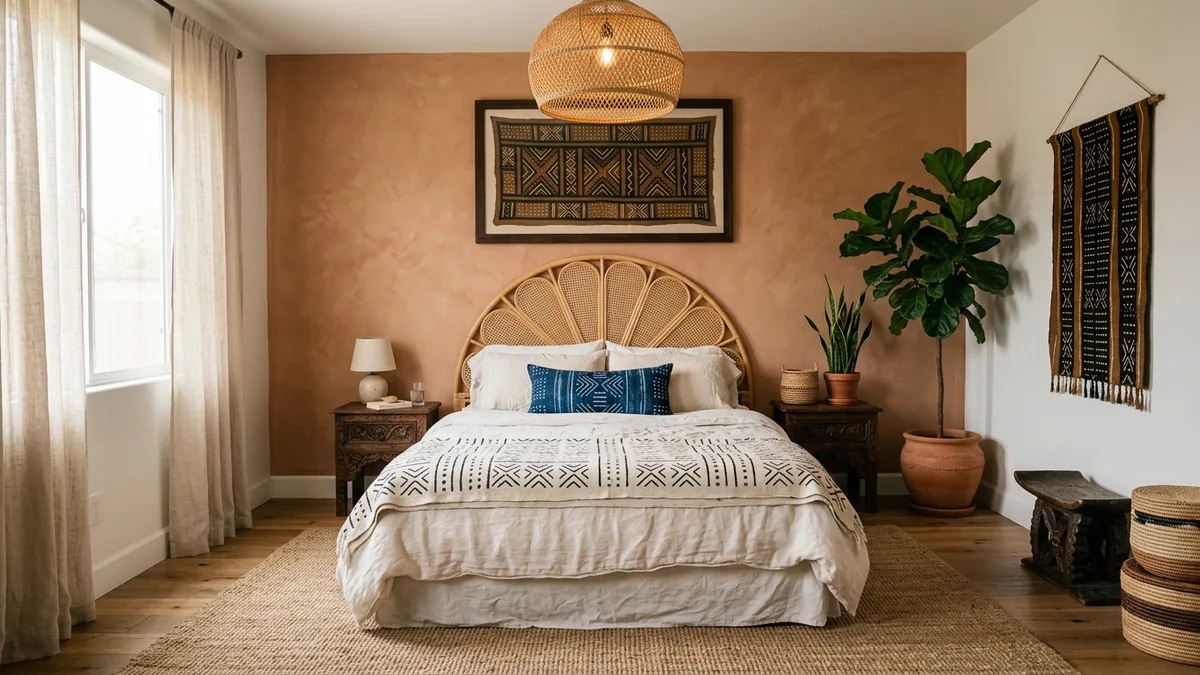
Generated in MeltFlex: a rattan fan headboard against terracotta, with framed mudcloth as art
Dining Room
A solid carved-wood table is the anchor, ideally mismatched with a couple of rattan chairs so nothing looks like a bought-together set. Hang a large woven-seagrass dome pendant above it, add a small basket cluster and one framed Kente panel on a terracotta wall, and style the table with hand-thrown pottery and dried grasses. It reads as gathered and warm, the opposite of a formal dining set.
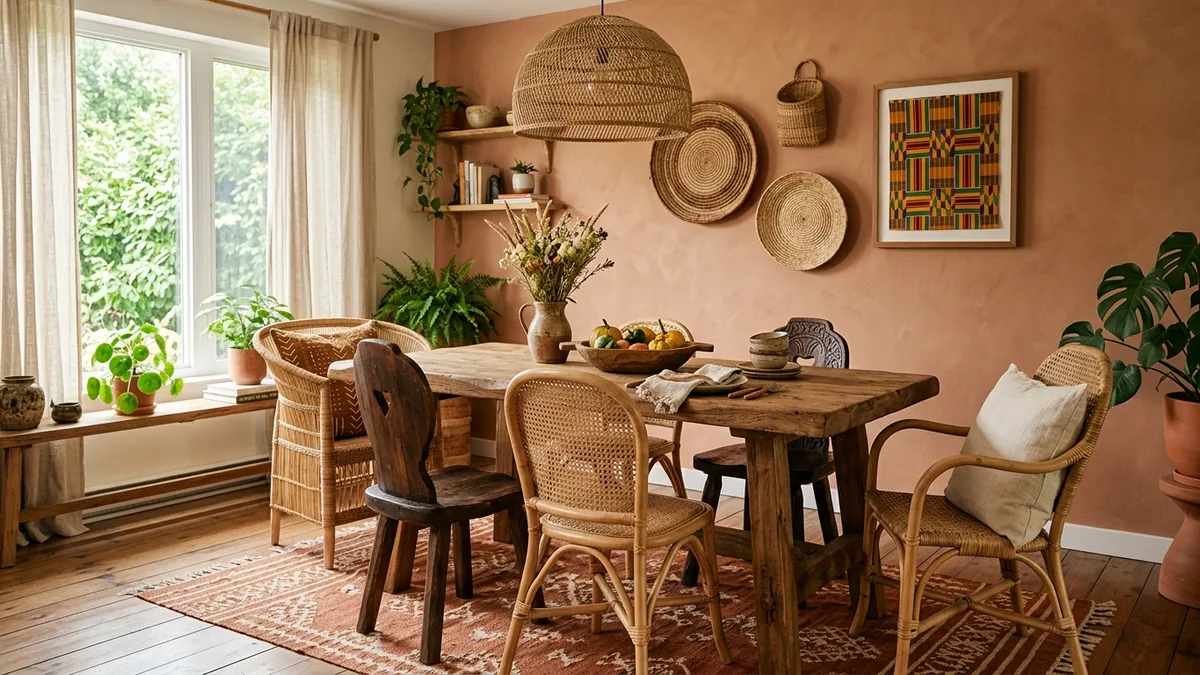
Generated in MeltFlex: carved wood, a woven dome pendant, and mixed seating that reads collected
Kitchen
Kitchens go Afrohemian through material, not renovation. Warm terracotta or limewash walls, woven-cane door fronts on a couple of cabinets, and open shelves of terracotta and black clay pottery get you most of the way. Add woven-seagrass pendants, a jute runner, a mudcloth-pattern tea towel, and potted herbs. Brass-and-wood hardware ties it together without feeling cold.
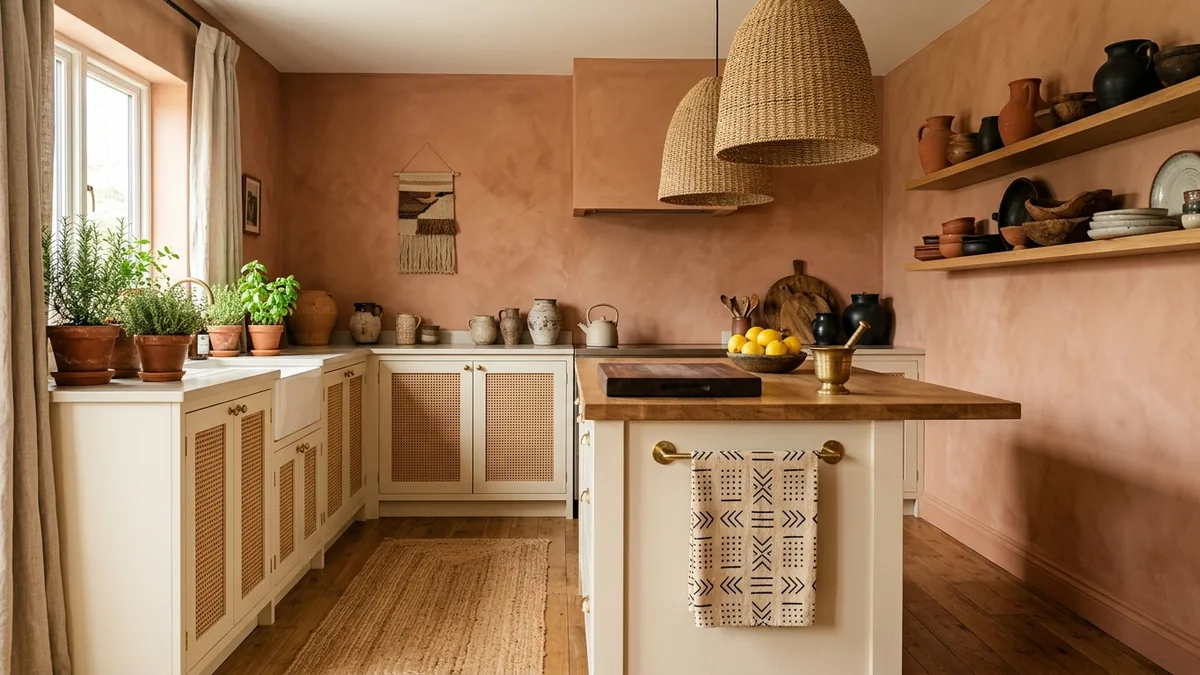
Generated in MeltFlex: cane cabinet fronts and clay pottery, no full renovation needed
Entryway
The entryway is the highest-impact, lowest-effort Afrohemian setup in the house. A carved-wood bench against a deep indigo or terracotta wall, one mudcloth cushion, a tall floor basket with dried stems, a round rattan mirror, and a small basket cluster to one side. In under a square metre you set the tone for the whole home.
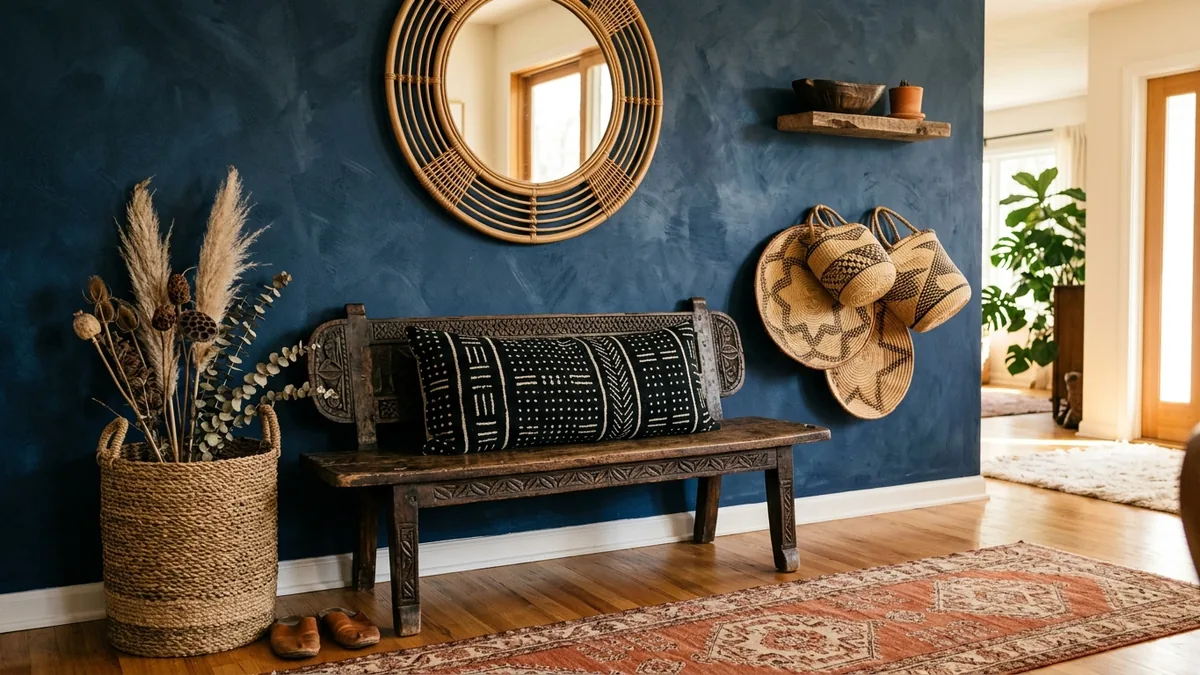
Generated in MeltFlex: a carved bench, rattan mirror, and baskets against moody indigo
Sourcing It Right: Respect Over Appropriation
This is the section most trend articles skip, so let me be direct about it. Afrohemian borrows from living cultural traditions, and the difference between honoring them and flattening them into props comes down to how you source. Kente, Adire and mudcloth are not generic patterns. They carry real meaning, and in Kente’s case, specific symbolism.
The guidance designers who work in this space give is consistent: buy from African artisans and Black-owned makers wherever you can, rather than mass-produced imitations. It supports the communities the look comes from, and it is also what makes the room read as authentic instead of costume. A real handwoven mudcloth throw has a depth that a printed polyester copy simply does not.
- Buy the textiles real. Source Adire, mudcloth and Kente from makers and shops that work directly with African artisans.
- Know what you are displaying. A little context turns a “pretty pattern” into a piece you can actually talk about.
- Favor a few good pieces. One authentic cloth beats ten fast-fashion prints, ethically and visually.
- Mix in your own story. Afrohemian is about a collected, personal home, so your own travels, finds and family pieces belong in it too.
How to Do Afrohemian Without the Cliché
The failure mode of Afrohemian is the same as boho: do too much, and it tips from soulful into a cluttered gap-year bedroom. Every surface patterned, baskets on every wall, so many plants you cannot see the room. The fix is restraint, and the single most useful move is to prove the look works before you buy it.
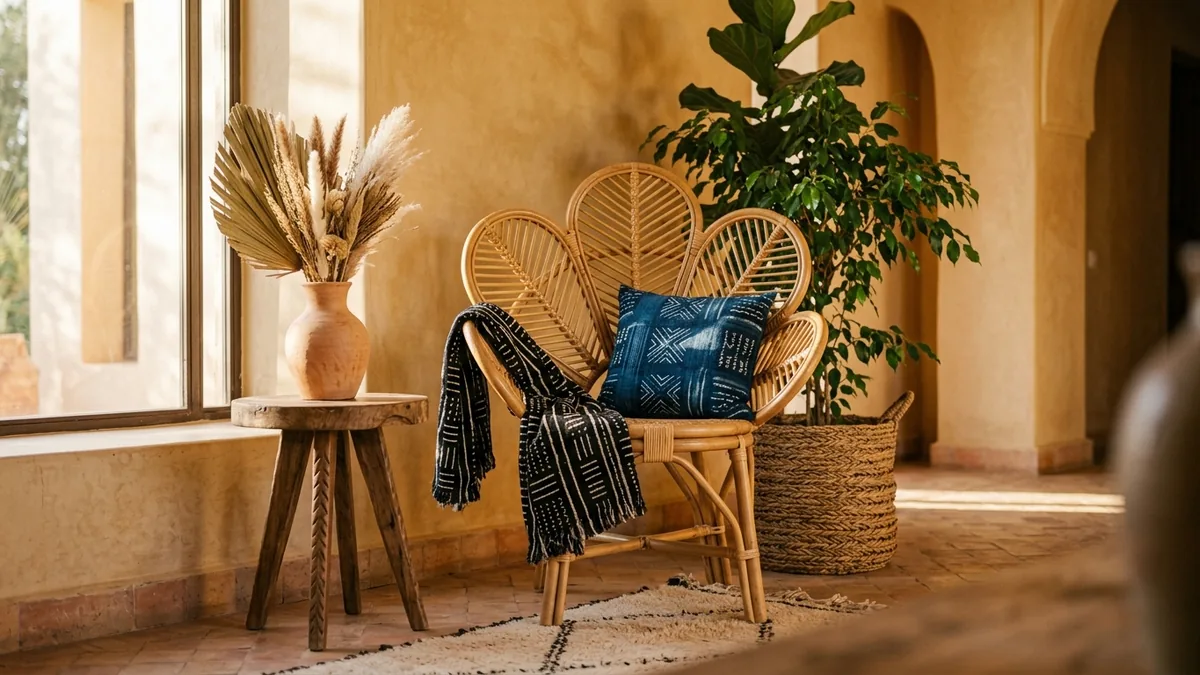
Generated in MeltFlex: one rattan statement chair and a mudcloth throw carry the whole corner
Here is the discipline that keeps it tasteful:
- One textural hero per room. A basket wall, a rattan chair, or a mudcloth headboard. Pick one and keep the rest quiet.
- Limit the pattern. Two or three cloths in a shared palette. More than that and they cancel each other out.
- Anchor with neutrals. A cream sofa and limewash walls give the textiles somewhere to breathe.
- Let material be the interest. Weave, grain and clay carry a room even where there is no pattern at all.
- Edit the plants. A few big, healthy ones beat a jungle of small ones.
Done with restraint, the same ingredients read as calm and gallery-like rather than busy. This is the quiet version, and it shares real DNA with Japandi and warm minimalism: natural materials and restraint over pattern. It is arguably the most modern way to wear the trend.
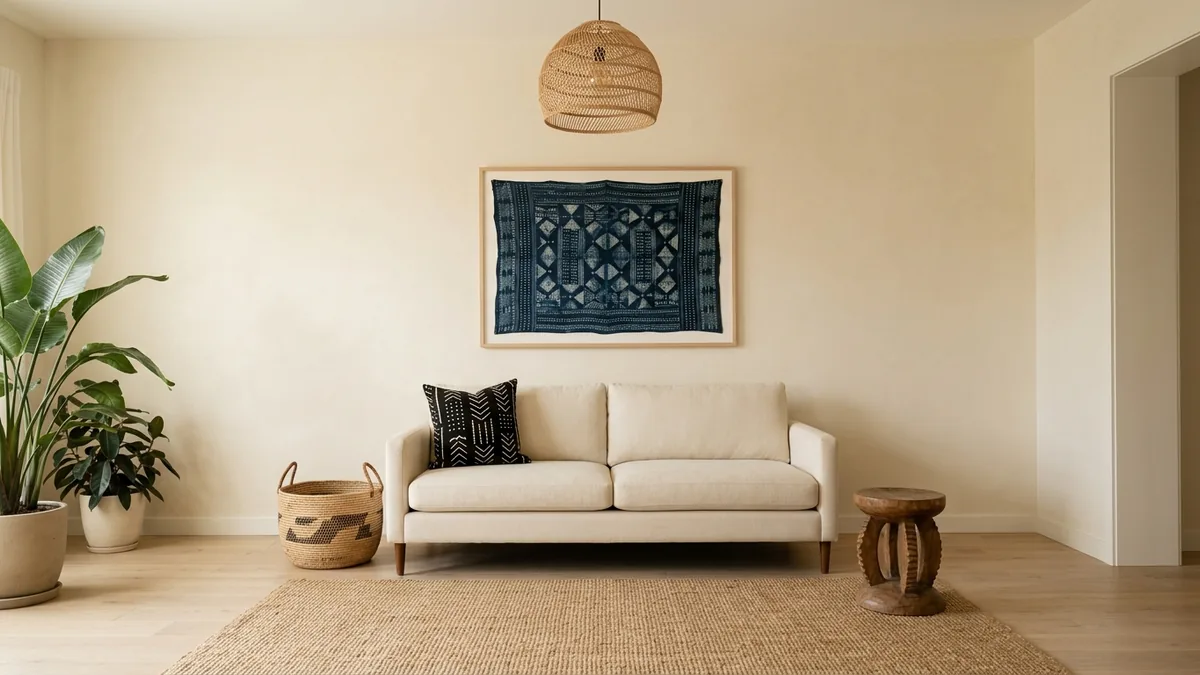
Generated in MeltFlex: the restrained version, one framed Adire, one basket, one plant
Preview Afrohemian in Your Own Room With AI
Afrohemian asks for real commitment: a terracotta wall, layered cloth, a basket arrangement, natural materials everywhere. It is genuinely hard to judge how a warm, textured palette will land in your specific room and light until it is actually up, and getting it wrong is the expensive kind of mistake. Every room photo in this guide exists to get around that problem. They are all MeltFlex renders, generated from a short description in the same tool you can open right now.
Upload a photo of your room to MeltFlex and describe the look you just saw: “Afrohemian living room, terracotta limewash wall, mudcloth and indigo Adire cushions, a rattan chair, a cluster of woven baskets, jute rug.” It keeps your actual room, its windows, proportions and layout, and hands back a photorealistic version of your space, not a stock one. Try terracotta against indigo, a basket wall against a framed textile, one hero piece against another, and decide before you spend anything.
That is the safest way to try a rich, layered trend. A 30-second preview can save you from a room that looked incredible on Pinterest and cluttered in real life.
Ready to see Afrohemian in your space? Try it free on MeltFlex and test a few palettes before you pick one. For more 2026 trends, explore our interior design trends hub, the Neo Deco and organic luxe guides, and the best AI interior design tools compared.
Frequently Asked Questions
What is Afrohemian decor?
Afrohemian, also written Afro-bohemian, blends African design heritage with the relaxed warmth of bohemian decor. It is built on handwoven textiles like Adire, mudcloth and Kente, an earthy palette of terracotta, ochre and indigo, natural materials such as rattan, jute and carved wood, and layered baskets and greenery. The result reads as warm, collected and personal rather than matched or minimal.
Is Afrohemian a 2026 trend?
Yes. Afrohemian is one of the named home trends in Pinterest Predicts 2026, driven by a wider move away from cool minimalism toward warmer, more expressive interiors. Pinterest search data going into 2026 shows searches for afrobohemian home decor up around 220% and Adire fabric up around 130%, which is why the look is spreading fast.
What colors are used in Afrohemian design?
The foundation is warm and earthy: terracotta, raw sienna, warm ochre, chocolate brown and limewash cream. Accents come from deep indigo, forest green and sunset orange. The palette is meant to feel sun-washed and grounded, which is what separates Afrohemian from cooler grey-toned boho.
What is the difference between Afrohemian and boho?
Generic 2010s boho leaned on macrame, cool greys and a lot of mismatched fast-fashion pattern. Afrohemian is warmer, more intentional and rooted in specific craft traditions: real Adire, mudcloth and Kente textiles, Tonga and Bolga baskets, carved wood, and an earthy terracotta-and-indigo palette. It trades clutter for a few genuinely good, textural pieces that tell a story.
What fabrics are used in Afrohemian interiors?
The signature textiles are Adire (Yoruba indigo resist-dye cloth from Nigeria), mudcloth or bogolan (hand-painted geometric cotton from Mali), Kente (vibrant woven strip cloth from Ghana), and Kuba cloth (raised geometric embroidery from Central Africa). Berber and Kuba patterns also appear on flat-woven rugs. You layer them on cushions, throws, rugs and framed wall textiles.
How do I make my living room Afrohemian?
Start with a neutral cream or oatmeal sofa, then add two or three Adire or mudcloth cushions. Anchor the group with a terracotta-and-ochre flat-woven rug, hang a cluster of woven Tonga baskets on one wall, add a rattan accent chair or floor lamp, a carved wooden stool, and plenty of greenery. Keep the walls warm: a terracotta or indigo limewash makes everything else glow.
Is Afrohemian decor cultural appropriation?
It does not have to be, but it can slip into it if you treat the textiles as generic props. The respectful way is to buy authentic pieces from African artisans and Black-owned makers rather than mass-produced knockoffs, and to know what you are displaying, since Kente, Adire and mudcloth each carry real cultural meaning. Sourcing well is both more ethical and what makes the room look real instead of costume.
How can I preview Afrohemian in my own room before buying anything?
Upload a photo of your actual room to MeltFlex AI and describe the look, for example “Afrohemian living room with a terracotta wall, mudcloth and indigo Adire cushions, a rattan chair and a cluster of woven baskets.” The AI keeps your real room, its windows and layout, and returns a photorealistic version, so you can test the palette and textiles before spending money on pieces you are not sure about.
Sources
The trend calls and statistics in this guide come from named industry forecasts and search data. Here is where each figure comes from.
Every room photograph in this article was generated with MeltFlex AI to illustrate the style. They are AI visualizations created to show the look, not photographs of specific real-world properties.