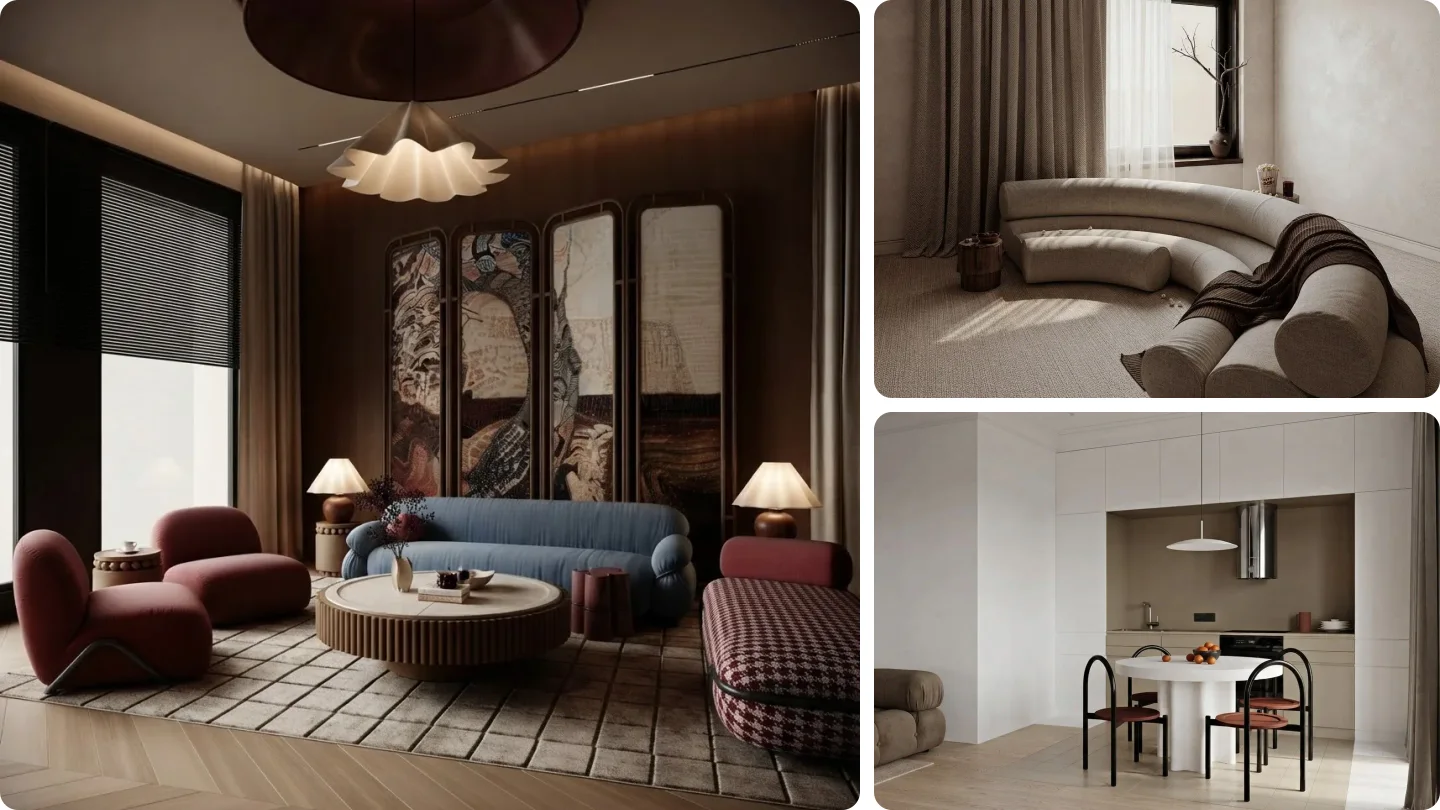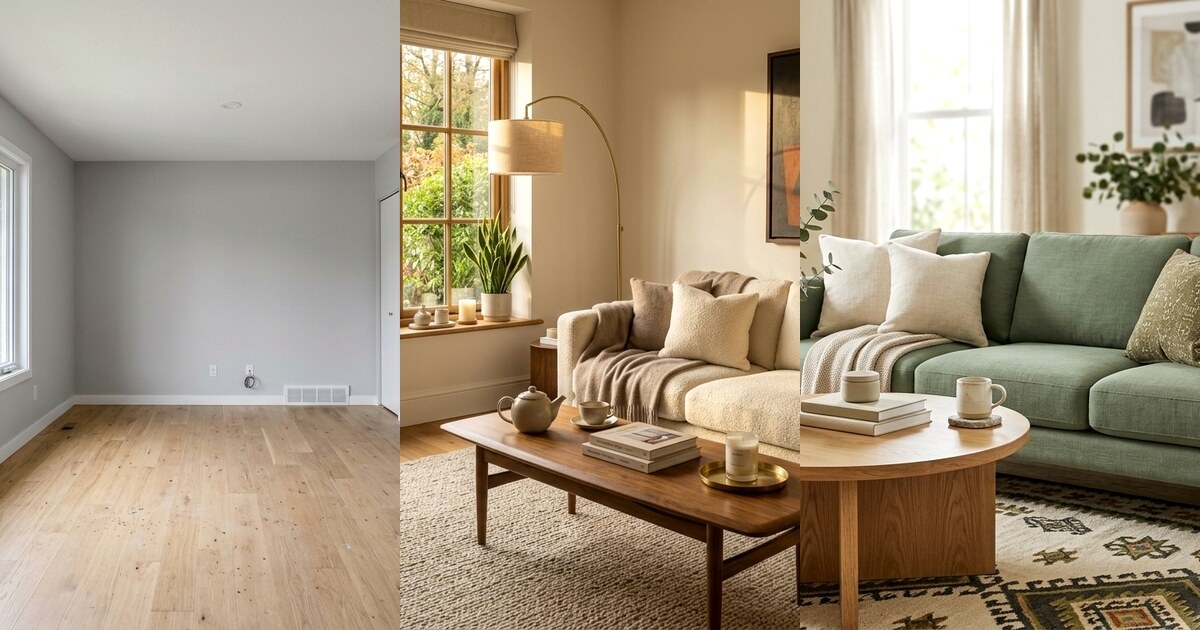
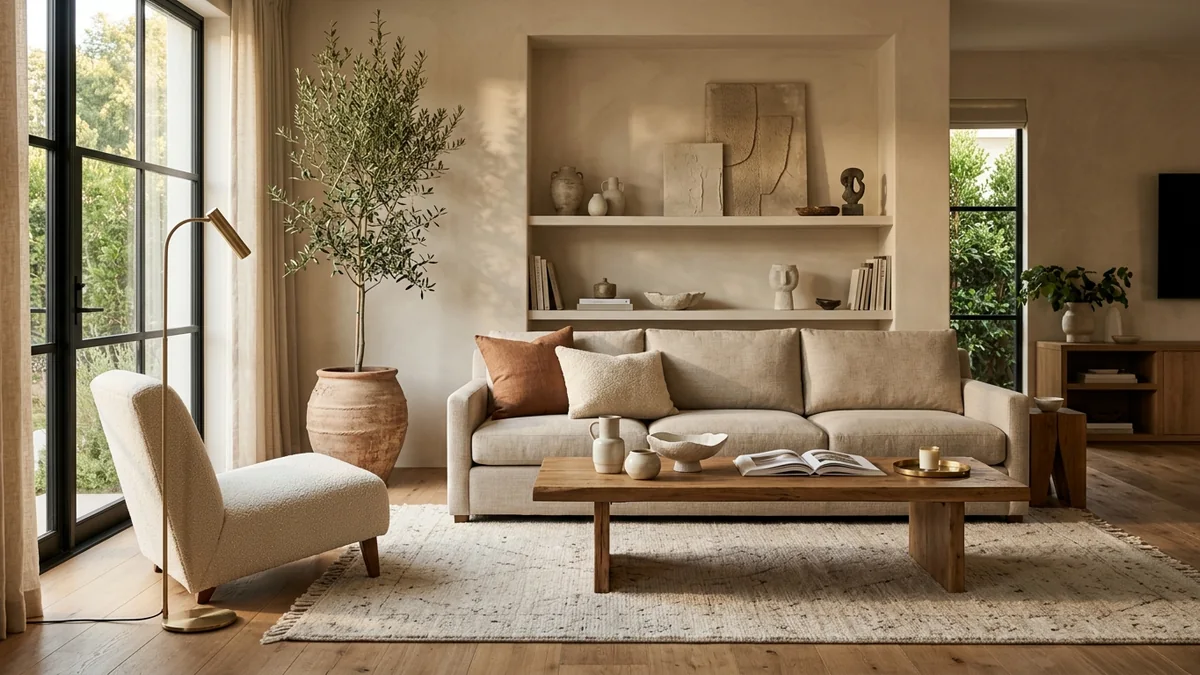
Most AI room designs have the same quiet flaw: the room looks beautiful, and not one thing in it is real. The sofa is a shape no factory makes, the lamp exists only in the render, and the moment you love the look, there is nowhere to click. A shoppable design flips that. You get the render and the receipt: every piece identified, matched to a real product, with cheaper look-alikes sitting right next to the designer version.
Our articles are still written by humans!
Get human written articles in your Google feed.
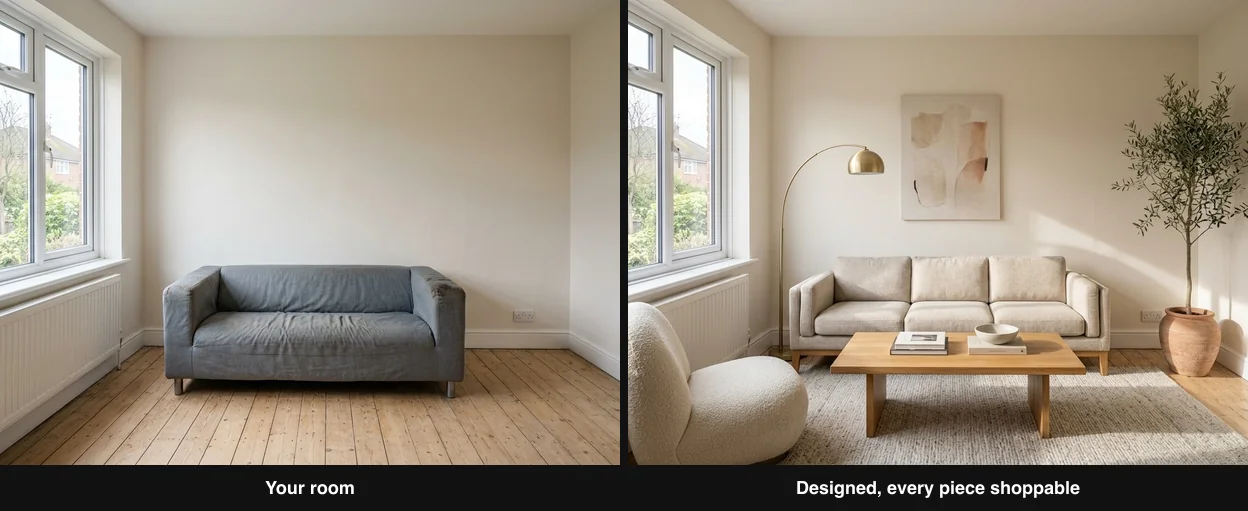
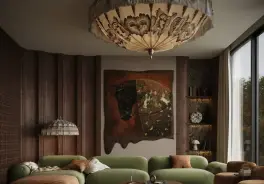
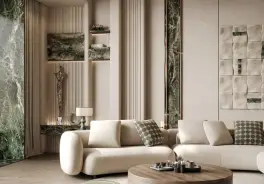
Your real room on the left, the designed version on the right. Same walls, same window, same camera. Every piece the AI placed on the right is identified and matched to a real product you can buy. Every image in this article was made with the AI engine behind MeltFlex.
A shoppable AI room design is a photorealistic redesign of your space where every piece of furniture is matched to a real, purchasable product, so the image doubles as a buy list. Instead of admiring furniture that does not exist, you see the look in your own room and get links to buy each item, usually at more than one price. That single difference, real products instead of invented ones, is what separates a pretty picture from a plan you can act on.
The short version
- Shoppable design = render plus buy list. Every piece is matched to a real product you can actually purchase.
- It starts from your real photo, so furniture is shown at your true scale and light, and what you buy fits.
- You get alternatives, not one link. The same look appears across price points, from designer to budget dupe.
- Shop by look, not brand, to keep the design and cut the cost across stores like IKEA, Amazon and Wayfair.
- Most AI tools cannot do this, because they invent furniture. Matching to real products is a deliberate, different build.

What is a shoppable AI room design?
A shoppable AI room design is a redesign of a real room in which every generated piece of furniture is linked to a real product for sale. It has two halves that most tools keep separate: the visualization, which shows the new look in your actual space, and the sourcing, which tells you what each piece is and where to buy it. Put together, the render stops being decoration and becomes a shopping list you can work through item by item.
The distinction matters because the interior design software market is moving fast toward exactly this. The AI interior design market is projected to grow from 1.39 billion dollars in 2025 to 4.55 billion by 2030, a compound annual growth rate of 26.8 percent (sources below), and the tools winning that shift are the ones that close the loop between seeing a room and buying it. A render you cannot act on is a dead end. A render with a buy list is a purchase.
How AI turns a render into a buy list
The buy list is built in three steps, and each one runs on the render the AI just made for your room. First, the tool detects the furniture in the image and draws a box around each item. Second, it crops each piece and runs a visual search against real retailer catalogs to find products that look like it. Third, it ranks the matches by similarity and hands you the links. What you started as a design comes back as a list of things you can order.
The reason this works better from a designed room than from a random inspiration photo is that the AI already knows what it placed. It is not guessing at a stranger’s furniture, it is identifying the exact sofa and lamp it chose for your space, in your light, at your scale. That is the same photo-first logic that makes the render itself believable, which we break down in the anatomy of a photorealistic render, why AI renders look fake and the most detailed AI interior designer. A render you can trust is a render you can shop.
Every piece in the render, identified
When the match runs on a designed room, every visible piece comes back as its own product. The sofa, the chair, the coffee table, the floor lamp and the rug each become a card with a real item behind it. The scene below is the room from the top of this article, pulled apart into its shoppable pieces.
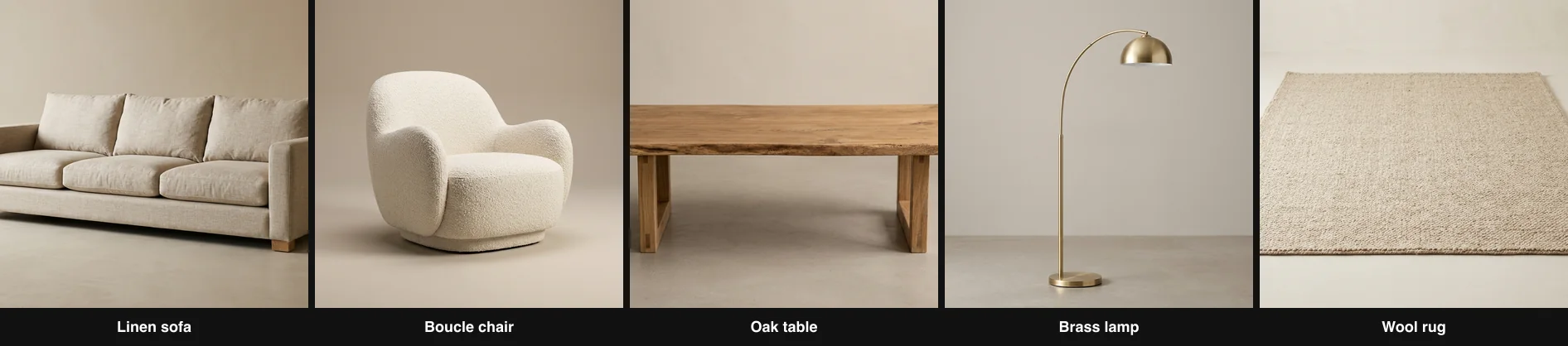
The five pieces the AI placed in the room, each identified and matched to a real product. This is what turns a single render into a full shopping list.
This is the practical difference from finding one piece at a time. A visual search on a single photo answers “where do I buy that chair.” A shoppable design answers “where do I buy this whole room.” If you only want to track down one item you already spotted, our guide to finding furniture from a photo covers that narrower case. The buy list is the same idea applied to every piece at once.
It is not only living rooms, either. Point the same match at a bedroom and the bed, the nightstands, the lamp, the bench and the rug each come back as their own shoppable product, so any room you design becomes a list you can order from.
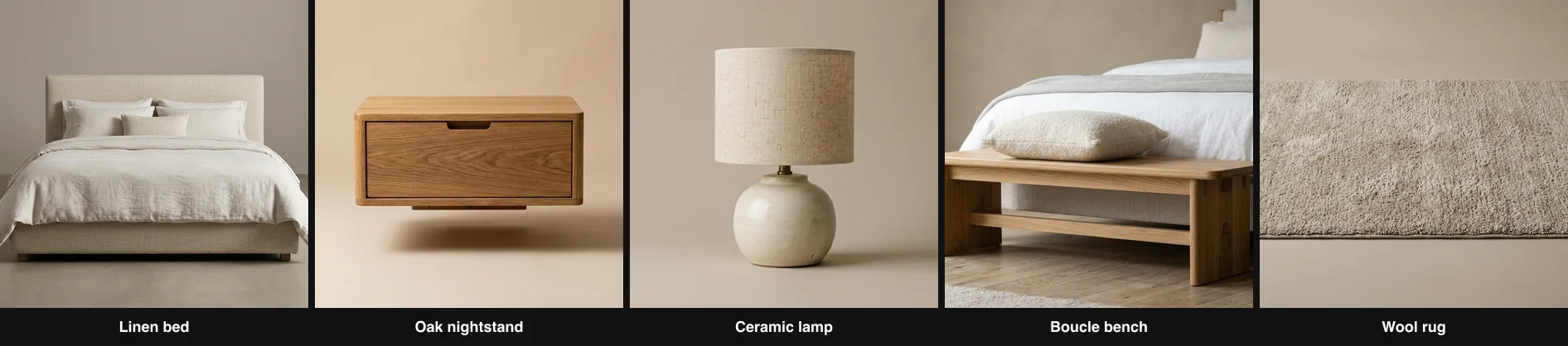
The same buy list, in a bedroom. Every piece the AI placed comes back as a real product, whatever the room.
One room, any style, all shoppable
A shoppable design is not tied to one aesthetic. Point it at the same room in a different style and you get a fresh buy list every time, all matched to real products. The image below is one living room restyled three ways, each version fully shoppable, so you can audition looks in your own space before you commit a single euro.
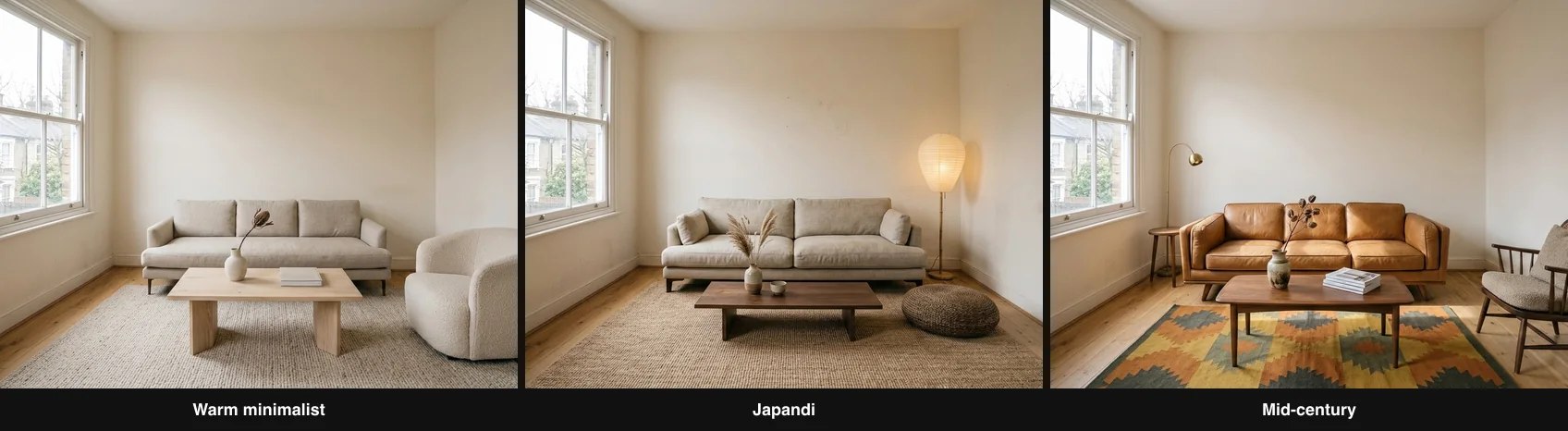
One room, three styles: warm minimalist, Japandi and mid-century. Same walls and window, three completely different buy lists, every piece real and purchasable.
This is where designing your own room beats scrolling a catalog. You can compare whole looks in the exact space you are furnishing, then shop only the one you choose. If you want to explore the aesthetics first, our guides to Japandi and mid-century modern break each style down room by room.
Alternatives across stores and price points
A good match does not return one product, it returns several that share the look, which is where the real value is. The same silhouette usually exists at three very different prices: a designer original, a mid-range high-street version, and a budget flat-pack look-alike. Seeing them side by side lets you decide, piece by piece, where to spend and where to save.
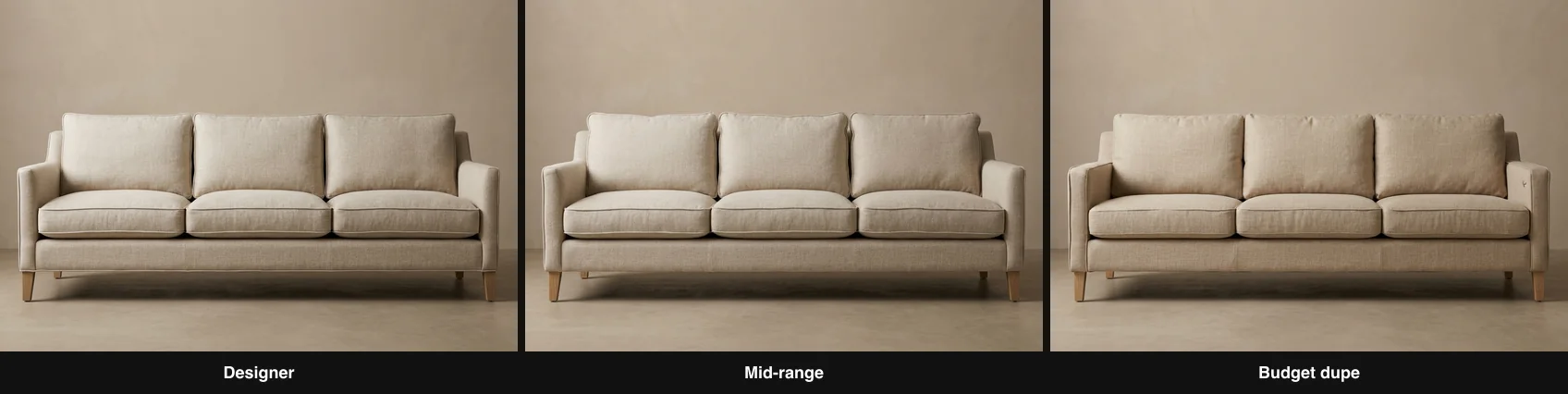
One sofa, three budgets. The designer piece, a mid-range version and a budget look-alike all carry the same silhouette. Shopping by look instead of by label is how you keep the design and cut the bill.
This is the heart of shopping by look rather than by brand. You are not locked into one store or one price. You keep the design that works in your room and choose the version that works for your budget, mixing a splurge sofa with a bargain rug if that is the smart split. For the wider price context, our index of average furniture prices in 2026 shows what each category typically costs.
Finding cheaper look-alikes without losing the look
A dupe is a look-alike: a piece that copies the shape, color and feel of a more expensive design at a fraction of the price. Visual matching is unusually good at finding them, because it searches by appearance, not by name, so it surfaces the affordable version of a look even when the brand is completely different. This is how a room that looks like it cost a fortune gets furnished for a modest budget.
The trick is to spend where it shows and save where it does not. Put the money into the pieces you touch and see most, usually the sofa and a hero chair, and take the dupe on the rug, the side table and the lamp. A believable, cohesive room is about proportion and consistency far more than price tags, which is why a well-chosen set of look-alikes reads as designed rather than cheap. If you are furnishing on a tight number, pair this with our tactics for furnishing an apartment on a budget.
Watch: getting the high-end look for less
Shopping by look instead of by label is a trick interior stylists have used for years, long before AI could do the matching. This walkthrough shows real furniture dupes that recreate an expensive look for a fraction of the price. It is the same idea a shoppable design automates: find the look you love, then find every version of it across price points.

High-end furniture dupes, getting the designer look for less. Video by Inspired Design Talk with Nicole DelaCruz on YouTube. A shoppable AI design does this matching for you, on your own room.
Why buyable furniture is the whole point
Here is the problem a buy list solves. A text-to-image model invents furniture pixel by pixel, so the gorgeous sofa in its render corresponds to nothing you can order. You are left reverse-engineering the look by hand, hunting for something close, often unsuccessfully. The design was never connected to reality, so the nicest render in the world leaves you exactly where you started: staring at furniture you cannot have.
A shoppable tool is built to close that gap on purpose. It does not dream up a sofa, it selects a real one and shows it in your room, so the design and the shopping are the same act. This is the core reason to choose a photo-based, product-matched tool over a pure generator: the output is not a fantasy to admire but a room you can assemble. It is the same honesty test we apply to the render itself, and the reason we keep coming back to real rooms and real products in guides like seeing furniture in your room before buying.
Which stores the matches come from
The matches are pulled from mainstream furniture and home retailers, which is what makes the alternatives across price points possible. In practice that means the same look often shows up at a value store, a mid-market chain and a premium brand at once. The table below maps the tiers to the kind of retailer you will usually find each look at.
If you like to design around a single store you already trust, that works too. We have style-led walkthroughs for shopping the look with IKEA furniture trends for 2026, and trend roundups for IKEA and Wayfair in 2026, so you can point the same shop-the-look idea at one retailer.
How to shop the look from your own photo
The whole flow takes a couple of minutes, and it starts with your actual room rather than a blank canvas. Working from your photo is what guarantees the furniture you buy will fit, and fit is not a small thing: size and space mismatch drives about 58 percent of furniture returns, and furniture already carries one of the highest online return rates at roughly 23 percent (sources below). Matching pieces at the true scale of your room is the cheapest way to avoid being part of that statistic.
- Upload a photo of your real room. A clear, straight shot with the main wall in frame works best.
- Pick a style and generate the look. The AI keeps your walls, windows and proportions and restyles the space.
- Open the identified pieces. Each item the AI placed comes back as a real product with alternatives.
- Compare and choose per piece. Take the designer version where it counts, the dupe where it does not.
- Check the fit before you buy. Confirm the real dimensions against your room with our furniture size guide.
Because the design is anchored to your real space, the last step is quick: the piece already looks right at your scale, so you are mainly confirming the numbers. That is the advantage of designing the room you actually have over decorating an imaginary one.
Shop the look versus recreating a Pinterest room
People try to shop a look in two ways, and they are not equal. The common way is to find an inspiration room online, a Pinterest pin or a magazine photo, and hunt for furniture that resembles it. The problem is that the room is not yours: the light, the proportions and the scale are all someone else’s, so even if you find the pieces, they may not sit right in your space.
Designing your own room and shopping that is the stronger move. You get the same “get the look” outcome, but tuned to your actual walls, window and dimensions, so the buy list is guaranteed to fit. You can still borrow a Pinterest room as the style target, then apply it to your space rather than chasing it blind. The difference is whether the look is validated in your room before you spend, which is the entire reason to start from a photo.
The honest limits
A buy list is a strong starting point, not a guarantee, and it helps to know where the edges are. Visual matching finds products that look like the piece, not always the identical item, so expect close cousins rather than exact clones on unusual designs. Stock and prices move constantly, so a match today may be a different price or sold out next week. And distinctive shapes and materials match far better than plain, generic pieces that look like everything else.
None of that undermines the value, it just sets the expectation. Treat the matches as a ranked shortlist that saves you hours of blind searching, not as a fixed catalog. The look is the reliable part, and the look is what you were shopping for. Seeing several alternatives per piece, rather than betting on one link, is exactly how you work around the availability problem.
Try it on your own room
The fastest way to understand a shoppable design is to run it on a room you actually live in. Photograph your space, generate the look you want, and watch the render come back with every piece identified and matched to something you can buy, at more than one price. You keep your real walls, windows and proportions, and you get a photorealistic version of that exact room plus the list to furnish it, in about thirty seconds.
Stop admiring furniture you cannot buy and start shopping the room you actually have. Try it free on your own room, then read how to furnish a new apartment without mistakes for the wider workflow.
Shop the look FAQ
Can AI tell me where to buy the furniture in a room design?
Yes. A shoppable AI design tool detects each piece of furniture in the render, then matches it to real products for sale and returns links to buy them. MeltFlex does this for every visualized room: after it redesigns your photo, it identifies the sofa, chair, table, lamp and rug it placed and surfaces real, purchasable products for each one, so the render works as a buy list rather than a picture of furniture that does not exist.
How do I find furniture from a photo?
Upload the photo to a tool with visual furniture search. It crops each item, runs a visual match against retailer catalogs, and returns products that look like it, ranked by similarity. From a room you designed, this turns the whole scene into a shopping list. From a single inspiration photo, it finds that one piece. MeltFlex runs the match on the room it generated for you, so every piece it placed comes back with real options to buy.
Is the furniture in AI room designs real and buyable?
It depends on the tool. Most text-to-image AI invents furniture that does not correspond to any real product, so the render looks nice but cannot be shopped. Shoppable tools are built the other way around: they match each piece to real catalog products, so everything in the design can actually be bought. MeltFlex is in the second group, which is the entire point of designing a room you intend to furnish rather than just admire.
Can I compare furniture prices across different stores?
Yes. Because the match returns several visually similar products rather than one, you usually see the same look at more than one price. That lets you compare a designer piece against a mid-range version and a budget look-alike, across retailers like IKEA, Amazon and Wayfair. Shopping by look instead of by brand is how you keep the design and cut the cost.
How accurate are the shopping matches?
Visual matching finds products that look like the piece, not always the identical item, and it works best on distinctive shapes and materials. Availability and prices change, so treat the matches as a strong, ranked starting point rather than a fixed catalog. The look is the reliable part, the exact stock is not, which is why seeing several alternatives per piece is more useful than a single link.
Does MeltFlex use my real room or invent one?
It uses your real room. You upload a photo and MeltFlex keeps your actual walls, windows, camera angle and proportions while it restyles the space and places furniture. That is what makes the buy list trustworthy: every piece is shown at the true scale and in the real light of your room, so the products it matches are ones that will genuinely fit the space you have.
Sources
- AI in Interior Design Market to Surpass 4 Billion by 2030 (2026), industry projection of growth from 1.39 billion dollars in 2025 to 4.55 billion by 2030 at a 26.8 percent CAGR.
- Furniture and Home Return Rate Benchmarks (2025), on furniture’s roughly 23 percent online return rate and size or space mismatch driving about 58 percent of those returns.
- Google Cloud Vision: Object Localization, the class of computer-vision technique used to detect and box individual furniture items in a room image.