
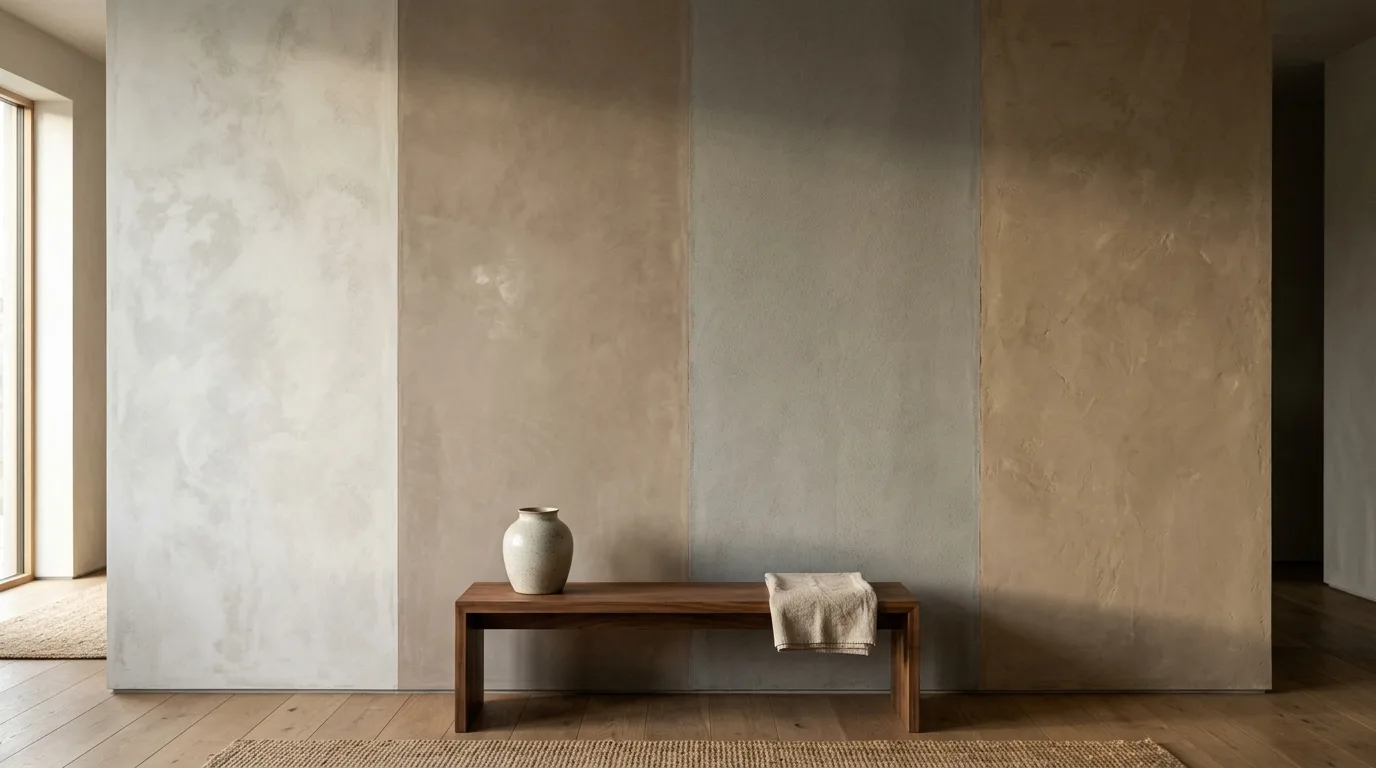
Short answer: limewash for character on a dry wall you do not touch, Venetian plaster when you want depth and can pay for the skill, microcement when the surface has to survive water or a floor, and Roman clay when you want the troweled look without the polish. The cost gap is real, roughly 200 dollars per 100 square feet for limewash against 500 for Venetian plaster, and almost all of it is labour. The look is easy to fall for and hard to picture, which is why it is worth rendering the finish on your own wall before anyone quotes you.
Our articles are still written by humans!
Get human written articles in your Google feed.



Who Writes the Guides You Are Reading
Worth knowing before the comparison. We went through the first page of results for this exact question. Every single one is published by a company that sells or applies one of these finishes: lime paint suppliers, Venetian plaster manufacturers, microcement distributors, a specialist painting contractor.
That does not make them wrong, and several of the numbers in this article come from them. But it does mean nobody in that SERP has any reason to write this one is not worth it for you. A limewash supplier will tell you limewash is breathable and timeless. A Venetian plaster supplier will tell you it lasts fifteen years and self-heals. Both are true. Neither will mention the case where you should just paint the wall.
We sell neither. We make an AI wall texture tool that renders the finish on a photo of your own room, so our incentive is that you pick correctly rather than expensively. So this comparison is organised around how each one fails.
The Same Wall, Four Finishes
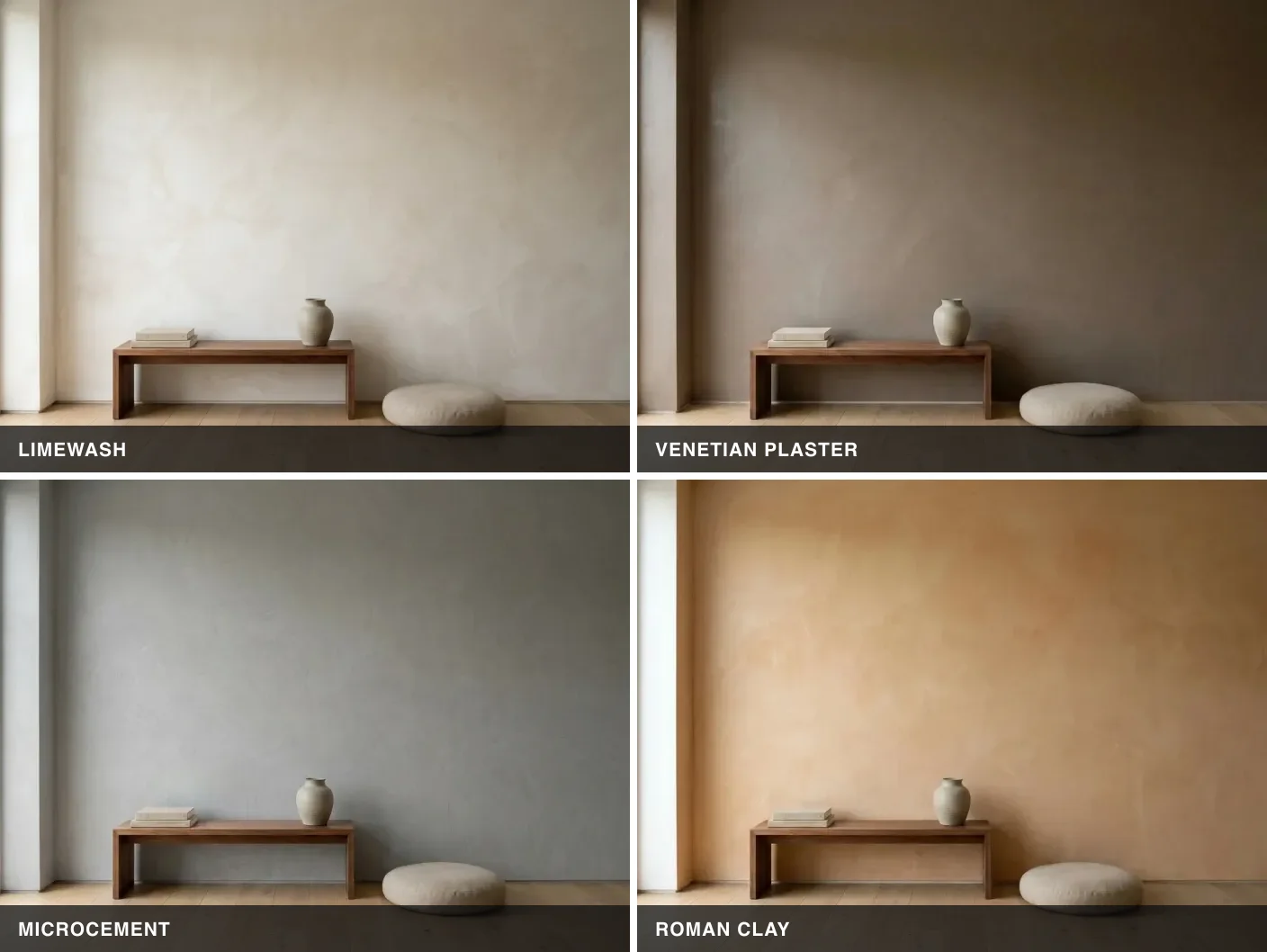
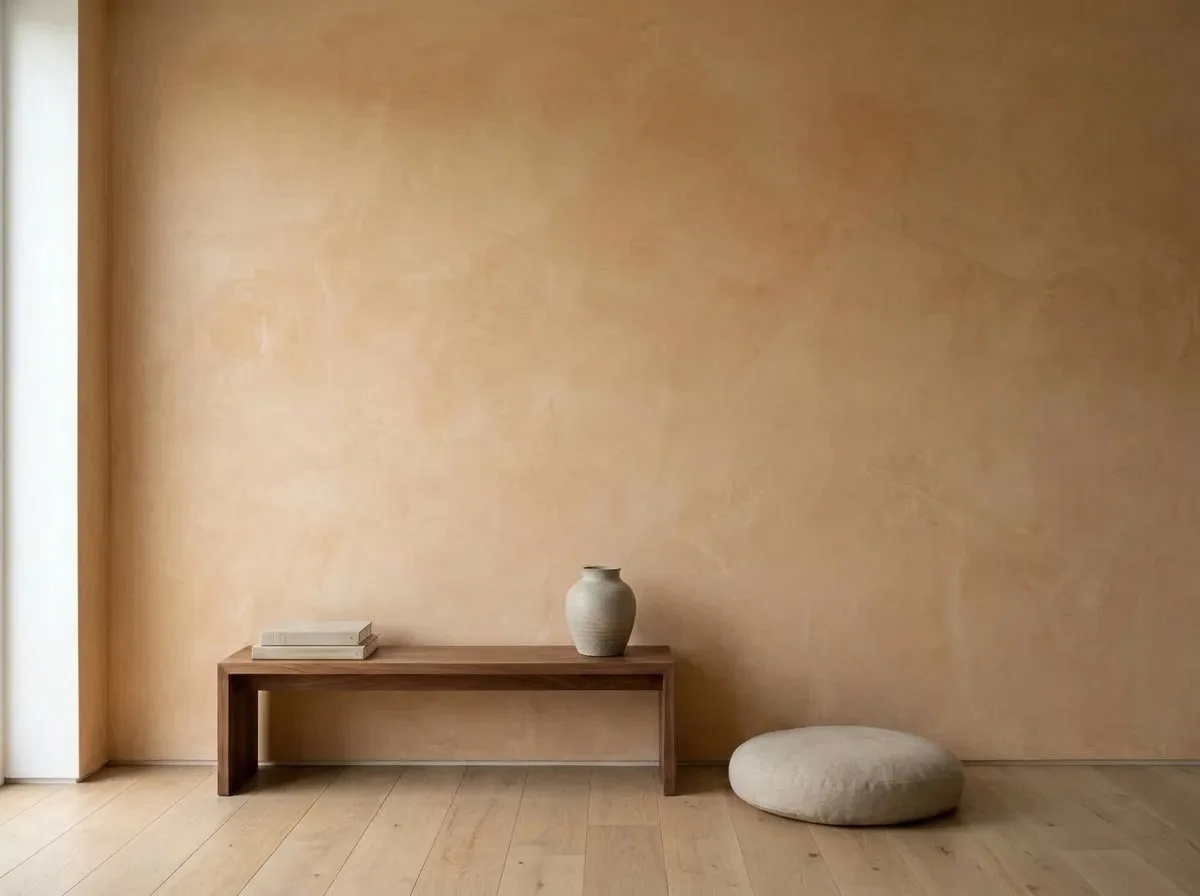
The picture at the top of this article is one room. Same bench, same vase, same books, same floor cushion, same oak boards, same daylight from the left. The only thing that changed between the four frames is the wall finish.
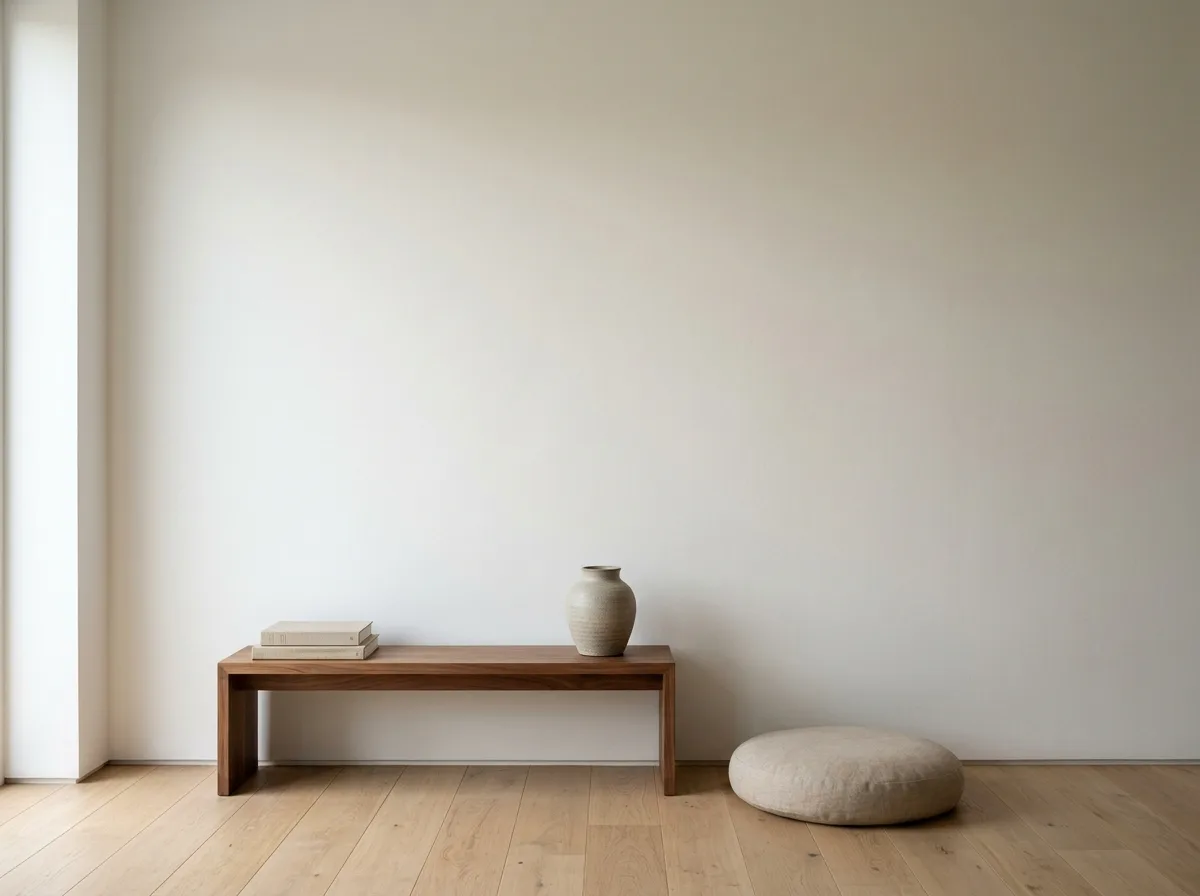
That matters because these four finishes are almost always photographed in four different houses, at four different times of day, styled by four different people. Under those conditions everything looks good and you learn nothing. Hold the room still and the actual differences appear: limewash is the palest and the softest, Venetian goes deeper and picks up light along the surface, microcement drops the temperature of the whole room, and Roman clay warms it up.
Those four frames were produced by running our own wall texture presets against one base photograph, which is the same thing the tool does when you upload a room. If you want the same comparison on your wall rather than ours, that is the shortest route to it.
What Each Finish Actually Is
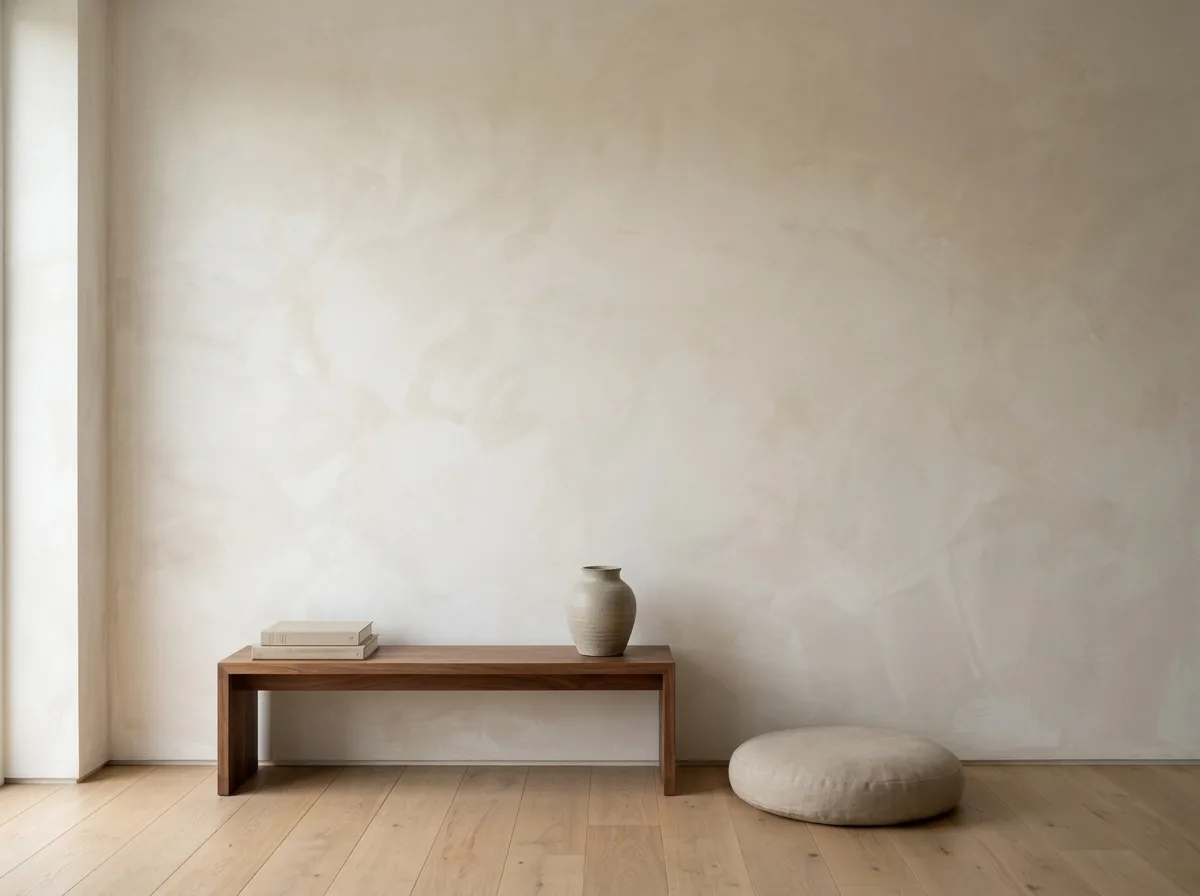
Limewash is slaked lime thinned with water and brushed onto the wall, where it soaks in and cures by absorbing carbon dioxide back out of the air. It leaves almost no film. That is the whole character: the colour drifts in soft clouds because the lime settles unevenly, and the surface stays completely matte because there is nothing on top of it to catch light.
Venetian plaster is lime putty loaded with marble dust, troweled on in thin layers and then burnished with the blade while it is still green. The marble is what gives it depth, and the burnish is what gives it the low sheen. It is a plaster, not a paint, and it forms a hard dense skin.
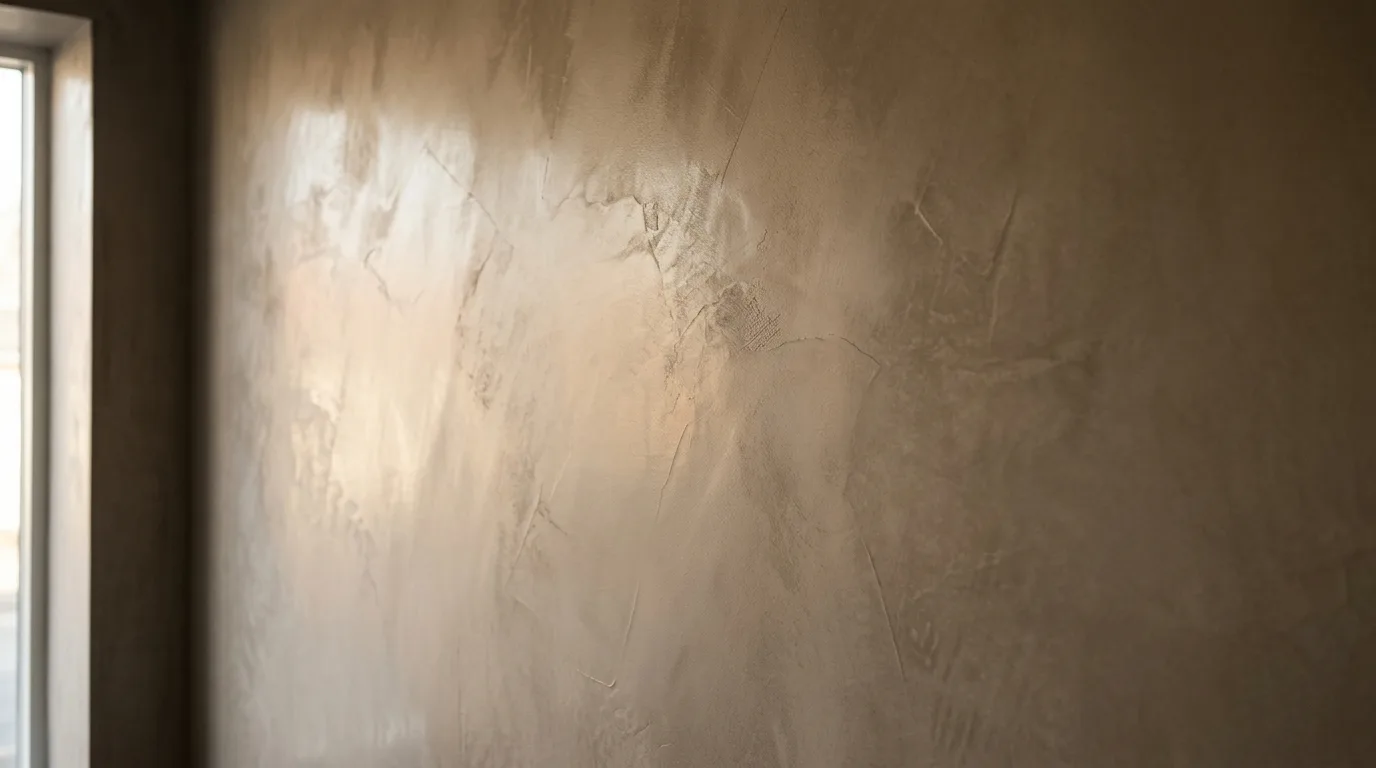
Roman clay is a thin troweled lime skim, applied with a blade like Venetian but left matte instead of burnished. You get the sweeping tonal movement and the overlapping pass marks without the polish. It sits between limewash and Venetian in both look and price, which is exactly why it has become the default recommendation in a lot of American design projects.
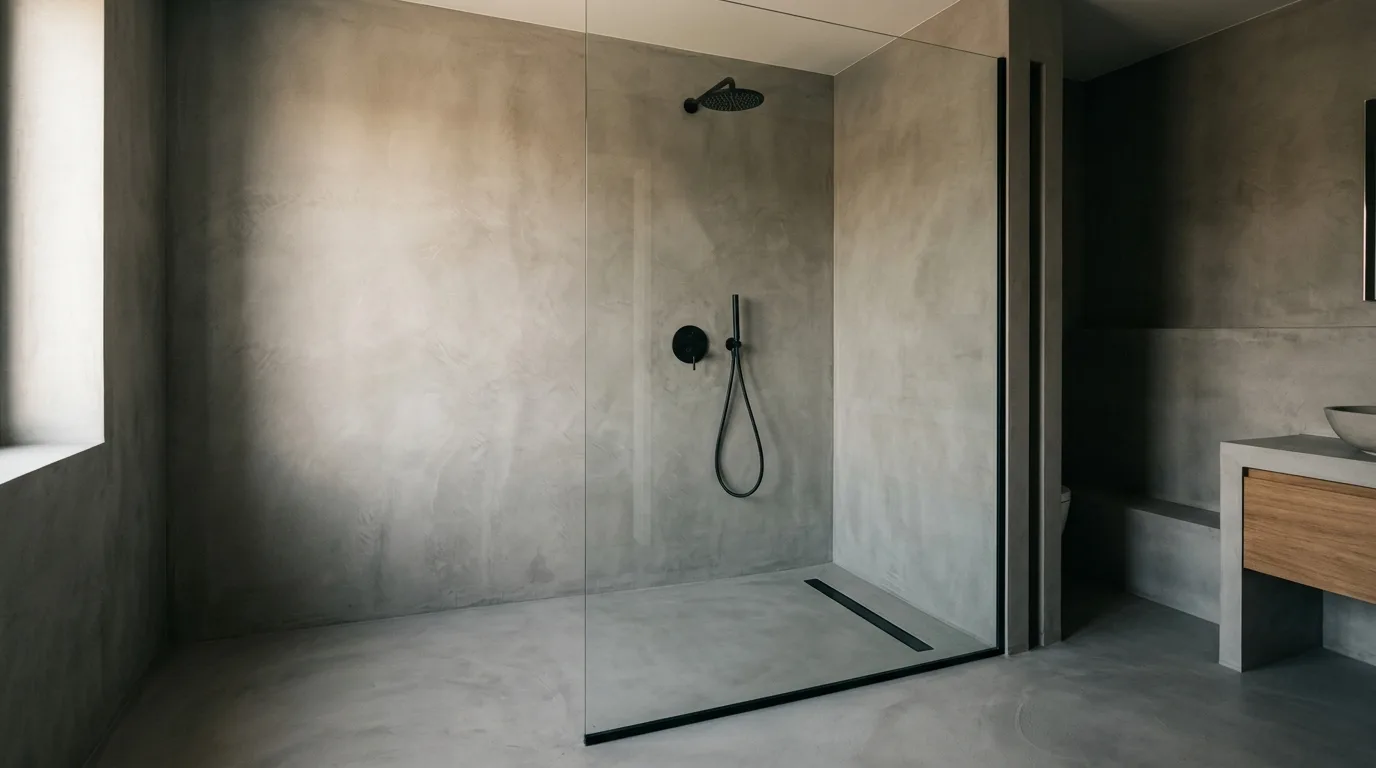
Microcement is not a lime finish at all. It is a polymer-modified cement coating applied in several thin coats over a primer and finished with a sealer. It cures into a continuous surface with no joints, and unlike the other three it is rated for showers, worktops and floors. It is in this comparison because people shopping for a seamless mineral look keep landing on all four, not because it belongs to the same family.
Limewash vs Venetian Plaster vs Roman Clay at a Glance
What They Cost
Published project figures put limewash near 200 dollars per 100 square feet and Venetian plaster near 500 for the same wall (The Decora Company). Installed rates for the troweled finishes commonly land between 150 and 300 dollars per square metre for Venetian and 150 to 250 for microcement (FeelFlow).
The useful way to read that table is that you are not really buying a material, you are buying hours. Limewash is cheap because a competent amateur can roll a room in an afternoon. Venetian is expensive because the burnish is a timing skill and there is no way to fake it. If a quote for Venetian plaster comes in near limewash prices, something is being skipped, and it is usually the layers.
How They Fail
Every guide covers durability. Almost none covers the failure mode, which is the part you actually live with.
Limewash fails by contact, not by time. It does not peel, because it is in the wall rather than on it, and exterior lime on masonry can last decades. Indoors the problem is that it has no surface film. Where people brush past it, along a hallway or a stair, the chalky surface slowly burnishes into faint shiny patches. And it cannot be cleaned: wipe a mark with a damp cloth and you lift a little colour and leave a paler patch behind. The repair is a touch-in coat, not a sponge.
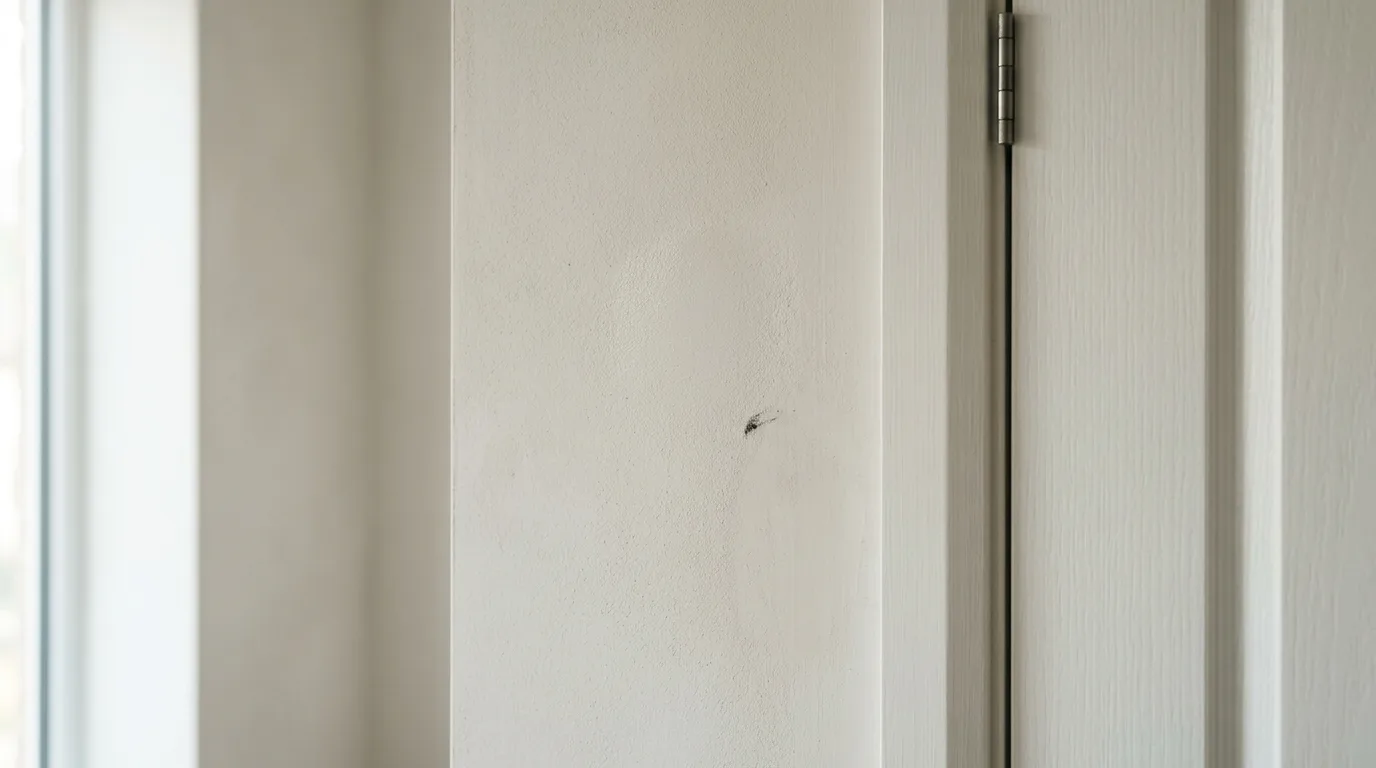
Venetian plaster fails at the substrate. The finish itself is genuinely long lived, commonly quoted at fifteen years or more without recoating, and it resists mould and mildew. What it does not tolerate is movement underneath. A wall that flexes, a new build still settling, or a plasterboard joint that opens will telegraph a crack straight through the plaster, and patching a burnished surface invisibly is close to impossible.
Roman clay fails on contact too, just less readily than limewash. It leaves a thicker film so it takes a knock better, but it is still matte and still not scrubbable.
Microcement fails at the detail, not the surface. The field is tough and waterproof once sealed. The risk sits at the junctions, the corners, the drain, the edge of a worktop, where a missed step in a multi-coat system becomes a leak rather than a mark. It is the one finish here where a bad installer costs you more than an ugly wall.
Which Finish for Which Room
Which Ones You Can Actually DIY
Suppliers who sell both rate limewash around three out of ten for difficulty and Venetian plaster around six (James Alexander). That gap is not about effort, it is about whether mistakes are recoverable.
Limewash is forgiving because the mottling is the finish. Brush it on in loose crossing strokes, and a patchy result reads as correct. If you hate it, another coat fixes it. This is a genuine weekend job.
Venetian plaster is not, and the reason is timing. The burnish has to happen in a window while the plaster is still green. Press too early and the blade drags material off, too late and it will not take a polish at all. You cannot practise that on the wall you are paying for.
Microcement is the one to leave alone entirely if it is going anywhere near water. It is a system, primer, mesh, two base coats, two finish coats, sealer, and skipping or rushing a stage in a shower produces a leak behind a surface you cannot open up.
How to Choose in One Minute
Ask three questions in order and you land on the answer.
Does it get wet or walked on? If yes, microcement, and stop there. No lime finish belongs in a shower or on a floor.
Does it get touched? Hallways, stairwells, behind a sofa, a child height wall. If yes, Venetian plaster, because it is the only one of the three lime finishes with a skin hard enough to be cleaned.
Neither? Then it is a look and a budget decision. Limewash for the softest, cloudiest, cheapest version, Roman clay for a smoother troweled surface with more presence. Both are correct, and this is where you should be testing colours rather than reading opinions. Our guides on choosing paint colours with AI and changing wall colour in a photo cover the same method applied to flat paint, and the wall colour tools roundup compares what else is out there.
One last honest note. These finishes photograph better than almost anything else in interior design, which is exactly why people over-commit to them. A mottled lime wall in a magazine has professional lighting raking across it. Your hallway has a ceiling downlight. Render it on your own wall, with your own window, before you spend 500 dollars per 100 square feet on a surface you cannot wipe. If you are building a wider scheme around it, our guides to building a mood board and putting together a material board cover how these finishes sit next to timber, stone and textile choices, and what colour furniture goes with grey walls takes it the rest of the way.
The Verdict
Limewash is the one most people actually want and the one most likely to disappoint in the wrong room. Venetian plaster is worth its price only where the surface gets touched or where you genuinely want the depth. Roman clay is the sensible middle that gets recommended too rarely. Microcement is not really competing with the other three at all, it just shares a search box with them.
None of that is decided by the material. It is decided by which wall, in which room, in your house. That part no comparison table can tell you, and it is the only part that matters. Related reading if you are working through a whole room: accent wall ideas, feature wall ideas and black window frames, which runs the same one variable at a time test on glazing.
Common Questions About Lime and Plaster Finishes
What is the difference between limewash and Venetian plaster?
Limewash is a thin mineral wash you brush on, and it dries to a chalky ultra-matte surface with soft cloudy colour movement. Venetian plaster is a thicker lime and marble-dust plaster you trowel on in layers and then burnish, so it dries hard, smooth and slightly lustrous with visible depth. The practical difference is protection: limewash soaks into the wall and leaves almost no surface film, while Venetian plaster forms a dense skin that shrugs off scuffs and cleaning.
Which is more expensive, limewash or Venetian plaster?
Venetian plaster costs roughly two and a half times more. Published project figures put limewash near 200 dollars per 100 square feet and Venetian plaster near 500 for the same area, and installed rates for Venetian commonly land between 150 and 300 dollars per square metre. Almost all of that gap is labour rather than material, because limewash is brushed on by anyone and Venetian has to be troweled and burnished by someone who has done it before.
Is limewash durable and how long does it last?
It lasts a long time as a surface but it is not a tough surface. Lime carbonates and hardens into the wall over years, so it does not peel like paint, and exterior limewash on masonry can go decades. Indoors the limit is contact rather than time: on a hallway or a stair wall it burnishes shiny where people brush past, and a periodic refresh coat is a normal part of owning it, not a defect.
Does limewash rub off?
A properly cured limewash on the right substrate should not come off on your hand, but it does mark. Fresh limewash can dust slightly until it fully carbonates, which takes weeks rather than days. After that the real issue is that it cannot be scrubbed: wiping a mark with a damp cloth tends to lift a little colour and leave a paler patch, so the fix is touching in rather than cleaning.
Can you use limewash in a bathroom?
On the walls of a well ventilated bathroom, yes, and lime is naturally hostile to mould. In a shower enclosure, no. Limewash is breathable rather than waterproof, so it belongs on the dry walls of the room. If you want a seamless mineral look inside the wet zone, microcement is the finish actually rated for it, and it is the only one of these four that carries onto the floor as well.
What is the difference between Roman clay and limewash?
Roman clay is troweled, limewash is brushed, and that changes the look completely. Limewash gives cloudy, watery colour drift with visible brush movement. Roman clay is applied as a thin skim with a blade, so it reads smoother and flatter with soft sweeping tonal movement and faint edges where the passes overlap. Roman clay is also a little more robust because it leaves a thicker film, but it is still matte and still not scrubbable.
Is microcement better than Venetian plaster?
For wet areas and floors, yes. Microcement is a cement-based coating that cures into a sealed jointless surface rated for showers, worktops and floors, which no lime finish is. For a warm living room wall it is the wrong answer, because it reads industrial and cool where lime finishes read soft and deep. Choose microcement for performance in a wet or high-traffic space, and a lime finish for character in a dry one.
Can you DIY these finishes?
Limewash yes, the rest realistically no. Limewash is brush applied and forgiving, and suppliers rate it around three out of ten for difficulty. Venetian plaster is rated closer to six because the burnish is a timing skill: press too early and it drags, too late and it will not polish. Microcement is the least forgiving of all, since it is a multi-coat system with a sealer where a single missed step in the wet area is a leak rather than a blemish.