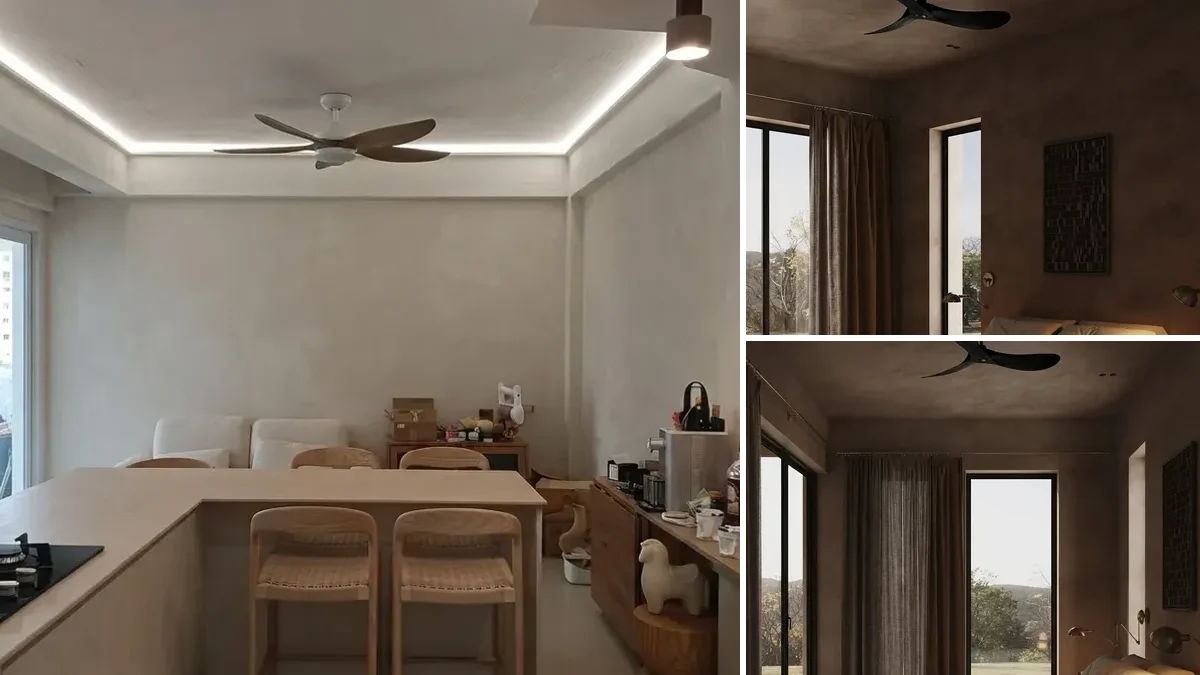
The best modern ceiling fans in 2026 are The Modern Fan Co. Ball and Altus if you want the fan to read as an object, the Visual Comfort Fan Collection Maverick for a big open room, the Minka Aire Roto Flush or Hunter Dempsey Low Profile on an eight foot ceiling, and the Big Ass Fans Haiku if you want silence and will pay for it. Those are the picks, and the list below runs from a $700 design piece down to two builder-budget flush mounts that still look current, because most of these ceilings are in real houses with real budgets. The harder half of this decision is not which fan anyway. It is what size and how low it hangs, because that is what decides whether the room looks right.
Our articles are still written by humans!
Get human written articles in your Google feed.
Almost every ceiling fan roundup shows you the same thing: a product cutout on a white background. That tells you nothing, because a ceiling fan is the one object in a room that hangs in the middle of the air, at eye level from the sofa, in front of everything. A fan that photographs beautifully at 500 pixels on white can be the thing that ruins a room at 52 inches wide over a coffee table. So this guide is built the other way round. First the numbers that decide whether a fan disappears or dominates, then twelve fans worth buying and exactly where each one is wrong.
One warning before the picks, because it costs people the most money: the fan people regret is almost never the wrong brand, it is the wrong size or the wrong mount. A 42 inch fan in a 20 by 16 living room looks like a toy. A 60 inch fan on a nine foot ceiling in a narrow room is something you will duck under for years.
The 30 second version
- Size by floor area: under 144 sq ft use 36 to 44 in, 145 to 225 sq ft use 44 to 50 in, 226 to 400 sq ft use 52 to 60 in. 52 inches fits most US living rooms.
- Hang the blades 8 to 9 ft off the floor, never under 7 ft. Eight foot ceiling means a flush mount, ten foot ceiling means a 12 in downrod.
- Buy a DC motor if the fan is in a bedroom or anywhere you want quiet.
- Outdoors, check the rating: damp for a covered porch, wet for an exposed pergola or deck.
- The design rule: one finish, three blades, no light kit unless the room has no other ceiling light.



What Are the Best Modern Ceiling Fans in 2026?
The Modern Fan Co. Ball is the best-looking modern ceiling fan you can buy in the US, and the Visual Comfort Fan Collection Maverick is the one we would put in most real living rooms, because it comes in the large sizes an American open plan actually needs. The table is the whole shortlist, grouped by the job each fan is for rather than by a made-up score.
Prices are 2026 US street ballparks and move with sales and finish. Treat them as bands, not quotes.
How Did We Choose These, and What We Did Not Test
Plainly: we have not run these fans in a lab, measured their airflow, or put a sound meter under them. Anyone claiming they bench-tested twelve ceiling fans for a blog post is telling you a story. What this list is built on is published specification (blade span, motor type, damp or wet rating, mount type), the design track record of each maker, and the part we do know professionally.
That part is scale in a room. We build MeltFlex, an AI interior design tool that renders real rooms from a photo, so the question we deal with every day is how a 52 inch object reads against an 11 foot wall, how much visual weight a dark blade adds to a pale ceiling, and where a fixture stops being furniture and starts being an obstacle. The sizing and mounting sections below are the useful half of this guide for exactly that reason, and they are the half every product roundup skips.
What we could not verify and therefore do not claim: airflow in CFM per model, noise in decibels, and reliability over years. Where those matter, the number to compare is the one Energy Star publishes, airflow efficiency in CFM per watt, because it is measured the same way for every fan on the list.
What Size Ceiling Fan Do I Need for My Room?
Measure the floor area, then match the blade span. Length times width, and if the room is an L, split it into two rectangles and add them. This one table prevents most ceiling fan regret in the US, where 52 inches is the default size for a reason: it fits the average living room.
Two extra rules the charts leave out. In a long, narrow room, two smaller fans spaced along the length beat one huge fan in the middle, because airflow falls off fast past the blade tips. And in a room with a big table, centre the fan over the table rather than over the geometric centre of the room, for the same reason you centre a pendant: the eye reads the furniture as the centre, not the walls. If you are working out the square footage in the first place, our guide to calculating the square feet of a room covers the L shapes and bays, and average US room sizes tells you what a typical living room or bedroom actually measures.
How Low Should a Ceiling Fan Hang?
Put the blades 8 to 9 feet above the floor, and never below 7 feet. That single sentence sets the downrod, the mount type, and whether the fan is safe over a stairwell or a raised bed. Work backwards from the ceiling.
The clearance people forget is the sideways one. Blade tips want at least 18 inches from the nearest wall, and 24 inches is better, because a fan running close to a wall churns instead of moving air and makes a low thrumming noise you will hear at night. If your room cannot give a 52 inch fan that margin, the answer is a 44 inch fan, not a shorter downrod.
Which Ceiling Fan Works With a Low Ceiling?
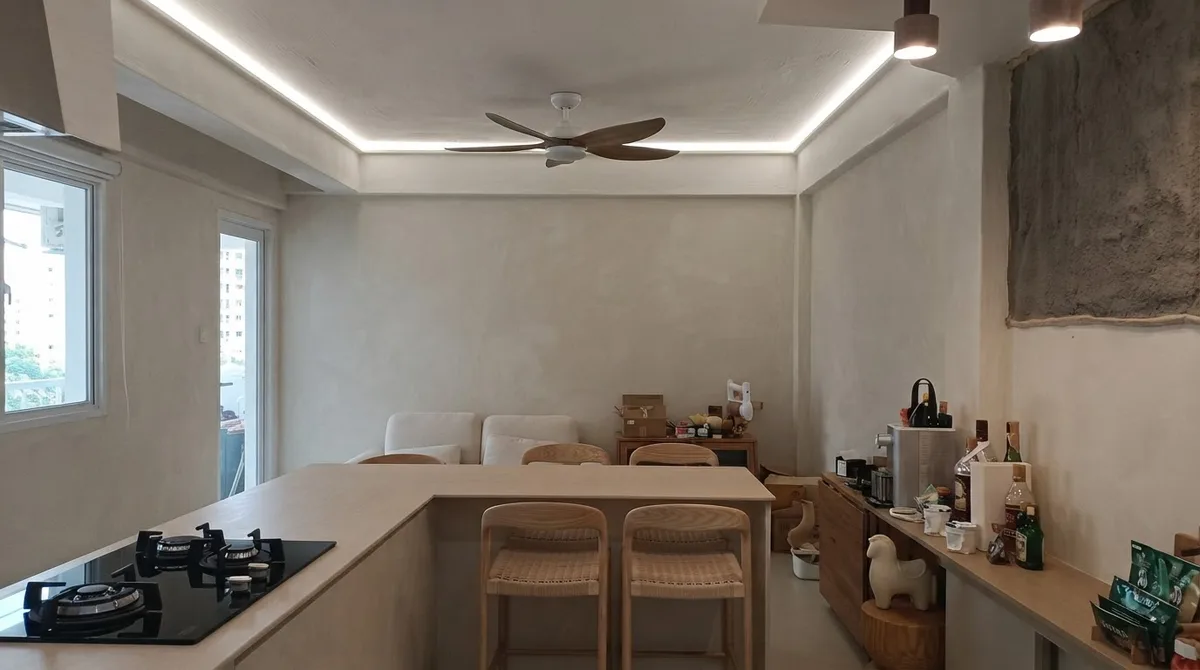
A flush mount, sold as a hugger or a low profile fan. On a standard 8 foot US ceiling there is no other safe option: the box is at 8 feet, a fan body takes roughly 10 inches, and any downrod at all drops the blades under the 7 foot line. The three worth shopping are the Minka Aire Roto Flush if you want it to look designed, the Hunter Dempsey Low Profile as the value pick in 44 and 52 inch, and the Harbor Breeze Mazon if the budget is a builder budget.
Accept one trade-off: a flush fan pulls air from a tighter gap above the blades, so the same motor moves less air than it would on a 6 inch rod. In a bedroom that is irrelevant. In a 400 sq ft family room with an 8 foot ceiling, size up rather than trying to fix it with speed.
Which Modern Ceiling Fans Look Best in a Living Room?
The living room is where a fan is most likely to wreck the design, because it hangs in the sightline between the sofa and the television. Three things make it disappear: a blade finish that matches the ceiling rather than the floor, three blades rather than five, and no light kit if the room already has downlights or lamps. A white fan on a white ceiling at the right height is close to invisible from the sofa. The same fan in dark walnut is a dark bar across the room.
For a large or open plan room, where the furniture layout already has to hold two or three zones, the Visual Comfort Maverick in 60 or 70 inches is the default for a reason, and the Modern Fan Co. Ball is the pick if you would rather the fan be the sculpture in the room than hide. If the living room is also where the television is, our guide to mounting a television above a fireplace covers the same sightline problem from the other direction.

What Is the Best Ceiling Fan for a Bedroom?
A DC motor fan at 44 to 52 inches, with a remote, and either no light or a dimmable one. DC motors are the single upgrade worth paying for in a bedroom: they run quieter, offer more speeds at the low end, and draw noticeably less power than the older AC motors. The Big Ass Fans Haiku is the quiet benchmark, the Fanimation Spitfire and Minka Aire Artemis are the mid-price versions of the same idea.
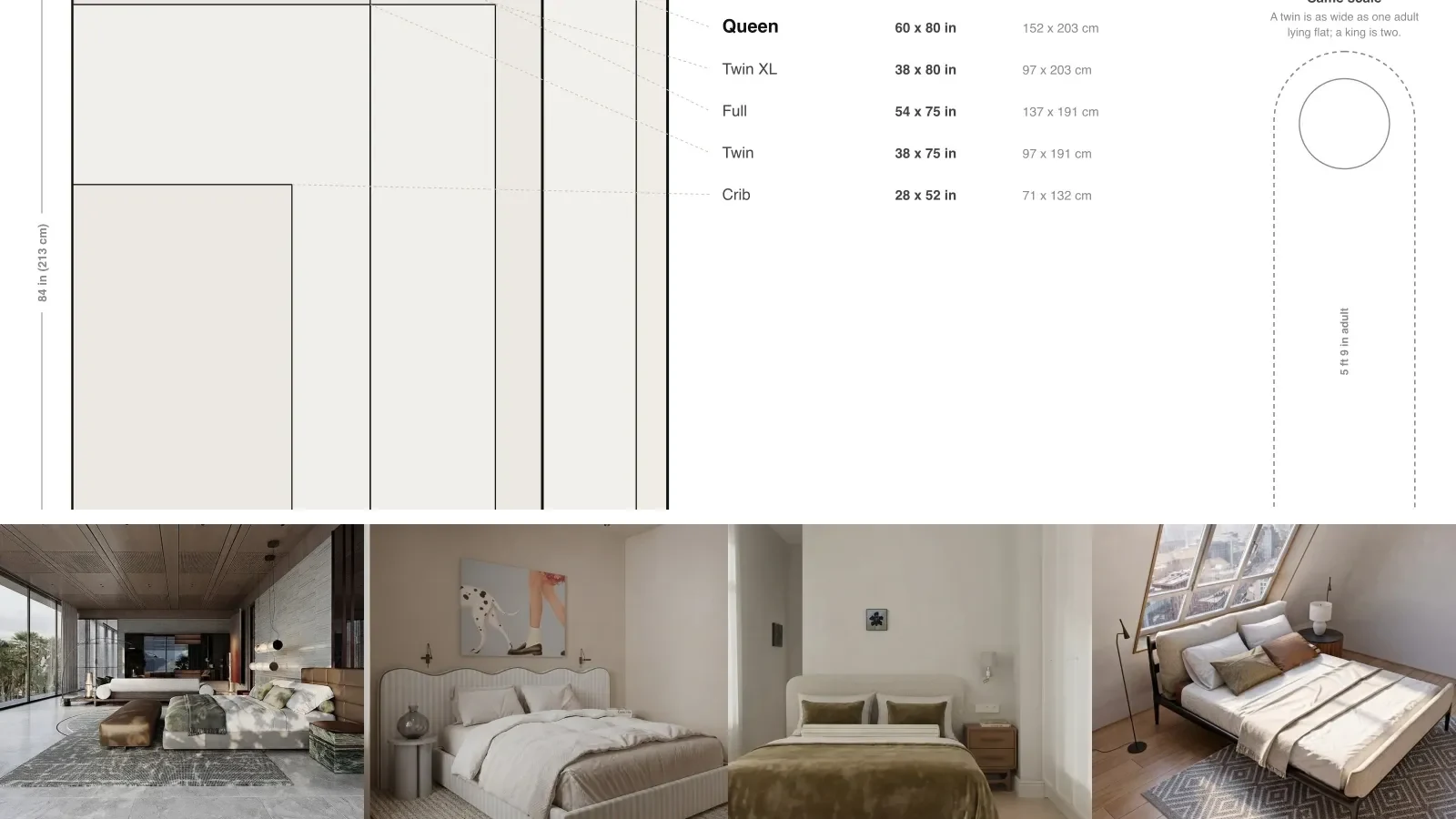
Placement matters more here than anywhere else. Centre the fan over the foot of the bed rather than directly over the pillows if the room allows it, so the draft crosses the bed instead of blowing onto your face all night, and keep the blades clear of any tall headboard or canopy. If the bed placement itself is the open question, our bedroom layout guide sorts that first, bed sizes gives you the footprint the fan has to clear, and master bedroom ideas for 2026 covers the rest of the room.


Are Bladeless Ceiling Fans Worth It?
Bladeless ceiling fans are a naming trick: the blades are hidden inside a ring or a shroud, and hiding them costs airflow. What you buy is the look and a smaller sweep, which is a genuine reason to choose one in a nursery, a small bedroom or a room where a 52 inch fan would dominate. What you do not buy is more air per watt.
If the goal is a fan you do not see rather than a gimmick, the better answer is a retractable blade fan such as the Carro Voyager, where the blades fold into the body when the fan is off and swing out when it runs. It looks like a flush light when idle and works like a normal fan when it is on, at the cost of one more mechanism that can fail.
Is a Fandelier a Good Idea?
Usually not, and it is worth being blunt about why. A fandelier asks one fixture to be a chandelier and a fan at the same time, and it is normally a compromise at both: the blades are short, so the airflow is modest, and the crystal or drum shade sits below the blades, so the light throws a moving shadow when the fan runs. In a dining room where you want a chandelier, buy a chandelier and cool the room some other way.
The honest exception is a bedroom or a small dining room that has exactly one ceiling box, no other lighting, and needs both. If that is your situation, shop it as a light first, check the blade span against the sizing table above, and expect to use it mostly on low. Parrot Uncle is the brand that covers this category at a sane price.
What Is the Best Outdoor Ceiling Fan?
The rating matters more than the brand. A damp rated fan belongs in a covered, protected spot: a porch with a solid roof, a lanai, a screened patio, somewhere rain never lands on it. A wet rated fan is sealed for direct exposure, which is what a pergola, an open deck or a poolside needs. Putting an indoor fan outdoors is the classic mistake, and it ends with a rusted motor and a wobble nobody can balance out.
The Fanimation TriAire Custom is the flexible wet rated pick, because you configure the blade length to the space. The Fanimation Spitfire is the damp rated one that still looks like an indoor fan, which matters on a porch you see from the living room. Outdoors, size up: air escapes sideways, so a 60 inch fan on a patio does what a 52 inch fan does in a room. For everything under it, our outdoor furniture guide covers the patio itself.

Do Ceiling Fans Ruin a Room?
A bad one does, and the reasons are consistent enough to list. Five thin blades in a dark wood finish read as a builder fan from 2005 no matter what else is in the room. A light kit fighting the room’s other lights puts a bright lump in the middle of the ceiling. A fan hung too low cuts the room in half at eye level. And a finish that matches nothing, usually brushed nickel in a room full of black and brass, makes the fan the odd object out, which is the same discipline as matching furniture to your floors, walls and lighting.
The fixes are equally simple. Three blades, one finish taken from something already in the room, matte over polished, and the blade colour matched to the ceiling unless you actively want the fan to be a feature. In a room with a beautiful ceiling, a plaster rose or beams, hang the fan low enough to sit under the detail rather than covering it. And if you are unsure between a fan and a pendant, remember the fan only earns its place if you will use it: a fan cools people, not rooms, so it does nothing while you are out.
What Should a Modern Ceiling Fan Cost?
Add installation if there is no existing fan-rated box: a ceiling fan is heavier and it vibrates, so it needs a listed fan-rated box and brace, not a standard light box. That is an electrician’s hour or two in most US homes, and it is not a place to improvise.
Which Way Should a Ceiling Fan Turn?
Counterclockwise in summer, clockwise on low in winter. Counterclockwise pushes air straight down, and the moving air over your skin is what makes a room feel cooler, which is why a fan cools people rather than rooms. Clockwise on the lowest speed pulls air up through the middle and rolls the warm air trapped at the ceiling back down the walls without a draft, which is worth doing in any room with a high ceiling. The switch is on the motor housing, or in the app on a smart fan.
How Do You Know It Will Look Right in Your Room?
You measure, and then you look at it. Measuring is the part covered above: floor area to blade span, ceiling height to downrod, 18 inches to the nearest wall. Looking at it is the part nobody can do from a product page, because a fan is a large object hanging at eye level and its finish argues with everything else on the ceiling.
That second half is what we built. Upload a photo of the room to MeltFlex and you can see the space restyled with the fixture and furniture you are considering, at the scale it will really be, before an electrician is booked. If you are sizing the rest of the room at the same time, the rug size calculator and the furniture fit calculator do the same job for the floor, and the square footage guide gives you the number this whole page depends on. If you saw a fan in a photo and want to find it, the free find furniture from a photo tool names what is in the picture and searches for it.
Modern Ceiling Fans FAQ
What size ceiling fan do I need for my room?
Match the blade span to the floor area. Up to 75 sq ft, use a 29 to 36 inch fan. For 76 to 144 sq ft, a small bedroom or office, use 36 to 44 inches. For 145 to 225 sq ft, a main bedroom or dining room, use 44 to 50 inches. For 226 to 400 sq ft, most US living rooms, use 52 to 60 inches, and 52 inches is the size that fits almost everything. Above 400 sq ft, go to 60 to 72 inches or hang two fans instead of one. The most common mistake is buying a 42 inch fan for a big room, where it looks like a toy on the ceiling and moves too little air to be felt.
What are the best modern ceiling fans in 2026?
For a design-led room, The Modern Fan Co. Ball and Altus are the two fans that read as objects rather than appliances. The Visual Comfort Fan Collection Maverick is the safest large-room pick, with three wide blades in sizes up to 88 inches. Minka Aire Artemis covers the curved-blade look with an integrated LED, Fanimation Spitfire is the best-looking DC fan you can also hang under a covered porch, and Big Ass Fans Haiku is the quiet one if the budget stretches. On a builder budget, the Hunter Dempsey Low Profile and the Harbor Breeze Mazon are the two flush mounts that do not look like a rental.
How low should a ceiling fan hang?
Aim for the blades to sit 8 to 9 feet above the floor, and never below 7 feet. That sets the downrod: on an 8 foot ceiling use a flush or hugger mount with no downrod, on a 9 foot ceiling a 6 inch rod, on a 10 foot ceiling a 12 inch rod, at 12 feet a 24 inch rod, at 14 feet a 36 inch rod, and add roughly 12 inches of rod for every extra foot of ceiling after that. Also keep at least 18 inches from the blade tips to the nearest wall, 24 inches if you can, and at least 10 inches between the blades and the ceiling so air can reach them.
What is the best ceiling fan for a low ceiling?
A flush mount, also sold as a hugger or low profile fan, which bolts straight to the box with no downrod and keeps the blades about 10 inches below the ceiling. On a standard 8 foot ceiling that is the only safe choice, because a downrod would put the blades under 7 feet. The Hunter Dempsey Low Profile is the value option, the Minka Aire Roto Flush is the one that actually looks designed, and the Harbor Breeze Mazon sits in between. Expect slightly less airflow than the same fan on a rod, because a flush fan pulls air from a tighter gap.
Are bladeless ceiling fans any good?
Bladeless ceiling fans are marketing, not physics: they have blades, hidden inside a ring or behind a shroud, and hiding them costs airflow. What they buy you is the look and a smaller sweep, which is why they suit a small bedroom, a nursery or a room where a 52 inch fan would dominate. If you want the disappearing-fan effect with real airflow, a retractable-blade fan like the Carro Voyager is the better compromise: the blades fold into the body when it is off and open when it runs.
What is the best ceiling fan for a bedroom?
A DC motor fan, sized 44 to 52 inches for most bedrooms, with a remote and either no light or a dimmable one. DC motors run quieter and use noticeably less power than the older AC motors, and quiet is the whole point in a room you sleep in. Big Ass Fans Haiku is the premium answer, Fanimation Spitfire and Minka Aire Artemis are the mid-range ones, and any fan you choose should be mounted over the foot of the bed rather than directly over your head if the room allows it, so the draft crosses you instead of blowing down on you.
Which way should a ceiling fan turn in summer and winter?
Counterclockwise in summer, seen from below, so the fan pushes air straight down and the moving air makes the room feel a few degrees cooler on your skin. Clockwise and on the lowest speed in winter, which pulls air up the middle and pushes the warm air trapped at the ceiling back down the walls without a draft. Almost every fan has a small switch on the motor housing, and remote or app-controlled models put it in the app. A fan cools people, not rooms, so turn it off when you leave.
Can you put a ceiling fan on a covered porch?
Yes, if it is rated for it, and the rating is the part people skip. A damp rated fan is for covered, protected spots such as a porch, a lanai or a screened patio where rain never lands on it. A wet rated fan is for exposed locations, a pergola or an open deck, and is sealed to take direct rain. An indoor fan in either place will rust, sag and eventually wobble. The Fanimation TriAire Custom is the flexible wet rated pick, and the Fanimation Spitfire covers damp locations while still looking like an indoor fan.
The summary, if you read nothing else: pick the blade span from your floor area, pick the downrod from your ceiling height, buy three blades in a finish that matches the ceiling, and pay the extra for a DC motor anywhere you sleep. The brand is the last decision, not the first.
Before you order, try MeltFlex free and look at the room with the fixture in it at the size you are about to buy. For the rest of the ceiling, our guides to room lighting and lighting design prompts cover what should hang beside it, and the best furniture brands for 2026 covers everything below it.