Short answer: the black interior door is the boldest, most repeated interior trend of 2026, and the reason is simple. One tin of matte black paint turns an ordinary builder door into the most architectural thing in the room. This guide covers the ideas that actually look expensive, the softer alternatives (navy, sage, natural wood), exactly what to pair them with, and how to preview a black door in your own room with AI before you commit a single brushstroke.
Our articles are still written by humans!
Get human written articles in your Google feed.
Are Black Interior Doors Still in Style in 2026?
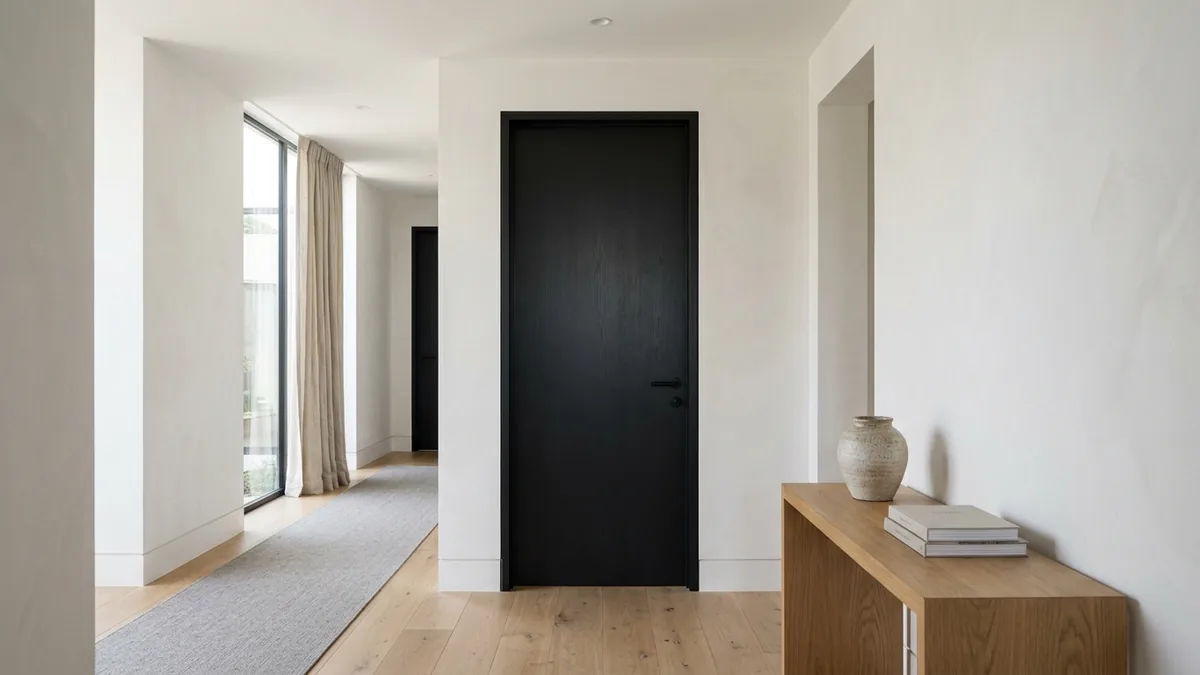
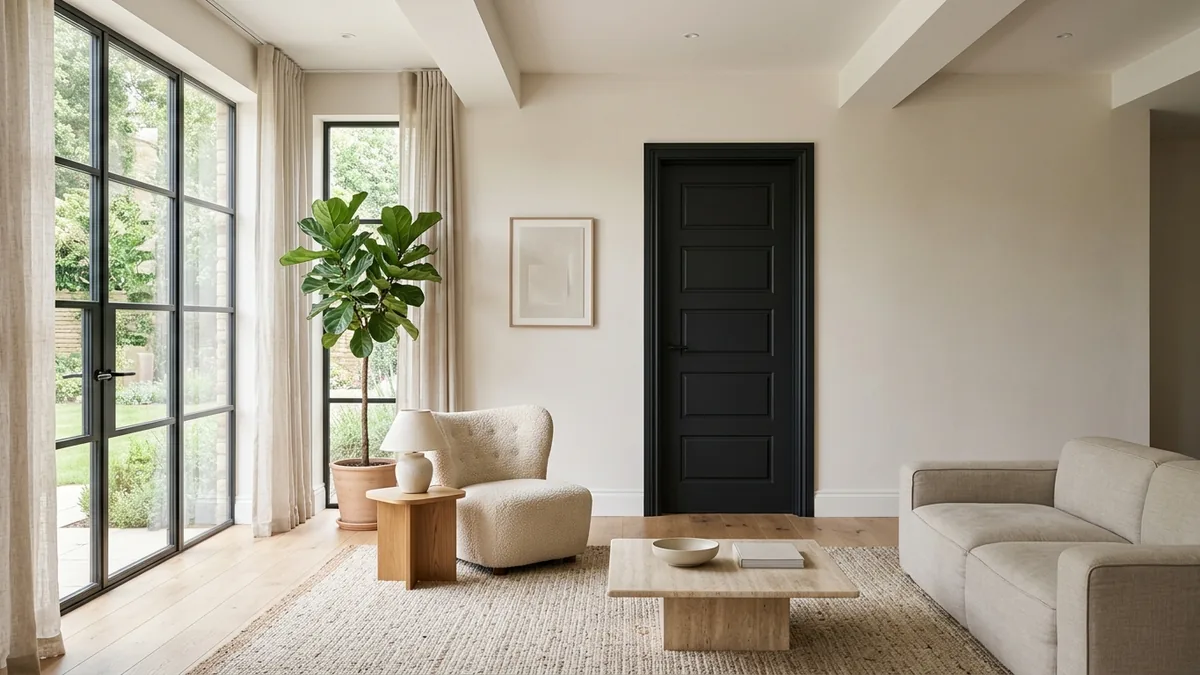
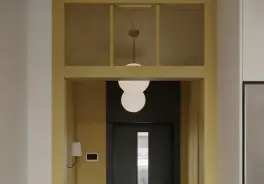
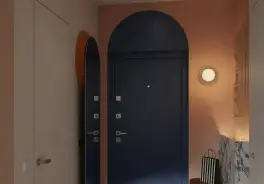
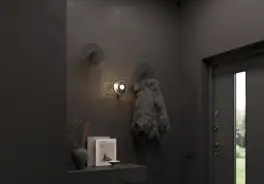
Yes, and more confidently than ever. Design writers now call doors the strong design trend of 2026, with black leading the way. What has changed is the restraint. The early version of this trend was loud: black doors, black frames, black everything. The 2026 version is balanced and intentional, a matte black door paired with warmer wall tones, natural wood and softer lighting, so it reads as a refined graphic accent rather than a gimmick (ITALdoors).
There is a practical reason designers keep reaching for it too. A black door hides scuffs, fingerprints and everyday wear far better than white, and it works across almost every style, from modern and warm industrial to mid-century and classic. It is the rare trend that is both a statement and low-maintenance.
See Black Doors in Your Own Room Before You Commit
Here is the honest problem with this trend: a black door is easy to fall for on Pinterest and hard to picture in your own hallway. Get the contrast wrong, or the room is darker than you thought, and you are sanding a door back to white on a Sunday afternoon. Every door blog shows you someone else’s house. None of them show you yours.
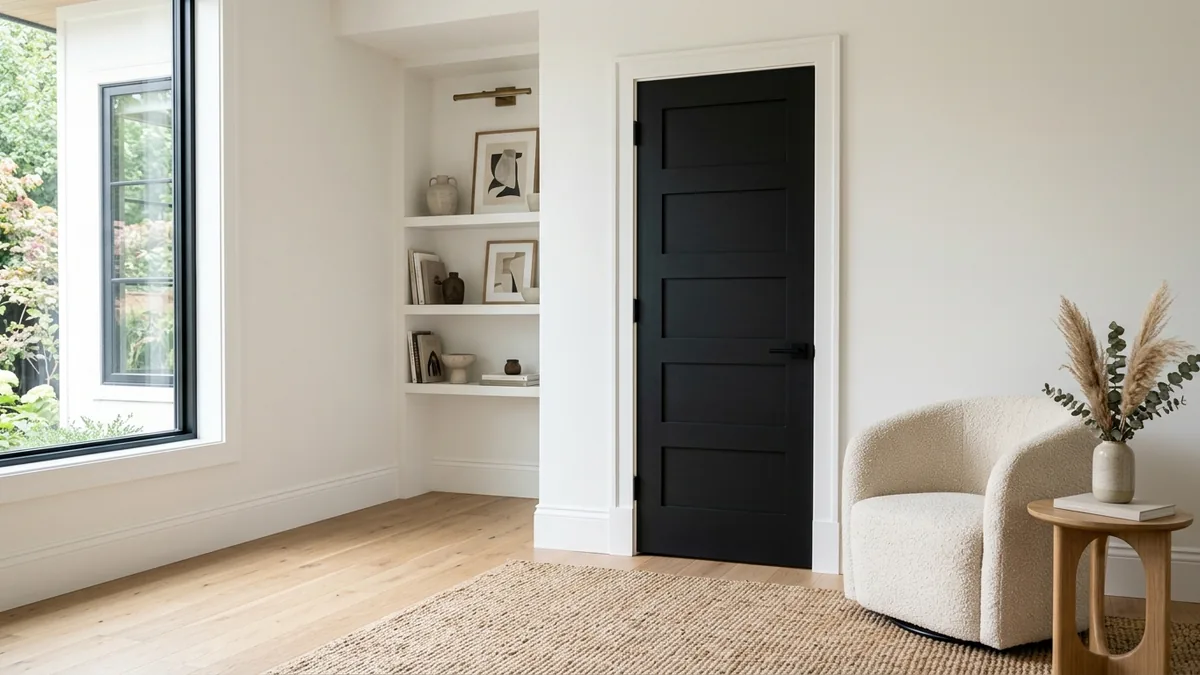
That is the whole point of MeltFlex’s AI door design tool. Upload a photo of your actual room or hallway, and you get a photorealistic preview of the door in black, with the casing painted to match or left white, in under 30 seconds. If you are replacing the leaf rather than repainting it, check the size first: our standard door sizes guide has the widths and heights, and if the opening itself is changing, the door rough opening chart has the framing sizes. The image below is a real before and after: the same doorway, same camera, same room, with only the door finish changed. That is exactly what the tool lets you test on your own space.
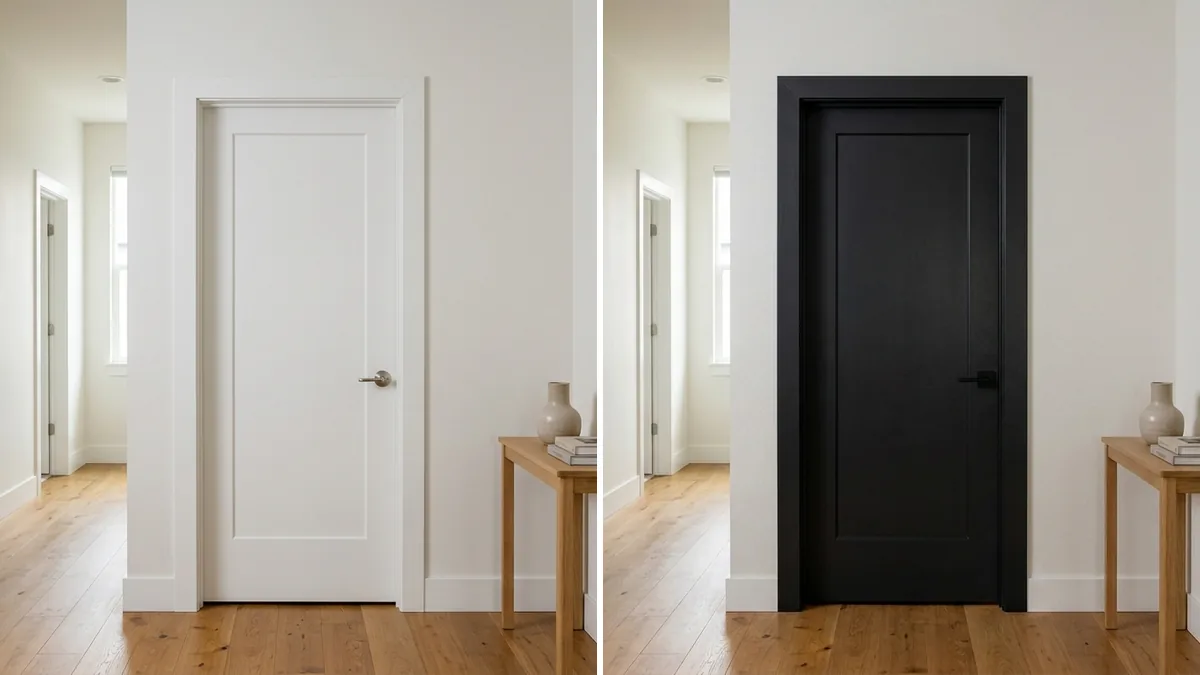
Preview black doors in your room free
The Best Door Colors for 2026 Beyond Black
Black is the headline, but it is not the only door color having a moment. If pure black feels too stark for your home, two softer alternatives are trending right alongside it, plus a natural-wood counter-trend for anyone moving away from paint entirely.
Navy blue
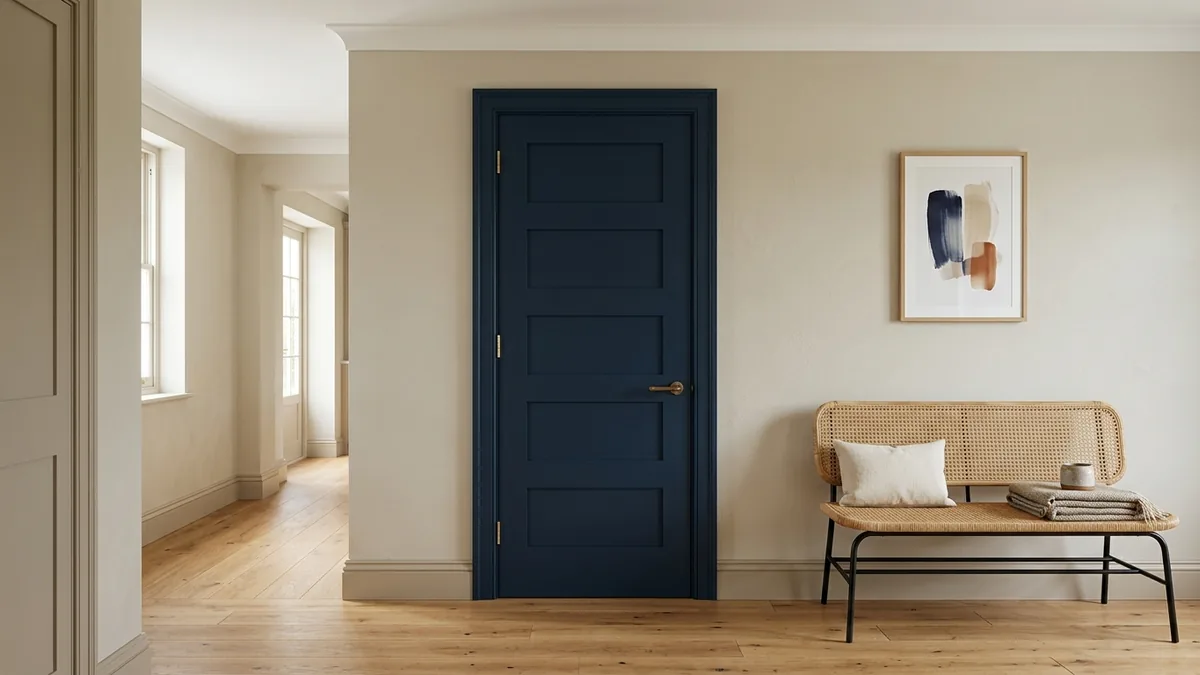
A deep, inky navy gives you nearly the same depth and contrast as black but reads warmer and a little more traditional. It is the easiest “black, but softer” step, and it looks especially good against cream and greige walls with aged-brass hardware.
Sage green
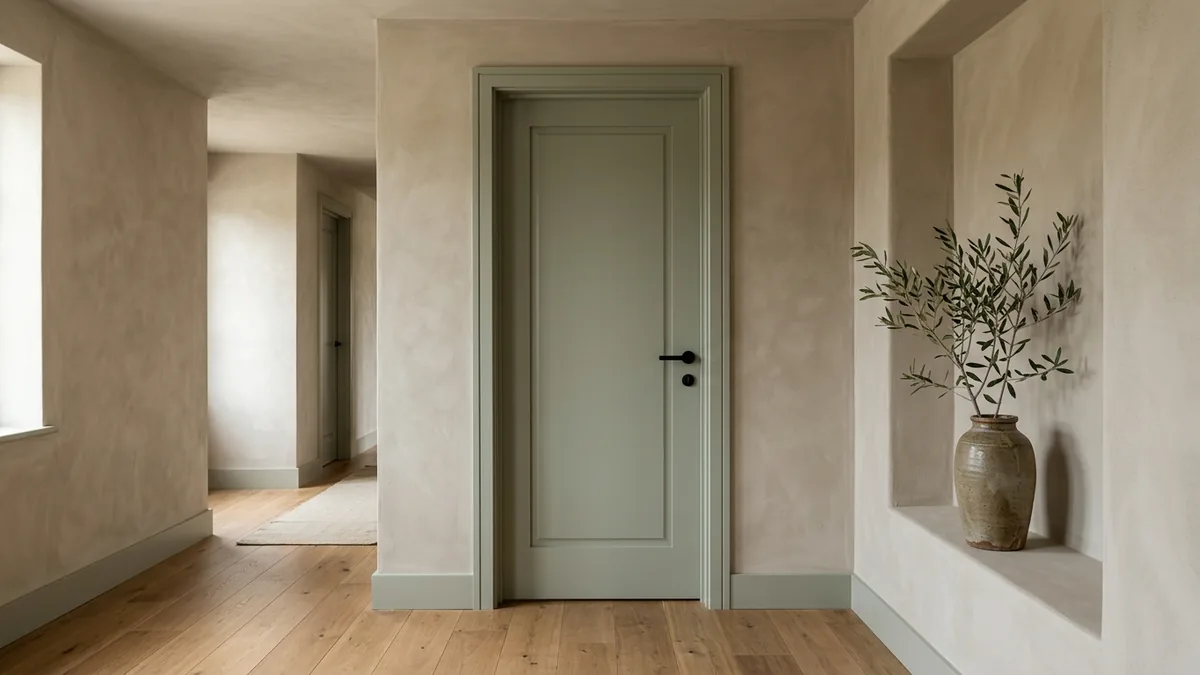
Muted sage green is the door color for organic modern and quiet-luxury interiors built on plaster, oak and earthy tones. It is calm and tonal rather than high-contrast, and it pairs beautifully with limewash walls and natural materials.
Natural wood
The counter-trend to painted doors is a warm, flush natural-oak veneer with the grain left visible. It suits warm minimalist and Scandinavian rooms where you want the door to disappear into the wall rather than announce itself.
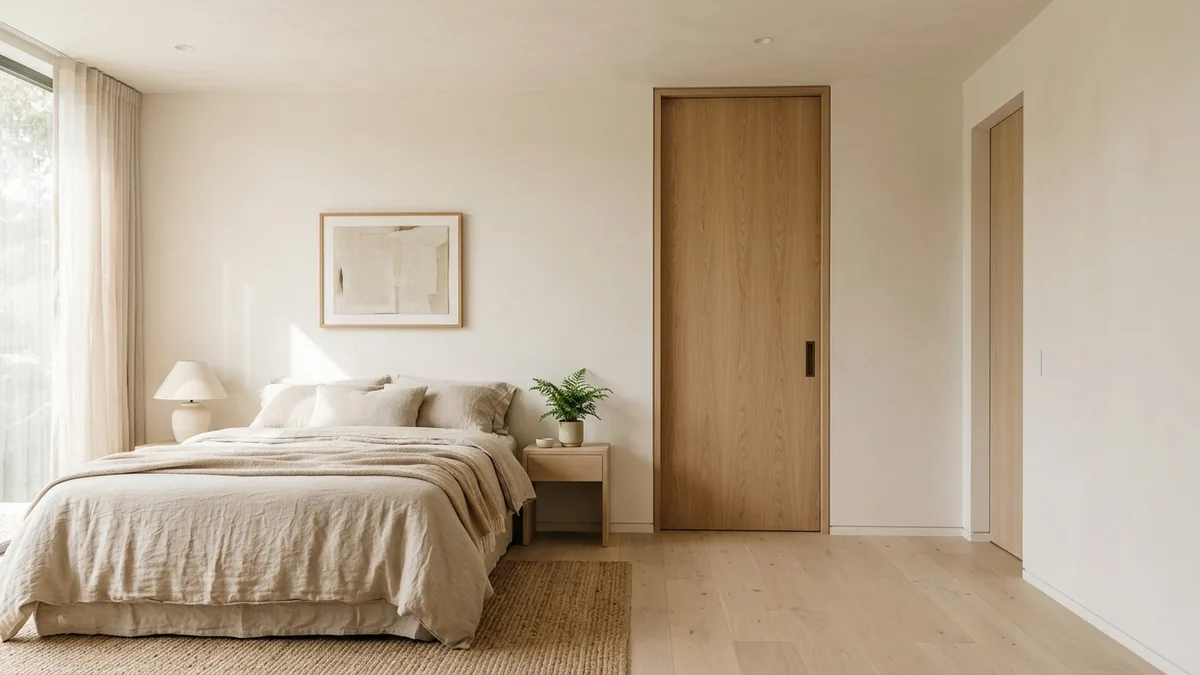
You can preview any of these four finishes on your own door in the same door design tool, side by side, before you choose.
What to Pair Black Doors With
A black door lives or dies by what surrounds it. Get the wall tone, hardware and flooring right and it looks like a designer did it. Here is the reliable formula.
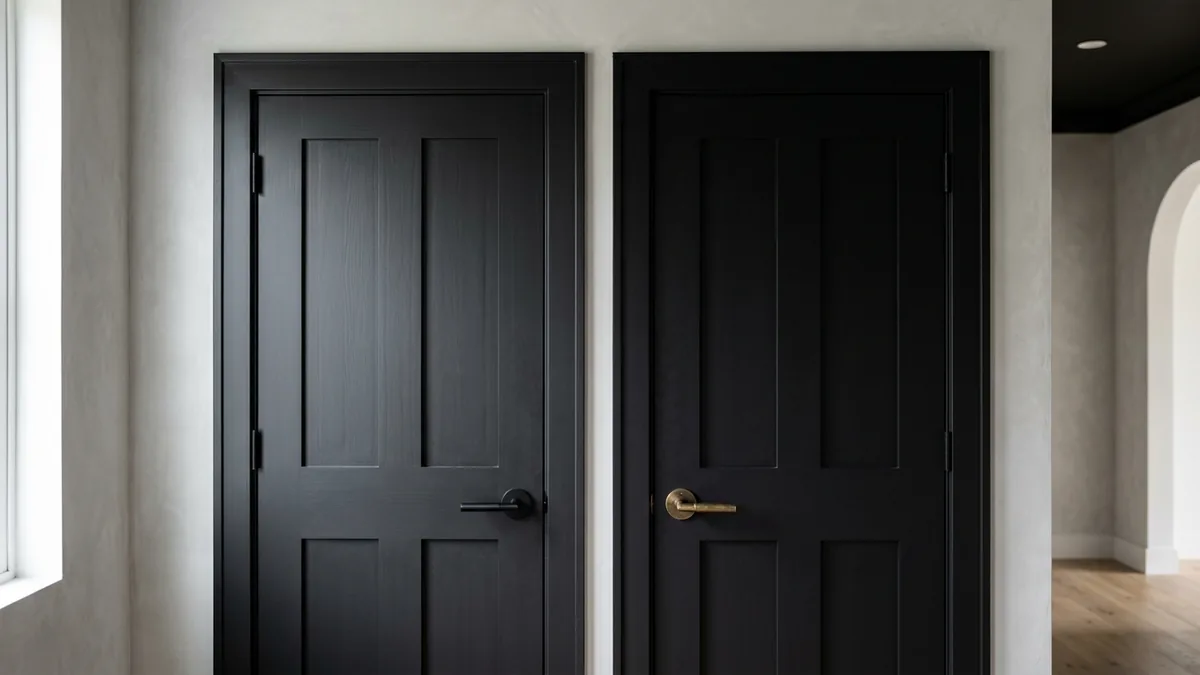
If you are choosing wall colors at the same time, our guides to choosing paint colors with AI and the best AI wall color tools pair naturally with this, so the door and the walls are decided together instead of one clashing with the other. If you would rather test the wall than the door, you can also change a wall color in a photo the same way.
Black Door Styles That Work in 2026
Color is only half the decision. The door style matters just as much, and black flatters some styles more than others. Beyond the flat panel and Shaker doors above, two styles are doing the heavy lifting in 2026.
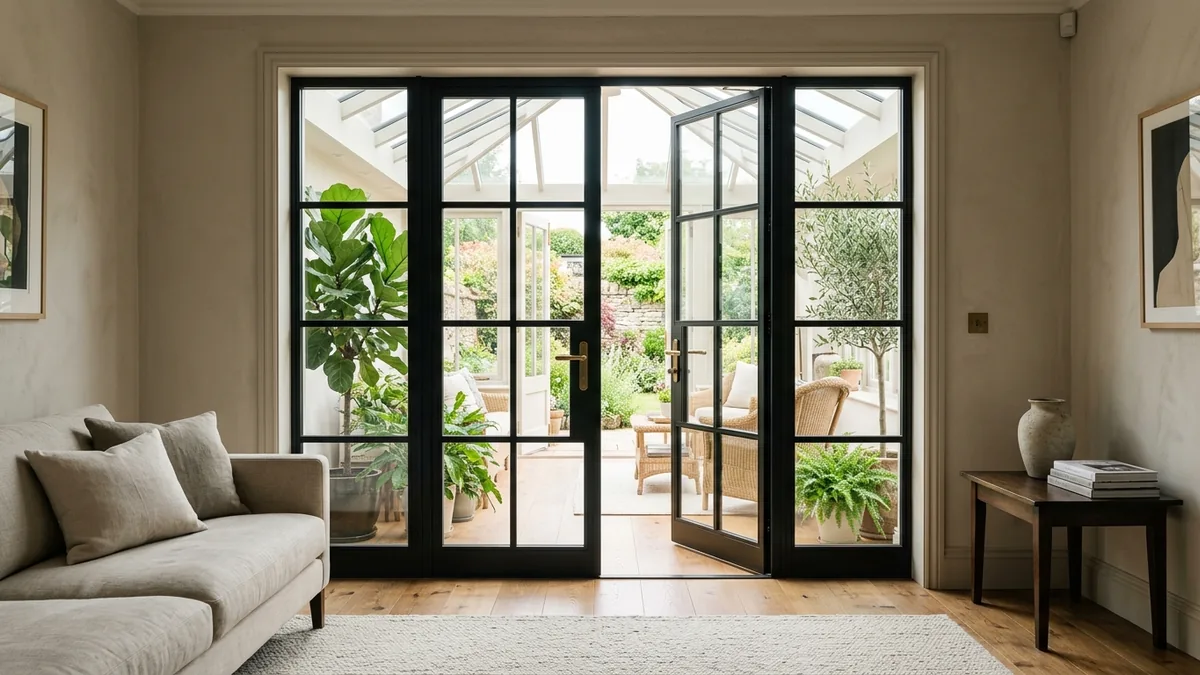
Black French doors
Glazed black French doors are the elegant way to bring the black-door look into a bright, open home. The slim black frames read as architectural, the glass keeps the light moving between rooms, and a pair of them opening onto a garden room or dining space feels far more considered than a single solid door. This is the softer, lighter cousin of the industrial Crittall look below.
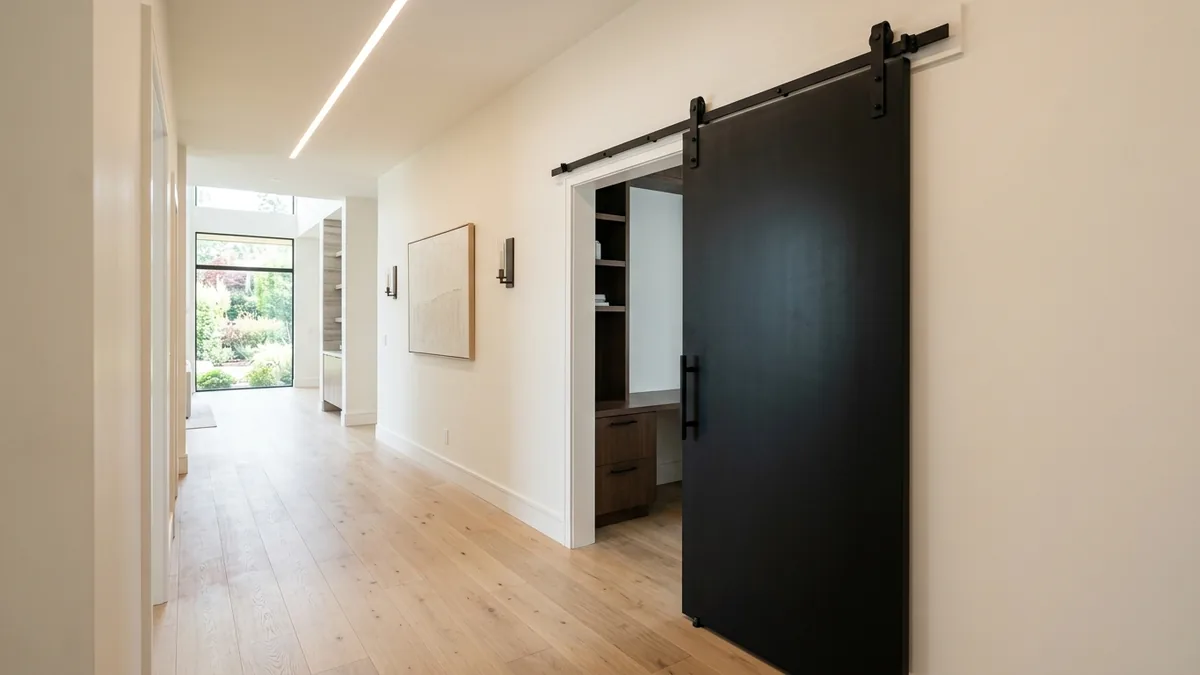
Black sliding barn doors
A matte black sliding barn door is the space-saving option, ideal for a pantry, home office or ensuite where a swing door would waste floor space. The key to keeping it modern rather than farmhouse-kitsch is restraint: a clean flat panel, a slim black track and a simple pull, with none of the distressed timber and oversized hardware that dated the early barn-door trend.
You can preview a flat panel, Shaker, French glazed or sliding barn door on your own opening in the door design tool, so you choose the style with your real room in front of you.
Where Black Doors Work, Room by Room
Black doors are not an all-or-nothing choice. The most tasteful homes use them selectively, where the contrast earns its place.
- Hallways and entries. The classic home for a black door. A dark door on a light wall gives an otherwise plain corridor instant structure and a sense of arrival. Pair it with an accent wall or a statement ceiling and the whole hallway reads as designed.
- Home office. This is where you can go further and color drench, painting the walls, door and casing the same deep charcoal for an enveloping, focused room.
- Bedrooms. A single black door against warm-white walls adds a grown-up, boutique-hotel edge without darkening the whole room.
- Kitchens and bathrooms. A black pantry or ensuite door grounds a bright, light room. If you are reworking either space, our AI kitchen design and AI bathroom design tools let you test the door against the whole room.
- Open-plan spaces. Black doors and internal glass doors help zone a large open area, marking thresholds between kitchen, living and work without building walls.
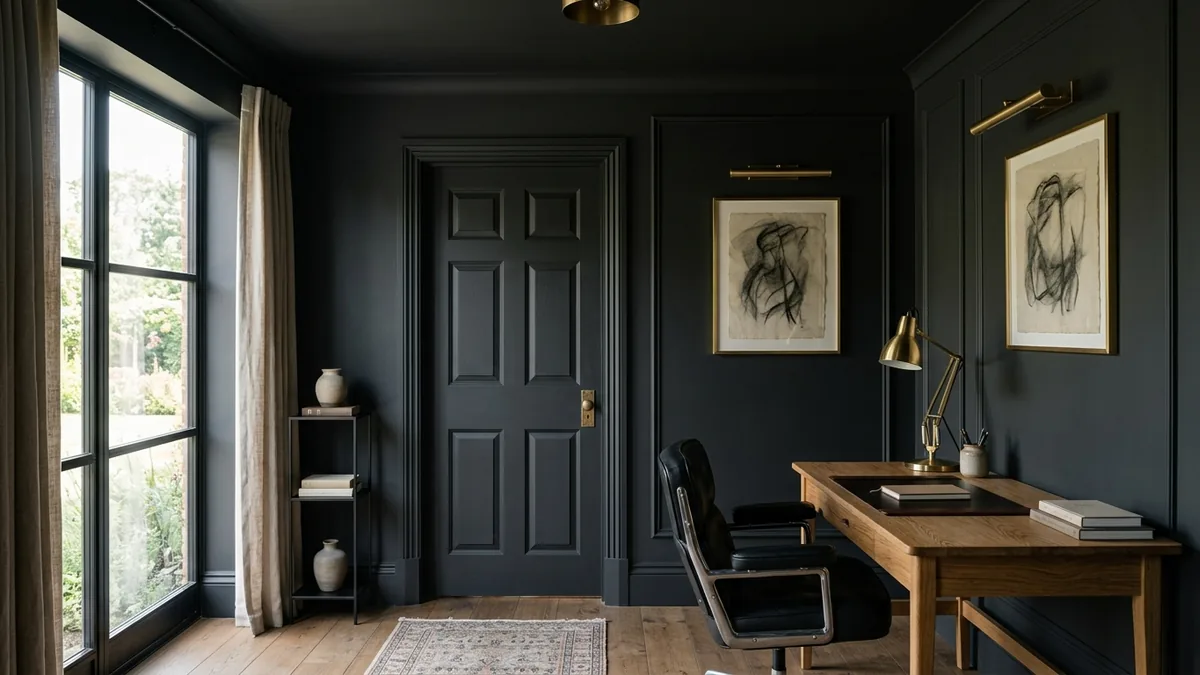
Black Glass and Crittall Doors
The other side of the black-door trend is glass. A black steel-framed Crittall-style internal door, with its fine grid of glazing bars, lets you separate rooms without blocking light, which is why it has become the signature move of warm industrial interiors. It works beautifully between a kitchen and a living room, or to close off a home office while keeping it visually open.
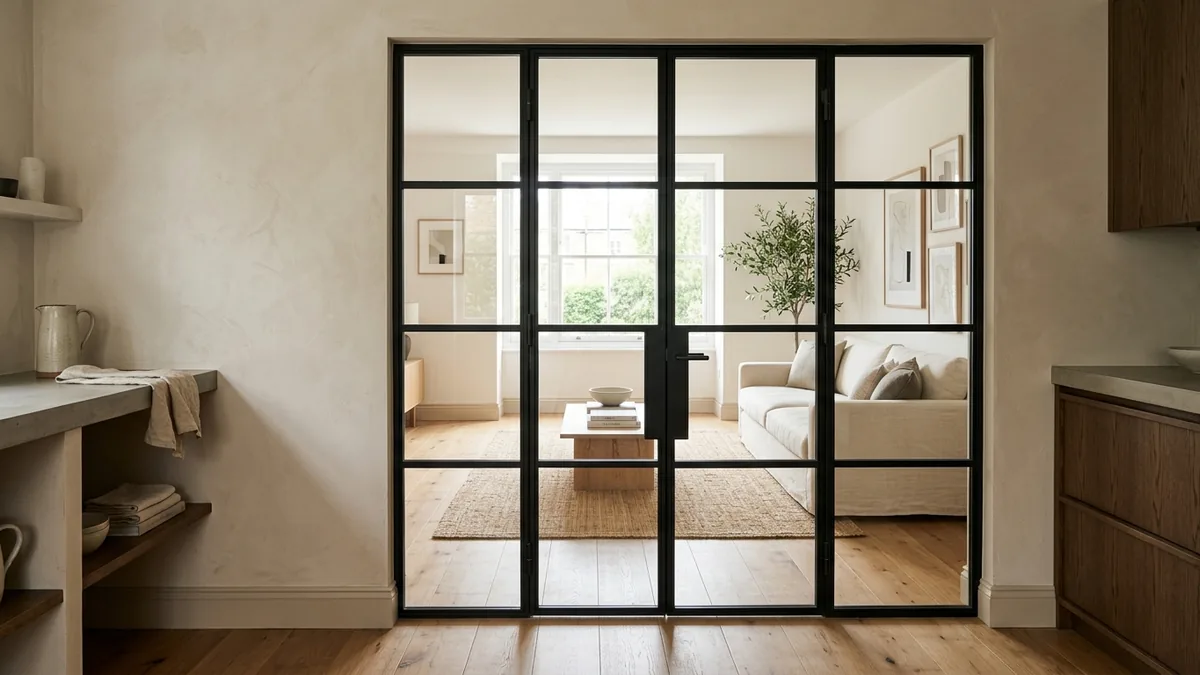
If glass doors interest you, the same idea extends to windows and to the staircase, where black metal is the defining 2026 detail. You can preview all of them on your own home.
How to Paint Interior Doors Black
Once you have previewed the look and you are sure, painting is the cheapest way to get there. A quart of paint and an afternoon does several doors. Here is the short version that avoids a patchy, brush-marked finish.
- Preview first. Confirm the black works with your walls and floor in the door tool before you open a tin.
- Remove and prep. Take the door off its hinges, remove the handle, then clean, lightly sand and wipe it down so the paint grips.
- Prime. Use a bonding primer tinted grey so the black covers in fewer coats.
- Panels first, then flats. Brush the panel edges and profiles, then use a small foam roller on the flat rails and stiles.
- Thin coats. Two to three thin coats in satin or eggshell, each fully dry before the next. Thin always beats thick.
- Match the casing. For the boldest look, paint the casing the same black so the opening reads as one frame.
If the black opening works in your hallway, the obvious next question is whether to carry it to the glazing. The answer is not automatic, because the trade-offs are completely different once sunlight is involved. Our guide to black window frames pros and cons covers the heat, fading and warranty issues that simply do not apply to an interior door.
Watch: Painting Interior Doors Black
If you want to see the process and the mistakes to avoid before you start, this short DIY walkthrough covers the prep, the coats and the pitfalls of painting an interior door black at home.

Painting an interior door black, start to finish, with the mistakes to avoid. Video by Hana’s DIY home on YouTube.
Preview Your Doors Before You Paint
Black doors are the cheapest high-impact upgrade in the house, but only if you get the finish right the first time. Take a photo of your hallway, bedroom or living room, preview the door in black, navy, sage or wood, and decide with your own room in front of you instead of guessing from someone else’s.